 by tskz
On the weekend of 26–27 September, members of the Warsaw branch of the TSKŻ and the Senior Club of the Jewish Religious Community in Warsaw took part in a two-day trip to Zamość and Lublin.
Saturday, 26 September 2026
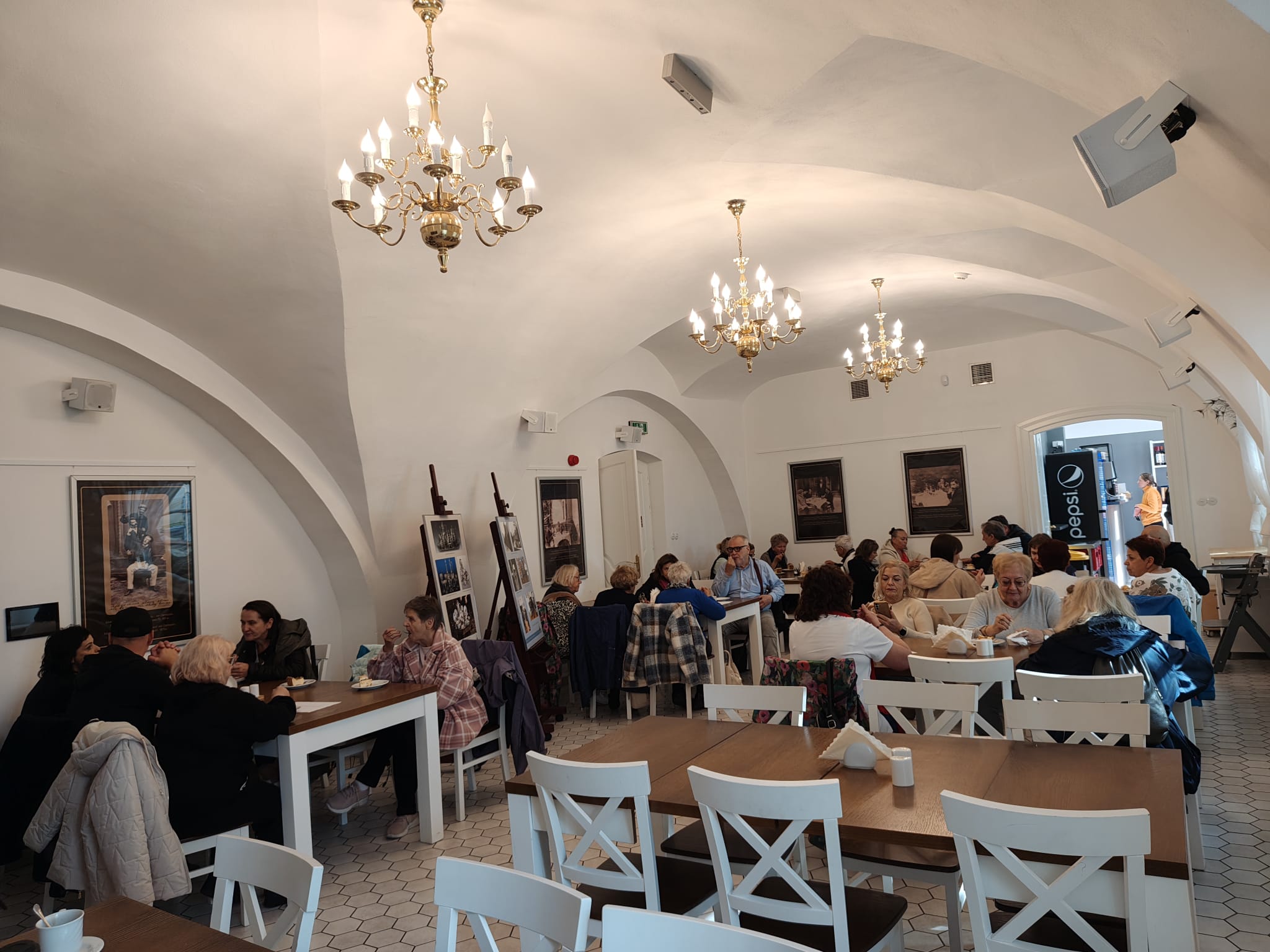
We began our journey with a stop in Kozłówka. After arriving, we took some time to relax at U Szafarki bistro, where we enjoyed a delicious coffee that gave us a much-needed energy boost before the next highlights of our trip.
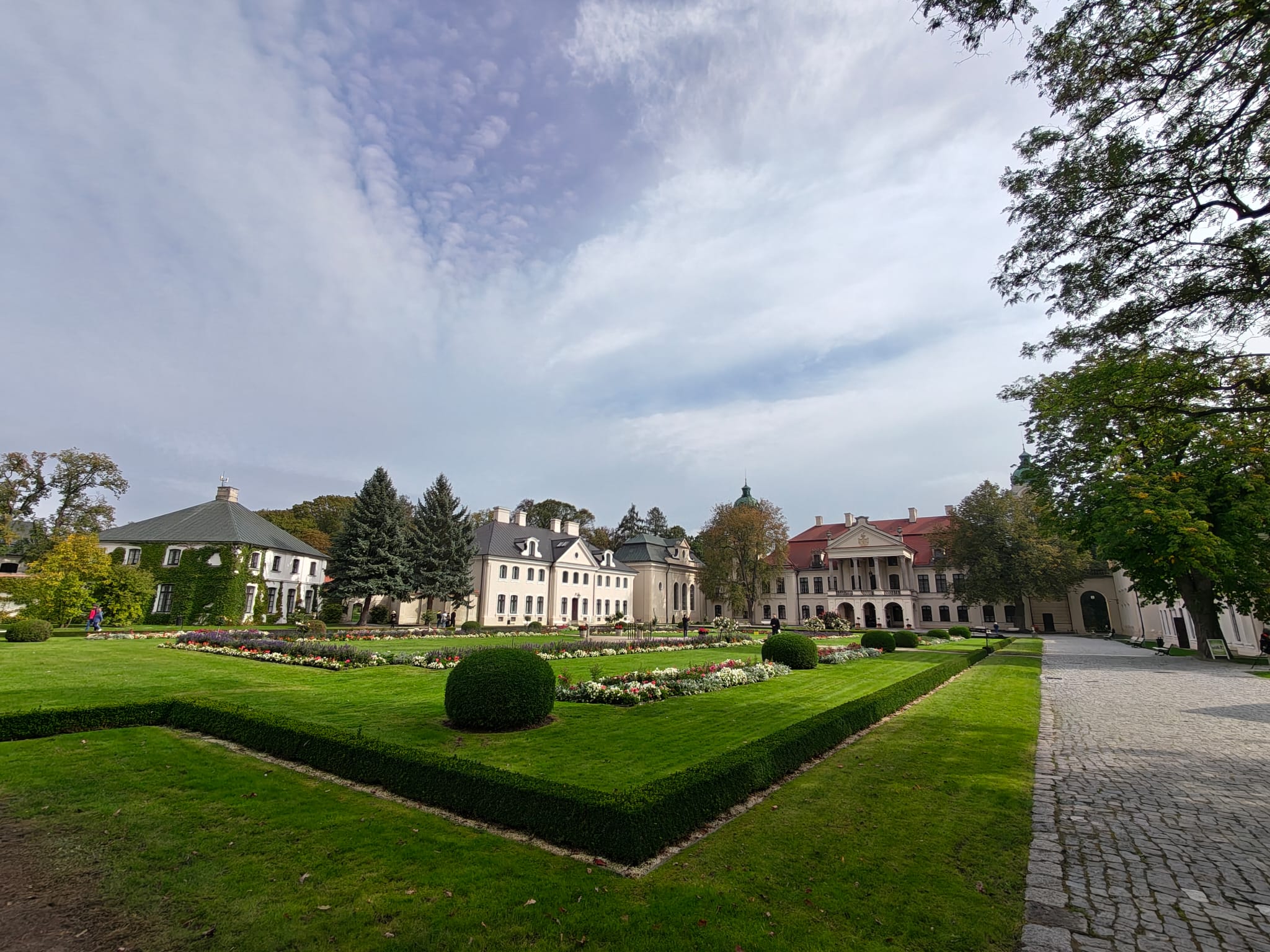
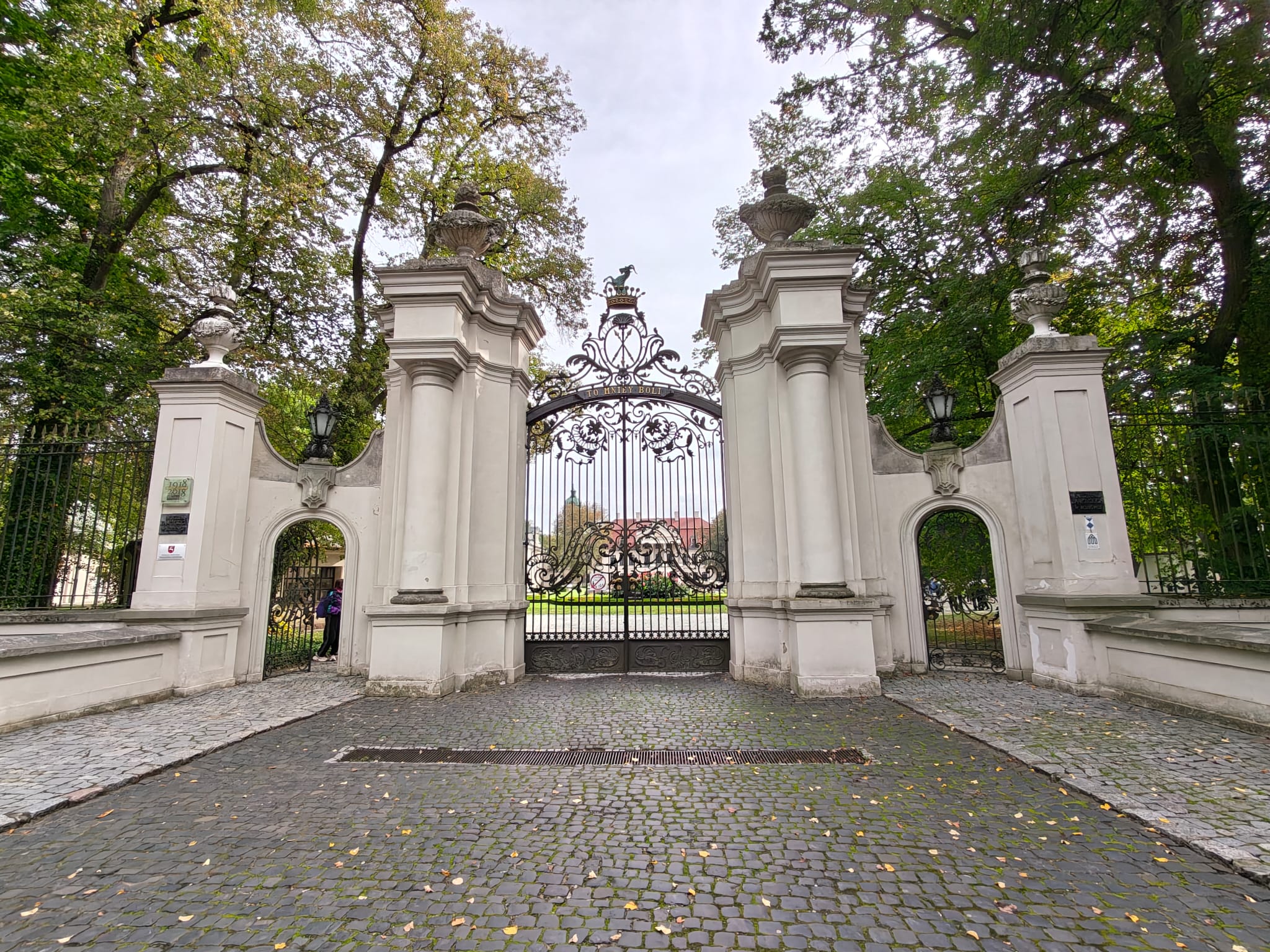
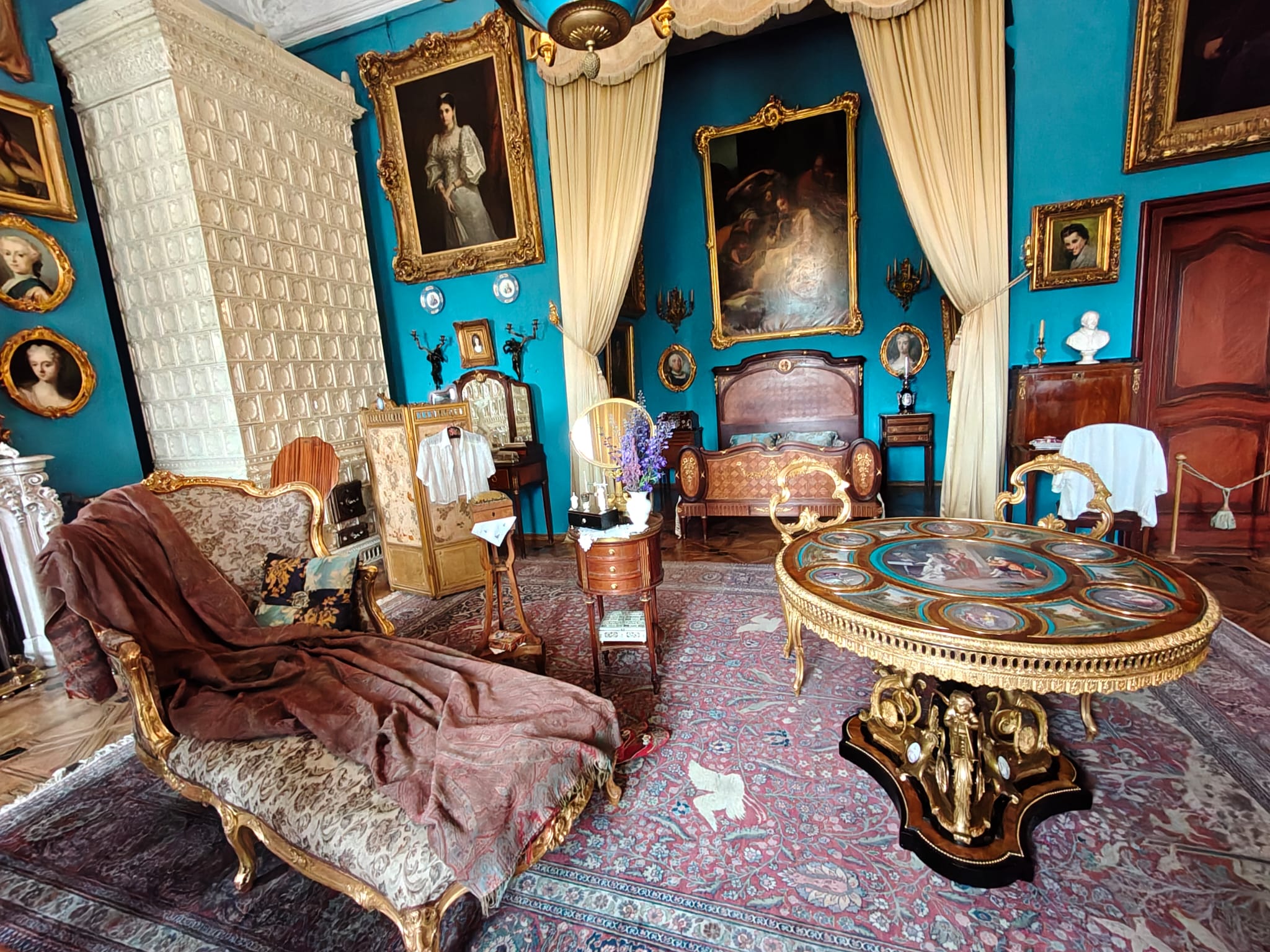
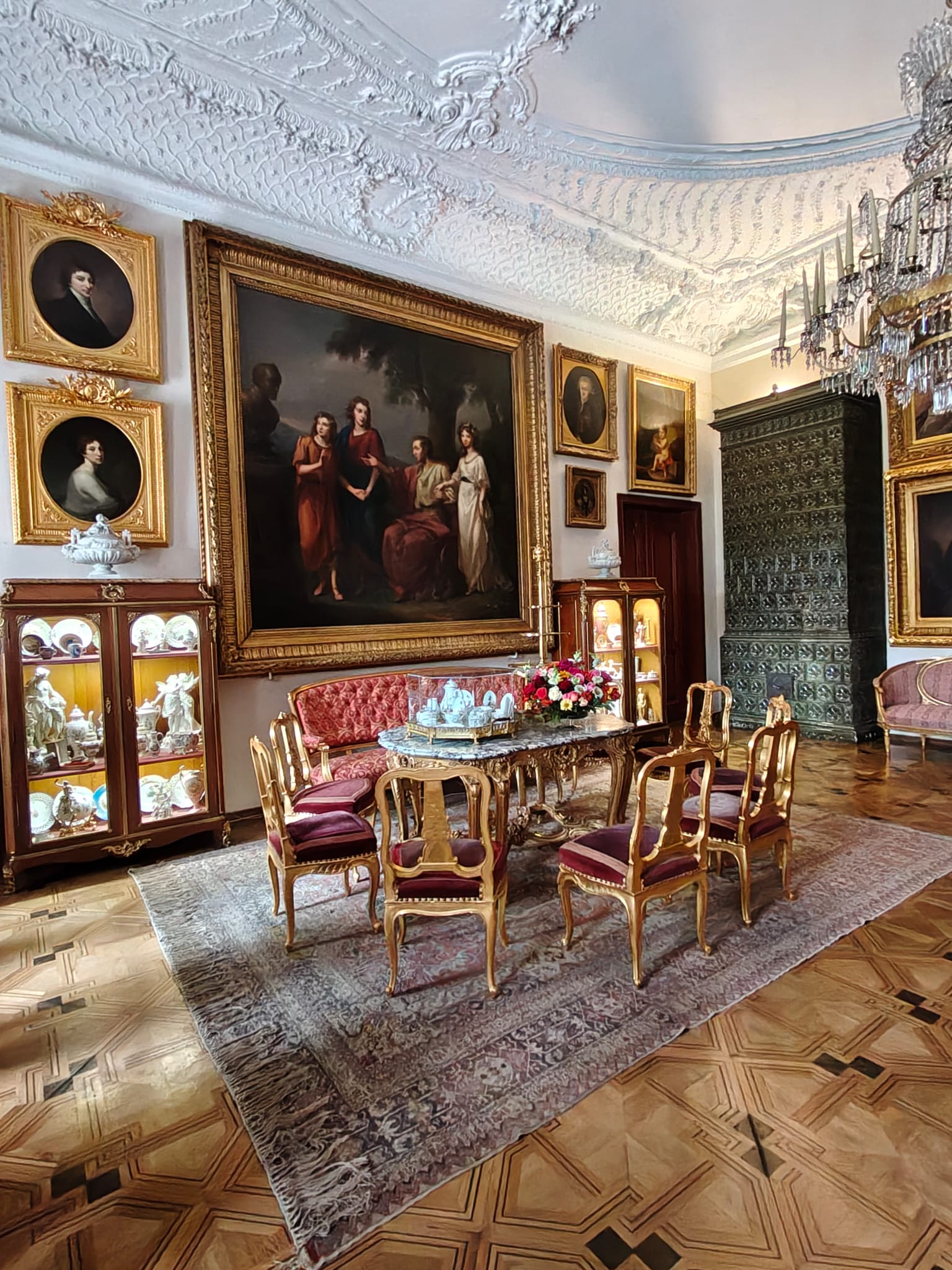
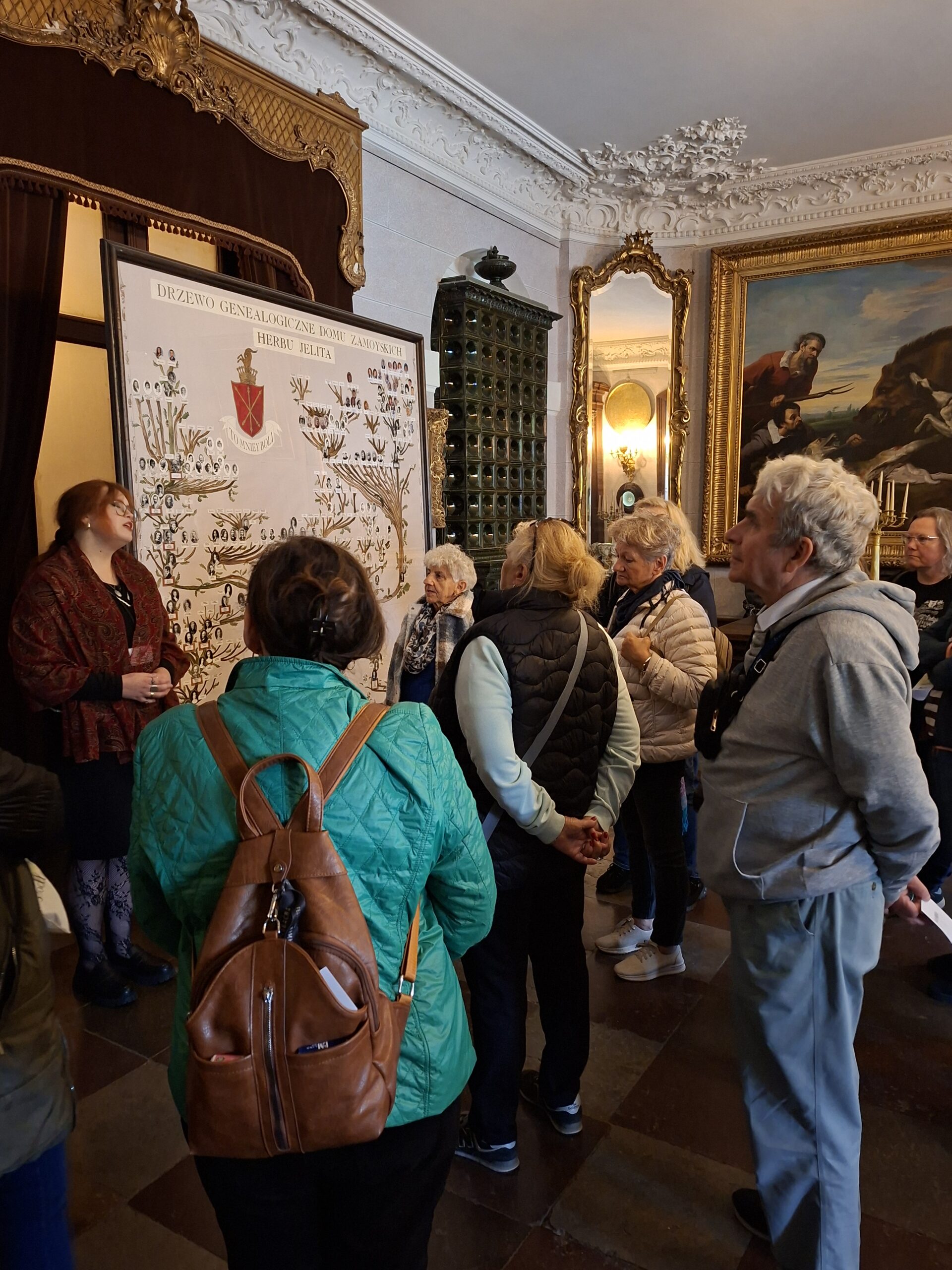
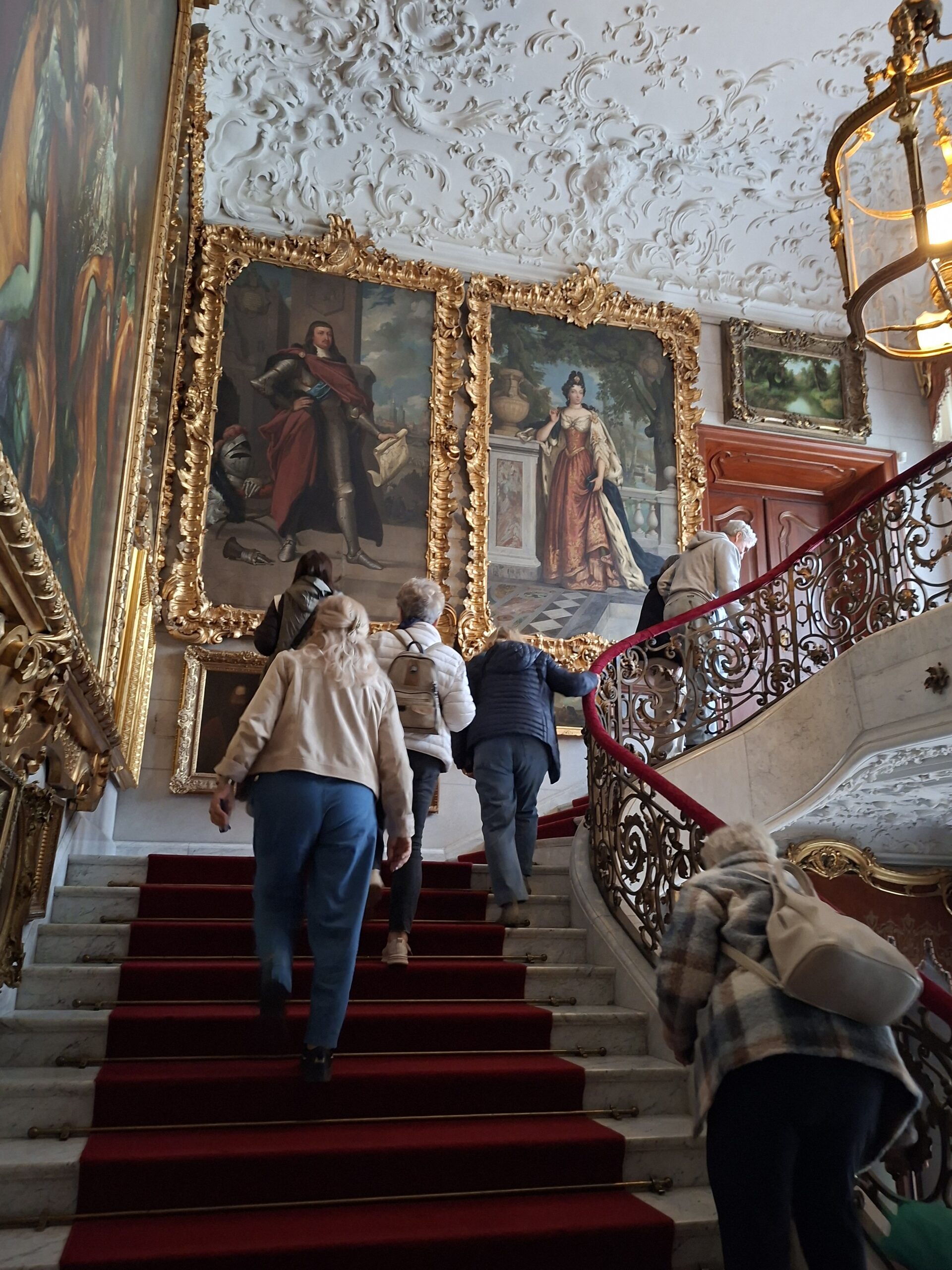
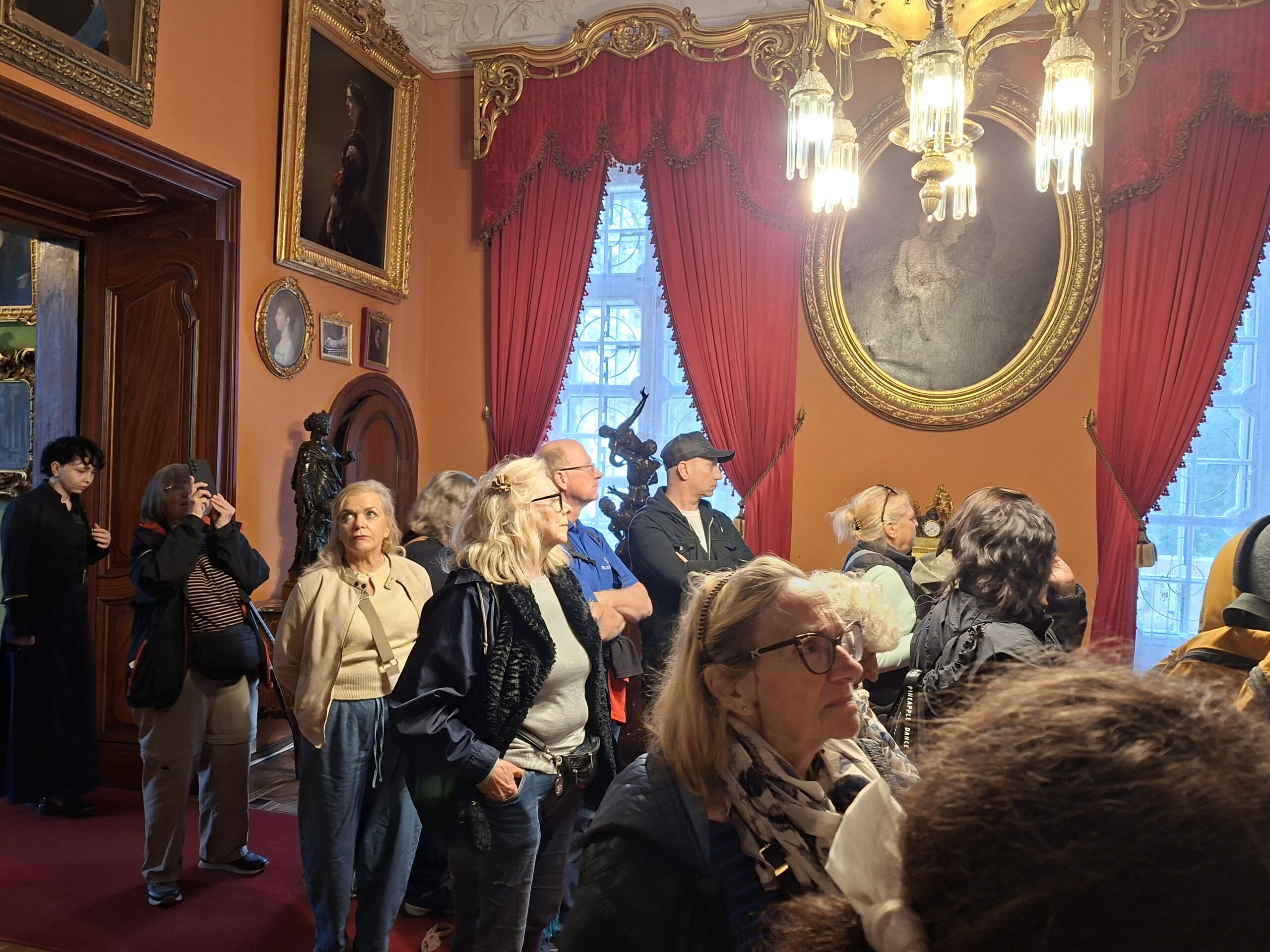
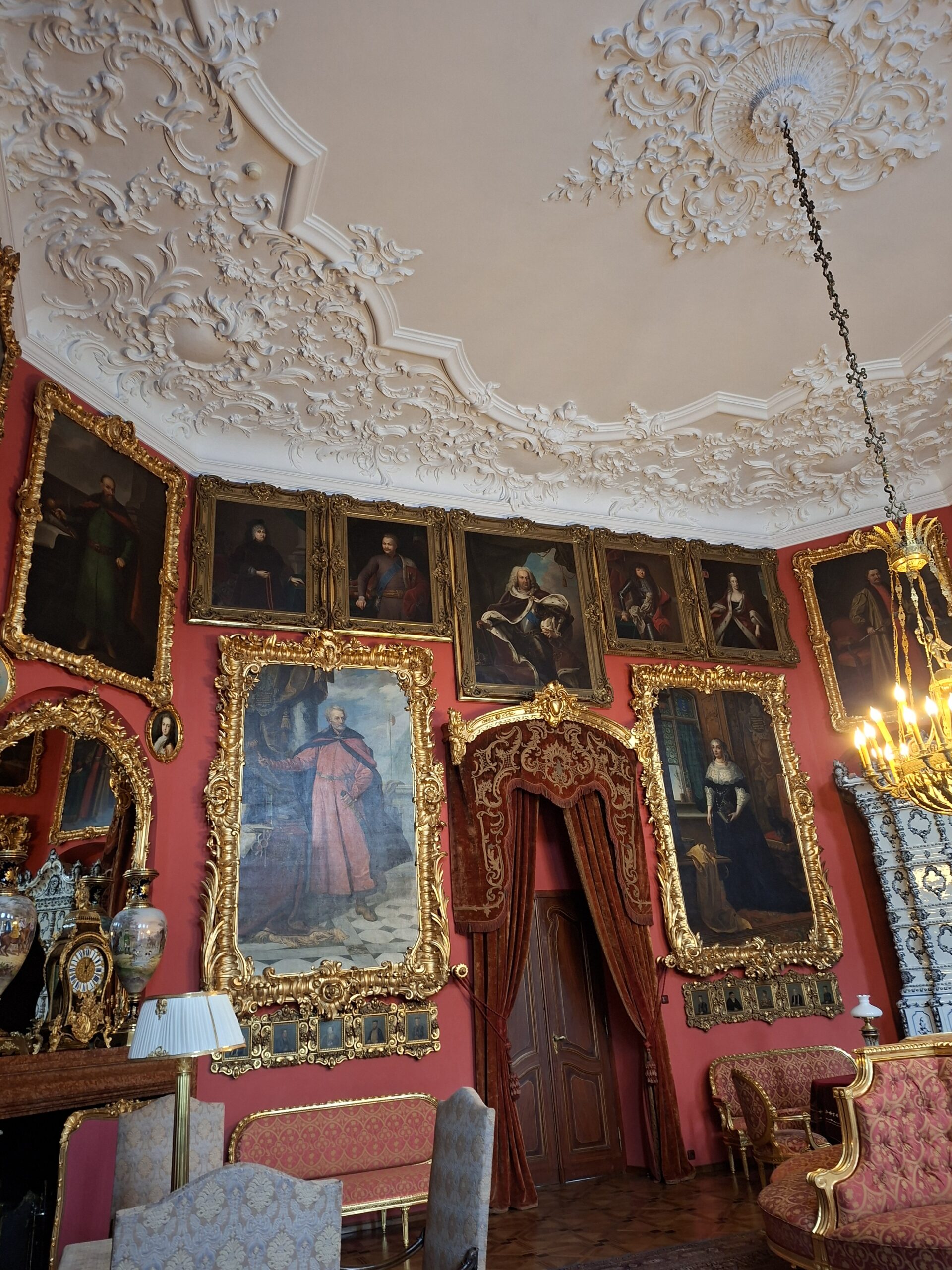
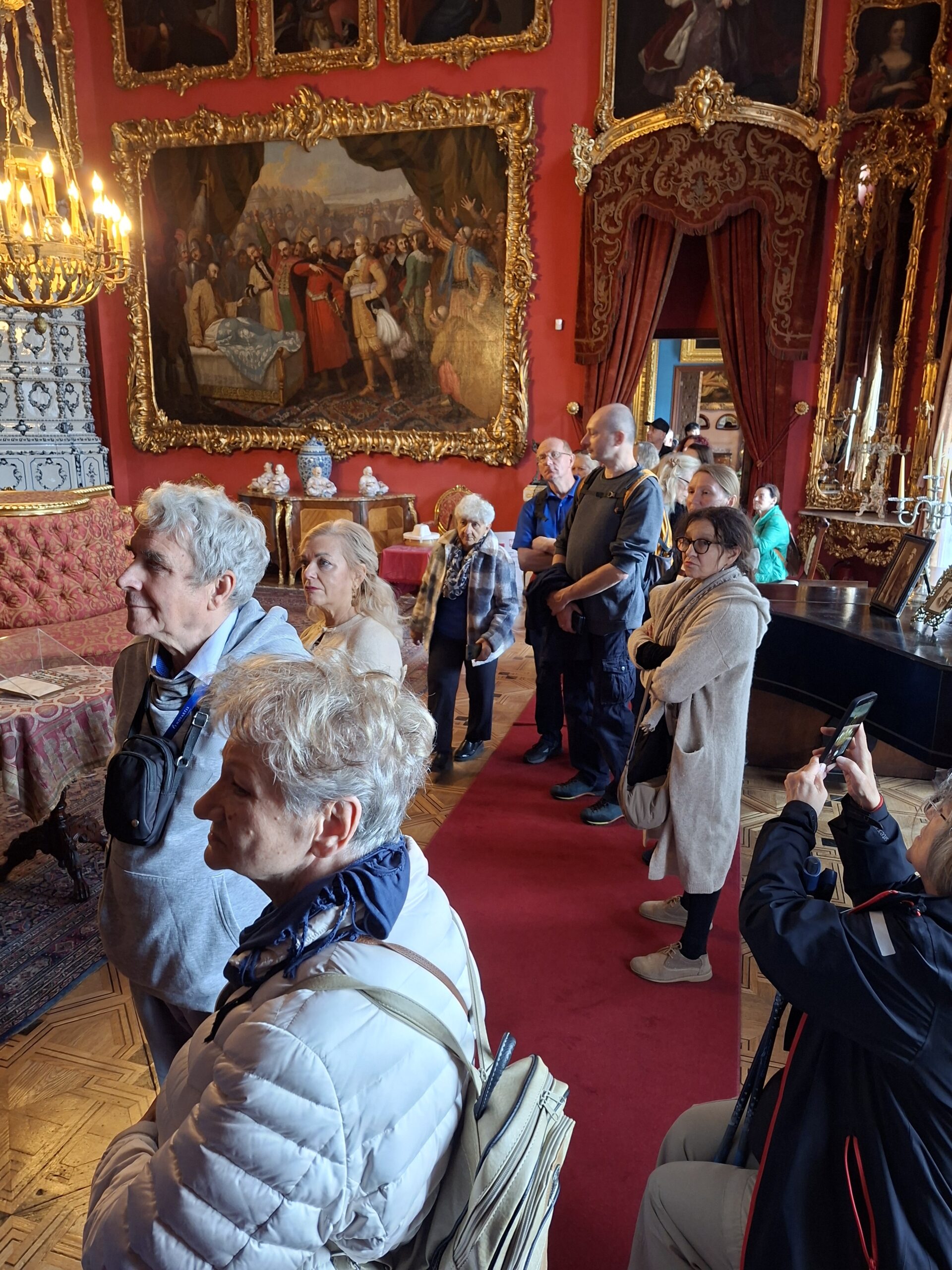
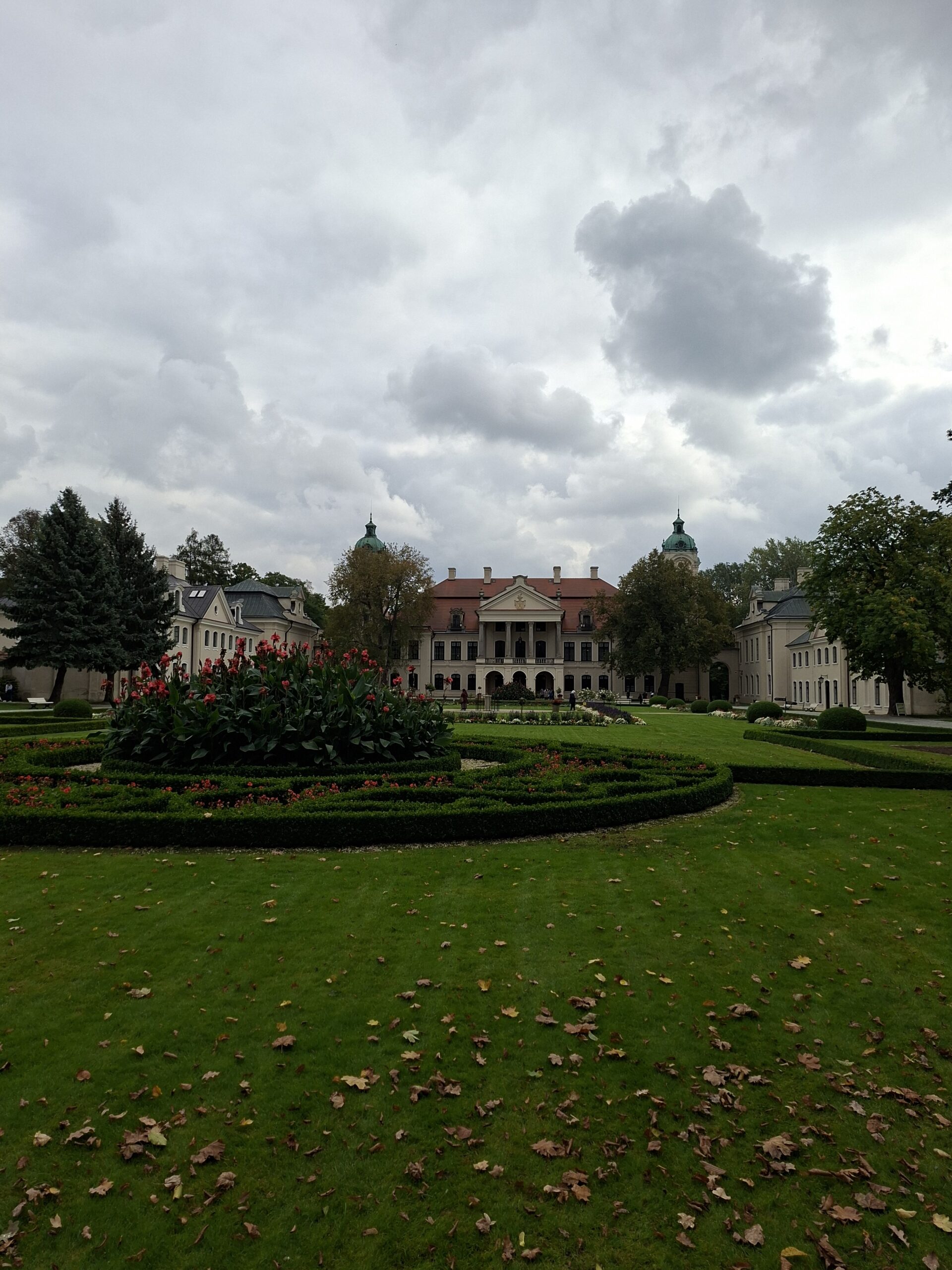
We then continued with a visit to the Zamoyski Museum, which was housed in one of the best-preserved palaces in Poland. During the tour, we learned about the history of the palace and the Zamoyski family. We admired the historic interiors, furniture, paintings and other furnishings. There was also time for a short stroll through the park surrounding the palace. After leaving the picturesque interiors behind, we continued our journey to Zamość.
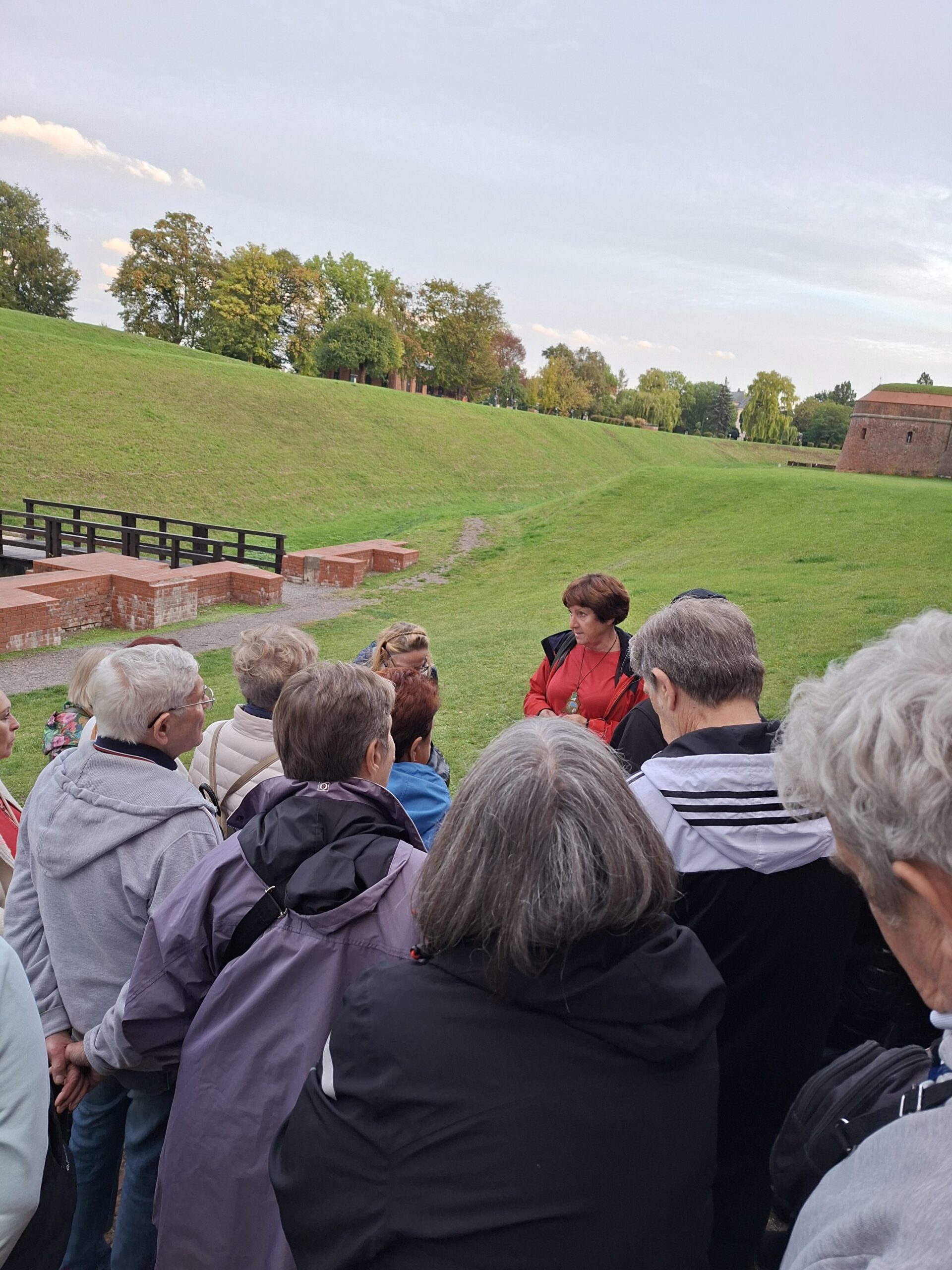
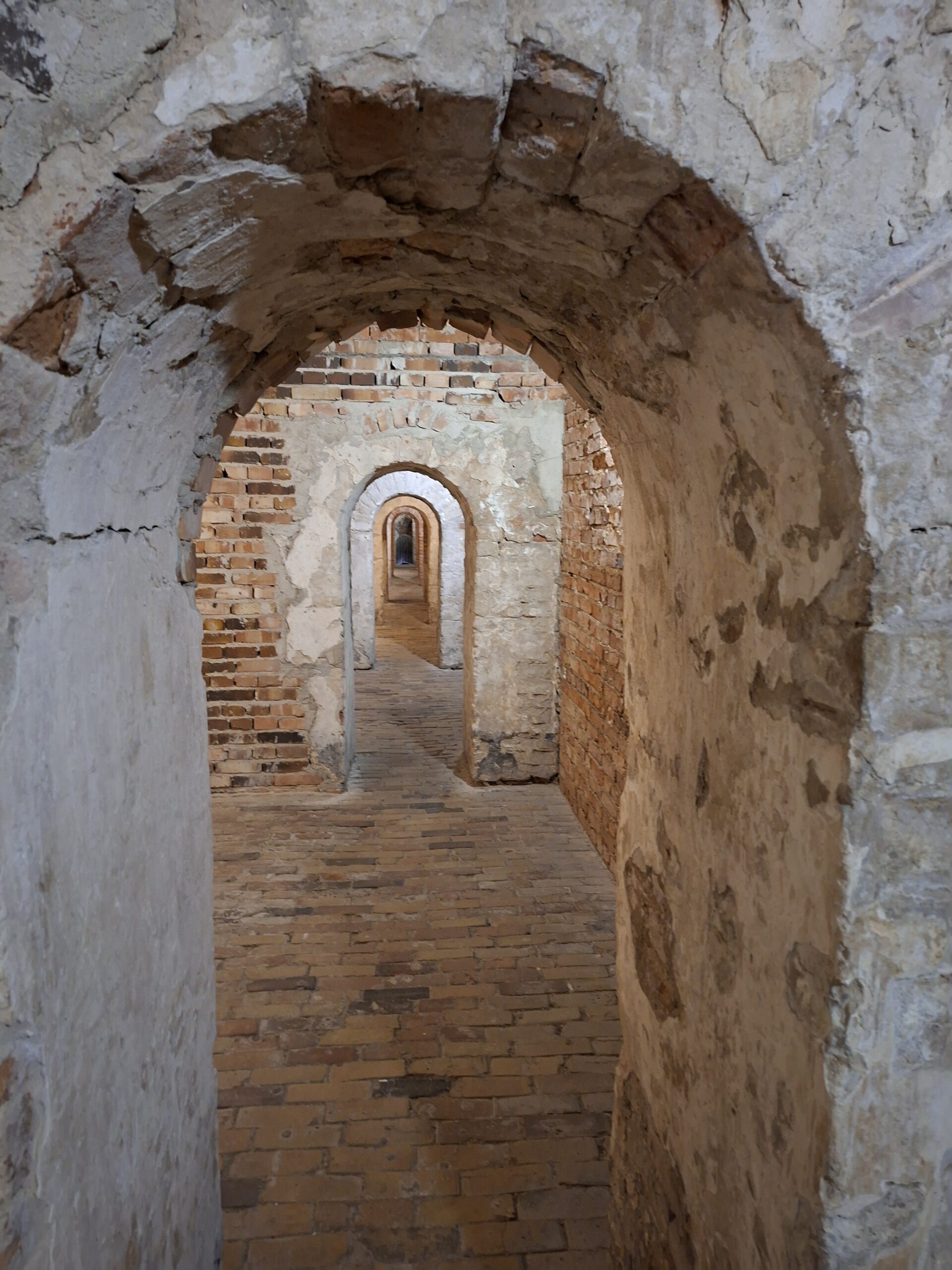
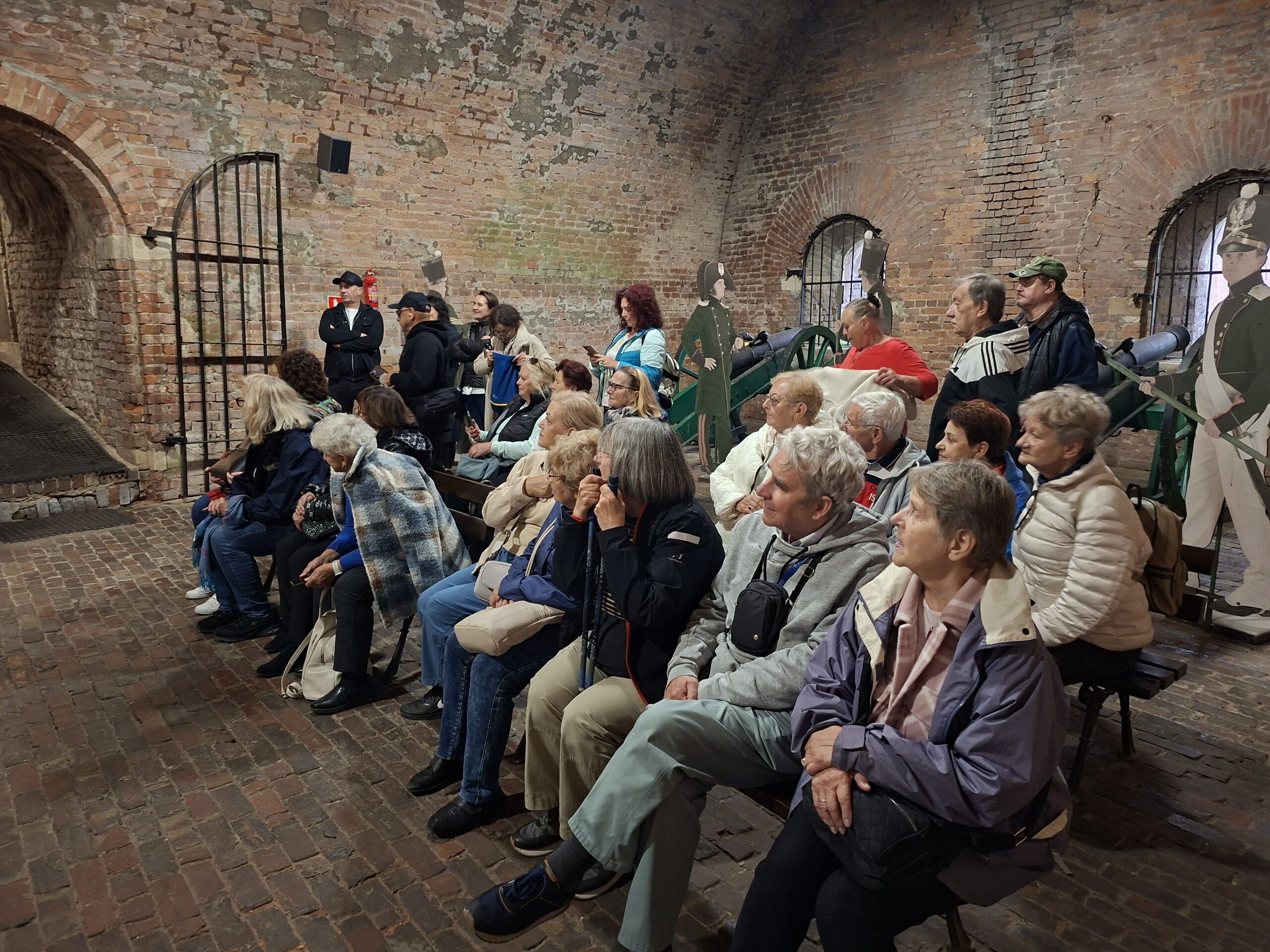
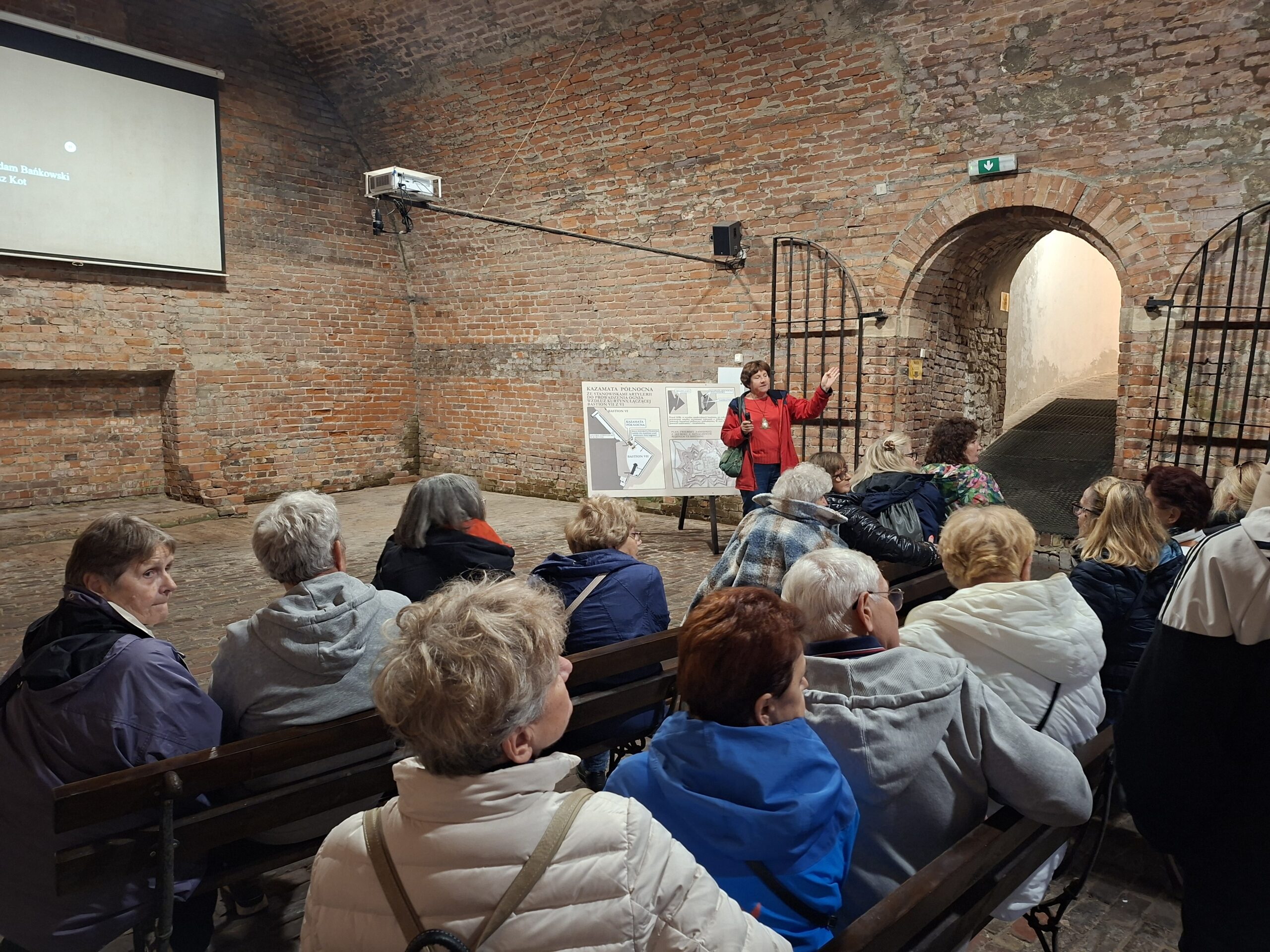
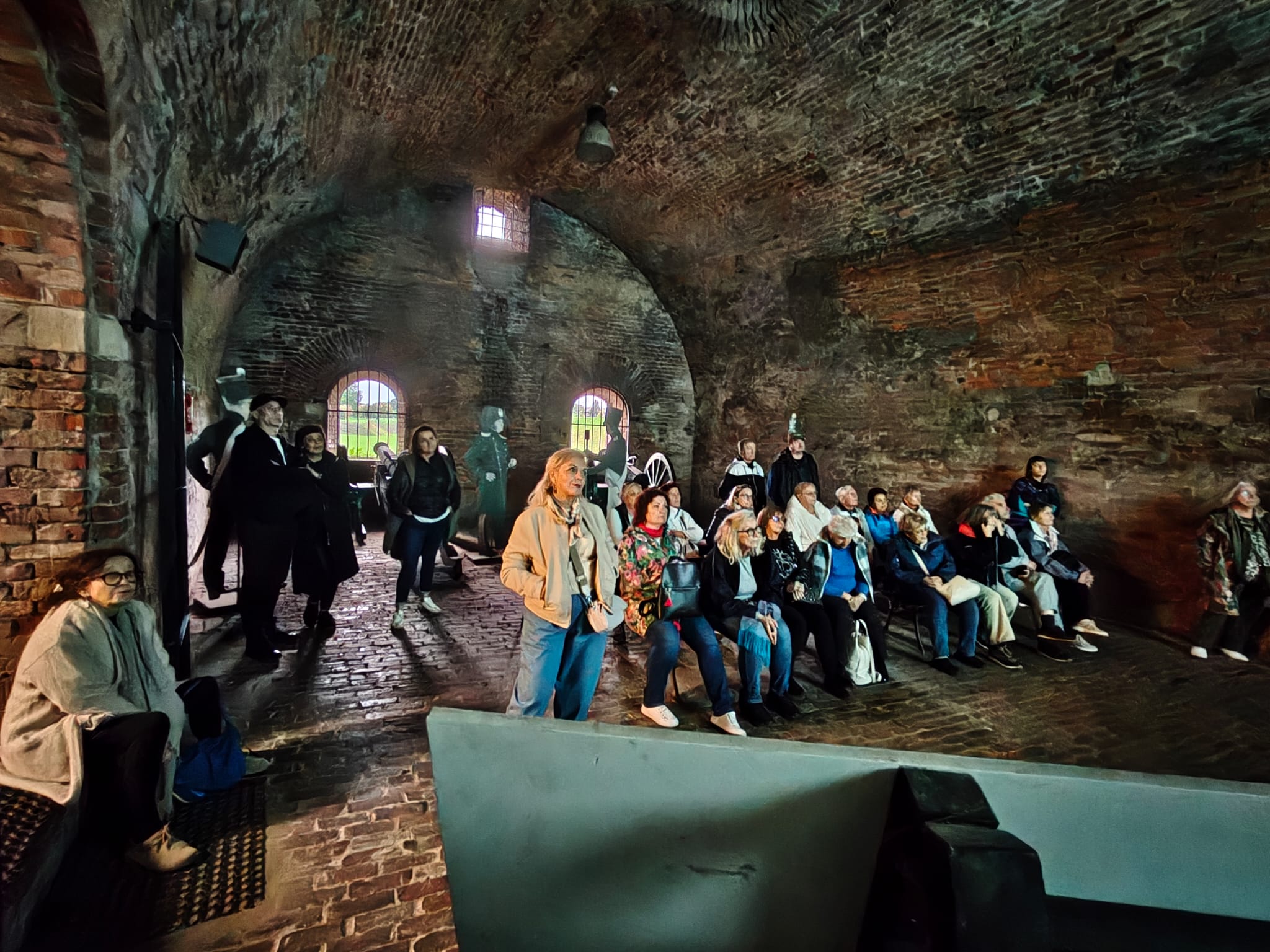
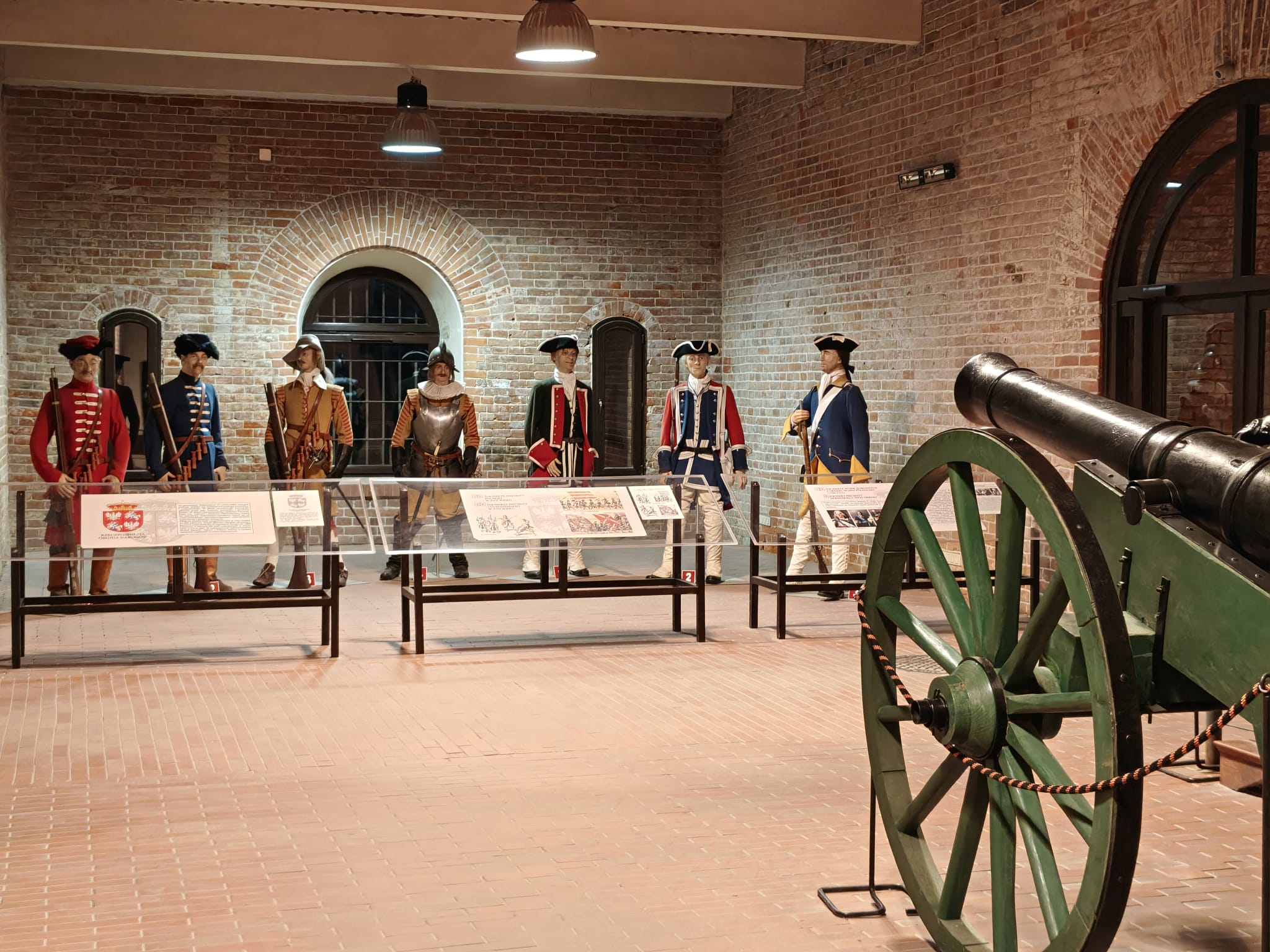
Upon arriving in Zamość, we headed first to the Nadszaniec, one of the most important parts of the city’s former fortifications. During the Bastion VII tour, we descended underground to explore the system of defences that had protected the city from its enemies during the past centuries. Walking through the underground passages gave us an insight not only into the technical aspects of the fortress’s construction, but also into the life of its ancient defenders.
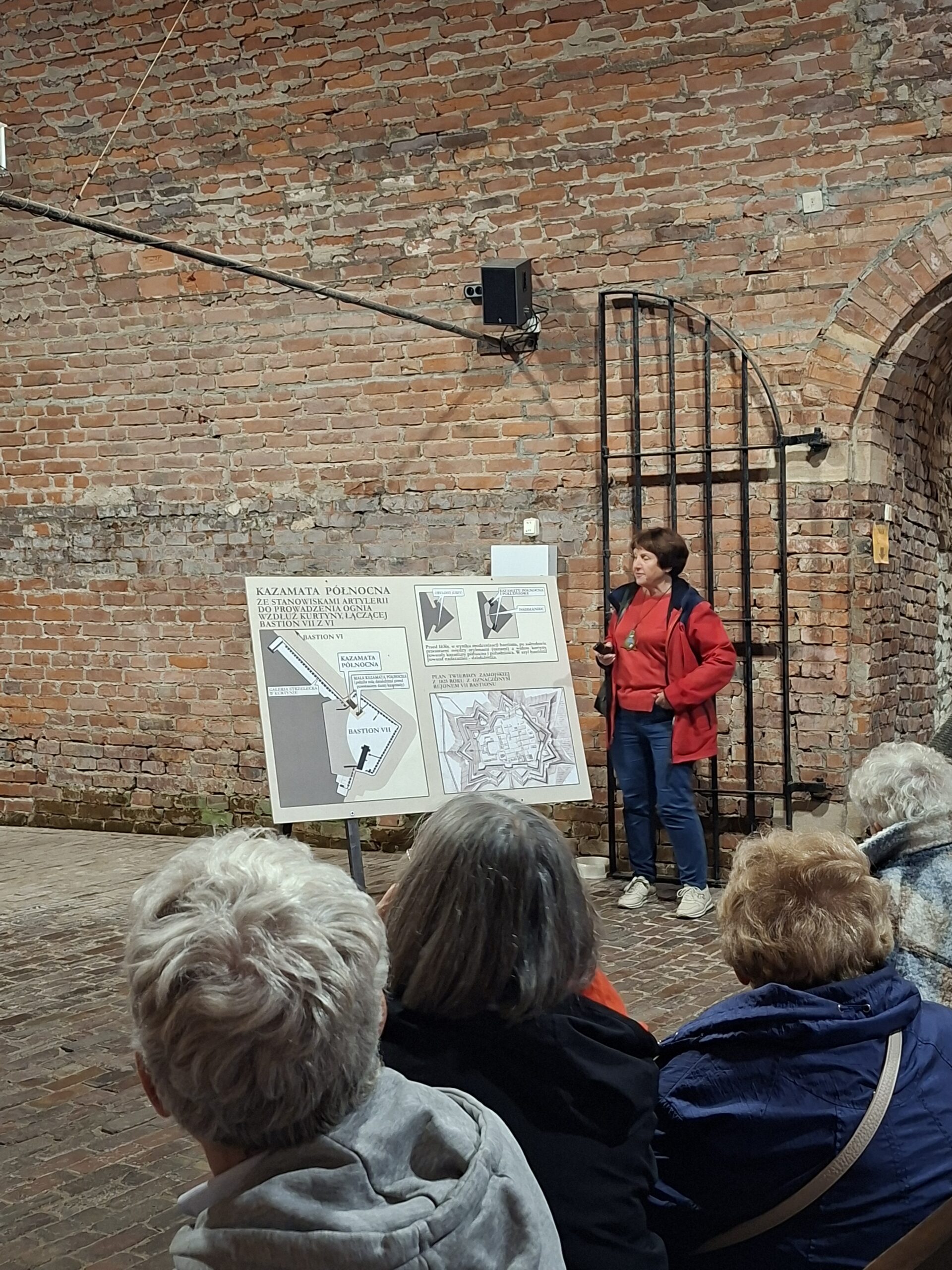
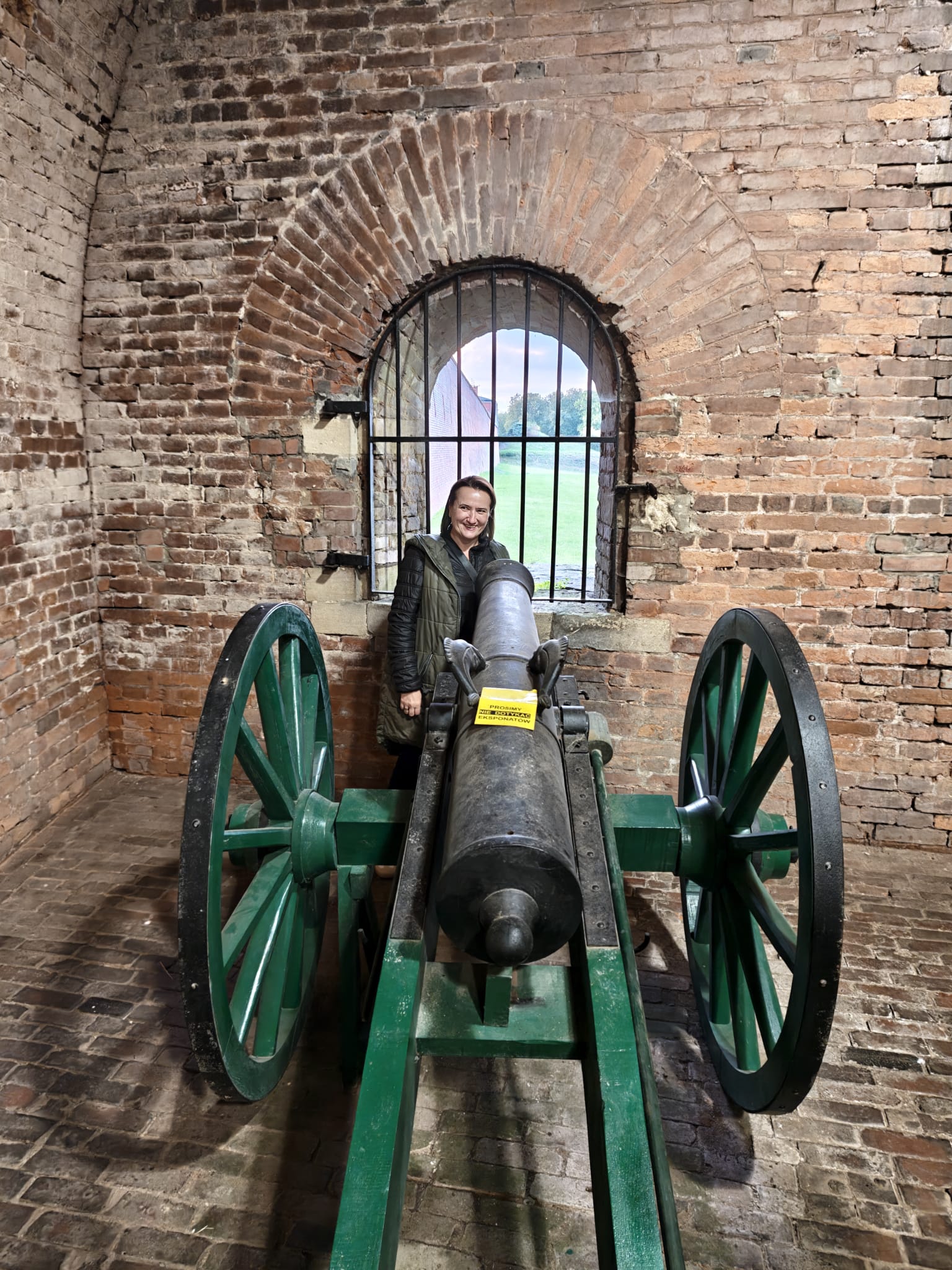
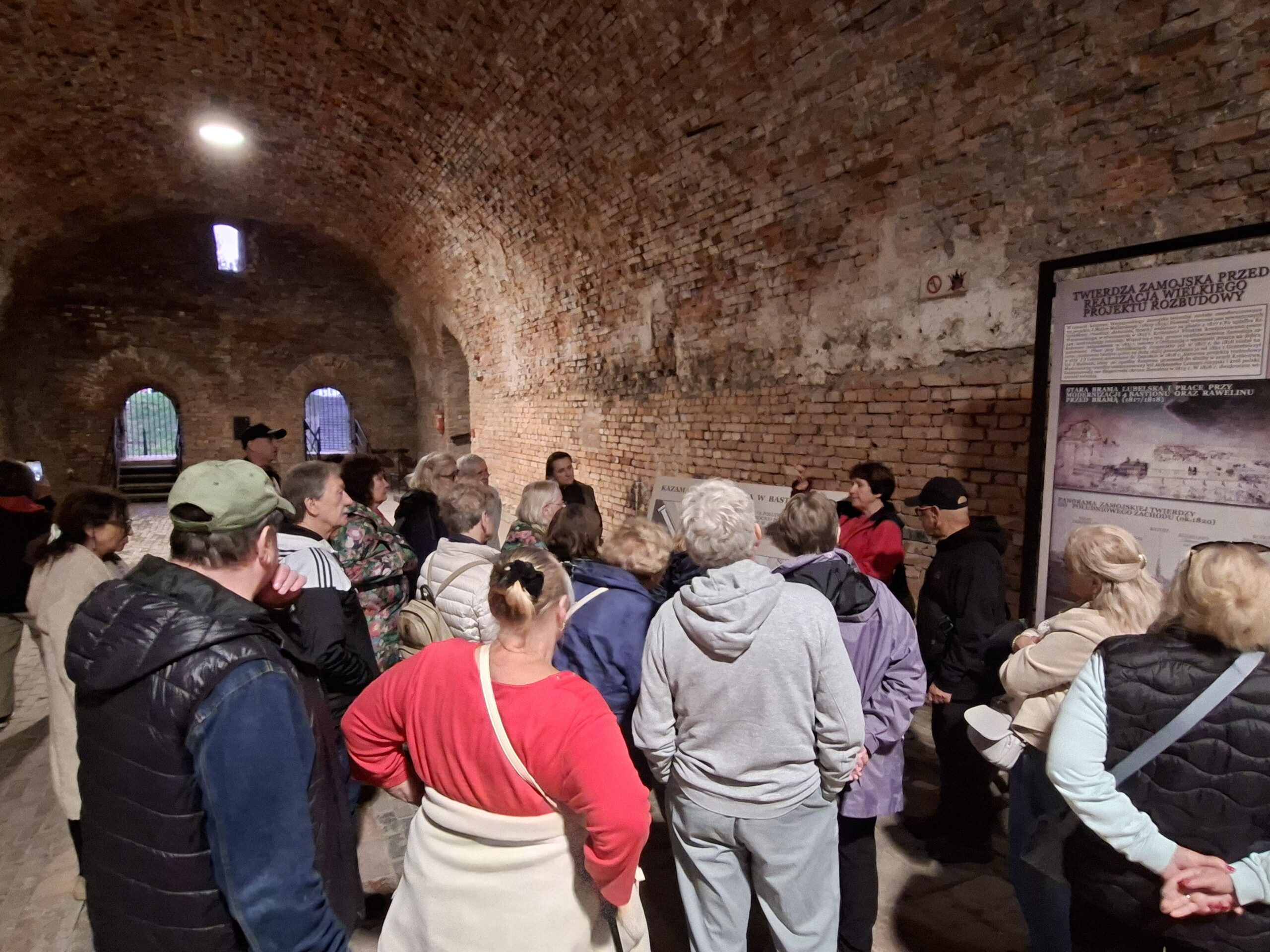
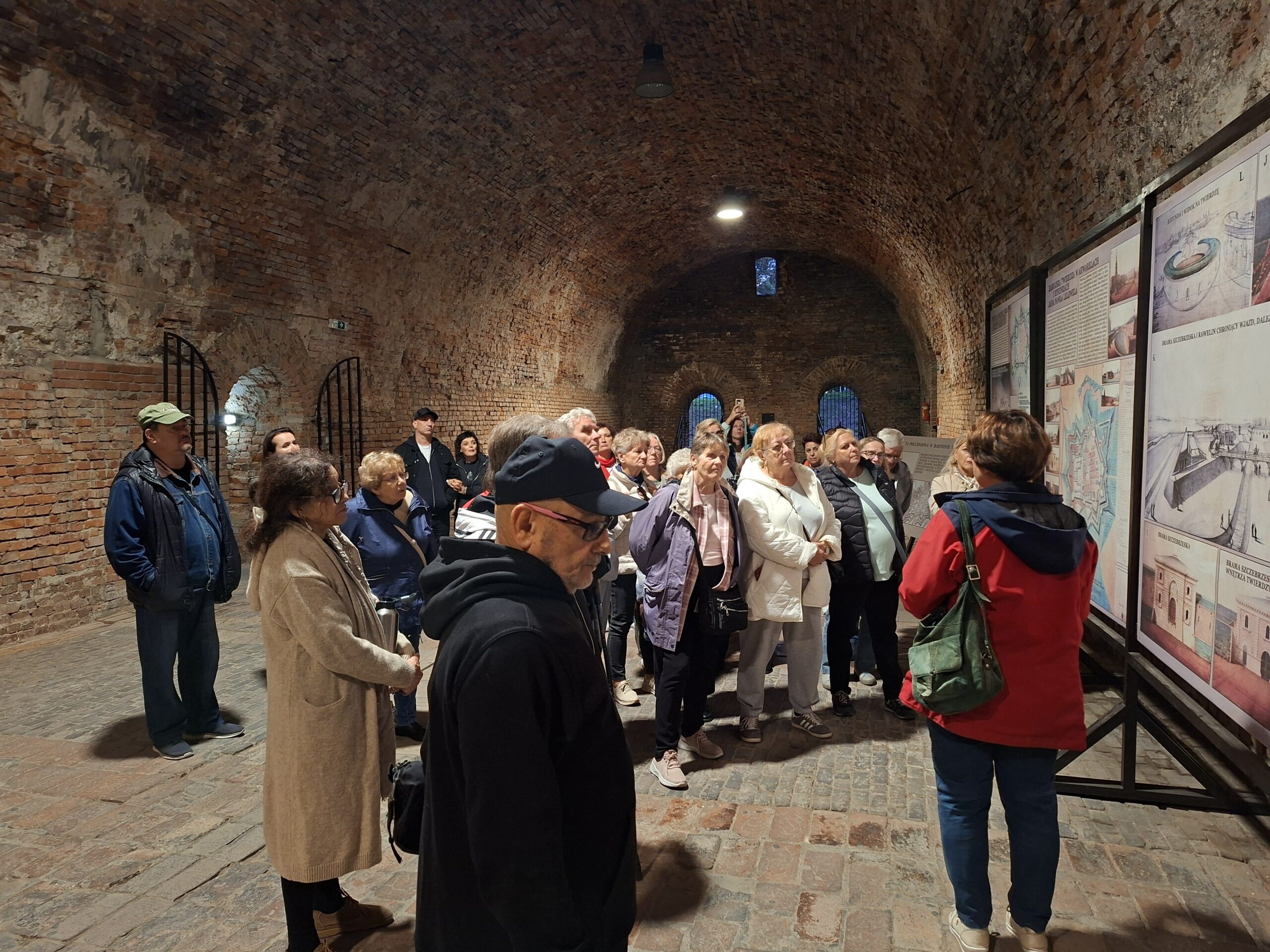
After emerging from the underground passages, we headed to the Hotel Zamojski, where dinner awaited us after a full and eventful day. It was a chance to share our first impressions and reminisce about the day. In the evening, everyone retired for a well-deserved rest, ready to recharge for another exciting day ahead.
Sunday, 27 September 2026
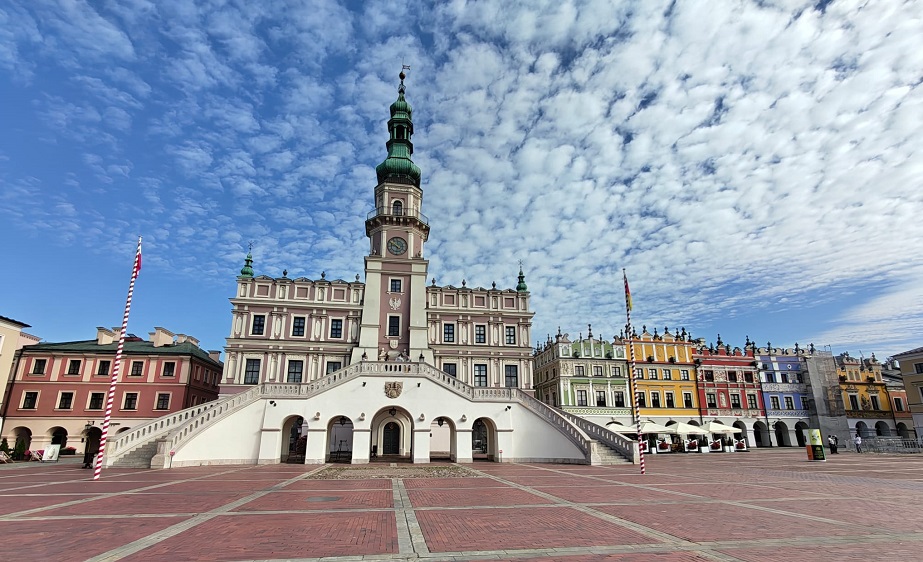
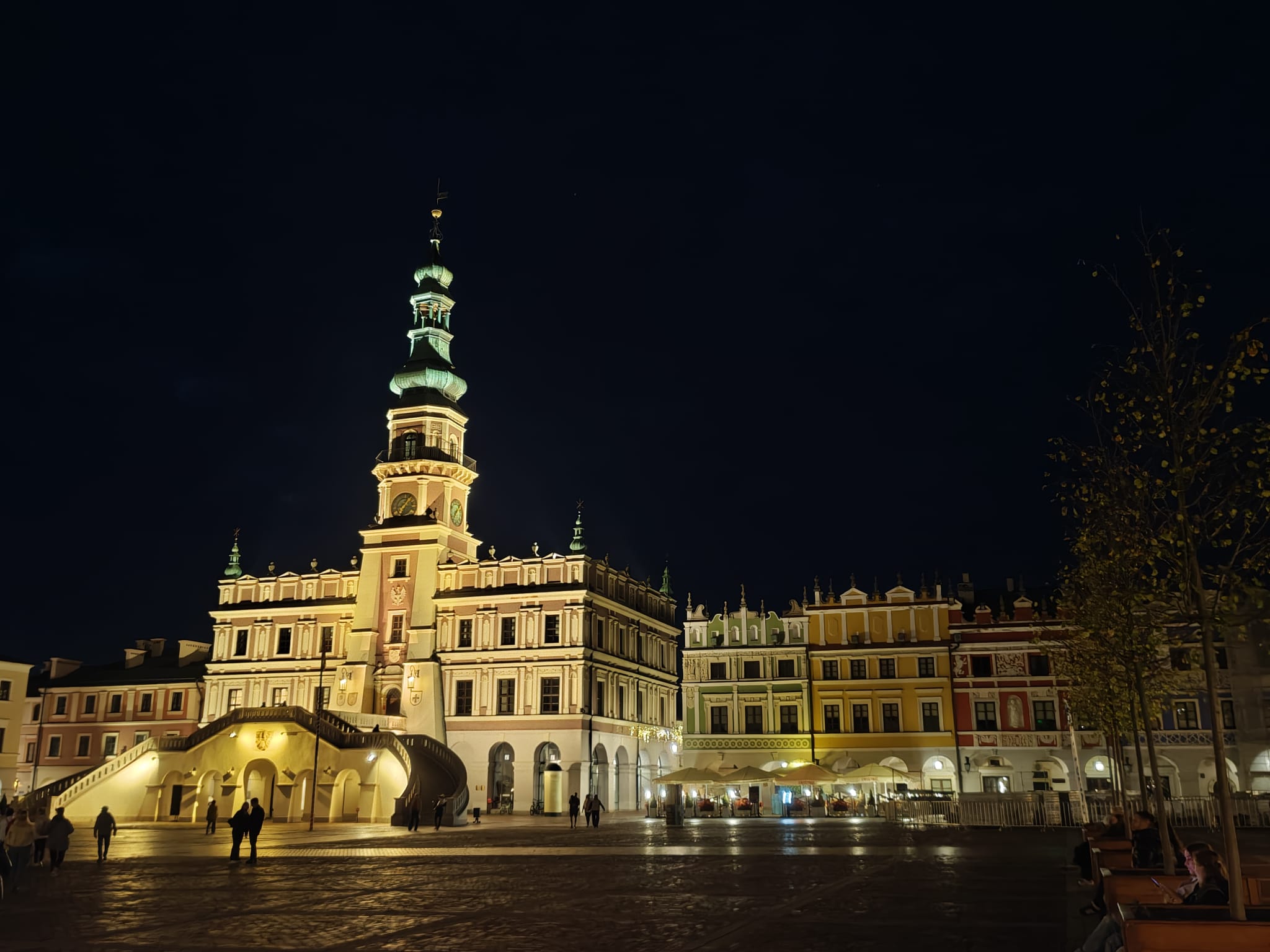
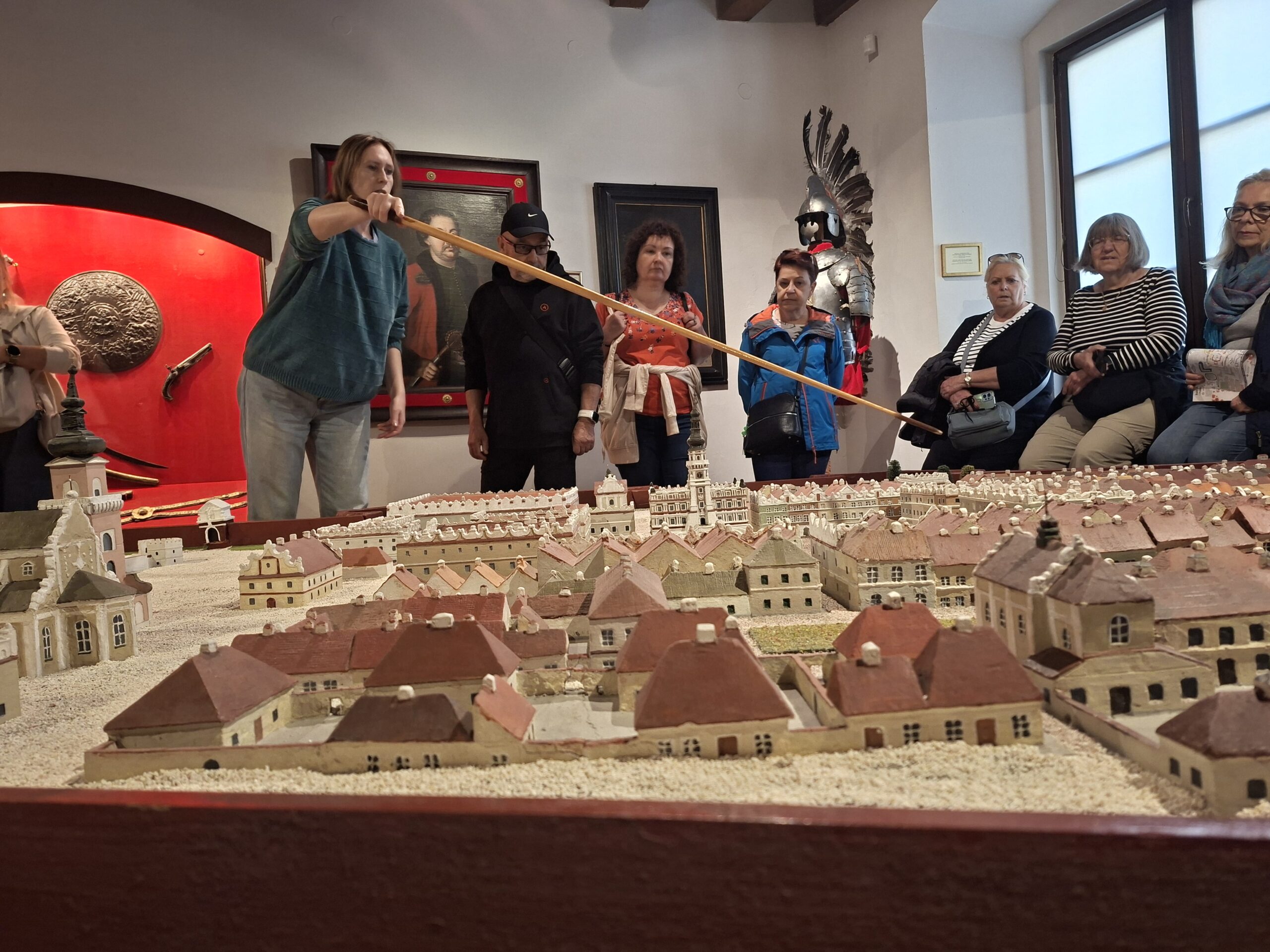
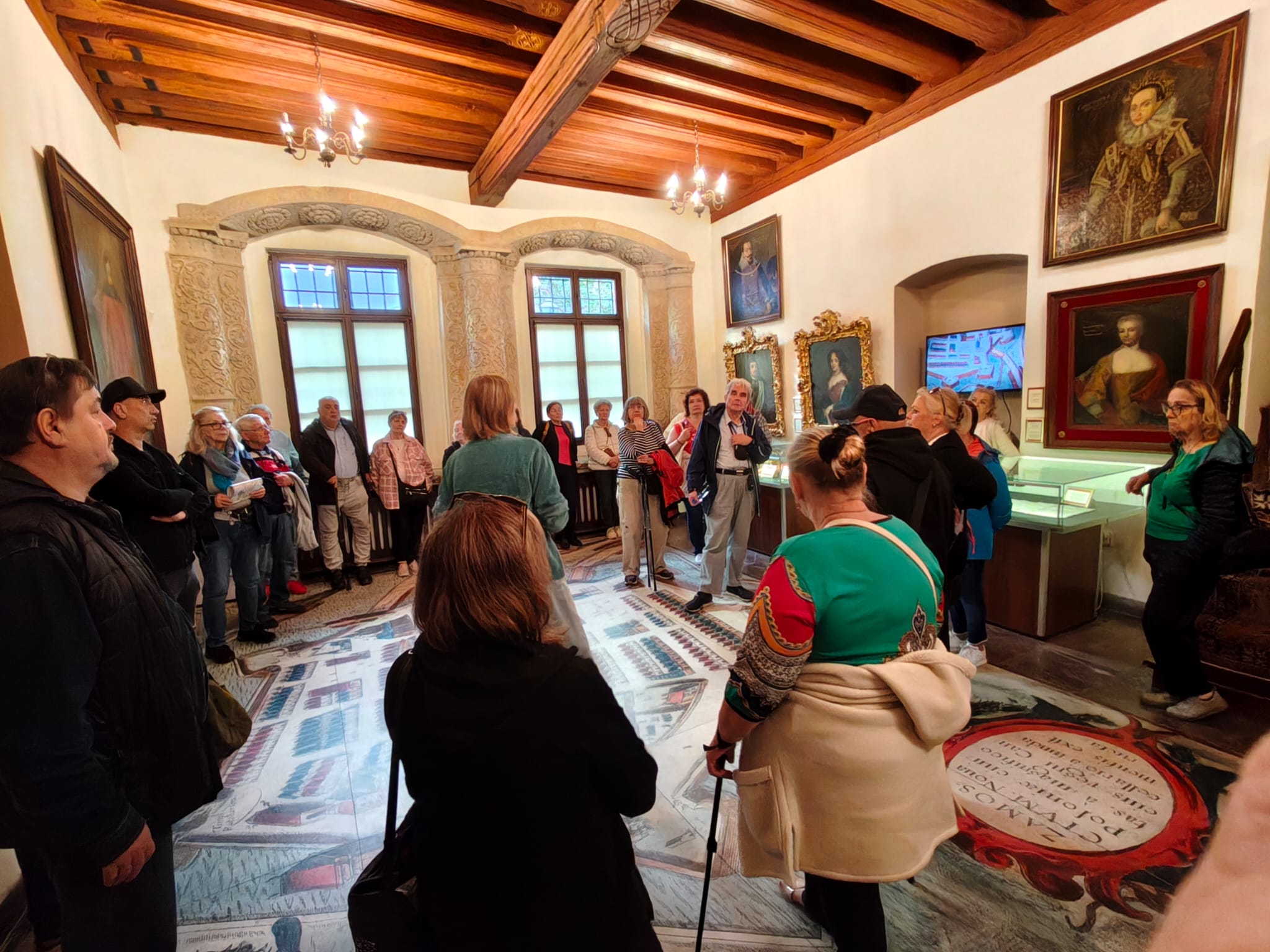
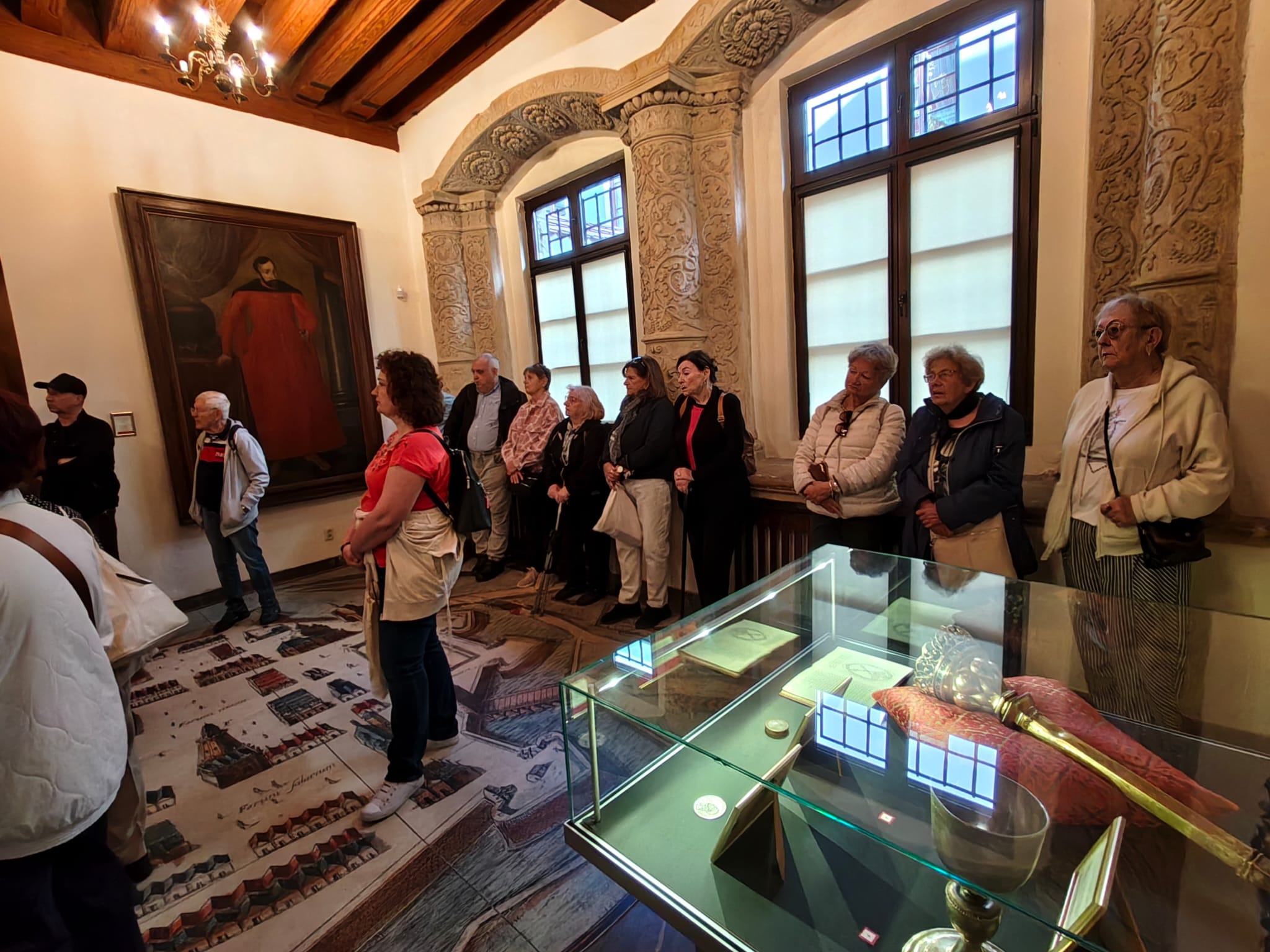
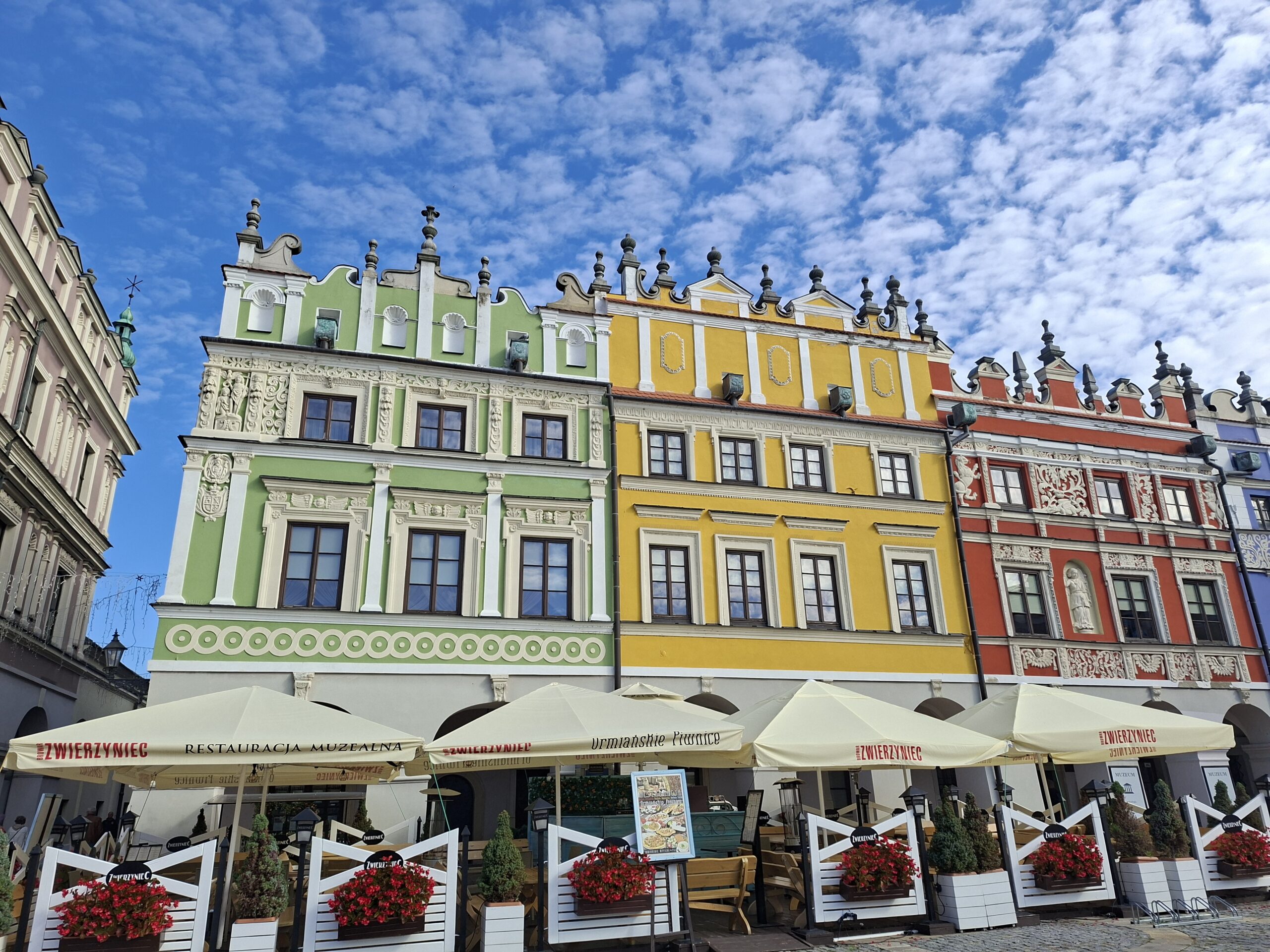
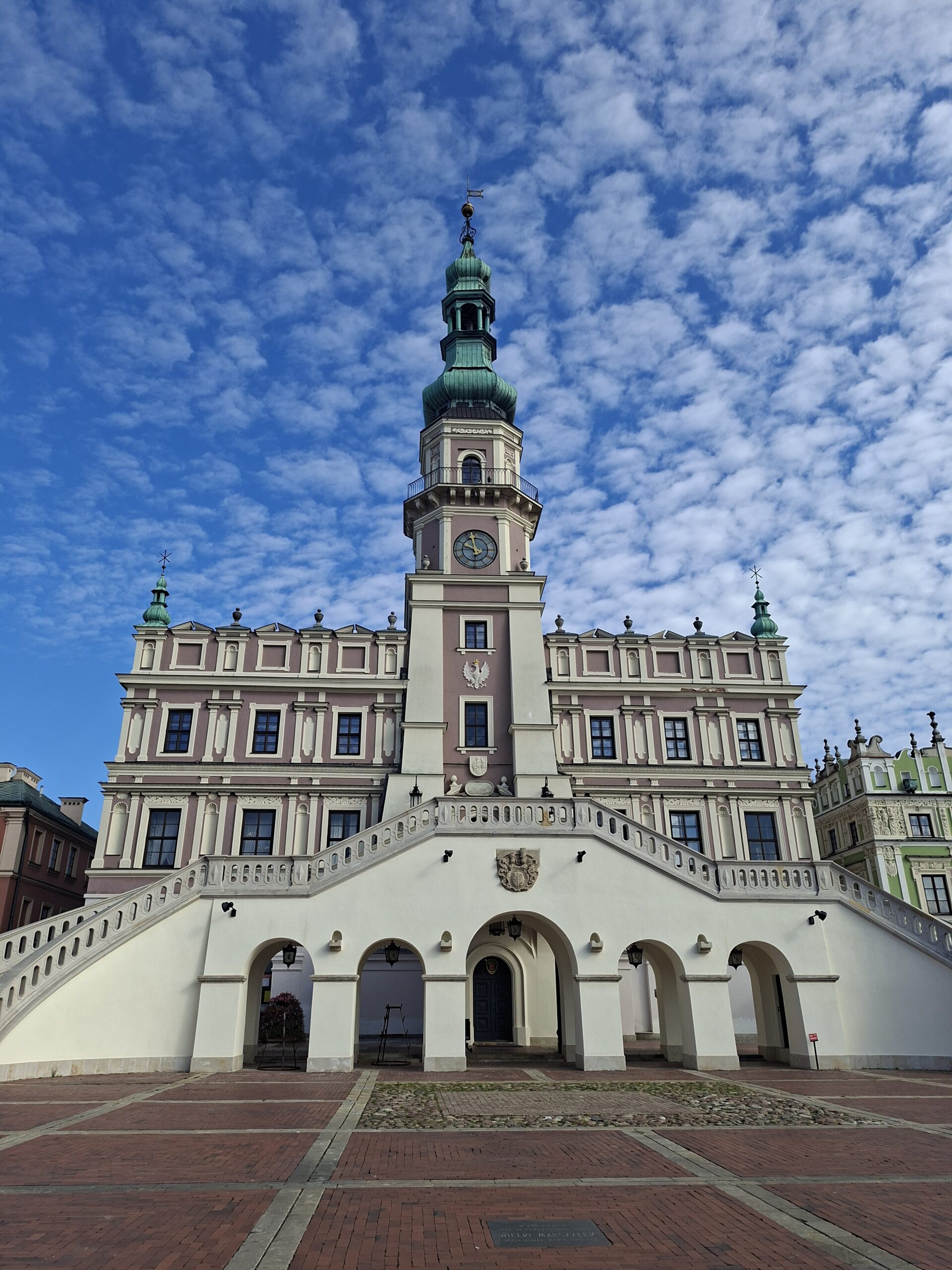
Sunday morning began with another dose of historical knowledge. We visited the Zamość Museum, housed in the historic Armenian Tenement Houses on the Main Square, where we learned about the story of the “perfect city.”
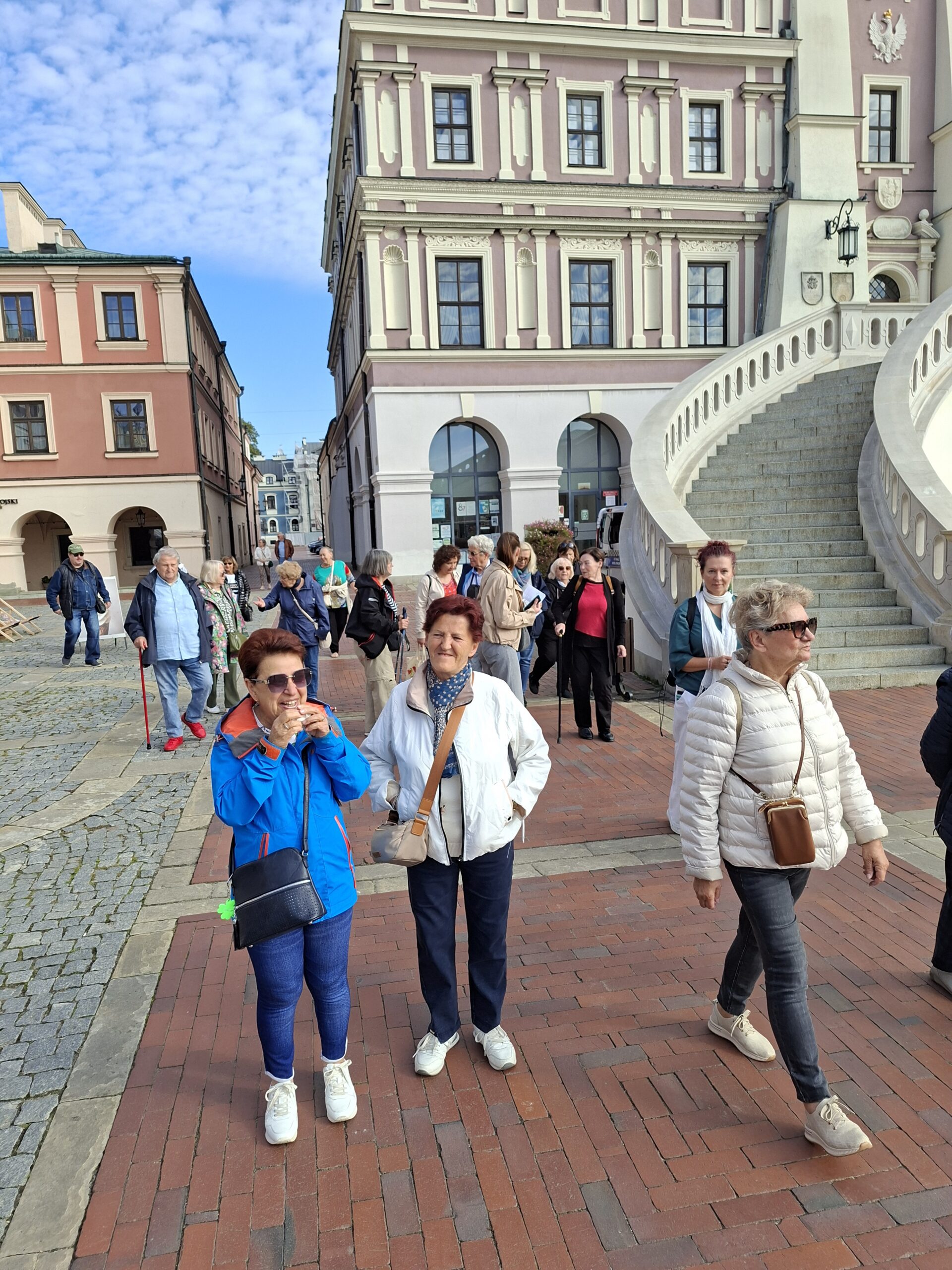
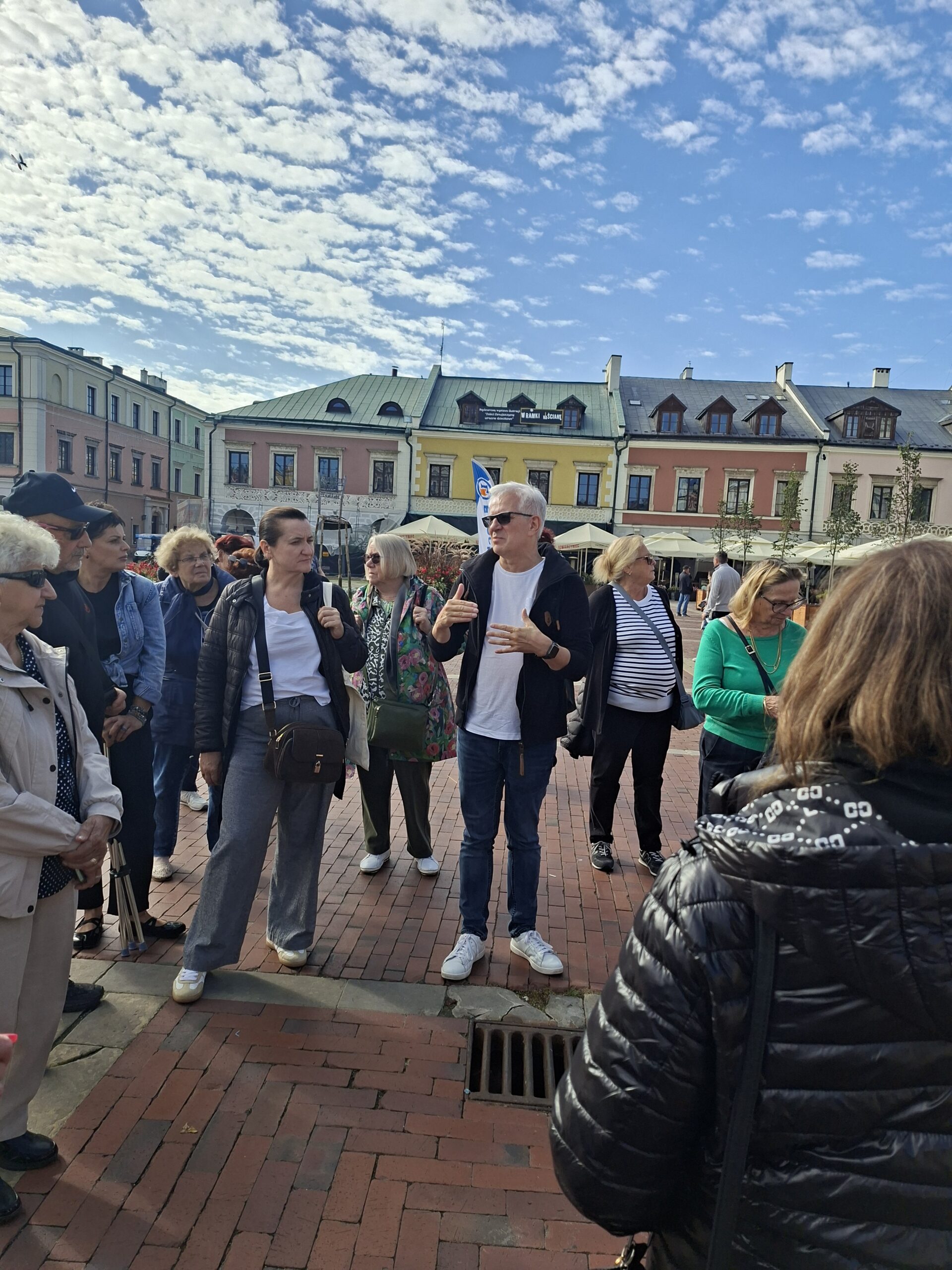
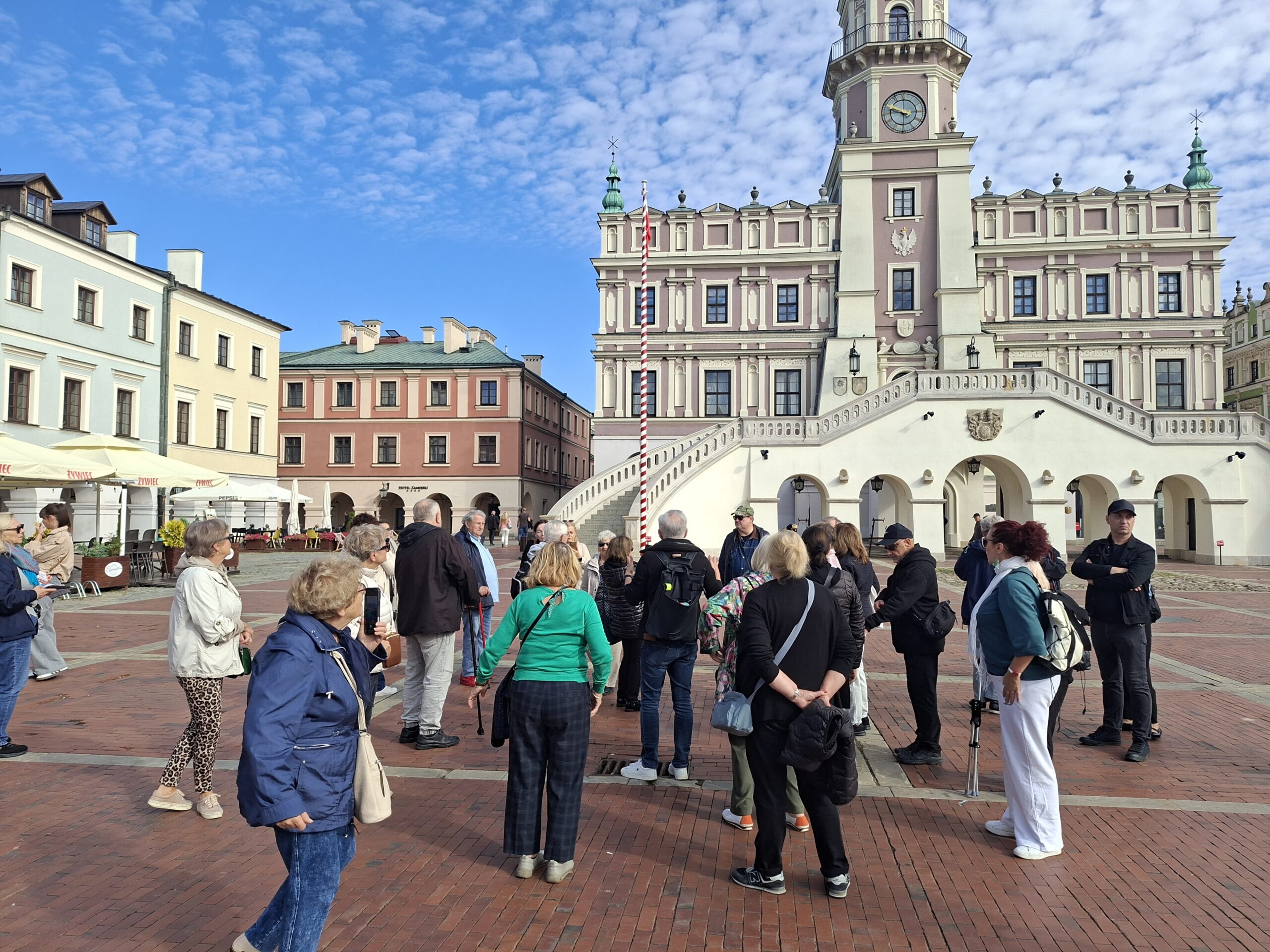
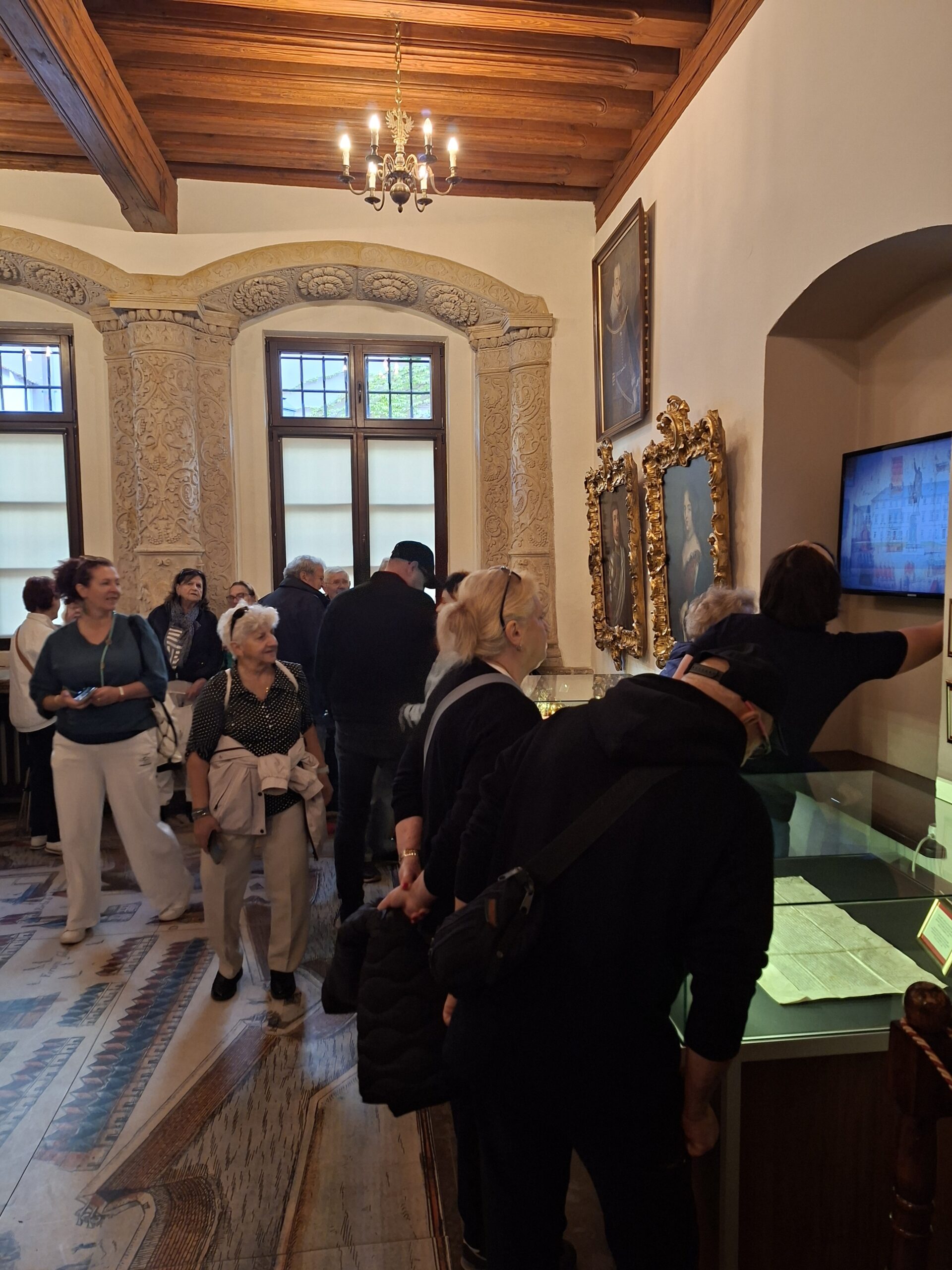
During our visit, we explored the history of Zamość, starting from its very origins, and everyday lives of its former inhabitants. We also learned about the Armenian community, which had been an important part of the city’s multicultural heritage since the 16th century. Primarily engaged in trade and craftsmanship, the Armenians played an important role in the city’s development.
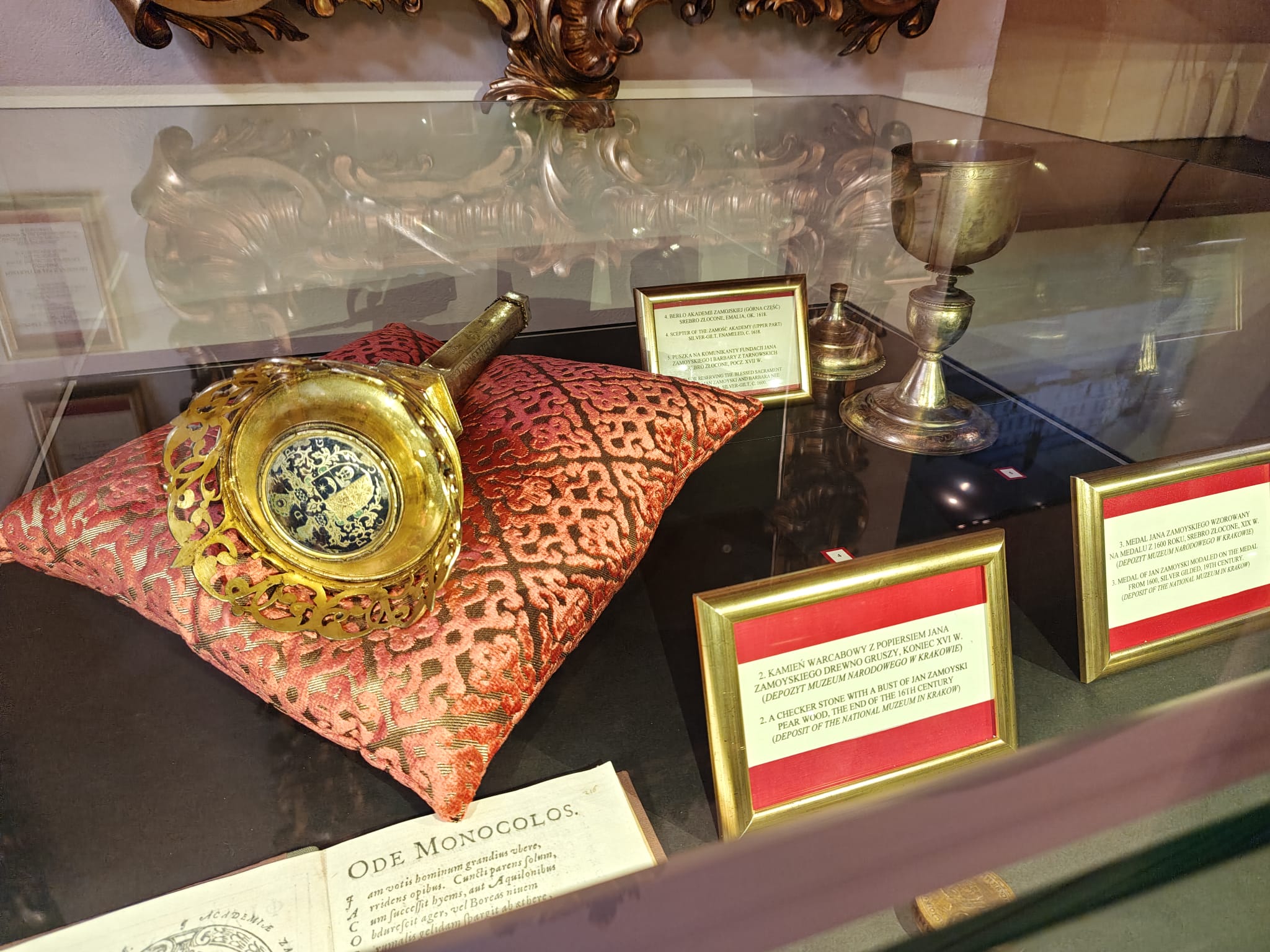
We also explored historic artefacts, works of art and original furnishings from the town’s old tenement houses, giving us a closer glimpse into the everyday lives of the city’s residents in past centuries.

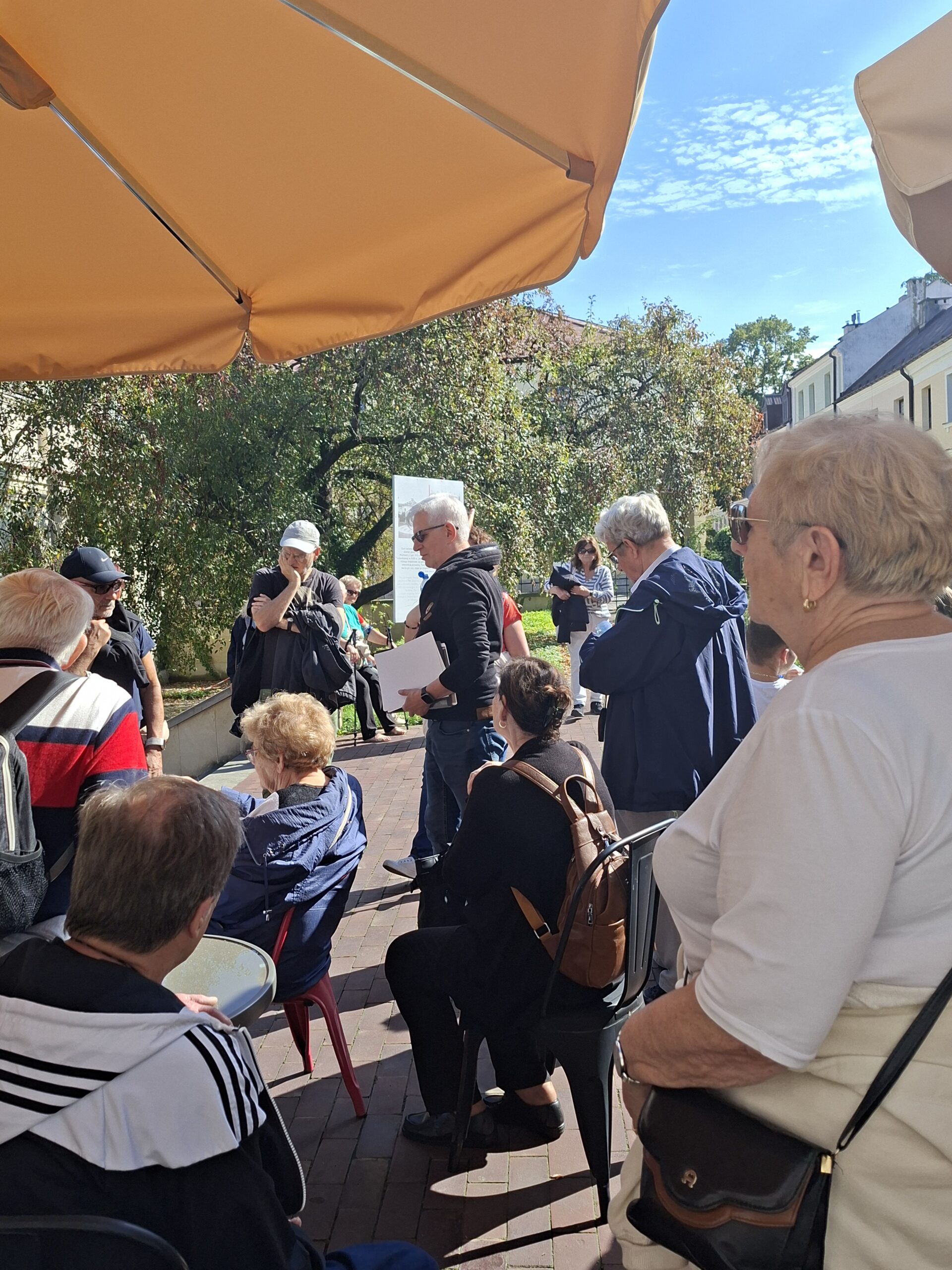
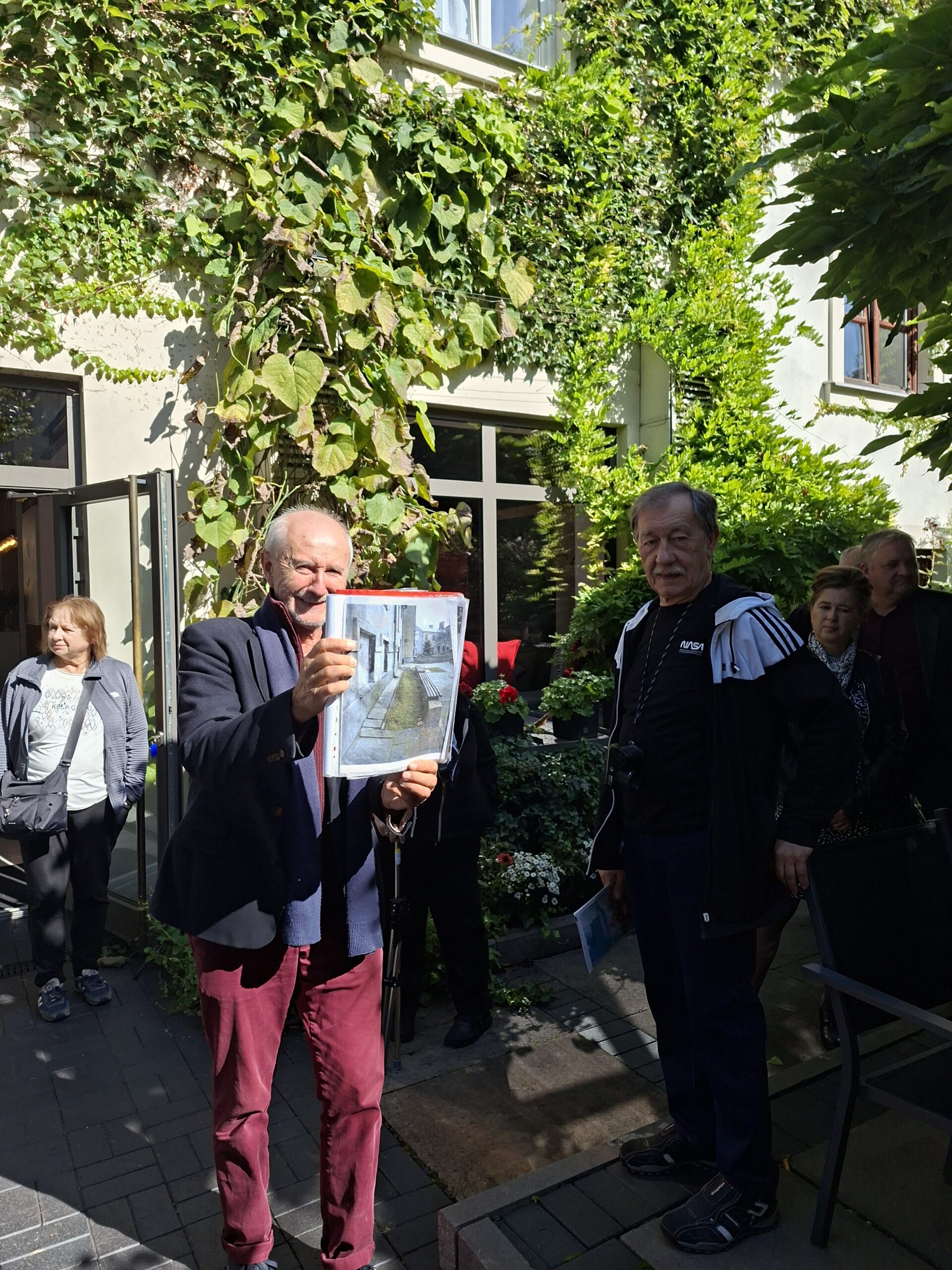
Our next stop was a walk through the streets of Jewish Zamość, following in the footsteps of the city’s Jewish heritage. Local teacher and social activist Marek Kołcon, involved in educating young people and the local community about the history of the Jews in Zamość, told us about the history of the city and its inhabitants. His stories allowed us to see Zamość as a place where different cultures, religions and traditions had come together over the centuries.
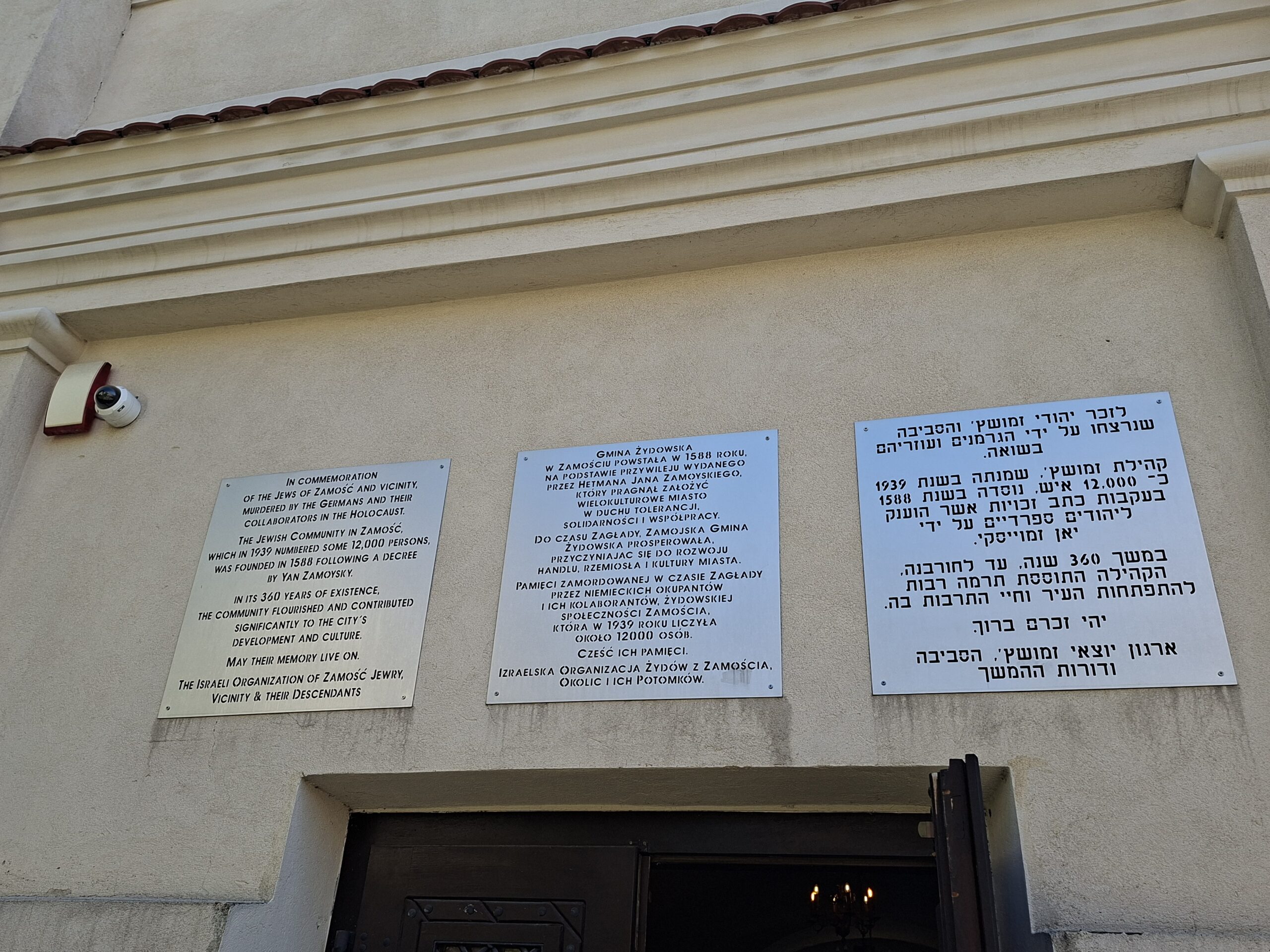
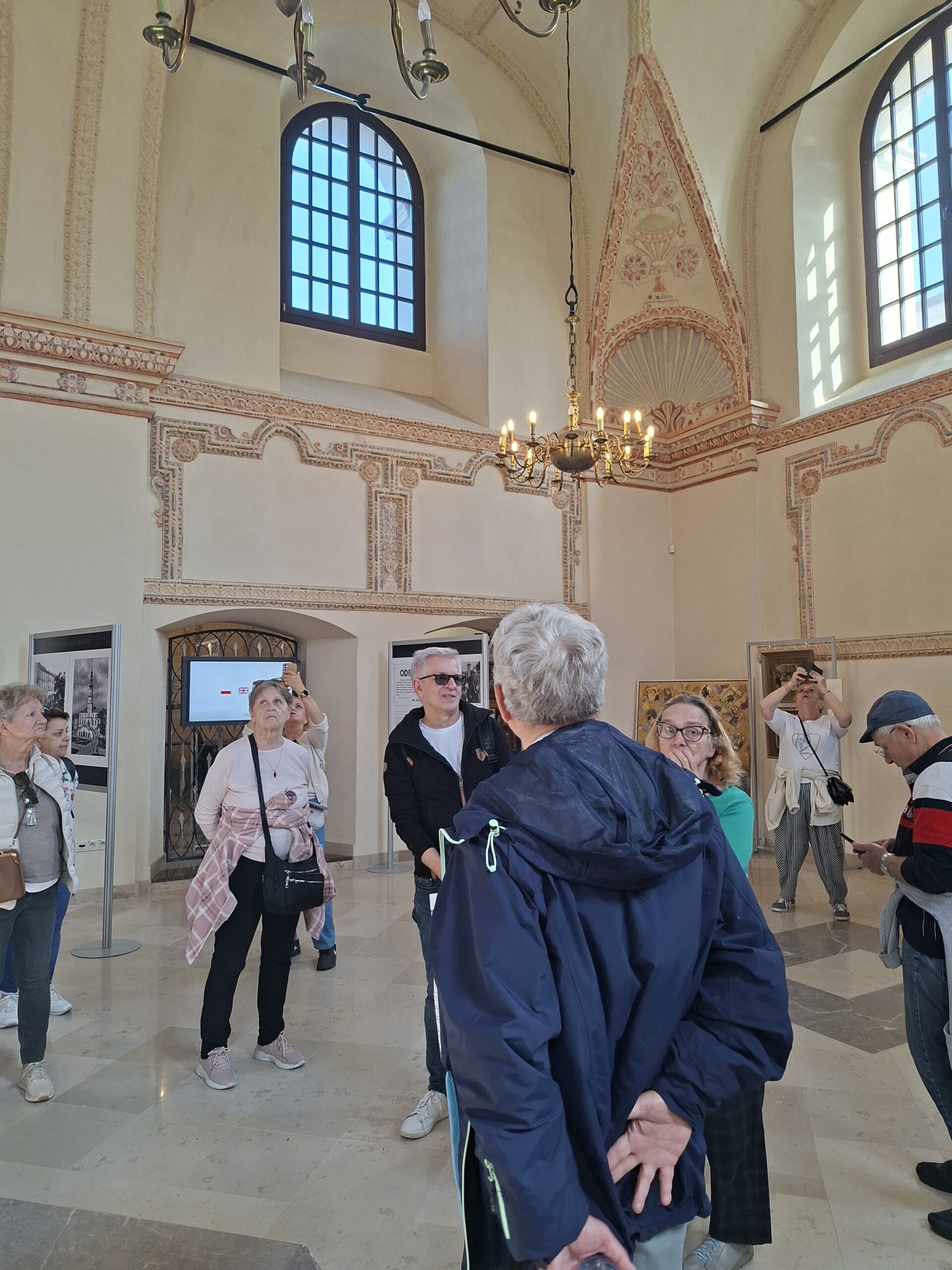
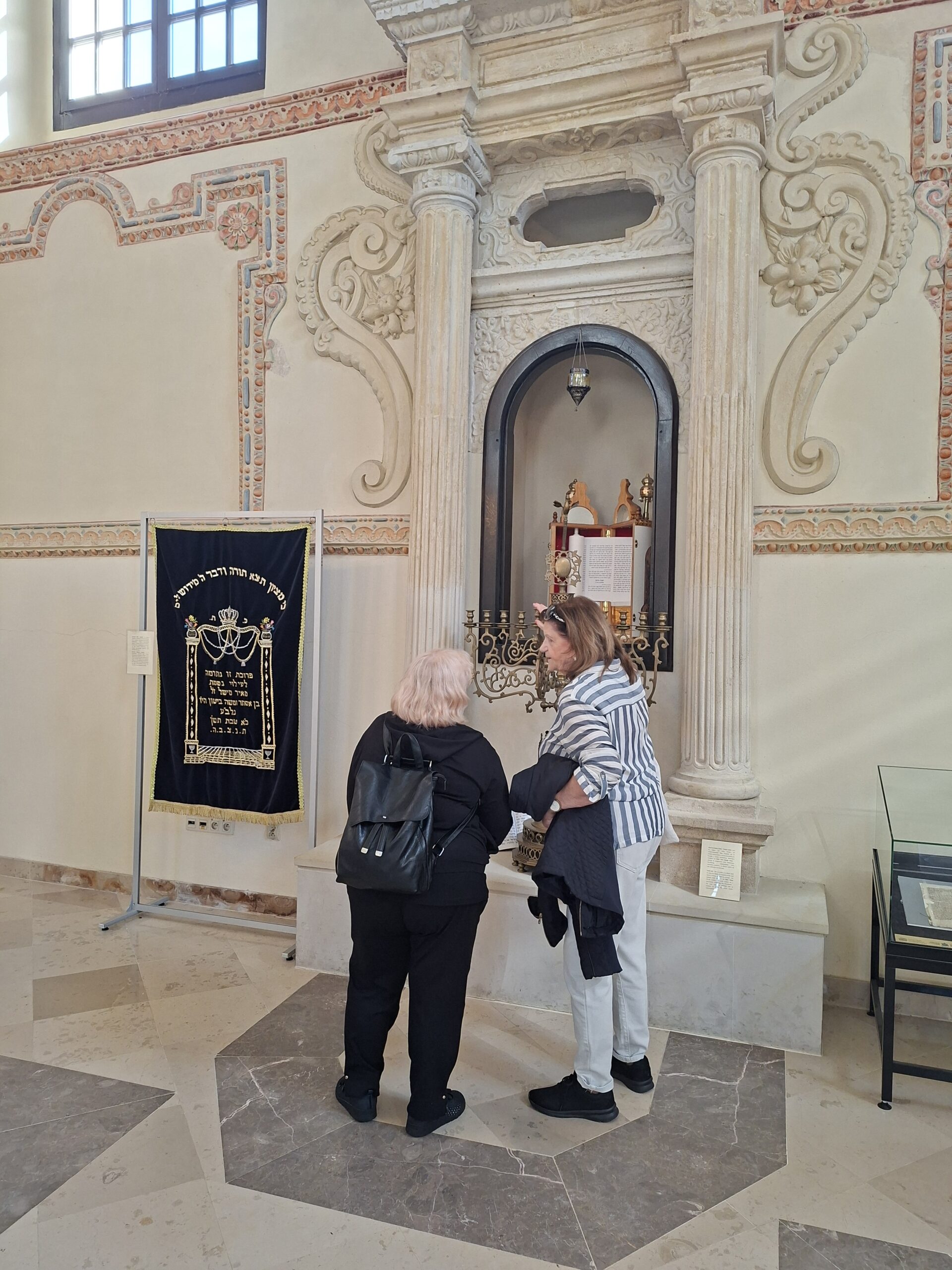
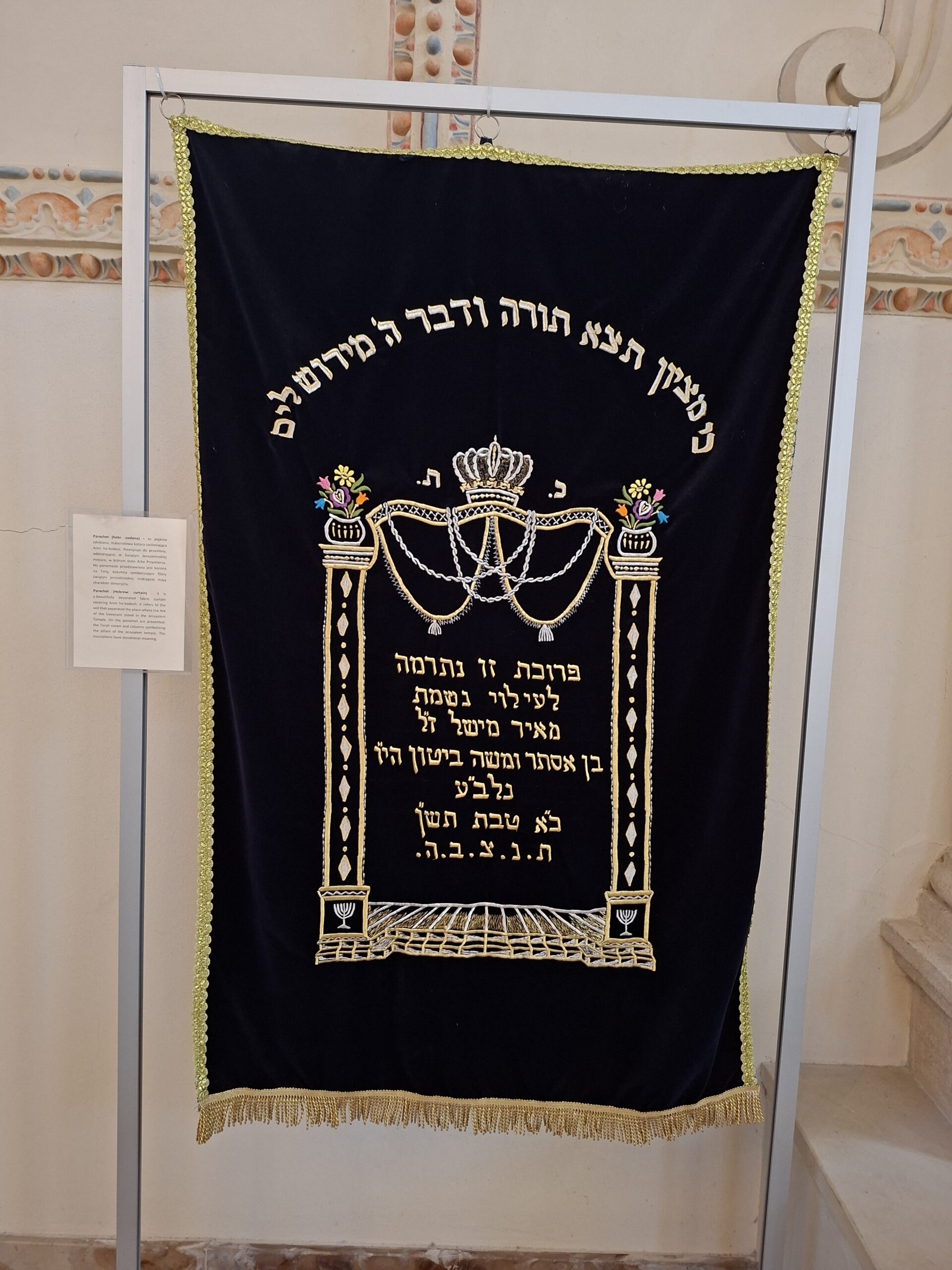
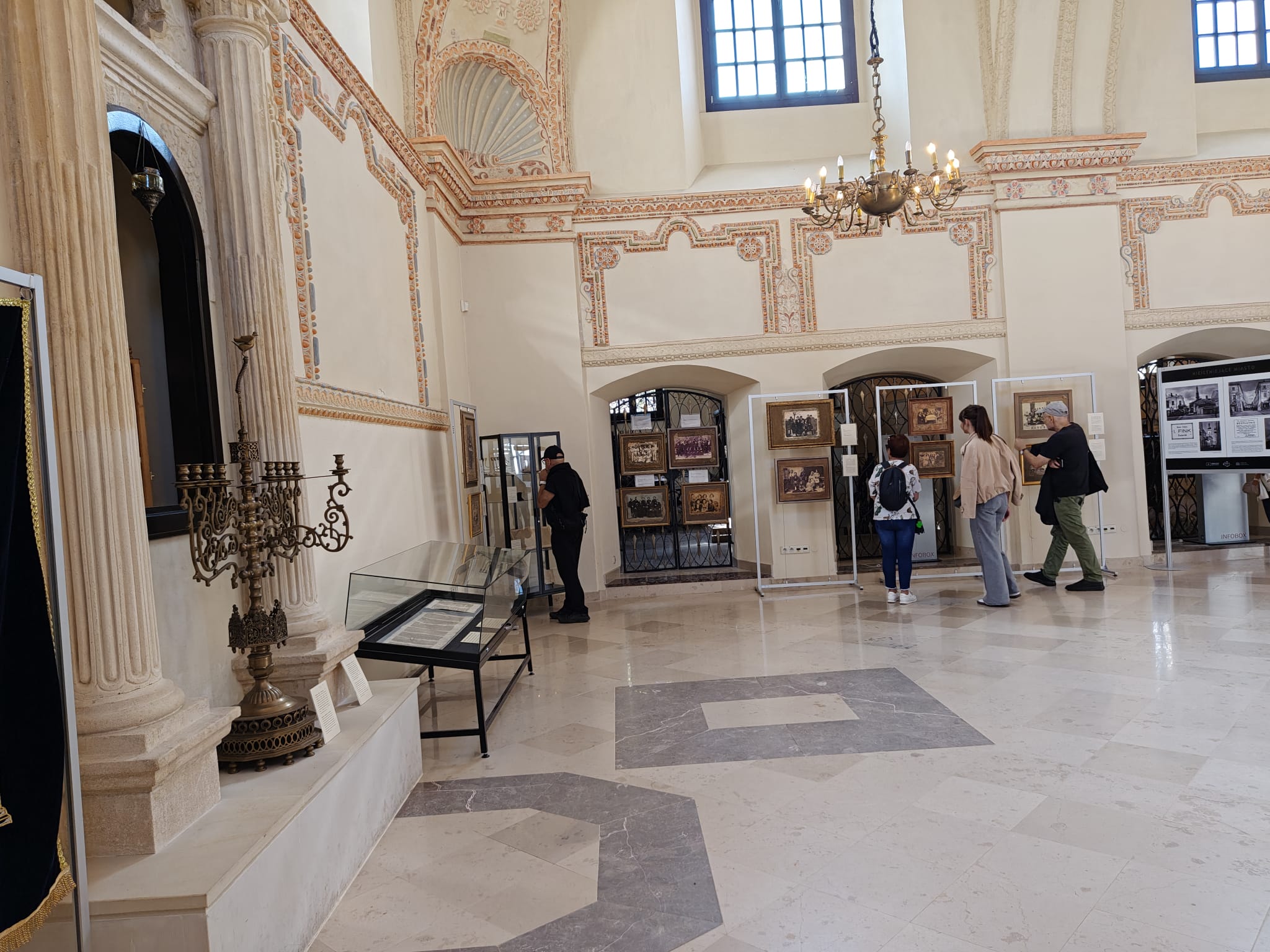
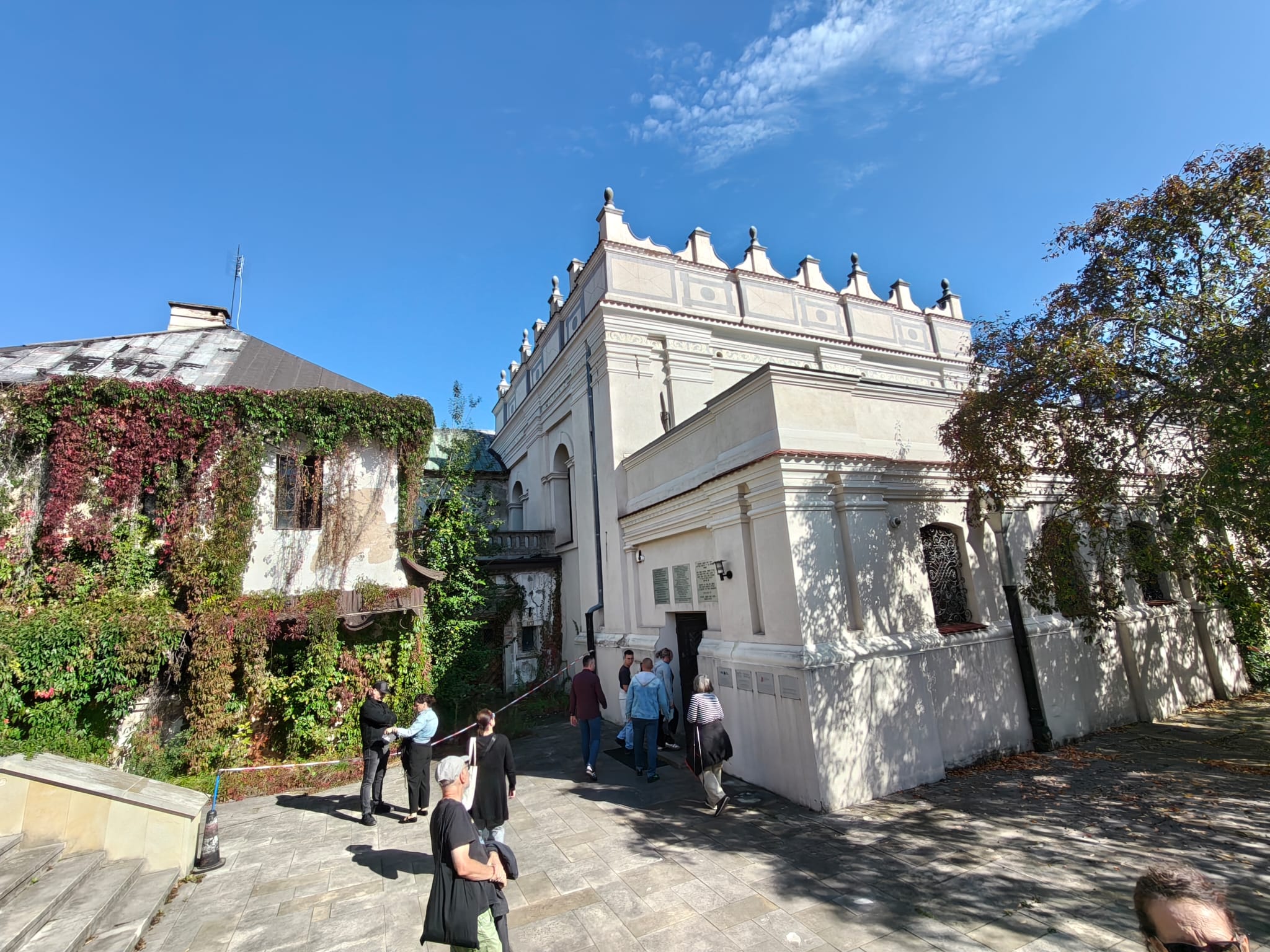
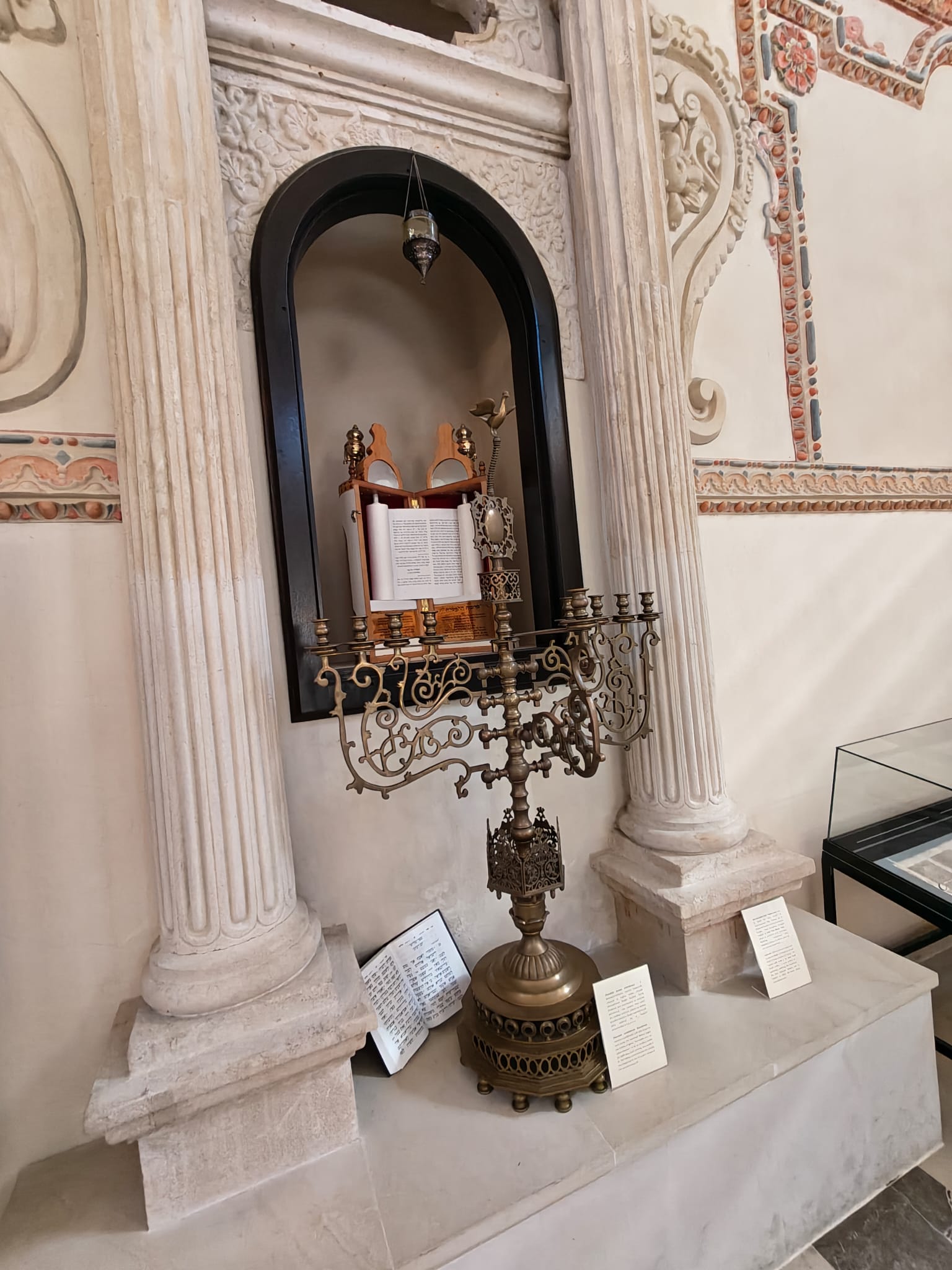
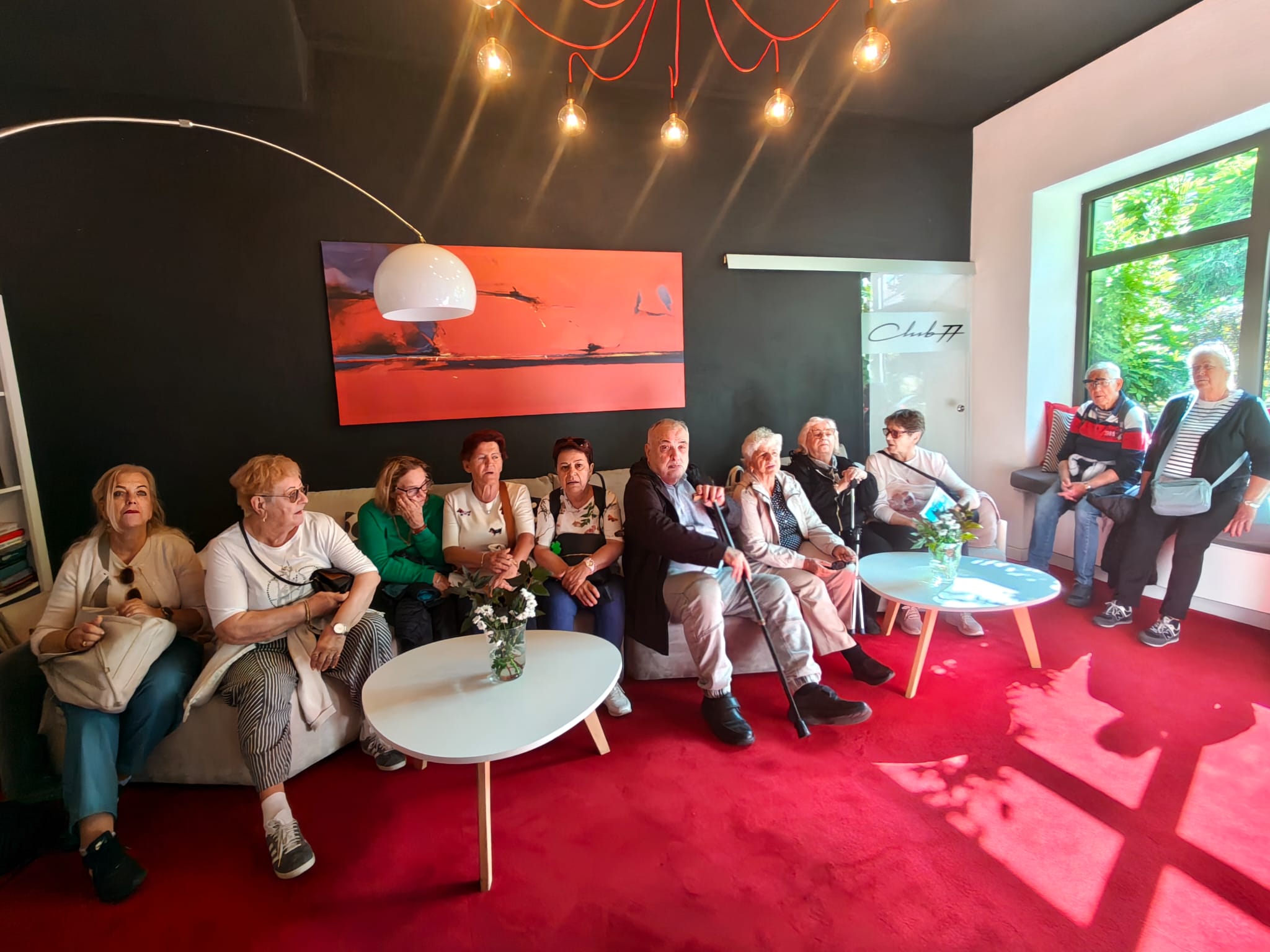
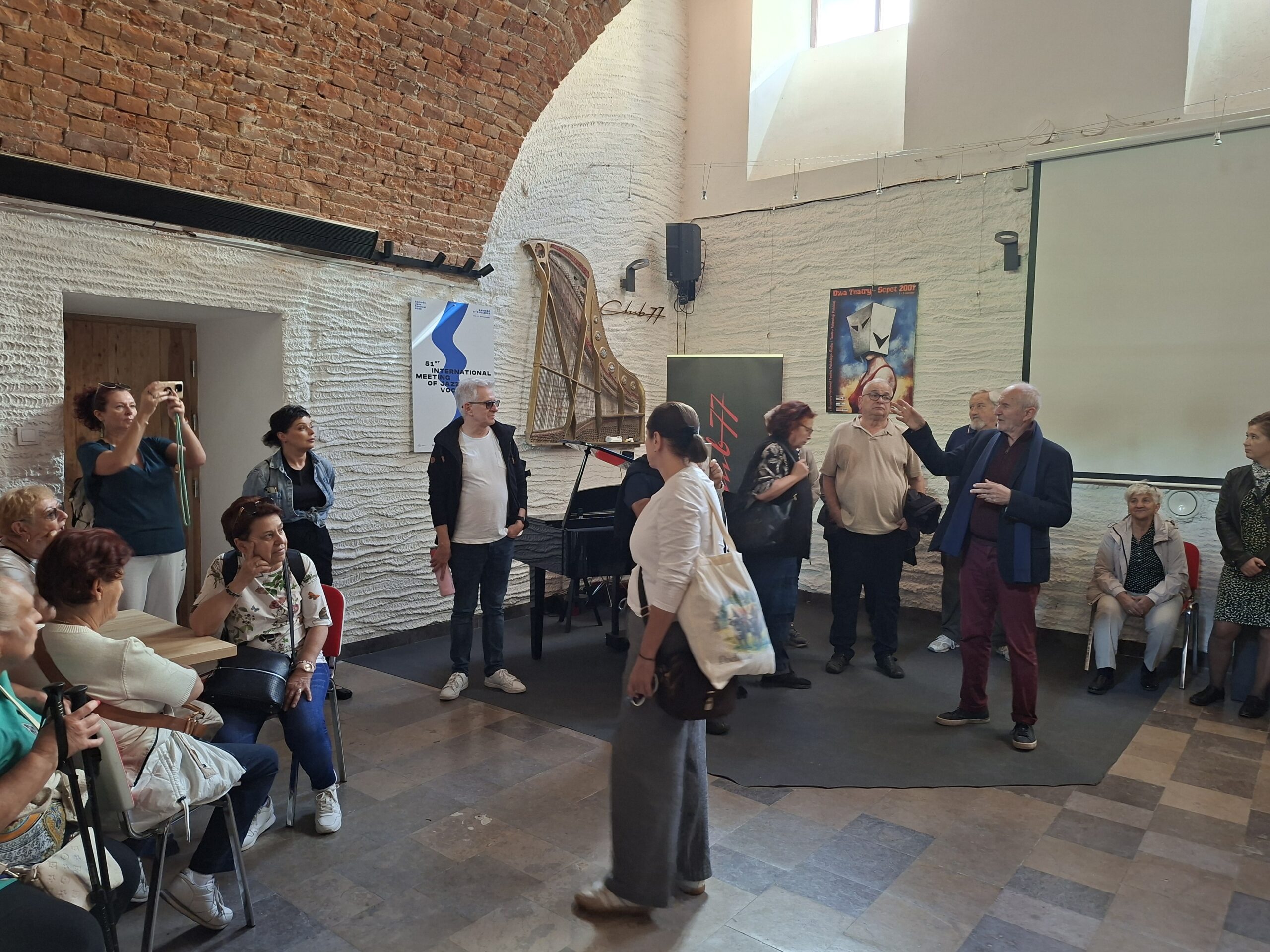
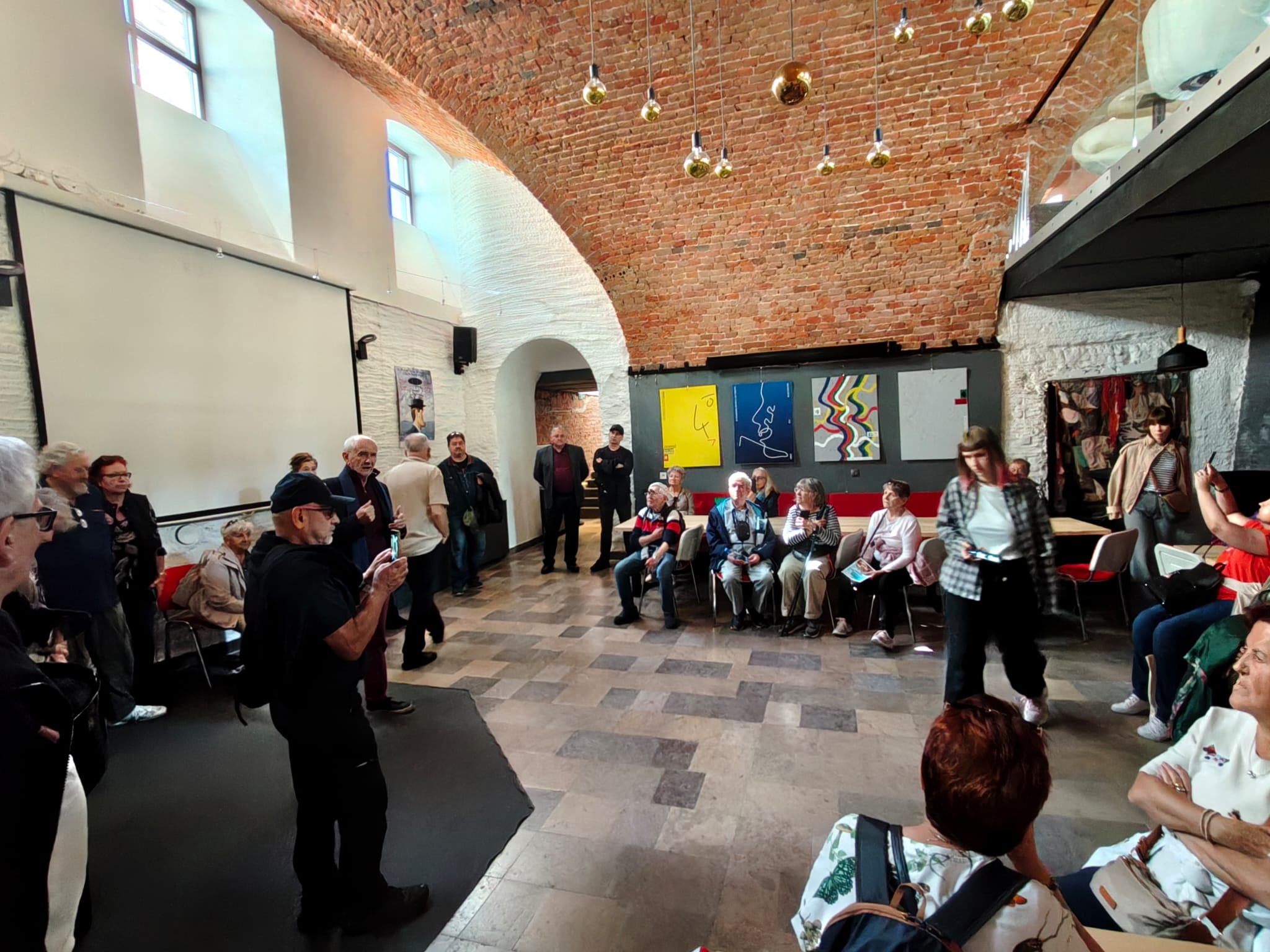
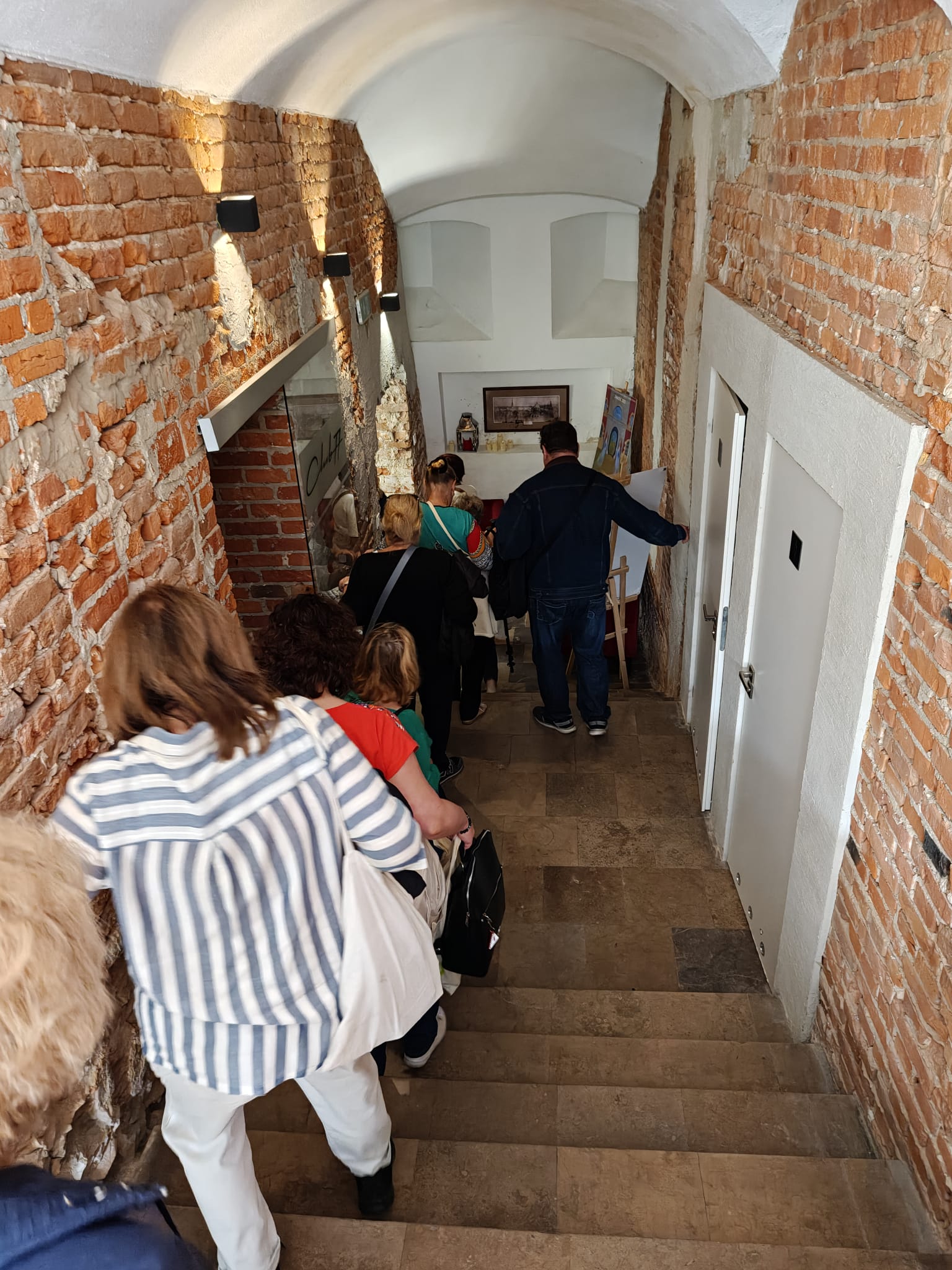
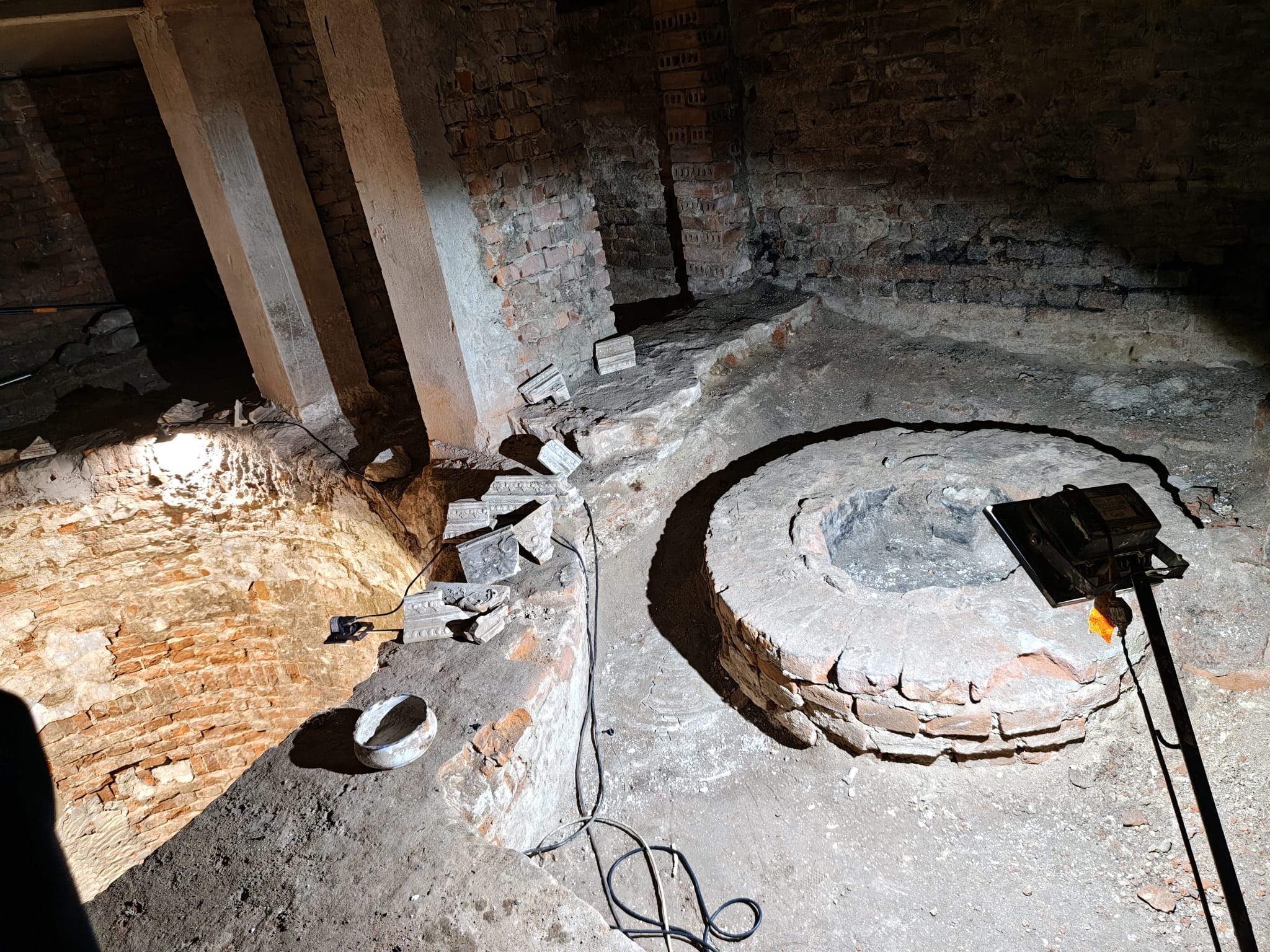
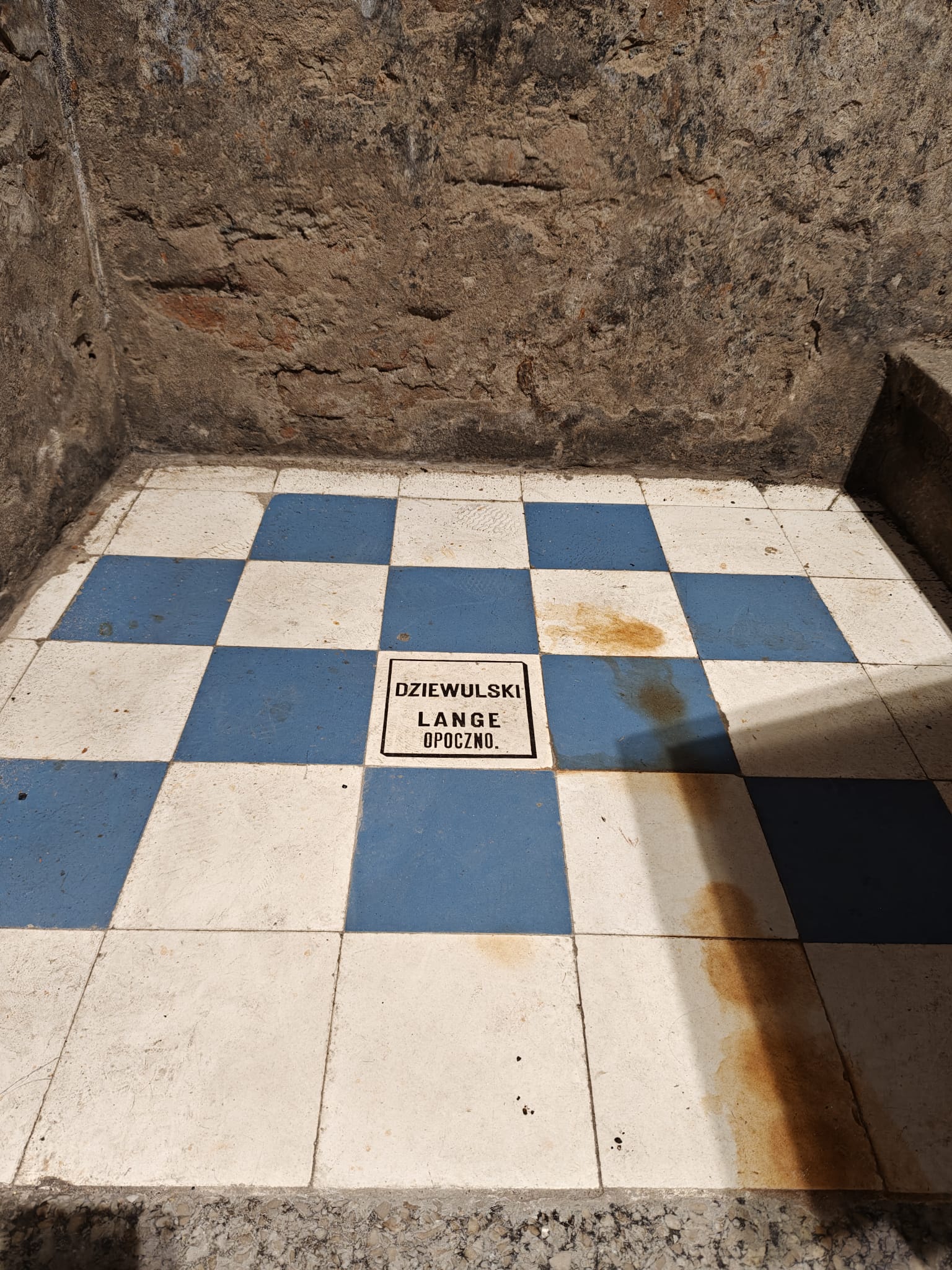
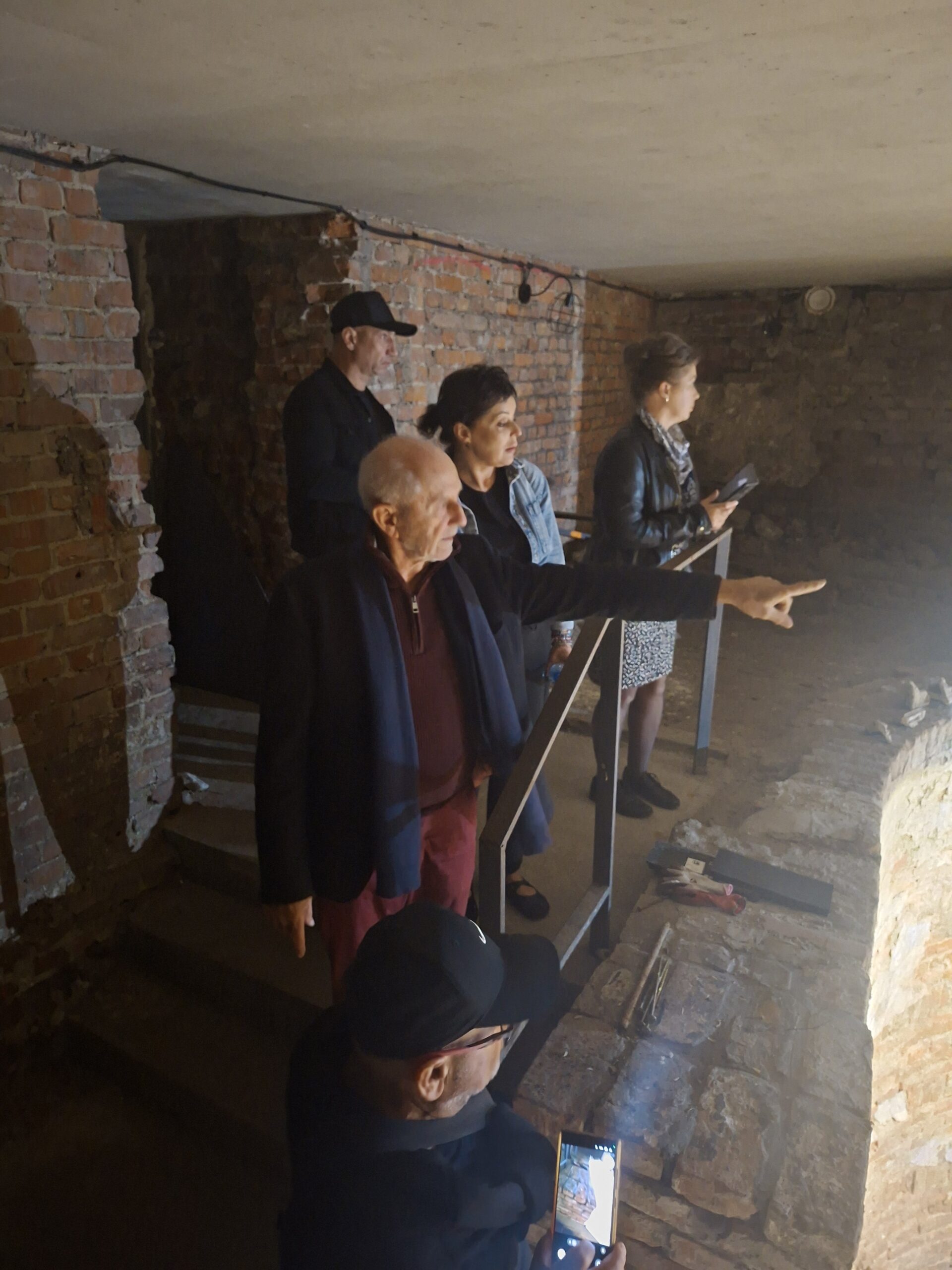
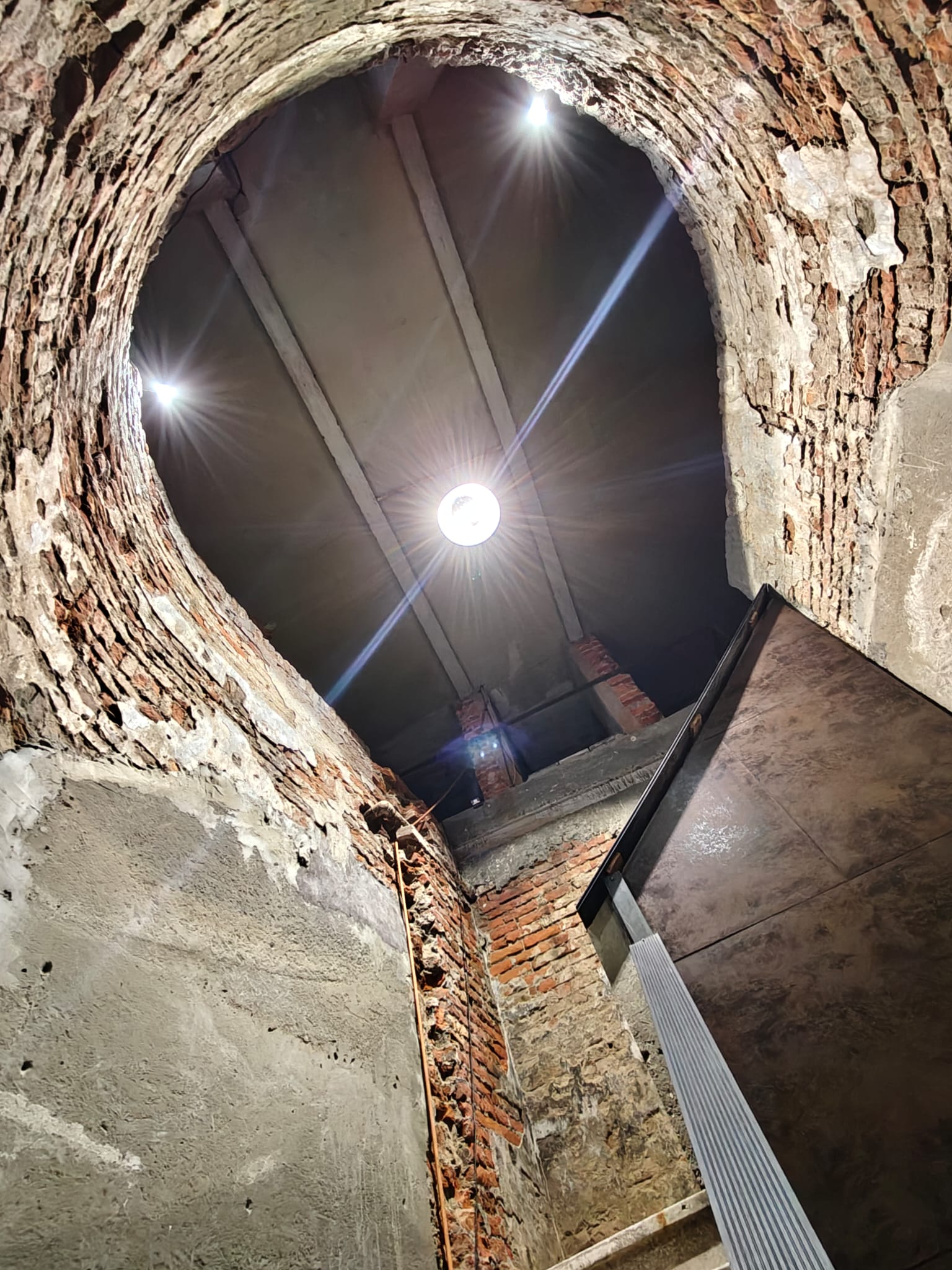
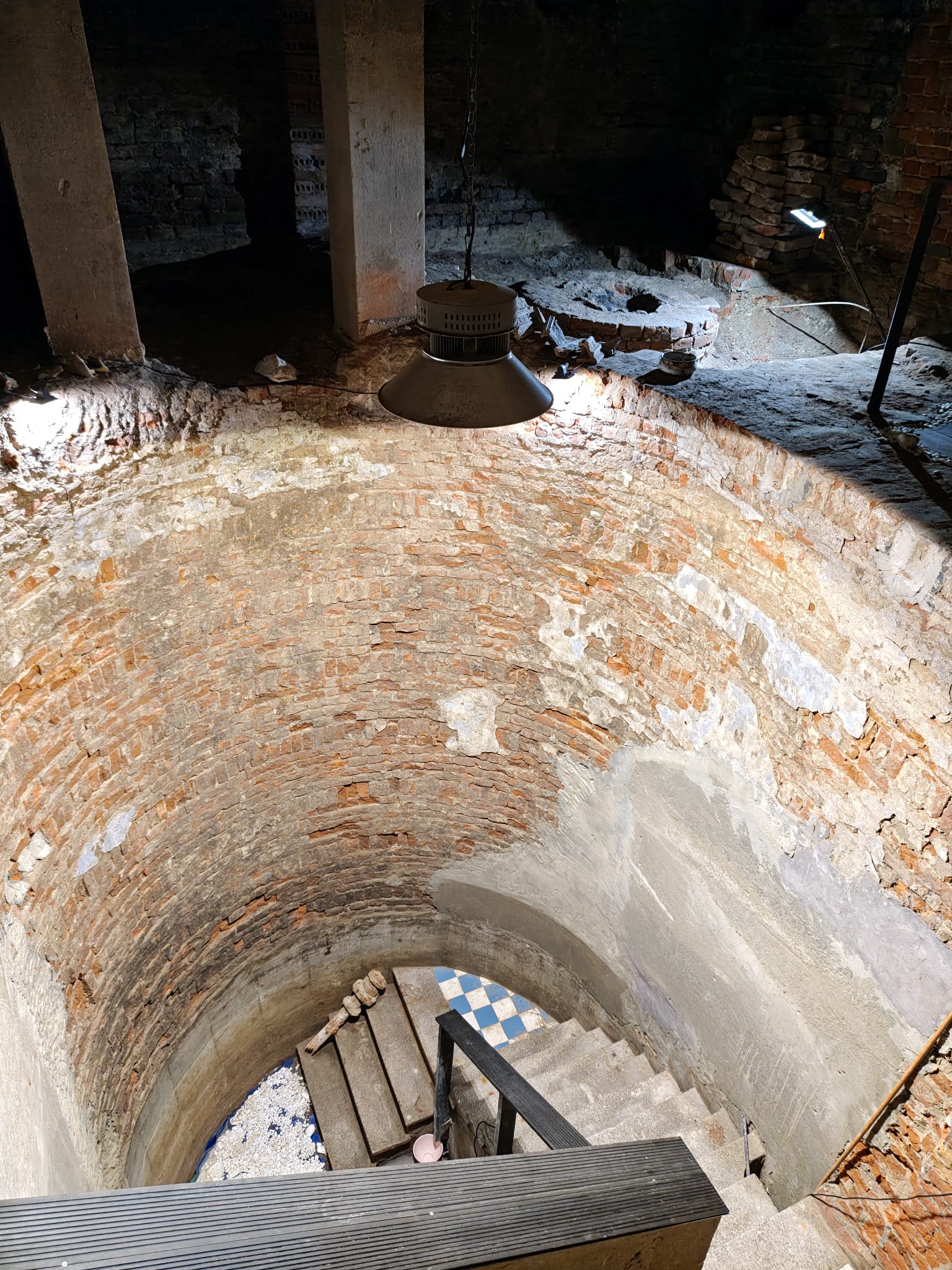
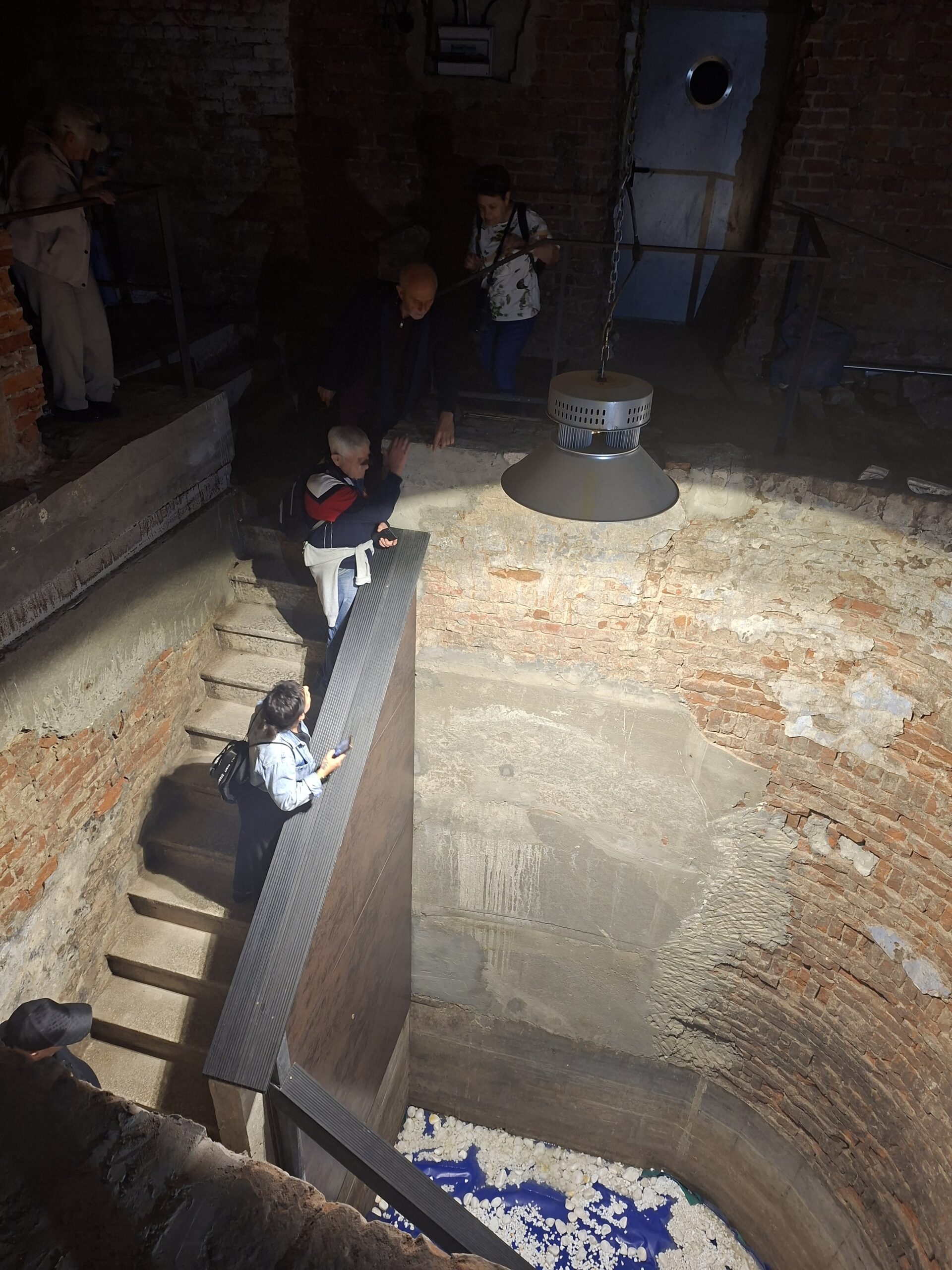
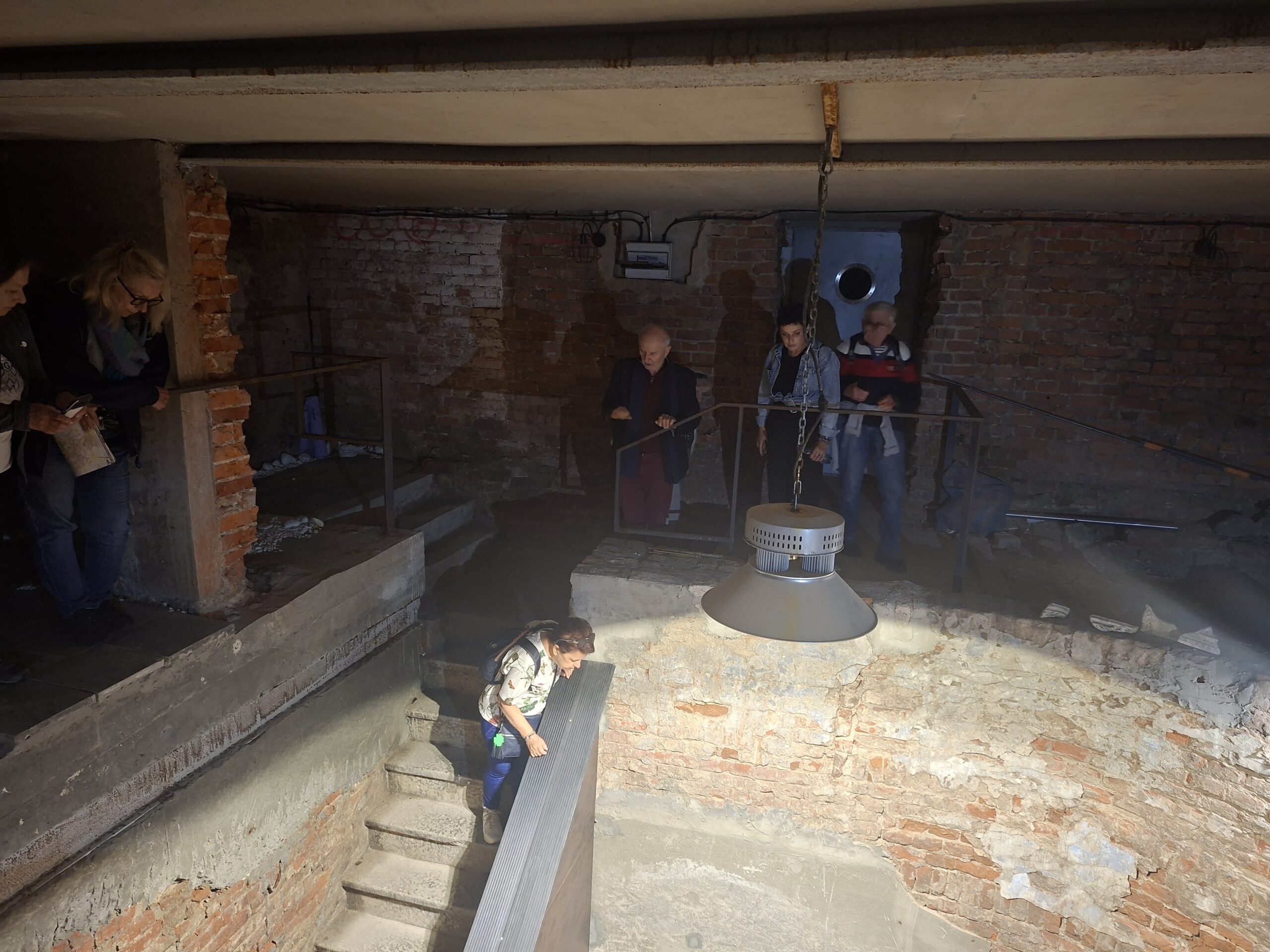
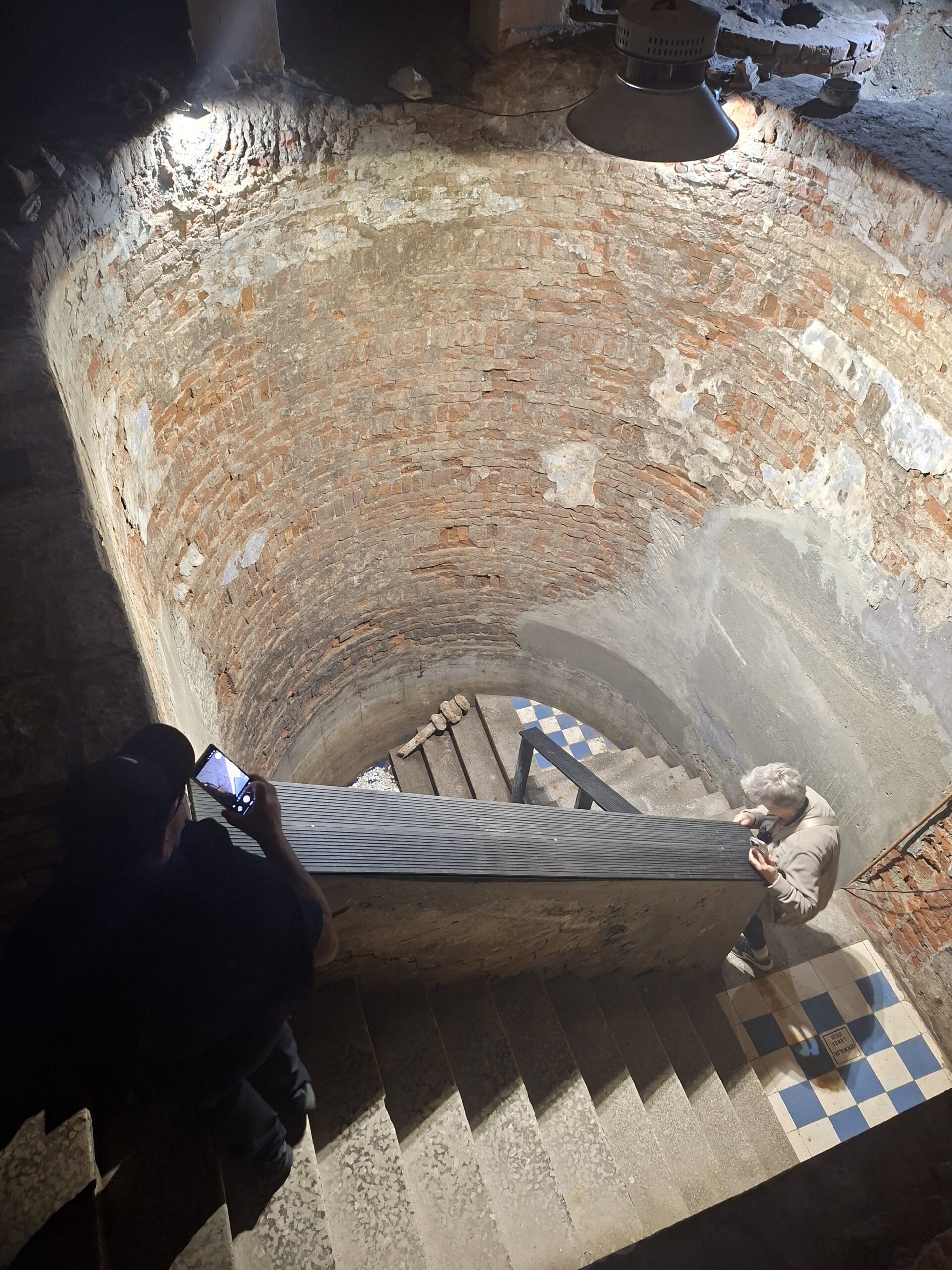
One of the highlights of our walk was a visit to the synagogue. The synagogue is unique in Poland, as it was built for Sephardic rather than Ashkenazi Jews. Another fascinating part of our visit was the story of the local mikveh. The ritual bath in Zamość was built around 1878 and is one of the few surviving structures of its kind in Poland. Its remains can be found in the basement of Hotel 77, just 200 metres from the city’s Main Square. The bottom of the mikveh’s pool lies more than nine metres below street level. The mikveh was only discovered in 2012. An extraordinary story is connected with the hotel’s current owner, who became interested in the remains beneath the building and decided to uncover them himself. The work involved removing layers of rubble and earth that had gradually filled in the former ritual bath over the years. Thanks to his efforts, it was possible to uncover the surviving elements of the mikveh and bring this forgotten place back into the public domain.
Today, visitors can see the remains of the former pool and learn about its significance in the life of Zamość’s Jewish community. Visiting this place, almost invisible to passers-by and tourists in everyday life, gave us a deeper understanding of the daily lives of the Jewish people who, for generations, were an important part of the city’s history.
After such an intensive day of sightseeing, it was time for a coffee break and a local speciality i.e. the Jewish cake, which we had the chance to taste at the Arabeska café.

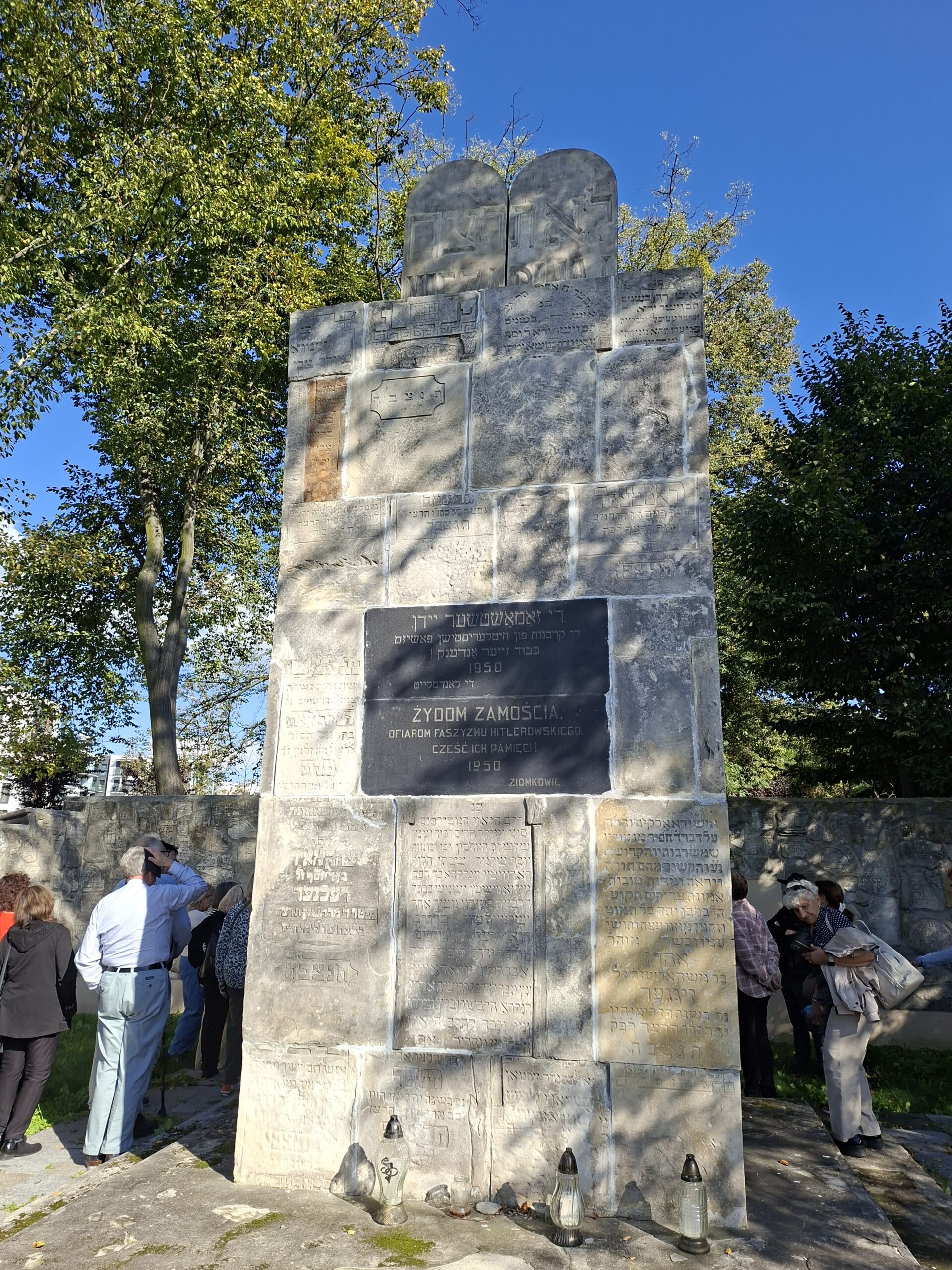
After a short break, we made our way to the New Town, where the ghetto was located during the Second World War. We began our walk with a visit to the lapidarium and the Memorial to the Jews of Zamość, both located on the site of the former Jewish cemetery.
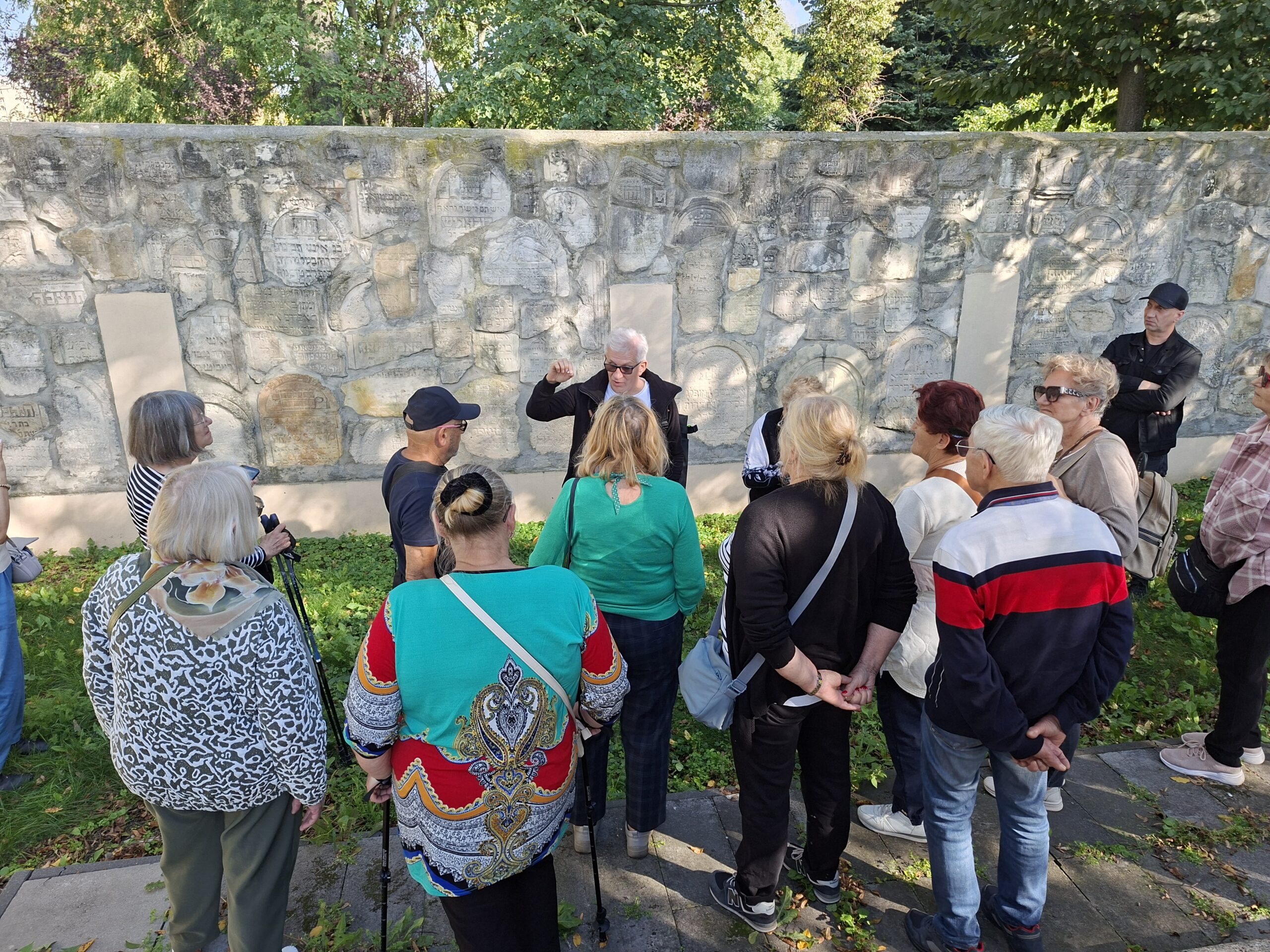
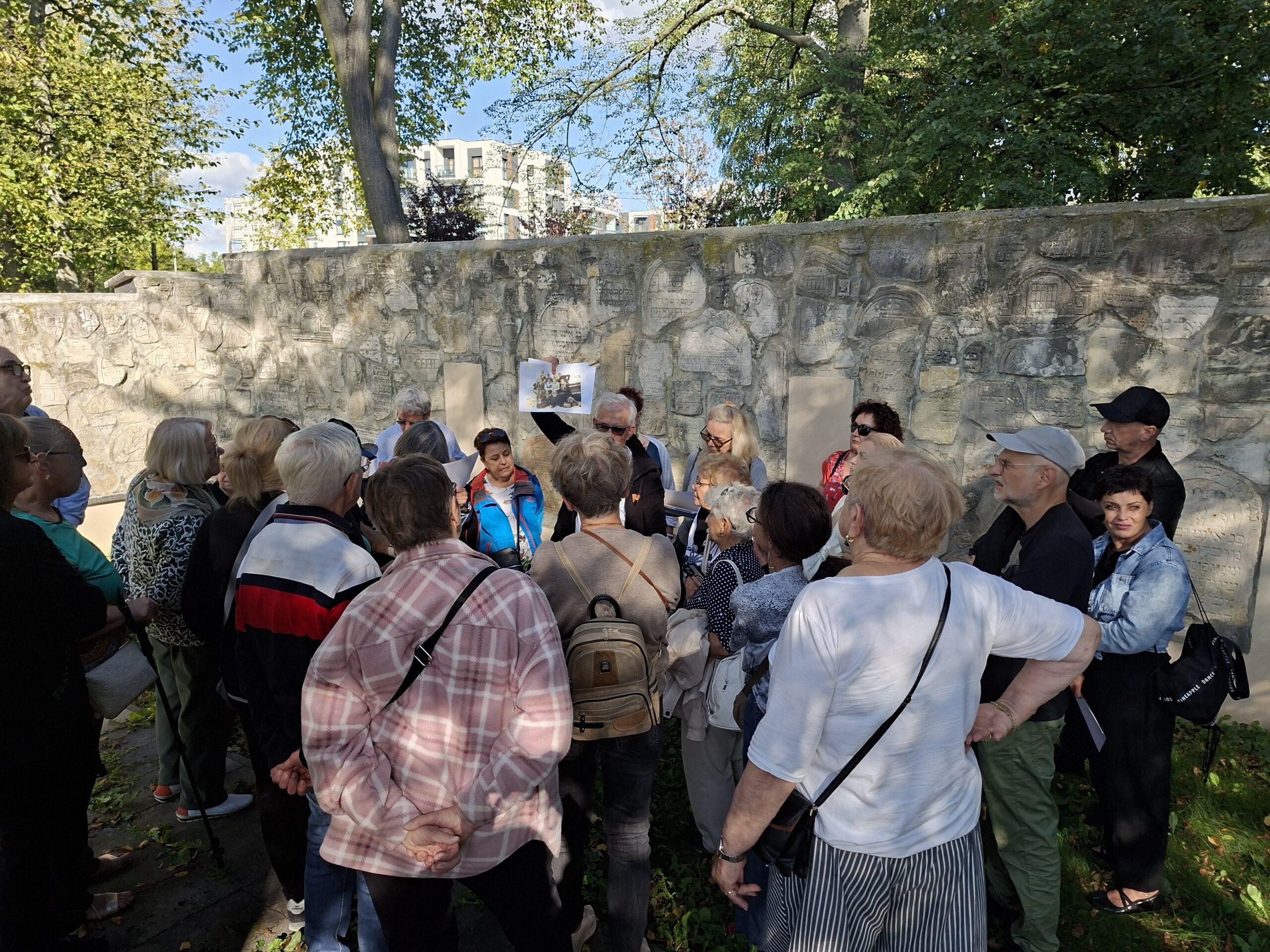
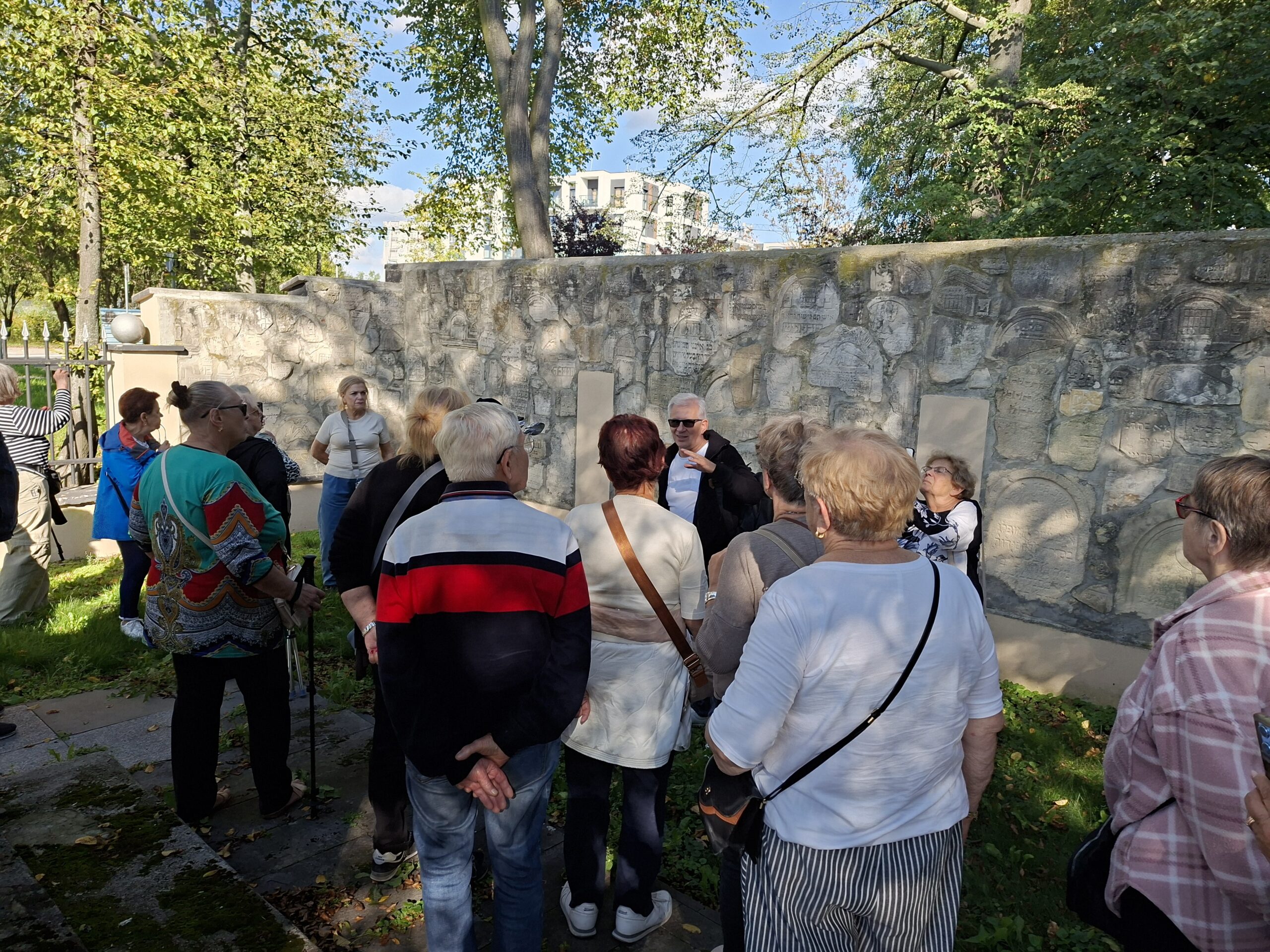
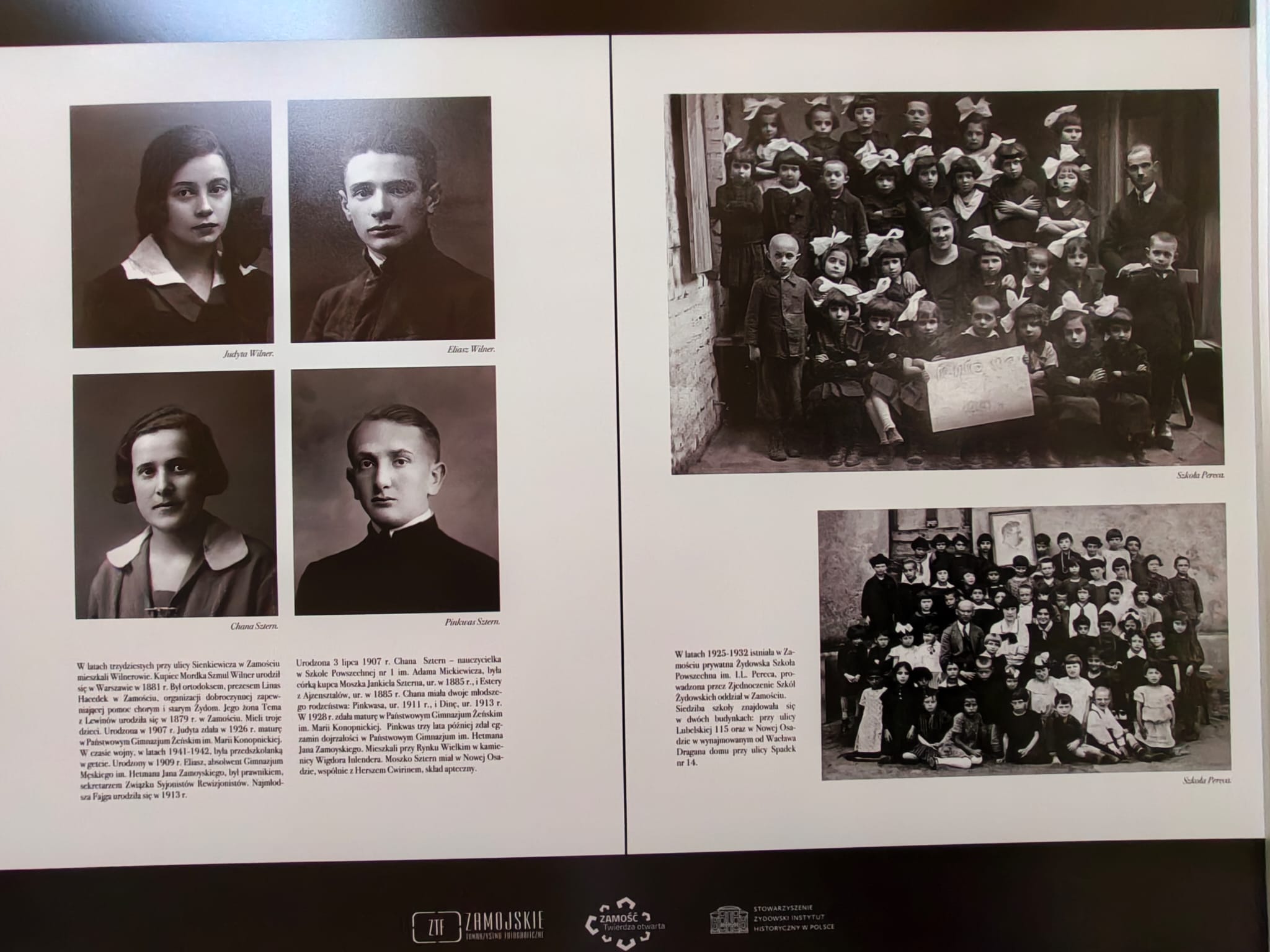
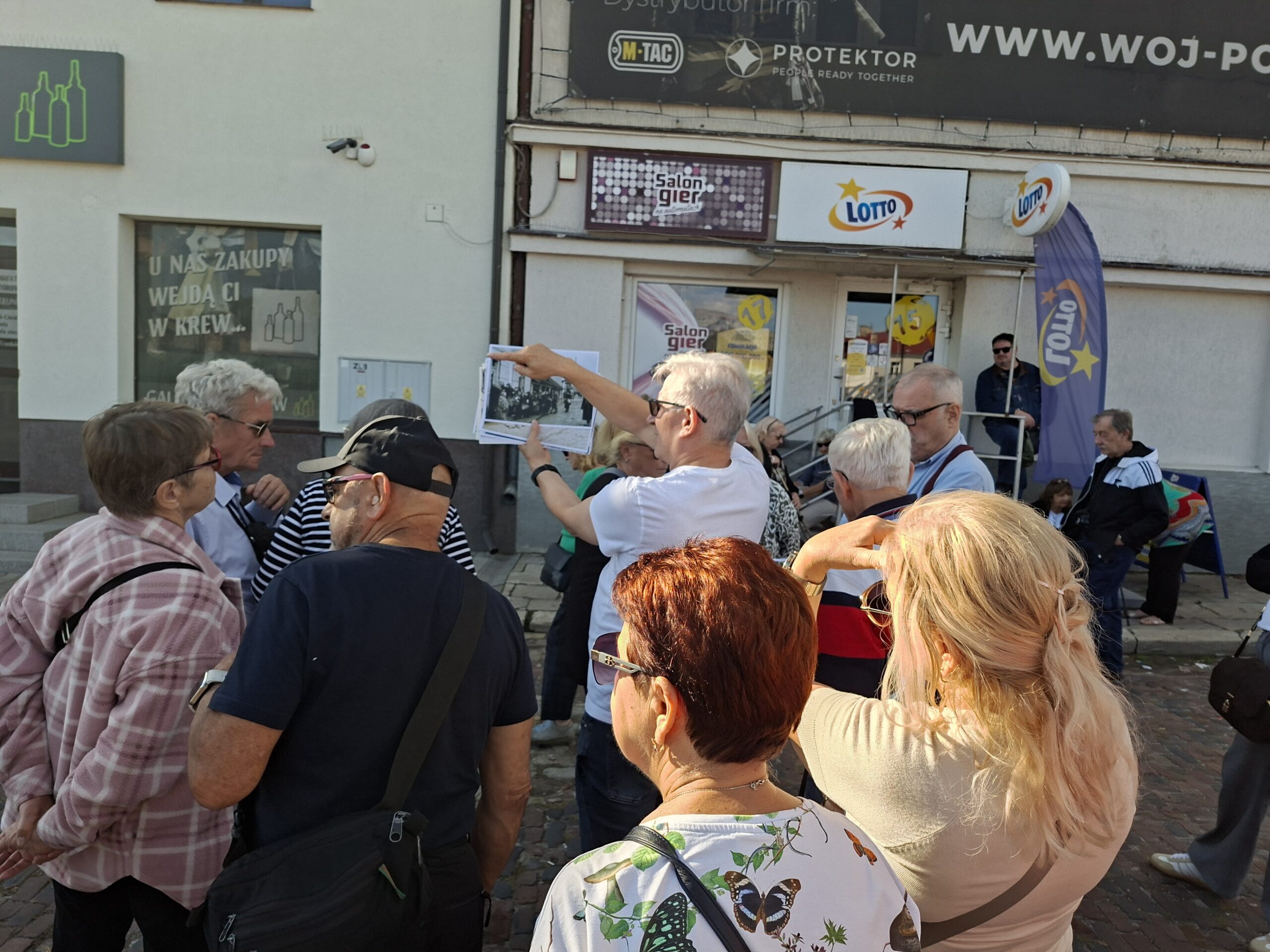
We then followed a route through places connected with the history of the Zamość ghetto, while Marek Kołcon told us about the fate of the city’s Jewish community during the Holocaust. He brought his account to life with photographs of the former ghetto and testimonies from its residents.
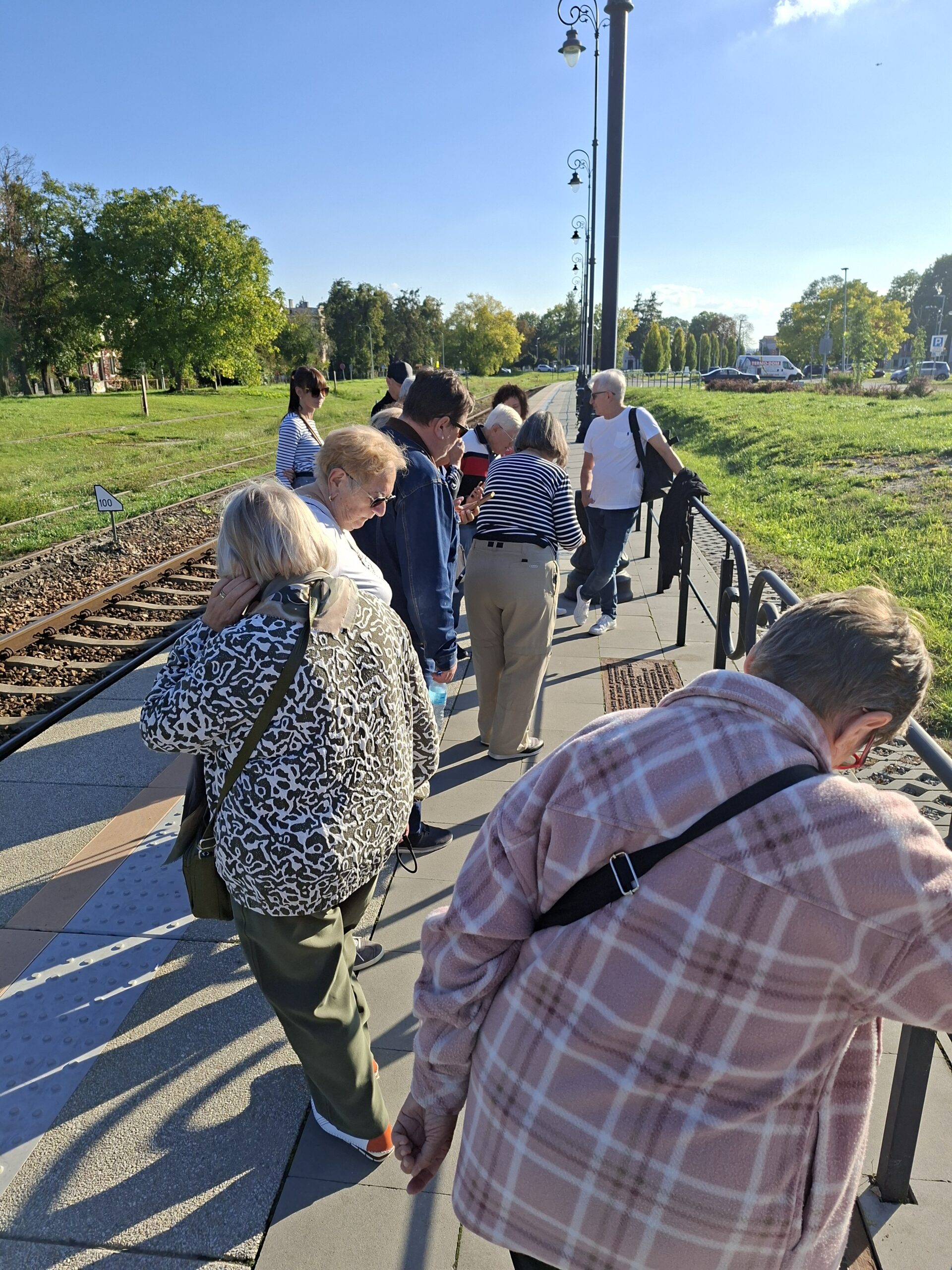
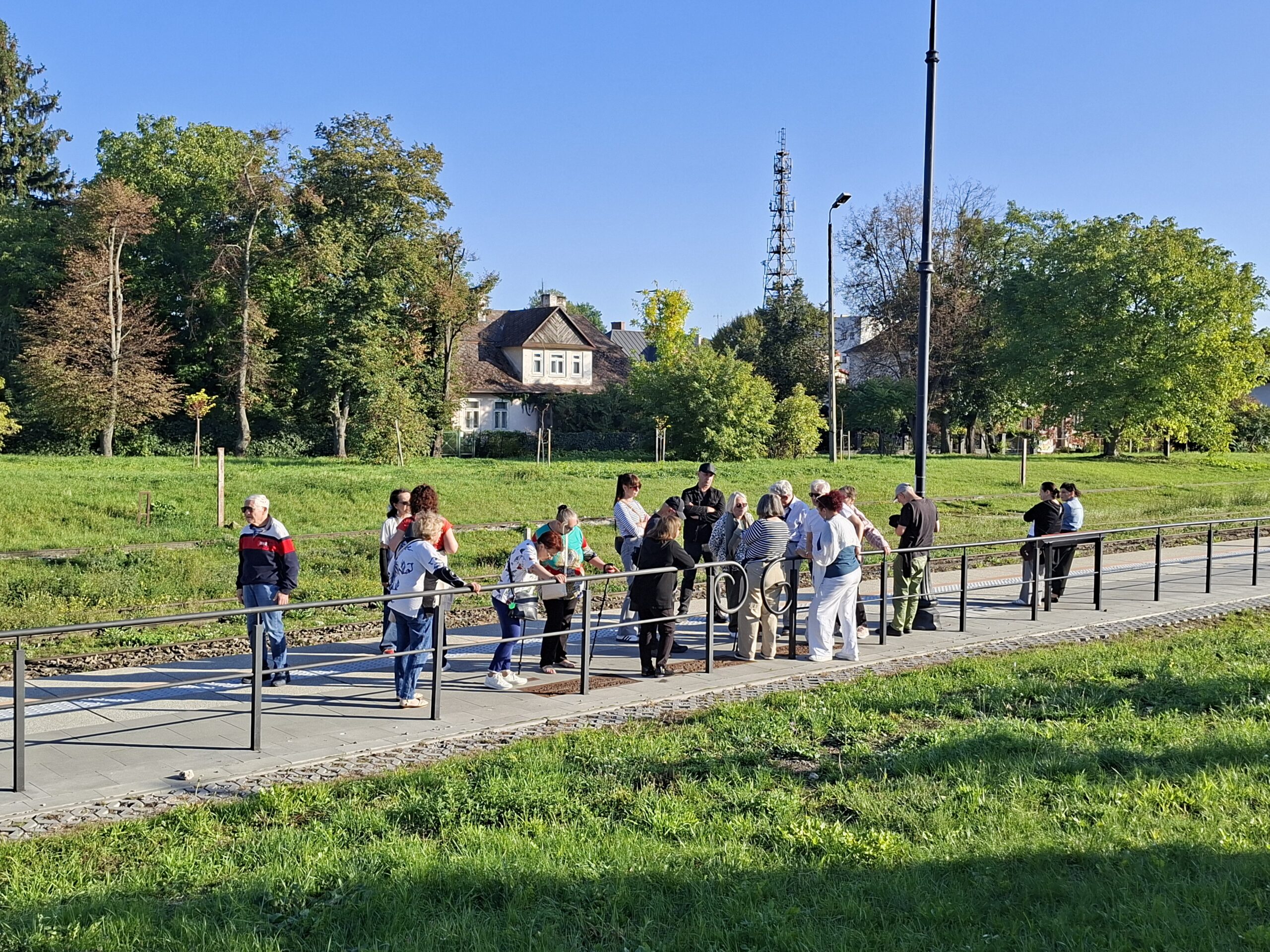
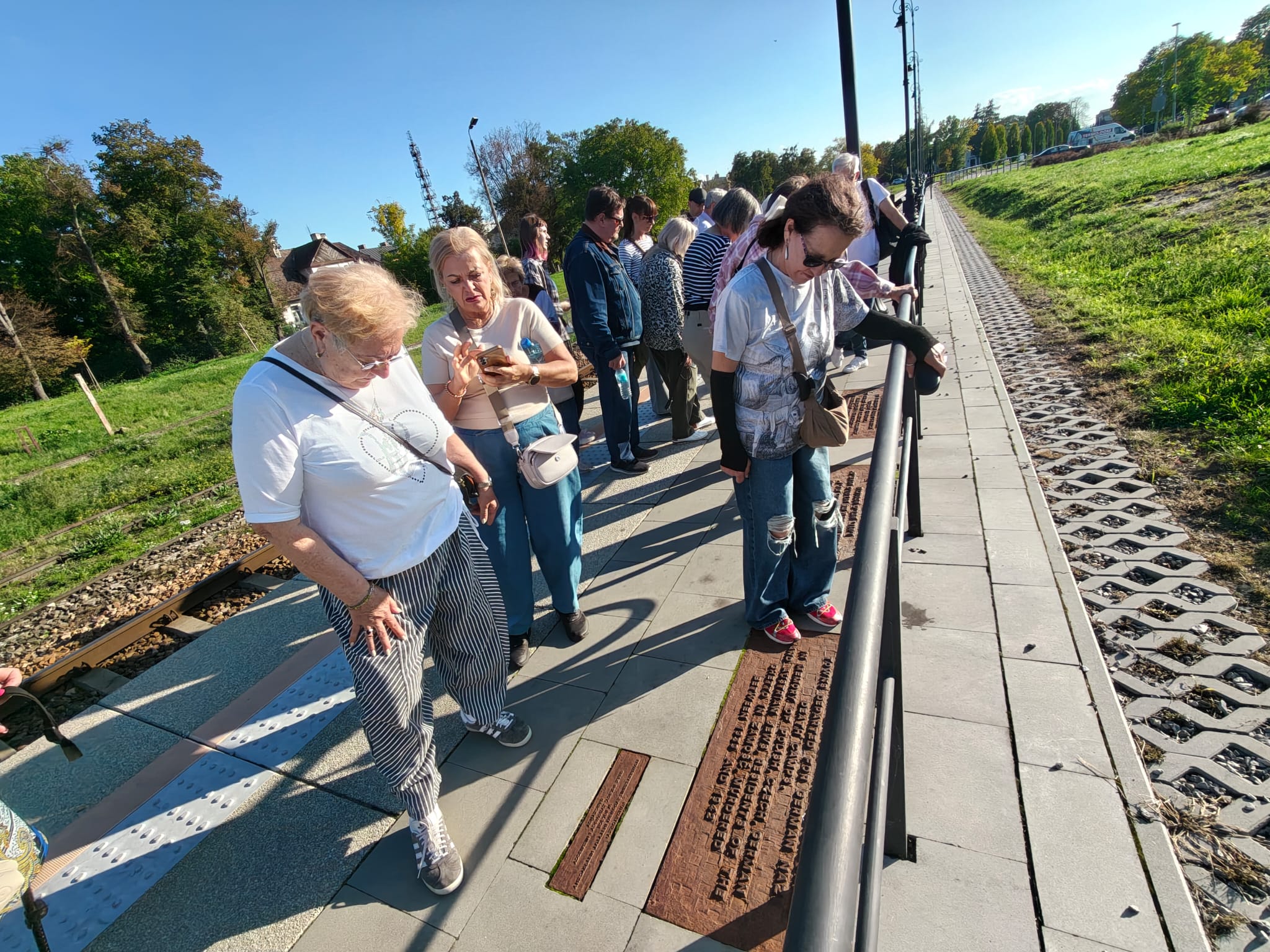
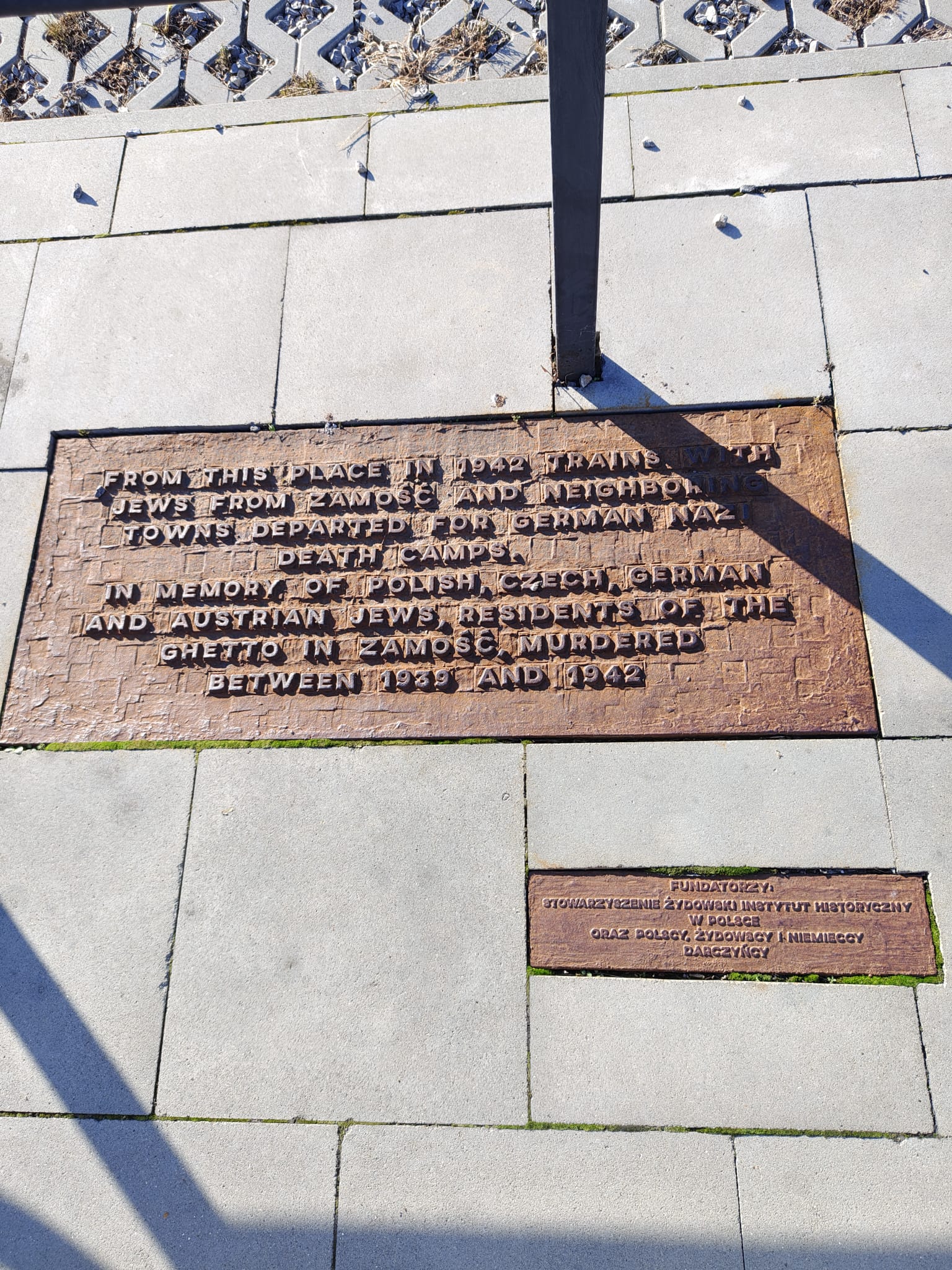
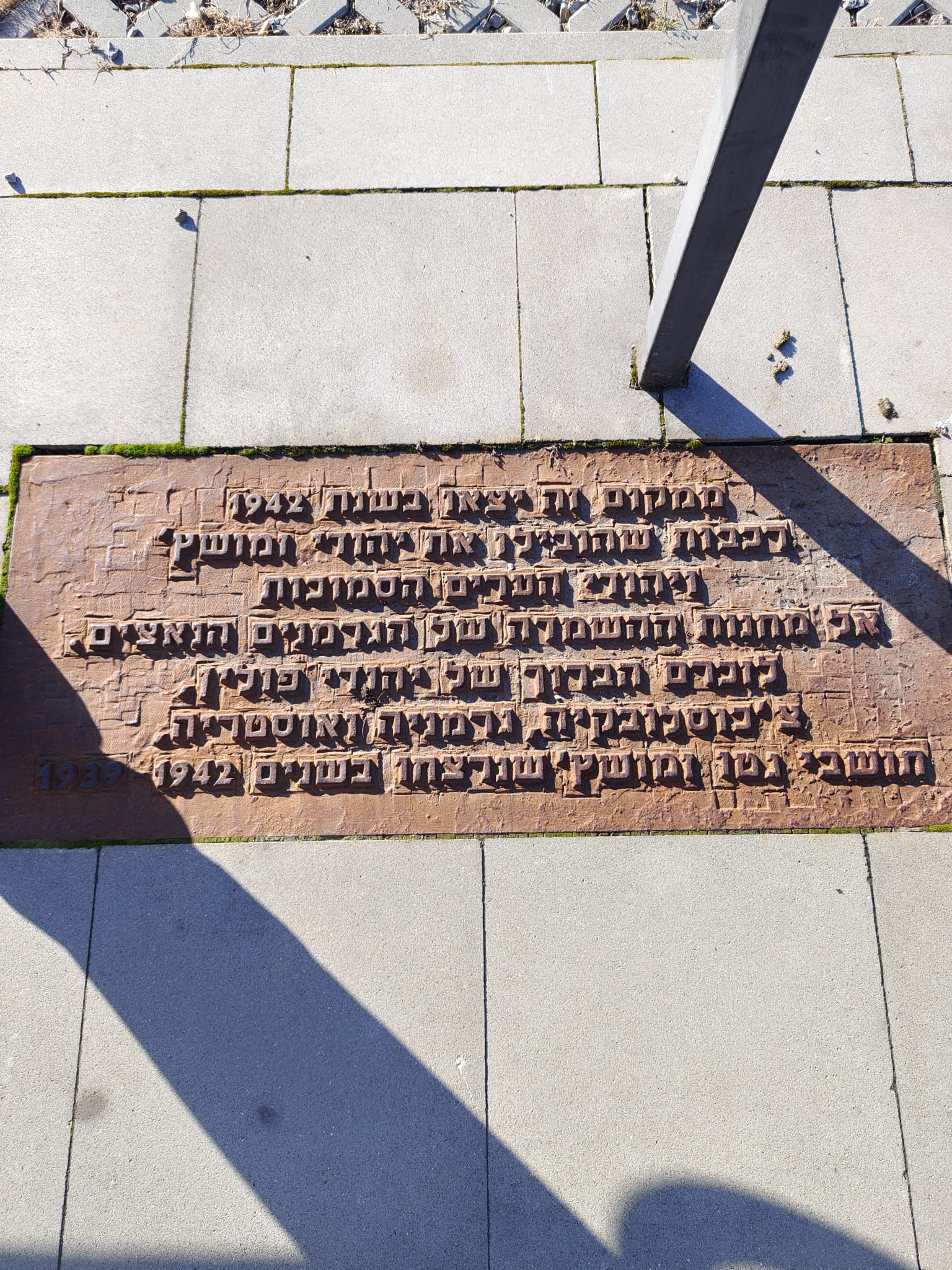
An important stop along our route was the Zamość Old Town railway station. It was from here that transports carrying Jews were sent to extermination camps. Thanks to Mr Kołcon’s initiative, a memorial commemorating these tragic events was created at the site.
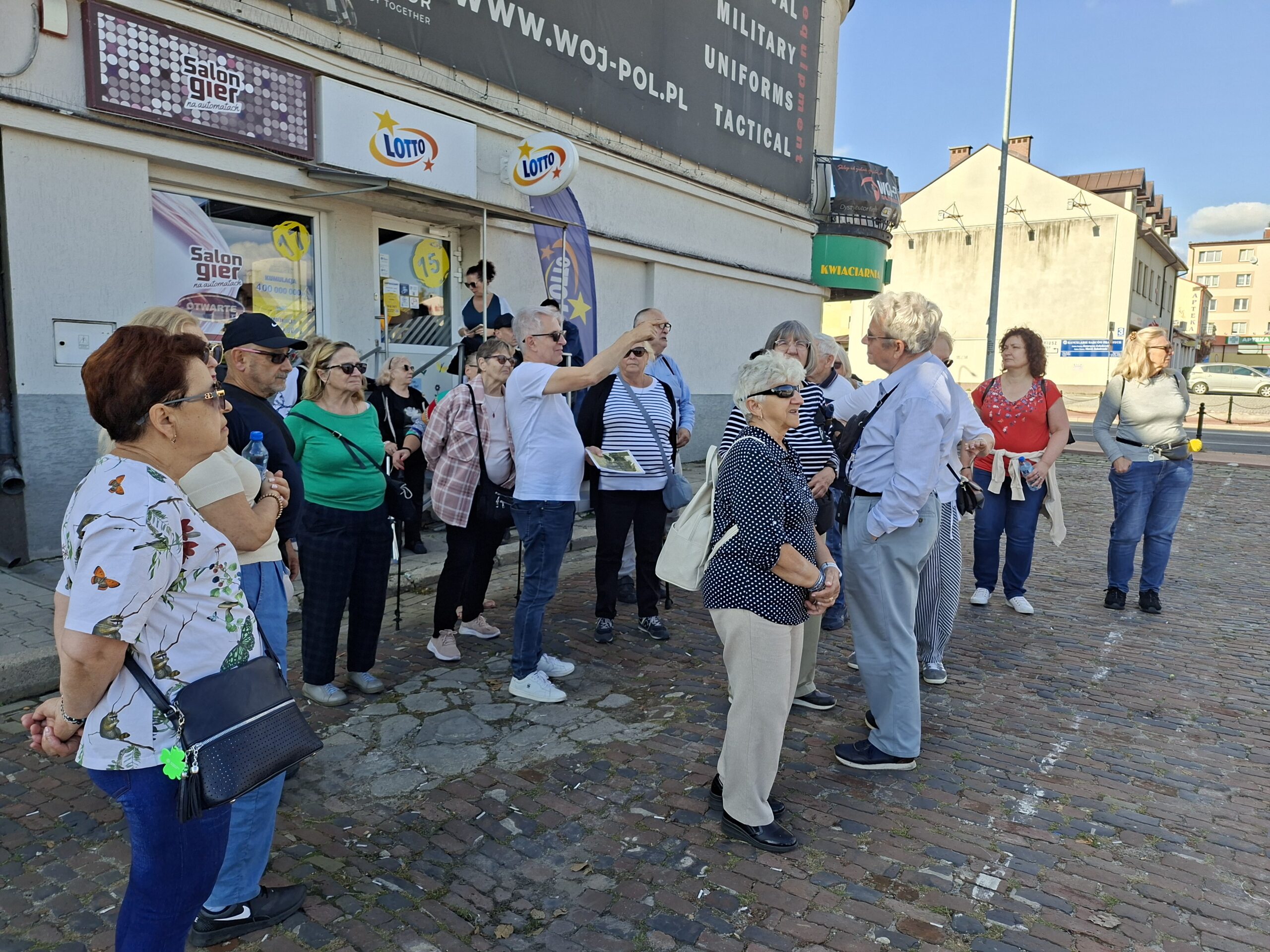


We ended our Zamość adventure with a journey to Lublin, where the final stop of our two-day trip awaited us: the lunch at the four-star Hotel Ilan. The hotel occupies the historic building that once housed the Yeshiva Chachmei Lublin, the renowned Lublin School for Sages, before the war.

After lunch, participants had the opportunity to learn more about the history of the yeshiva and visit the synagogue located within the building. In the rooms adjoining the synagogue, we also explored an exhibition documenting the history of the school.
Before we knew it, our two-day journey had come to an end. With beautiful weather making every walk a pleasure, we had the chance to admire historic landmarks of Zamość, and delve into the rich history of its Jewish community.
To conclude, we would like to extend our heartfelt thanks to Marek Kołcon for sharing his extensive knowledge, his dedication and his fascinating insights into the multicultural history of Zamość. We would also like to thank all the institutions that welcomed us during our trip, as well as the staff at the restaurants, cafés and all the other places we visited for their warm and friendly hospitality.
The trip was organised by the Senior Club of the Jewish Religious Community in Warsaw and the Warsaw Branch of the TSKŻ.
We hope to see you all again soon on another trip together!
Photo by: B.Mintzberg/M.Rydz