 by tskz
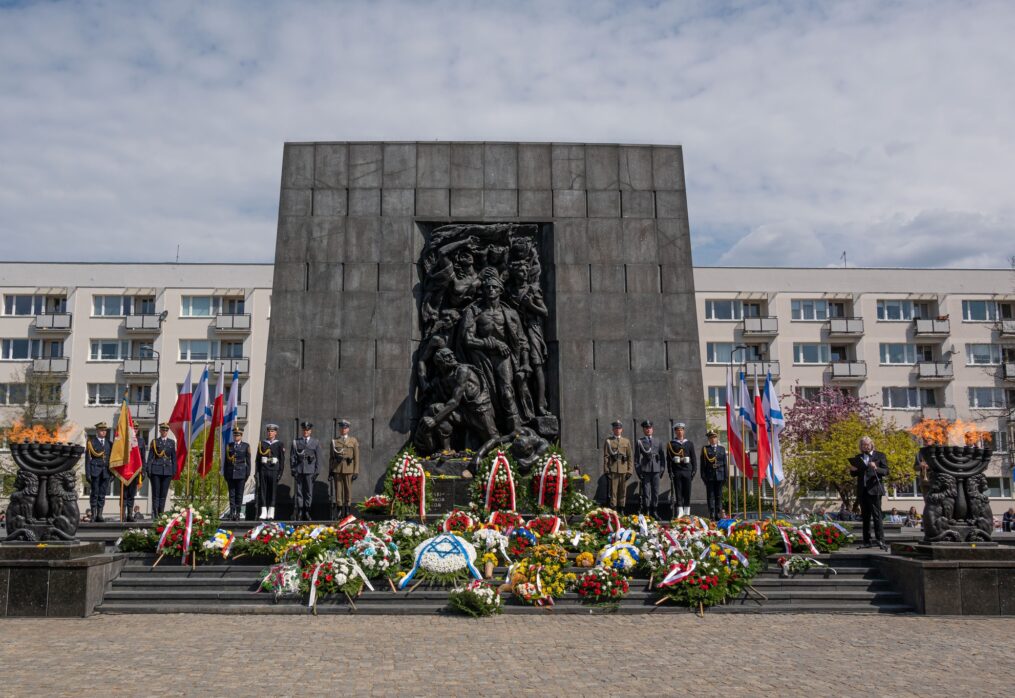
On 19 April, our members gather not only at the Monument to the Ghetto Heroes in Warsaw, but also at other sites of remembrance and in TSKŻ clubs across Poland. This has been the case since the very inception the Social and Cultural Association of Jews in Poland and continues to this day. We encourage you to read the report from the commemorations marking the 83rd anniversary of the Warsaw Ghetto Uprising.
WARSAW
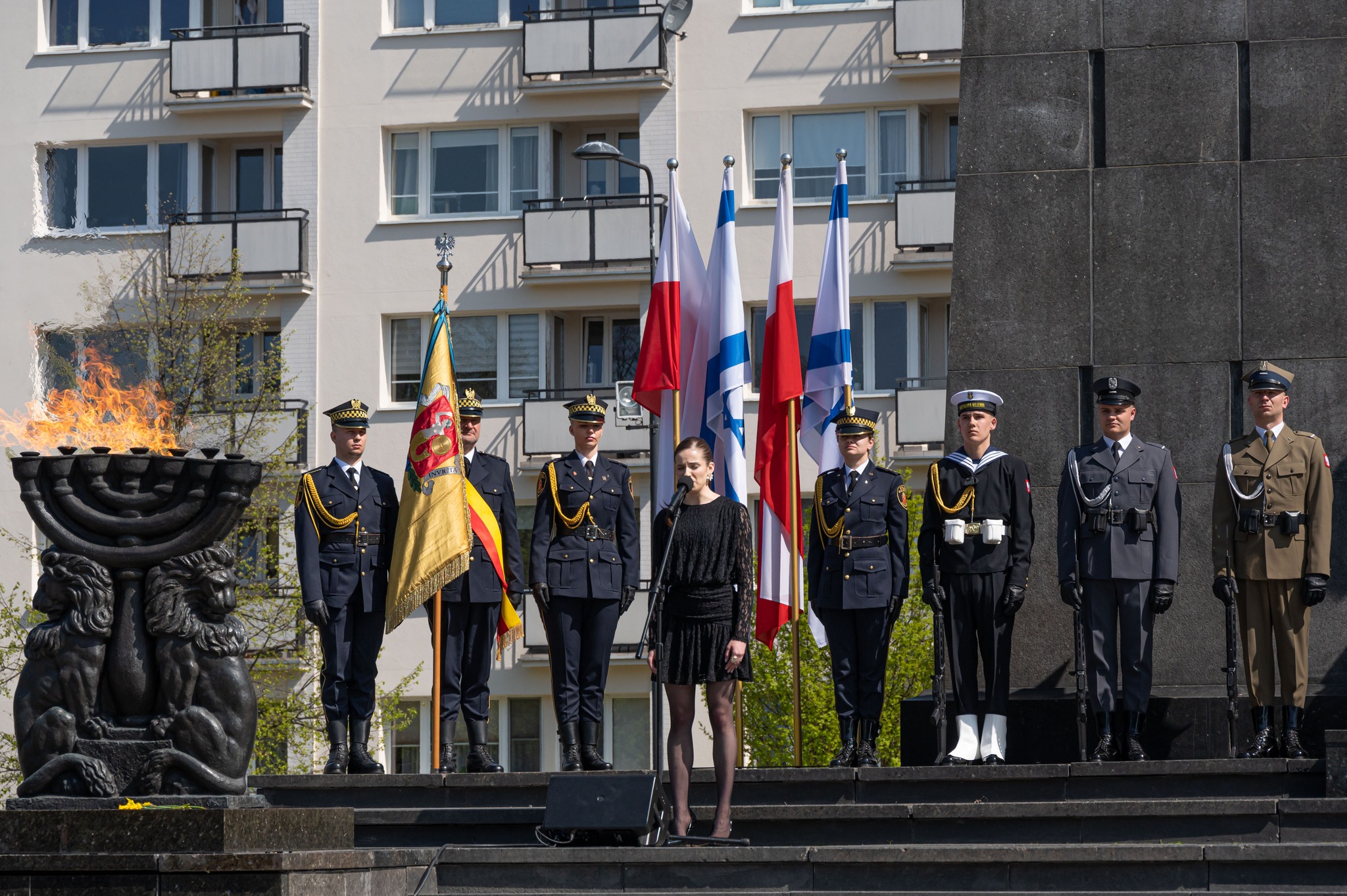
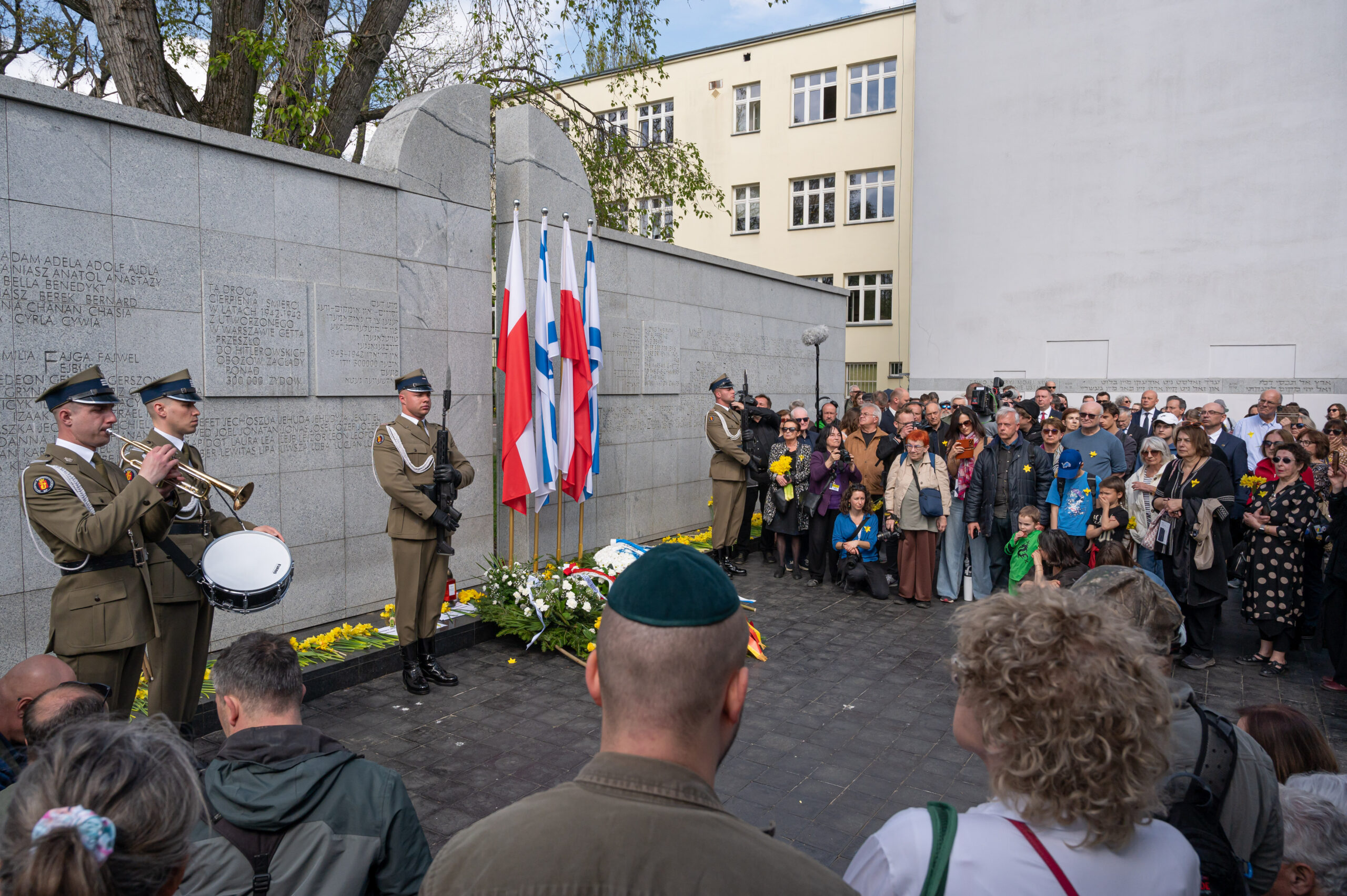
The anniversary ceremony began with the sound of sirens and the anthem of the Jewish fighters, Zog nit keyn mol. The event was attended by Holocaust survivors, the Righteous Among the Nations, representatives of veterans’ organizations, the highest state and local authorities, members of the diplomatic corps, as well as members of the Jewish community and residents of Warsaw. Among those present were, among others, the President of Poland, Karol Nawrocki, the Marshal of the Sejm, Włodzimierz Czarzasty, the Marshal of the Senate, Małgorzata Kidawa-Błońska, and the Mayor of the Capital City of Warsaw, Rafał Trzaskowski. The official part of the commemorations concluded with a performance of the song Warszawo ma in Polish and Yiddish by Aleksandra Idkowska. This was followed by a prayer for the dead recited by Rabbi Michael Schudrich, after which delegations laid wreaths at the Monument to the Ghetto Heroes.
Below is an excerpt from the speech delivered during the ceremony:
“Never say that this is your final path”
We stand today before the Monument to the Ghetto Heroes to pay tribute to those who, 83 years ago, took up the struggle with no hope of victory, but with an unbreakable belief in the meaning of resistance. On 19 April 1943, the Germans began the final liquidation of the ghetto. A handful of poorly armed fighters stood against the overwhelming machinery of German terror.
Two Jewish resistance organizations took up the fight: the Jewish Fighting Organization [ŻOB] and the Jewish Military Union [ŻZB] Among their commanders and fighters were, among others, Mordechaj Anielewicz, Icchak Cukierman, Marek Edelman, and Paweł Frenkel. One of the first to fall was Michał Klepfisz, who, for his heroism, was posthumously awarded the Silver Cross of the Order of Virtuti Militari by the Polish government in London.
The insurgents fought for honour, to preserve their humanity, for dignity in the face of annihilation, and for the right to decide their own fate—even in the face of inevitable death. The uprising was an act of desperation, but also of the greatest courage.[…]
Before the establishment of Yom HaShoah—the Day of Remembrance for the victims of the Holocaust—and before the United Nations proclaimed the day of the liberation of Auschwitz–Birkenau as International Holocaust Remembrance Day, Polish Jews had their own day of remembrance. It was 19 April. A day that united everyone: Zionists, Bundists, religious and secular Jews. On that day, they would gather here, at this monument, in a place marked by suffering and memory, to pay tribute together to those who lost their lives on the battlefield.
The remembrance of these events continues. More and more people—both Jews and Poles—are joining the anniversary commemorations. Today, when only the last witnesses of history remain among us, it is we who take on responsibility for this memory.
As Simcha Ratajzer Rotem, known by the nom de guerre “Kazik,” said: “The most important thing is to remember. Because if we forget, it is as if they died a second time.” May these words serve as both a warning and a commitment. Memory is not only a recollection of the past—it is a choice we make every day.
Watch the video from the ceremony:
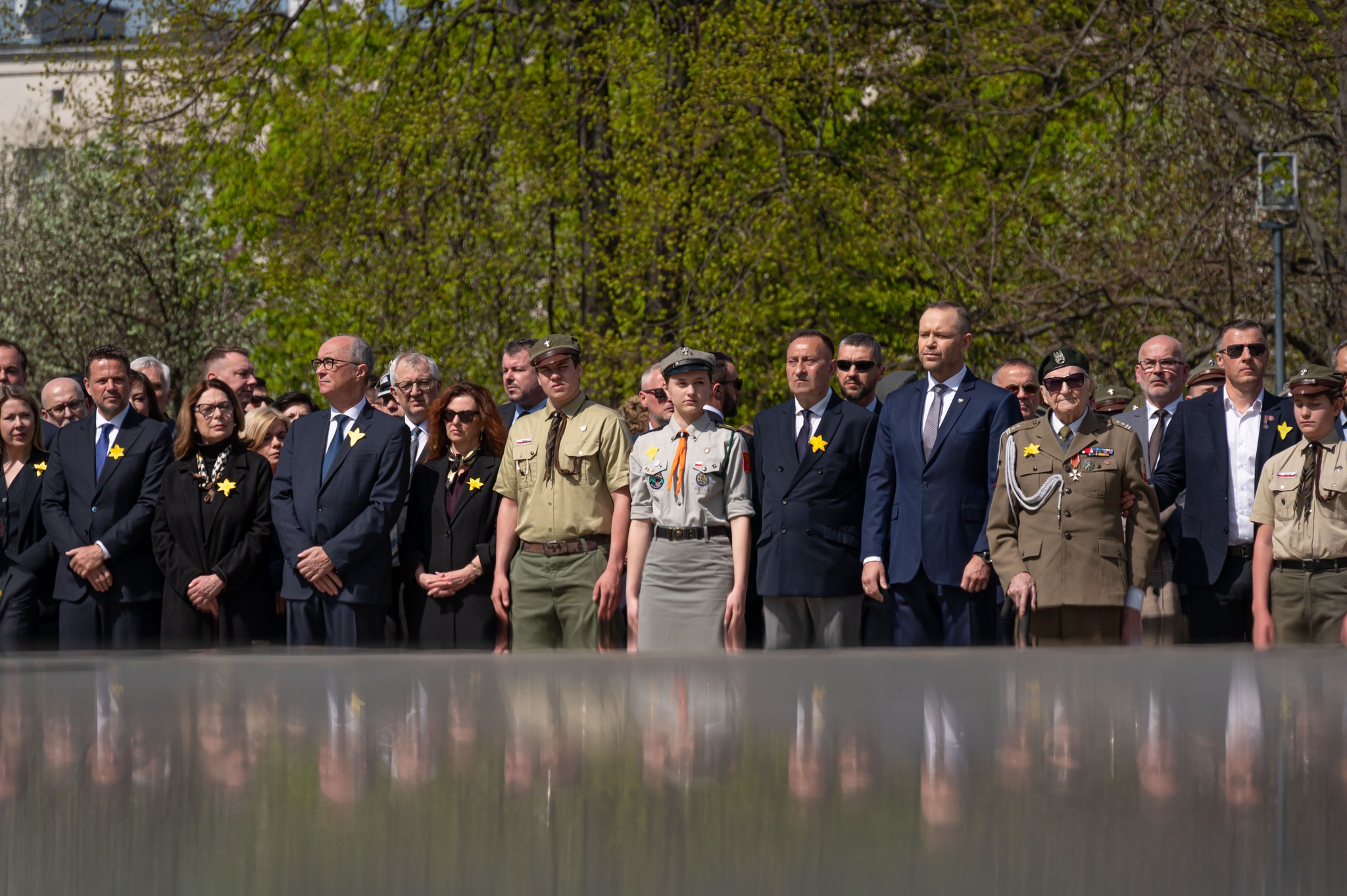
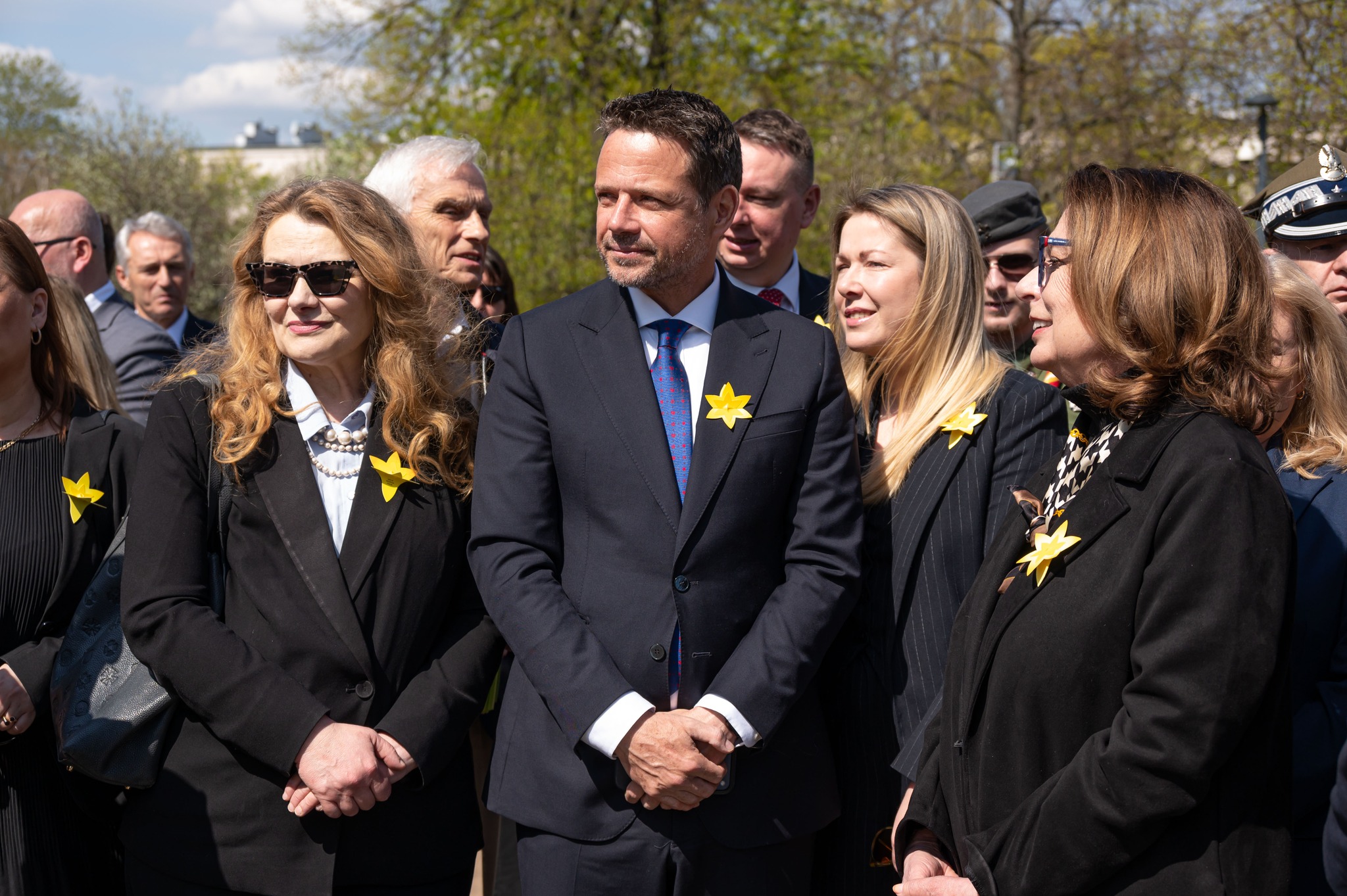
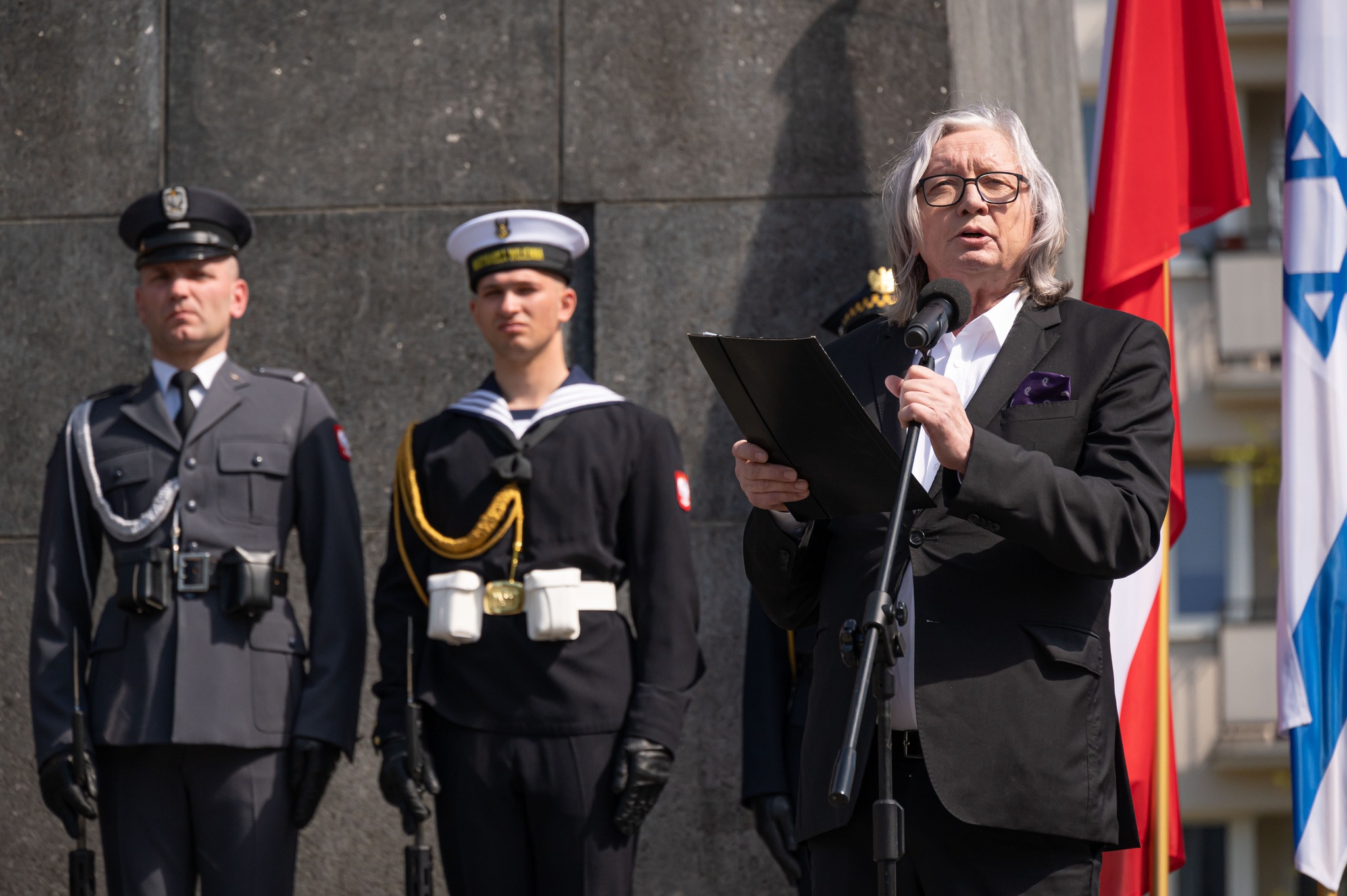
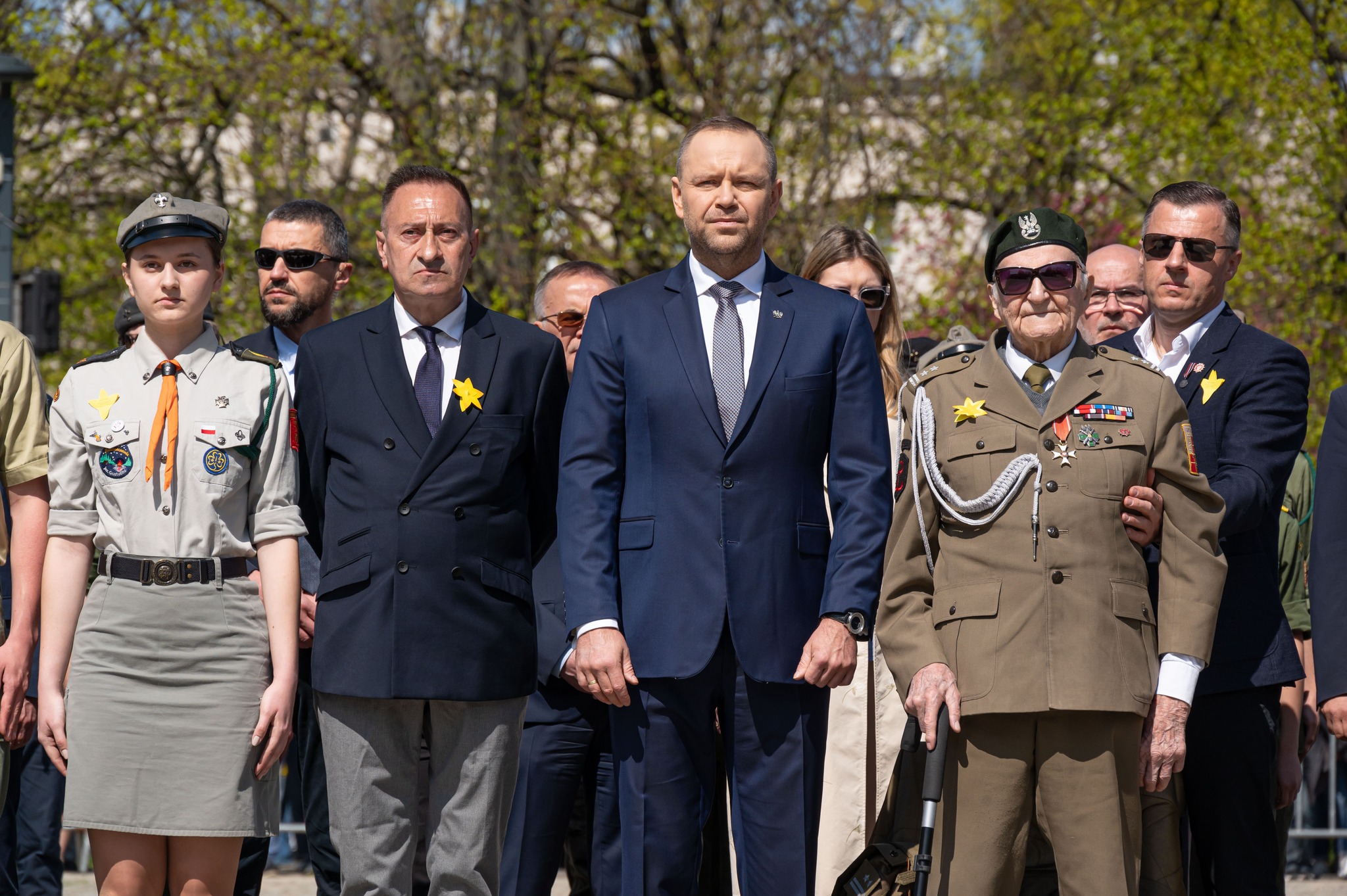
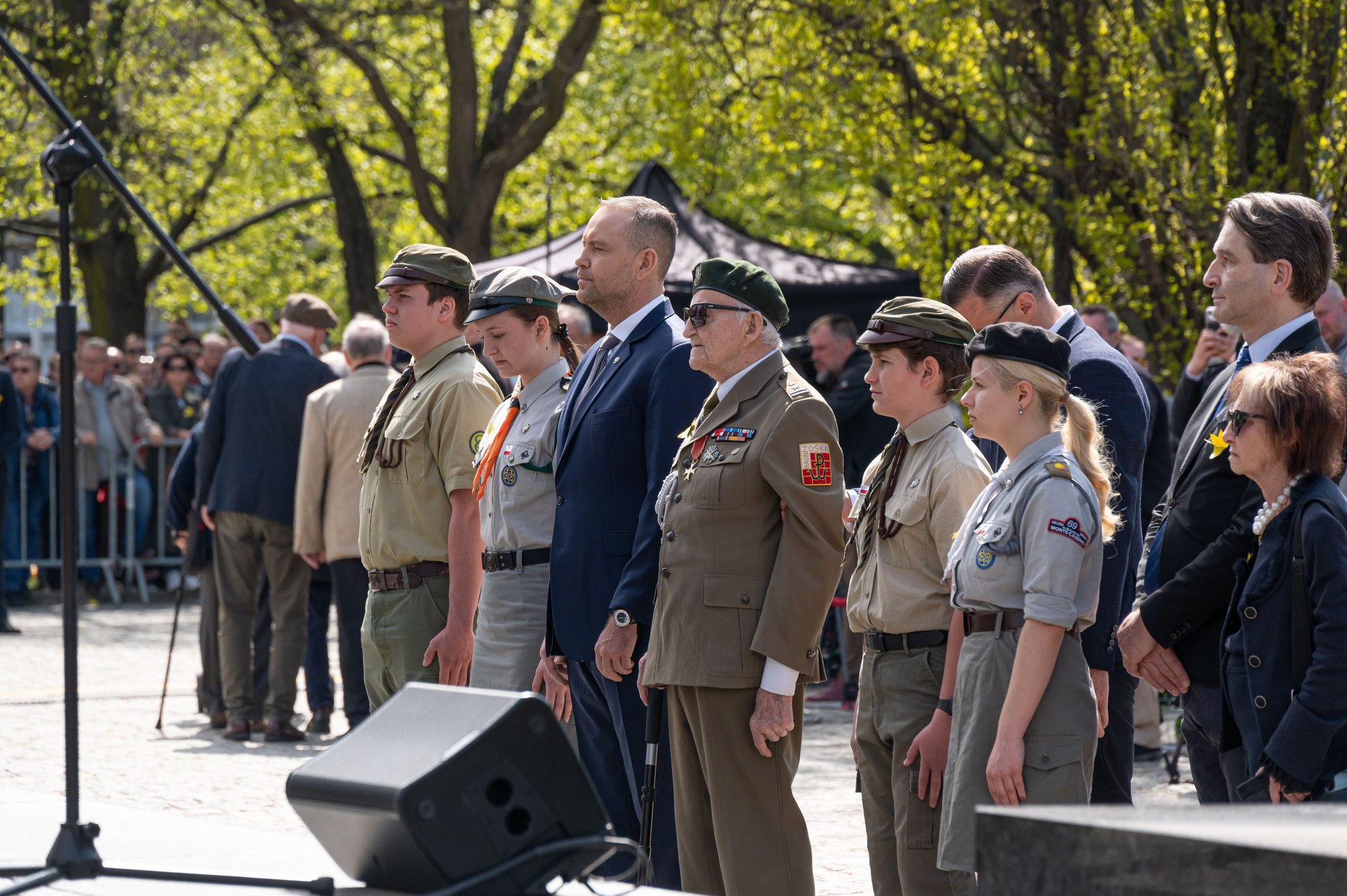
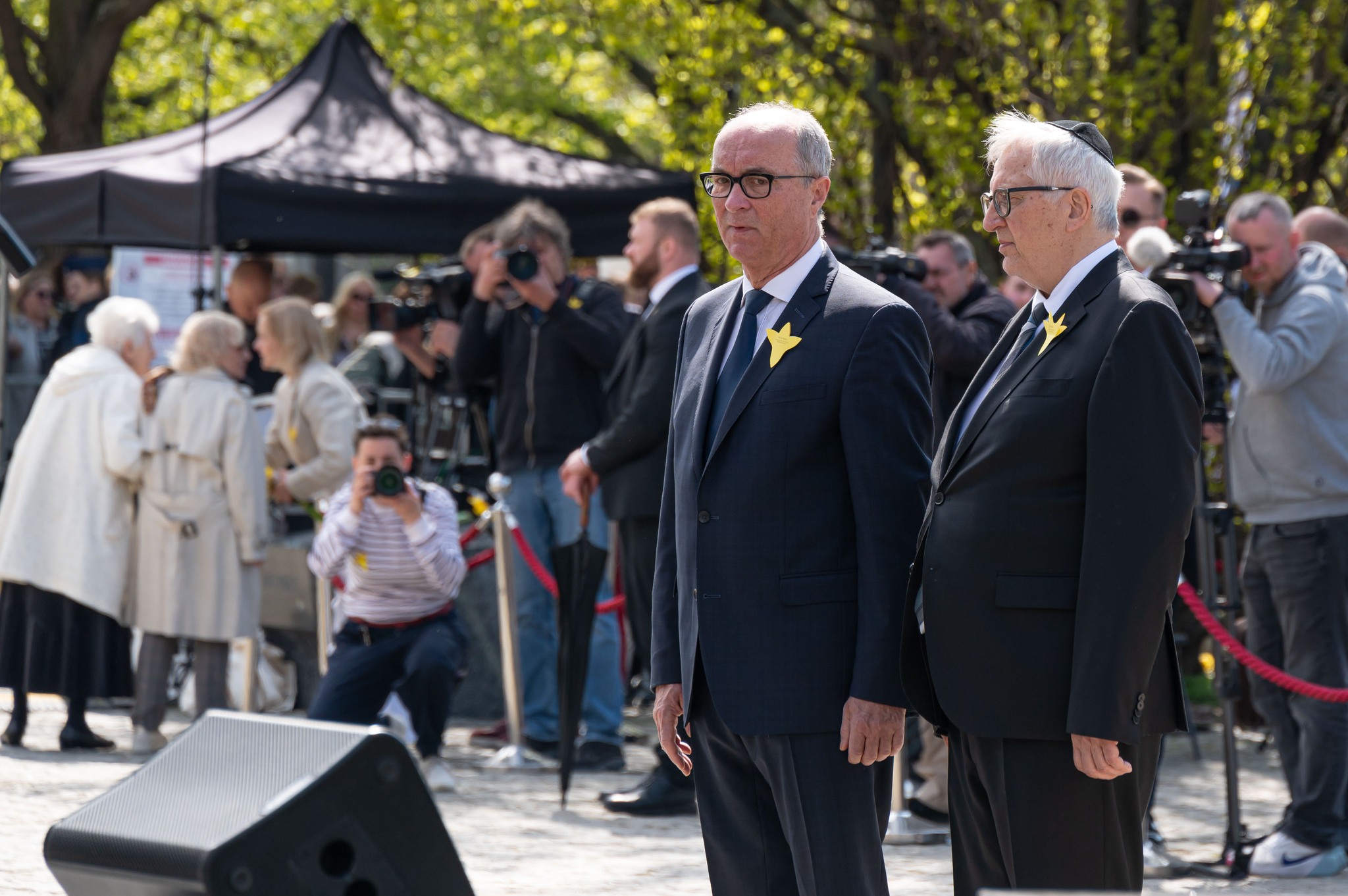
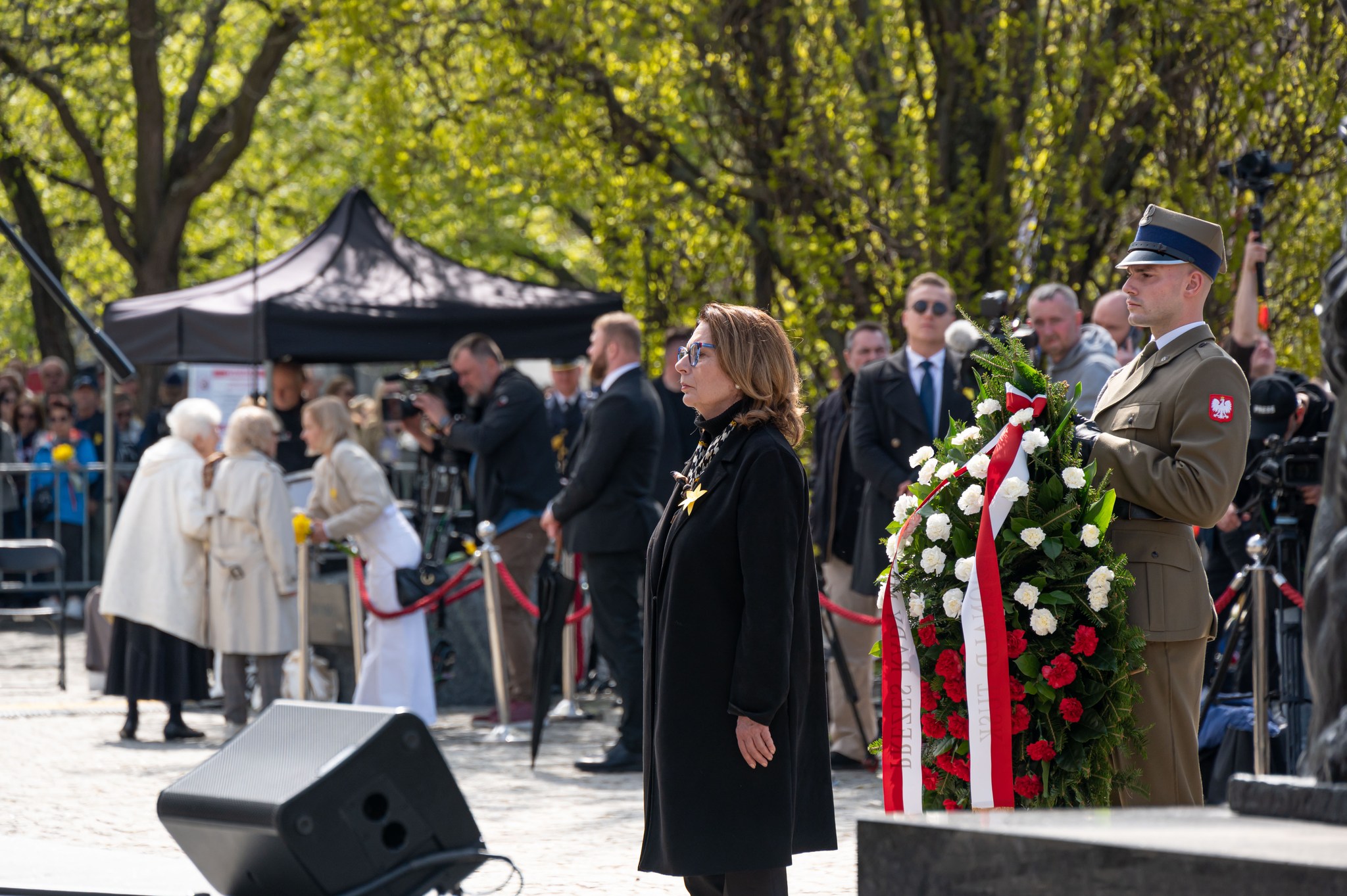
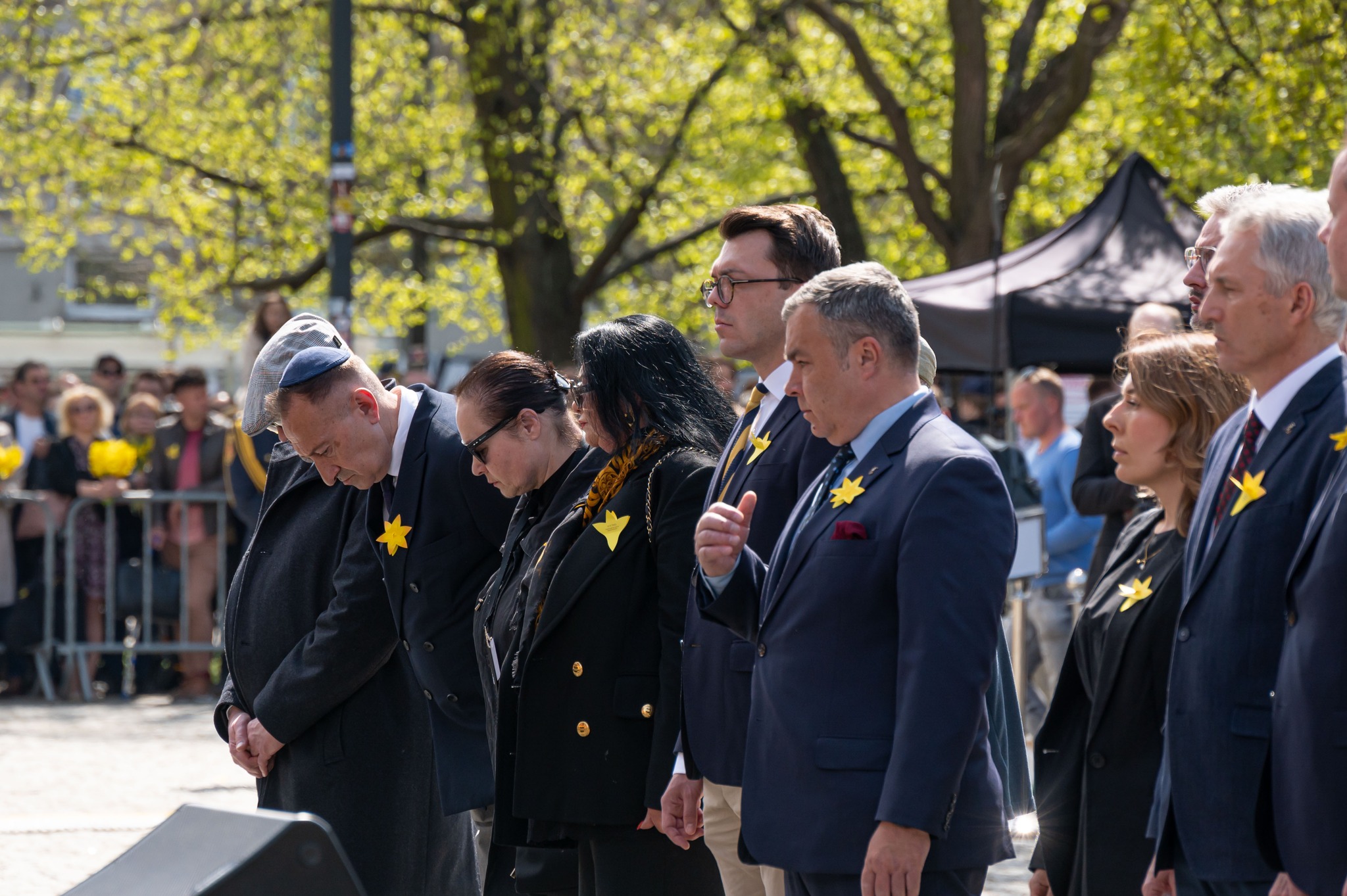
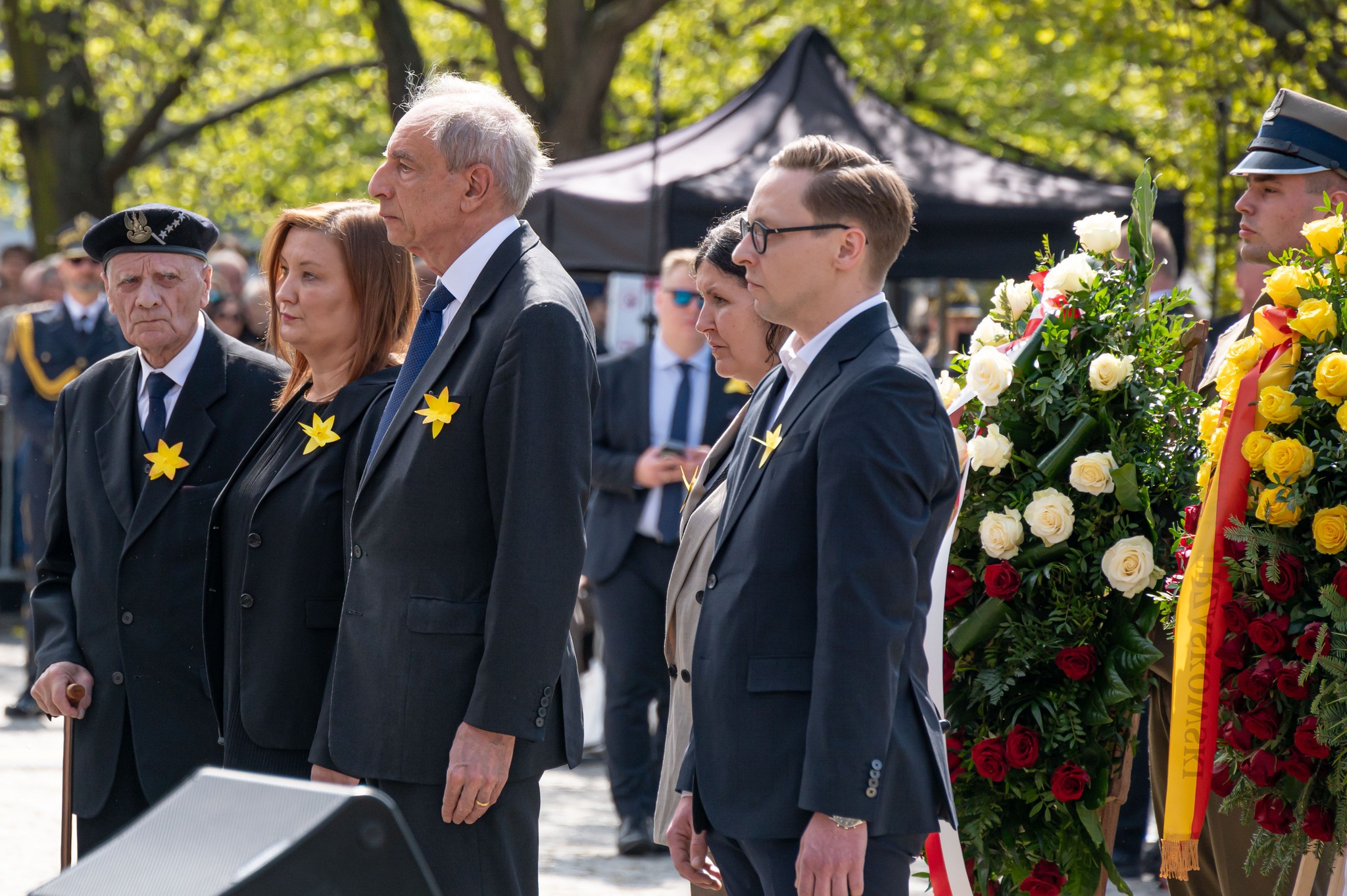
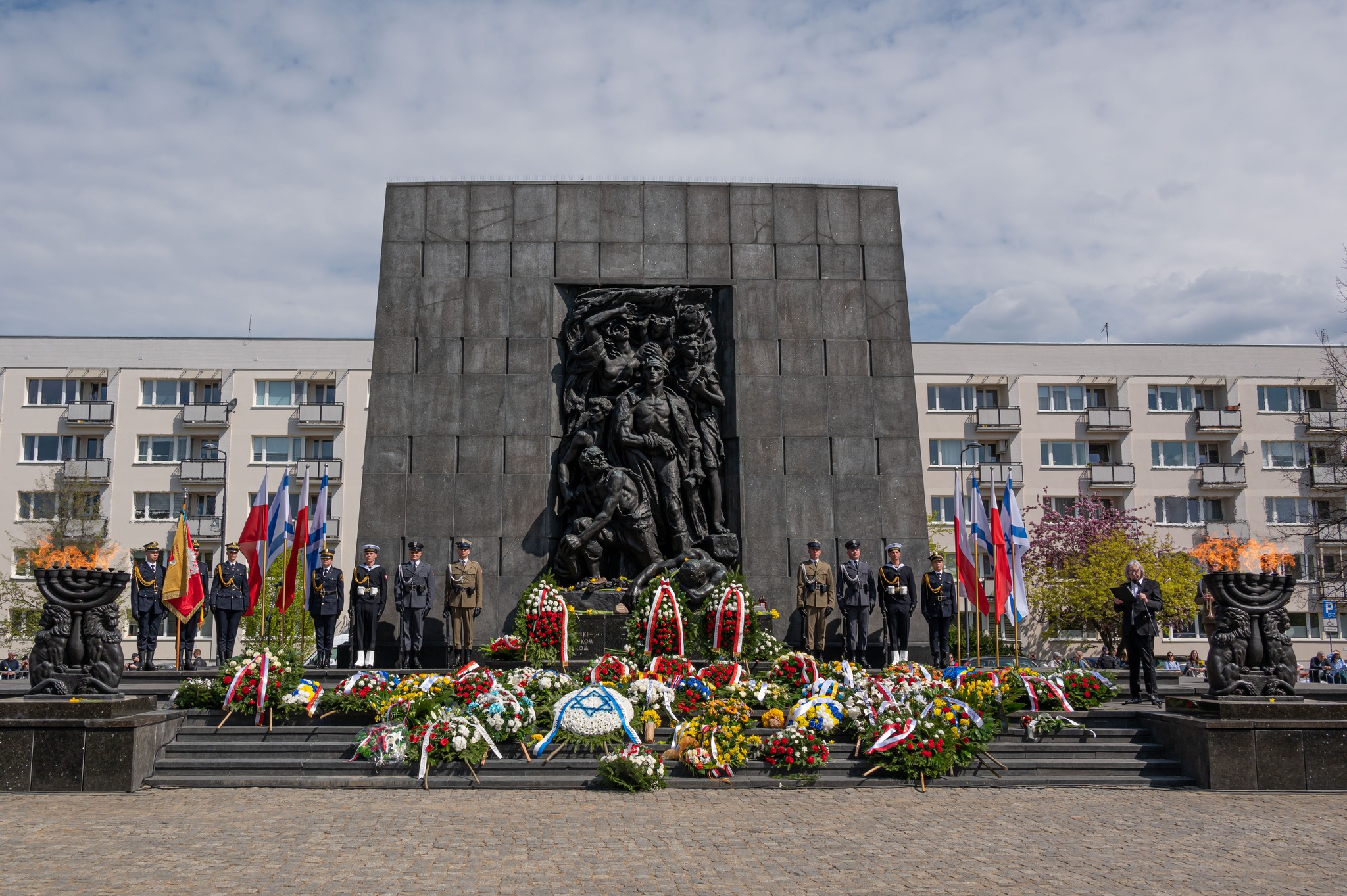
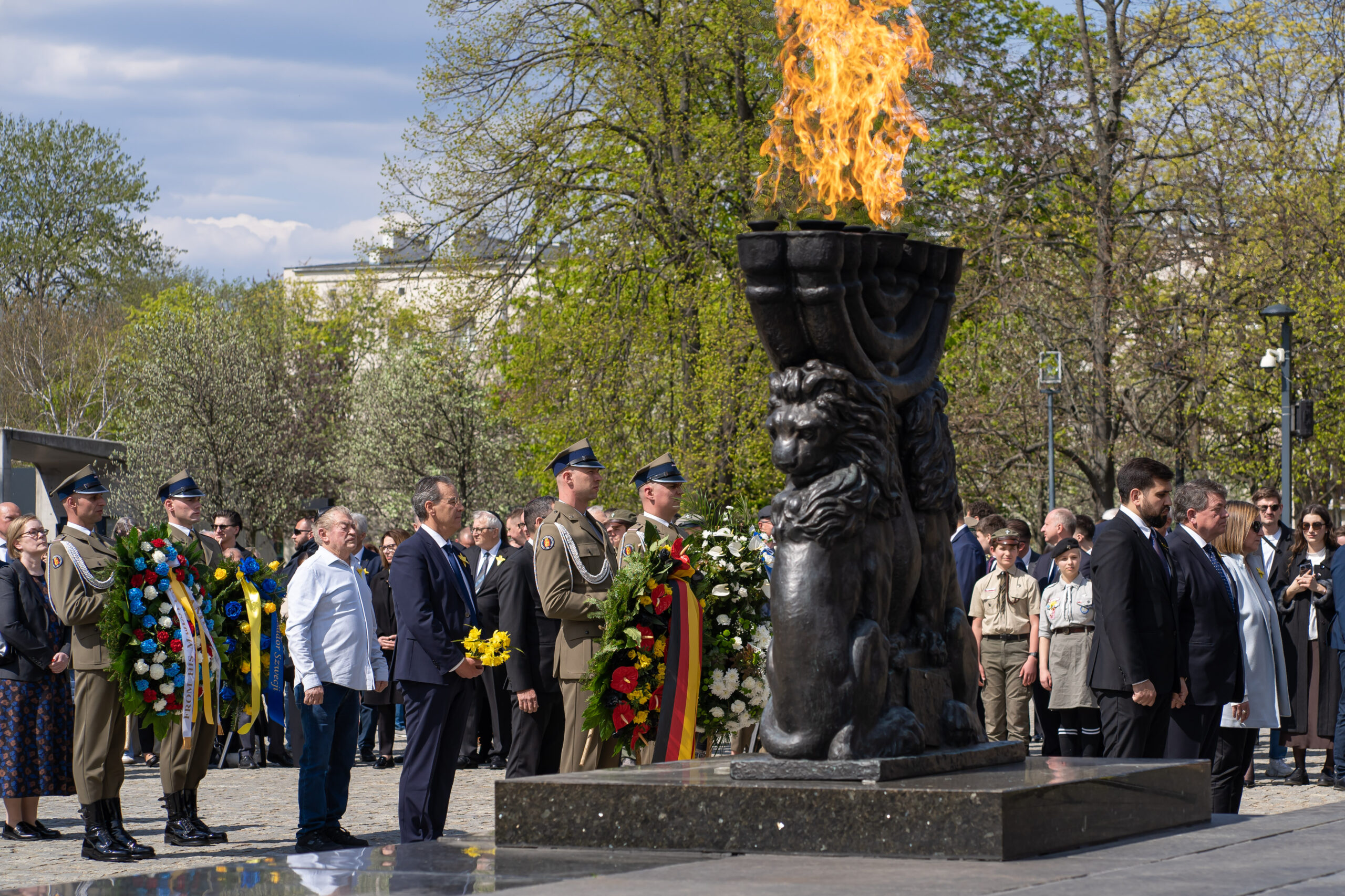
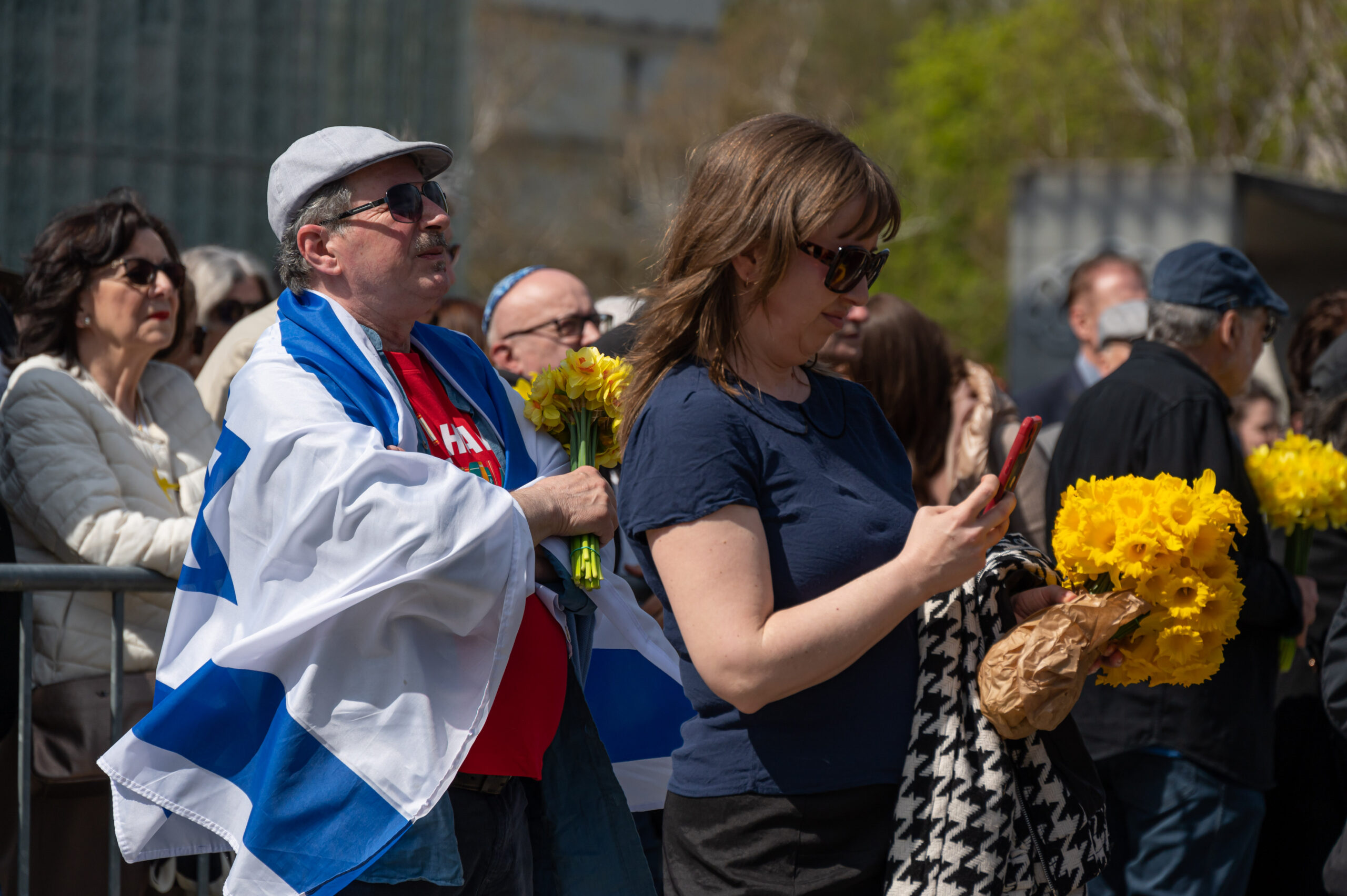
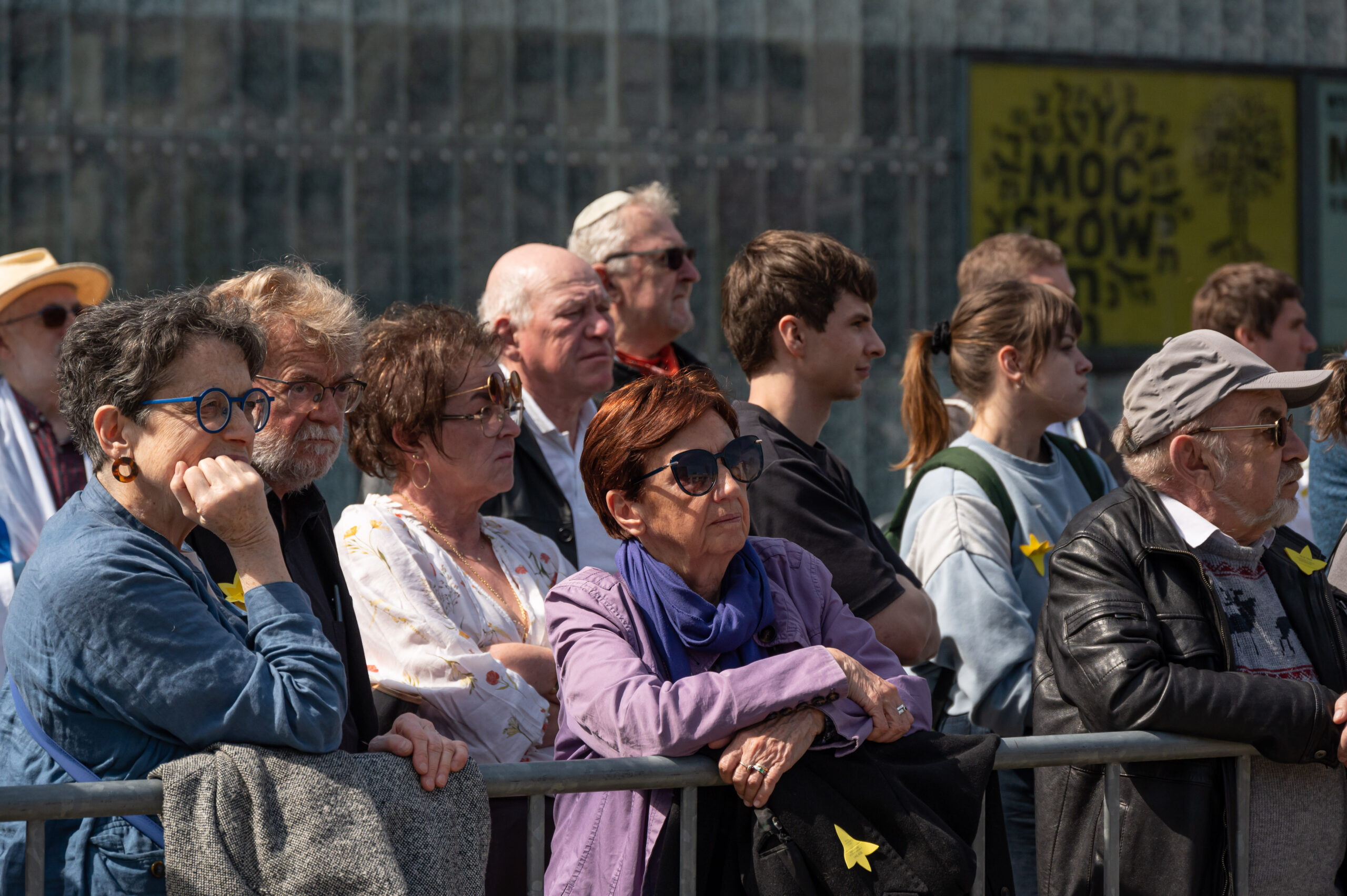
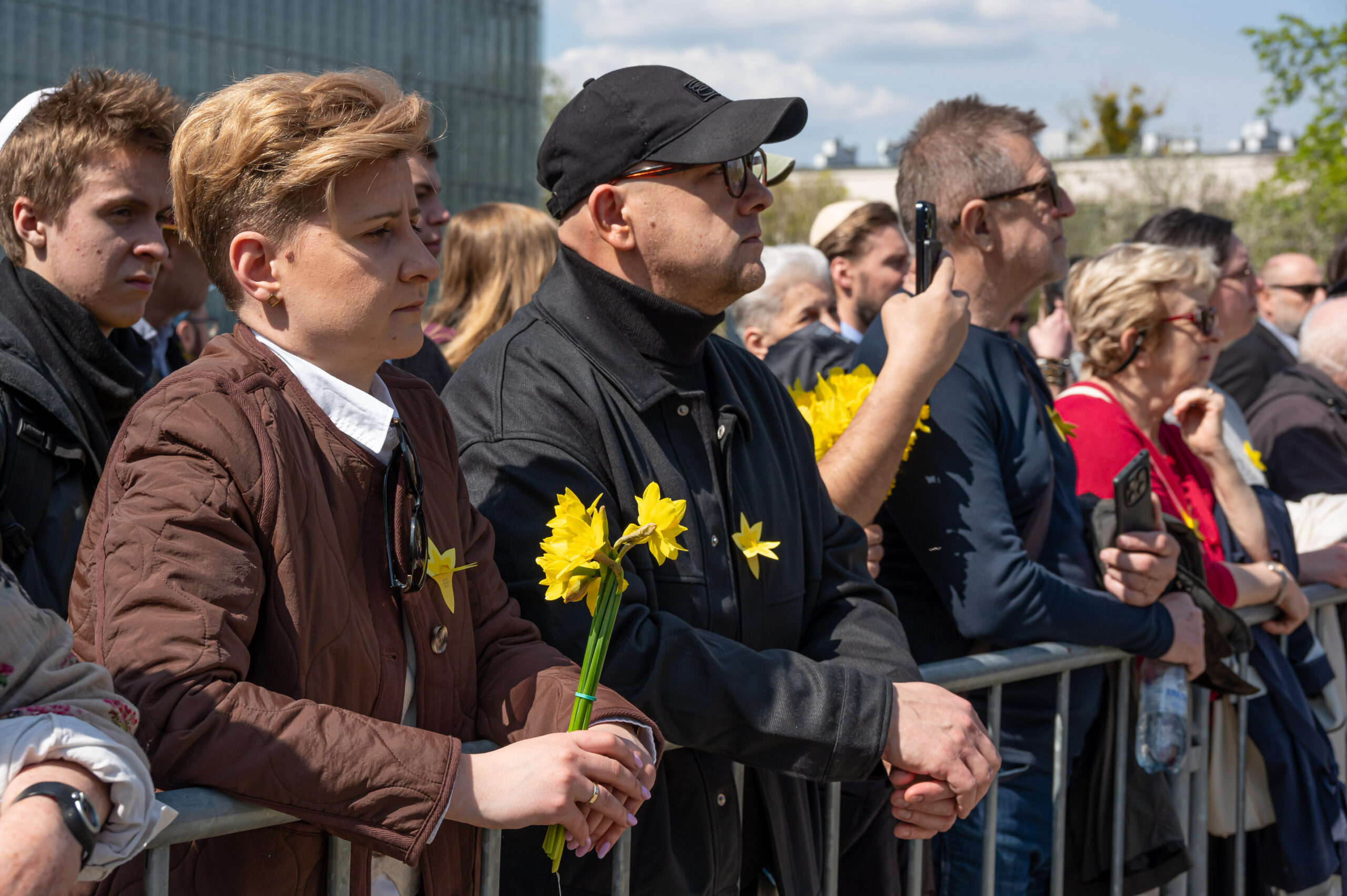
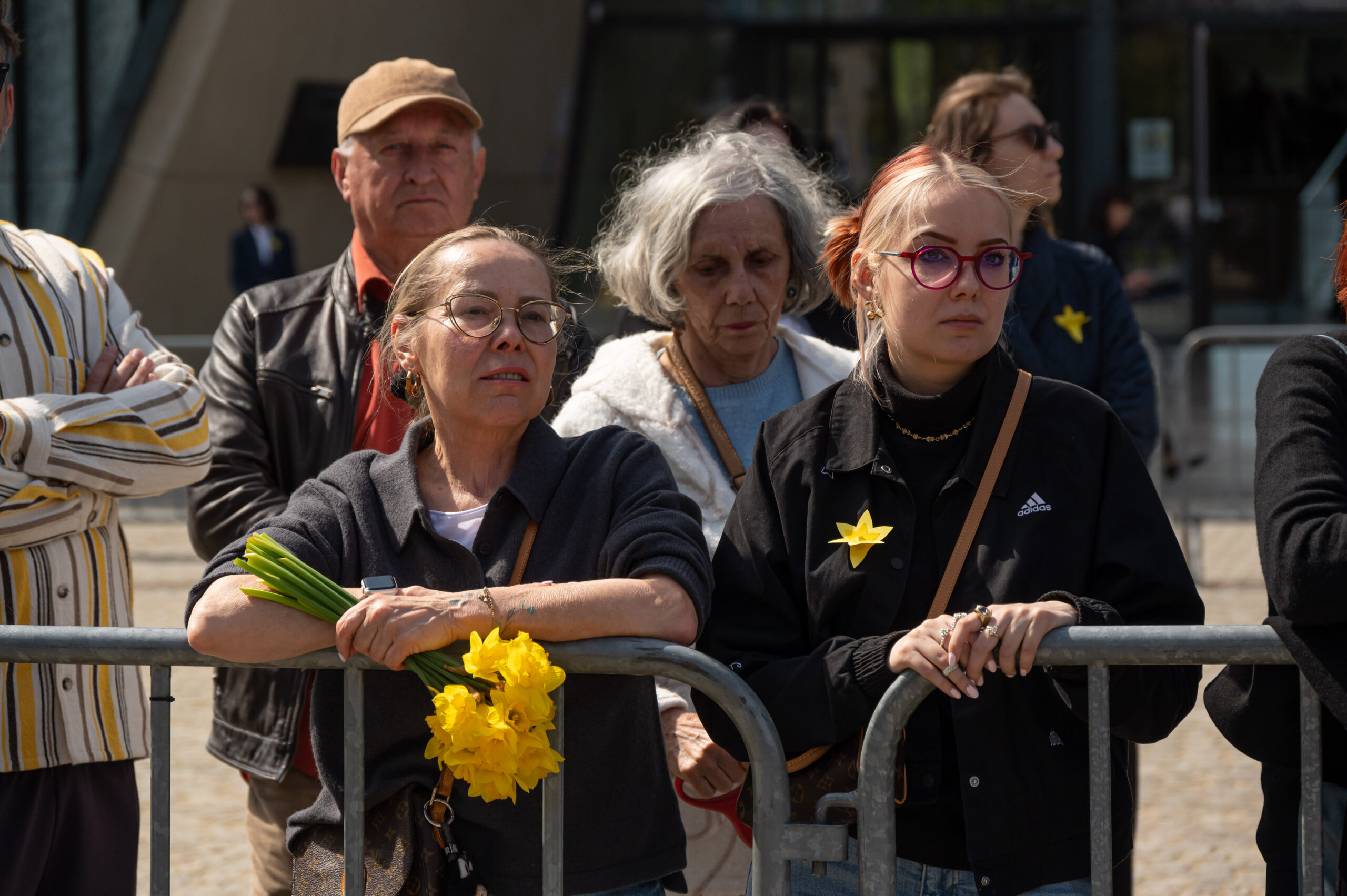
After the ceremony at the Monument to the Ghetto Heroes, participants laid flowers at other sites of remembrance, including the first Warsaw Ghetto Monument (1946), the Żegota Memorial, the Szmul Zygielbojm Memorial, the Mordechaj Anielewicz Bunker, and the Umschlagplatz.
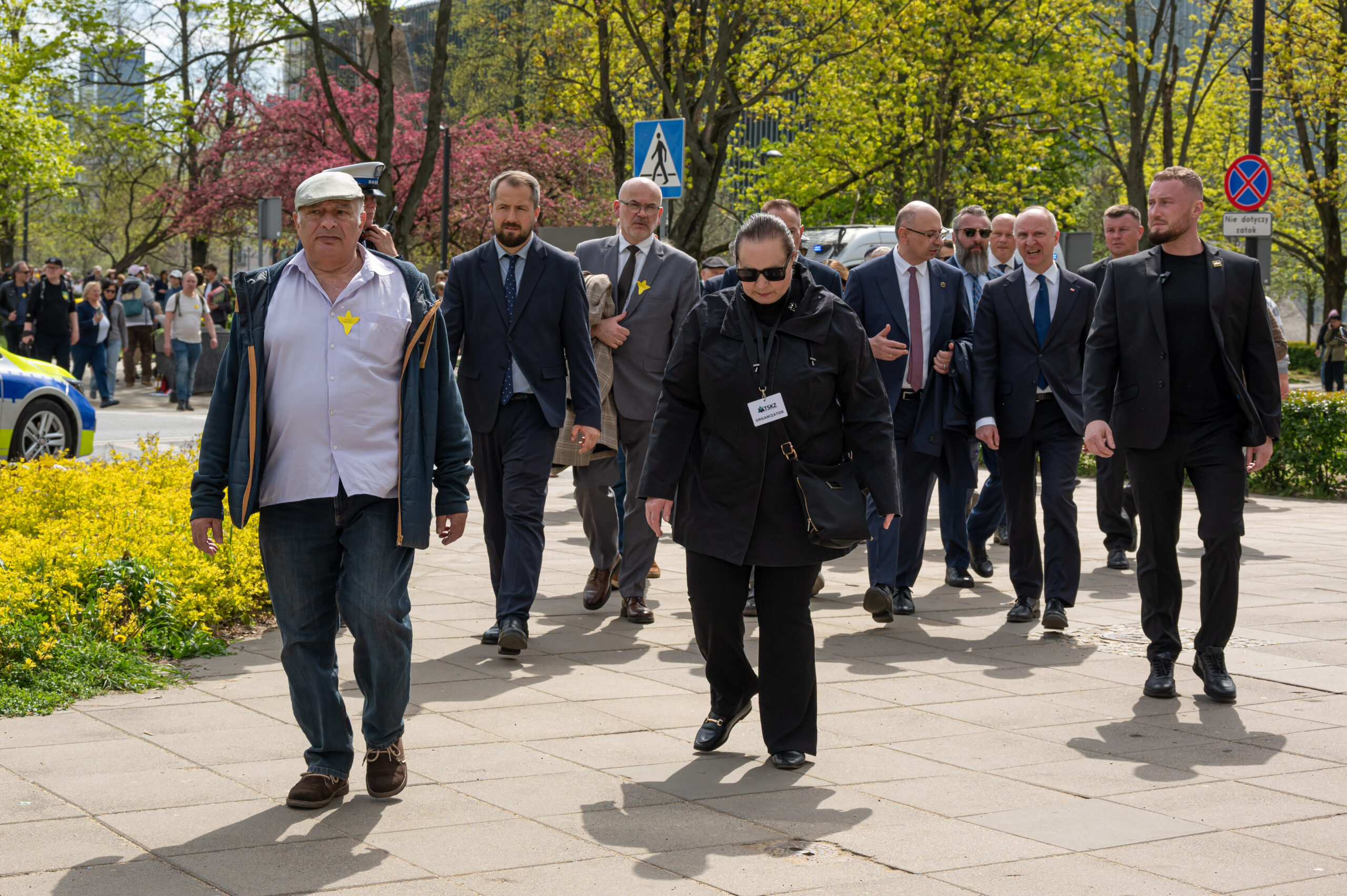
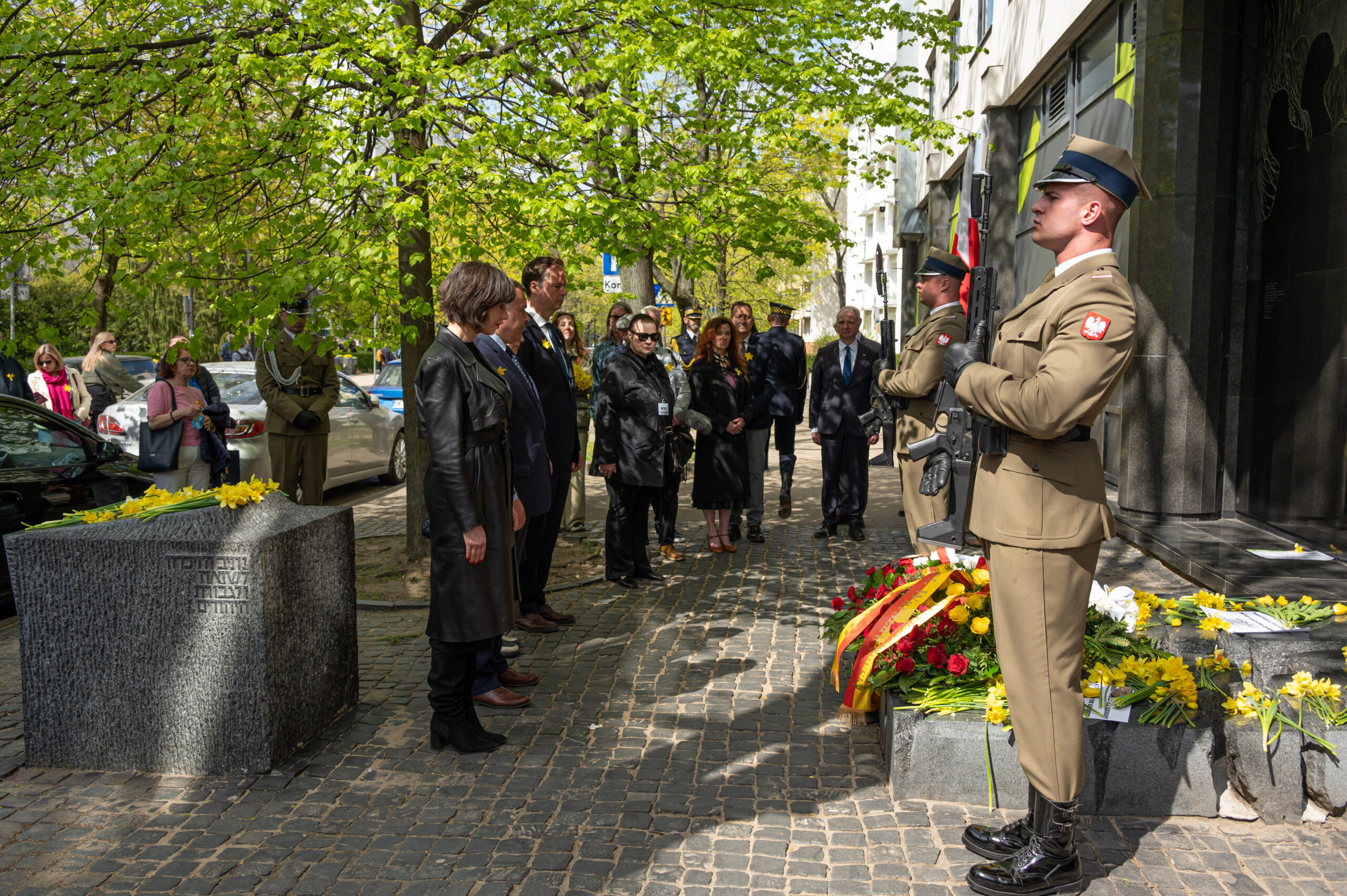
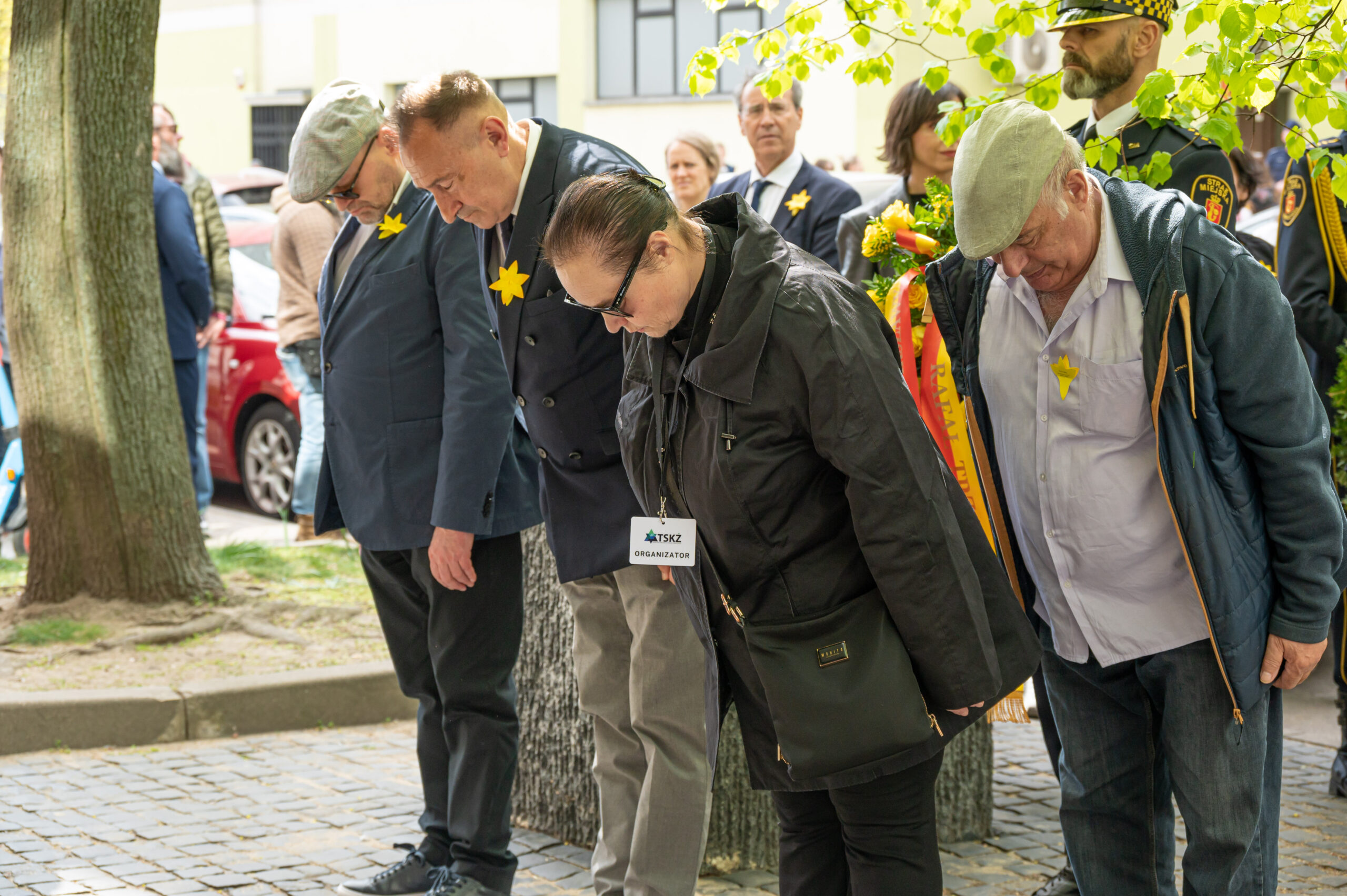
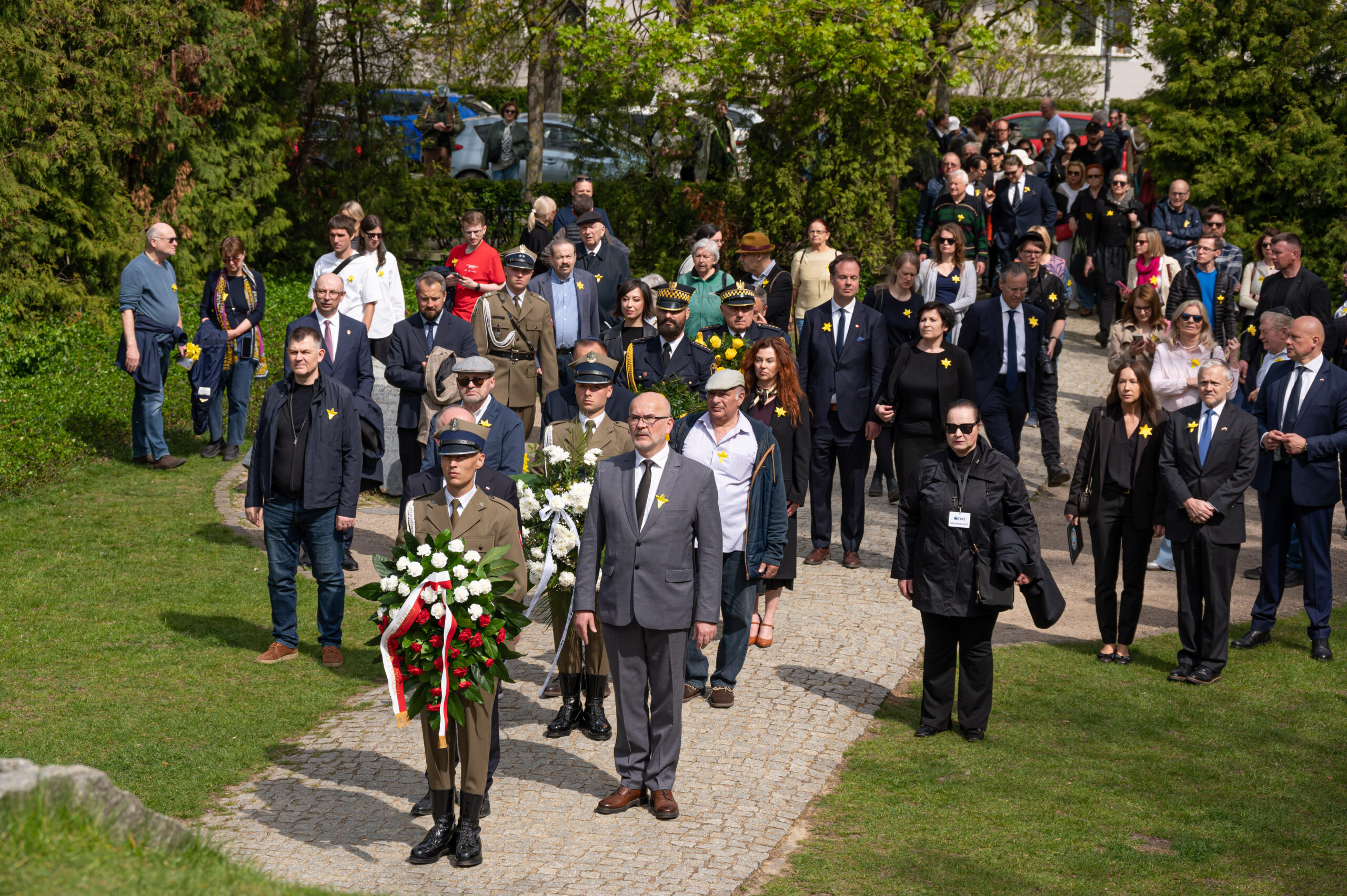
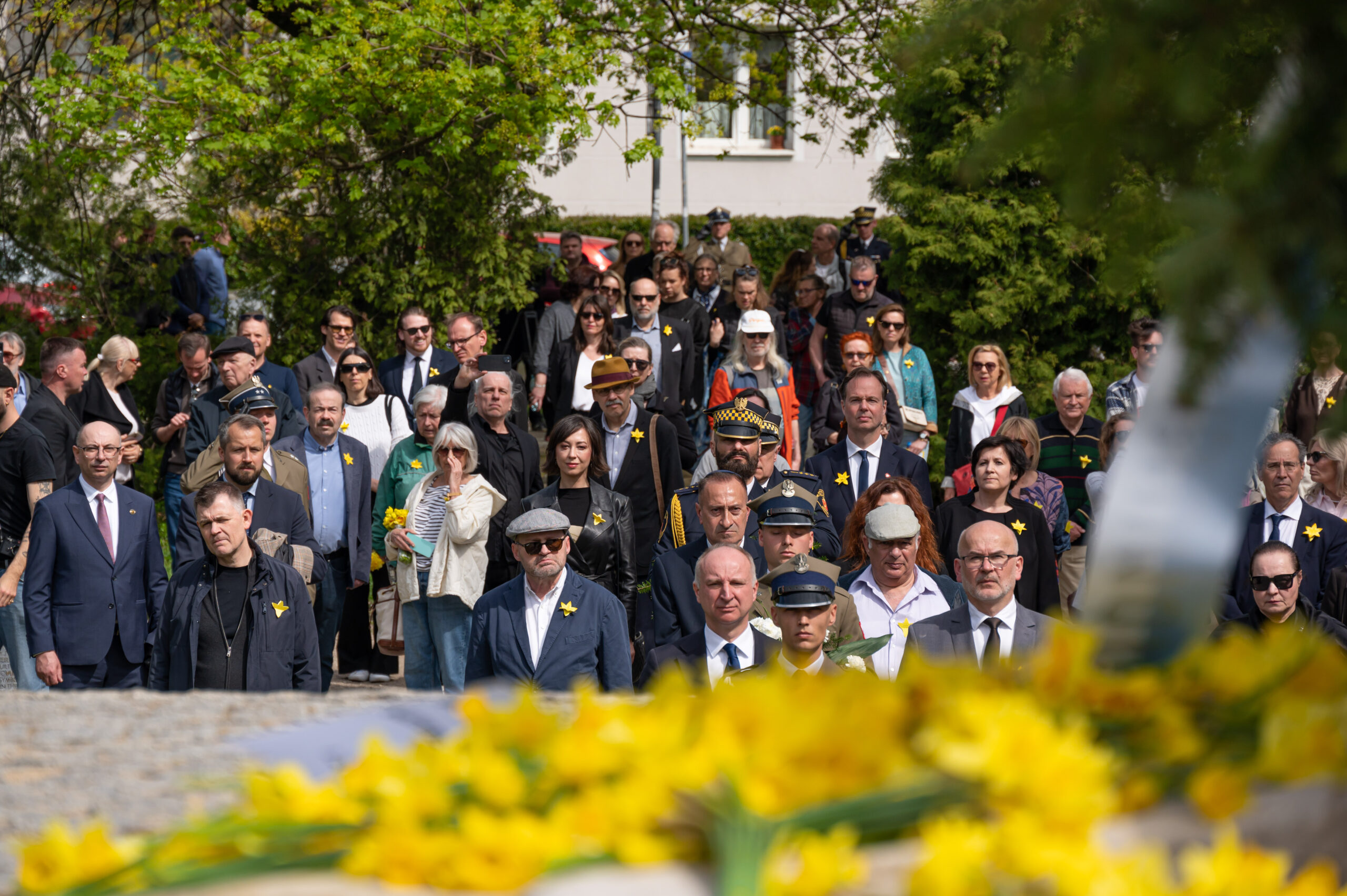
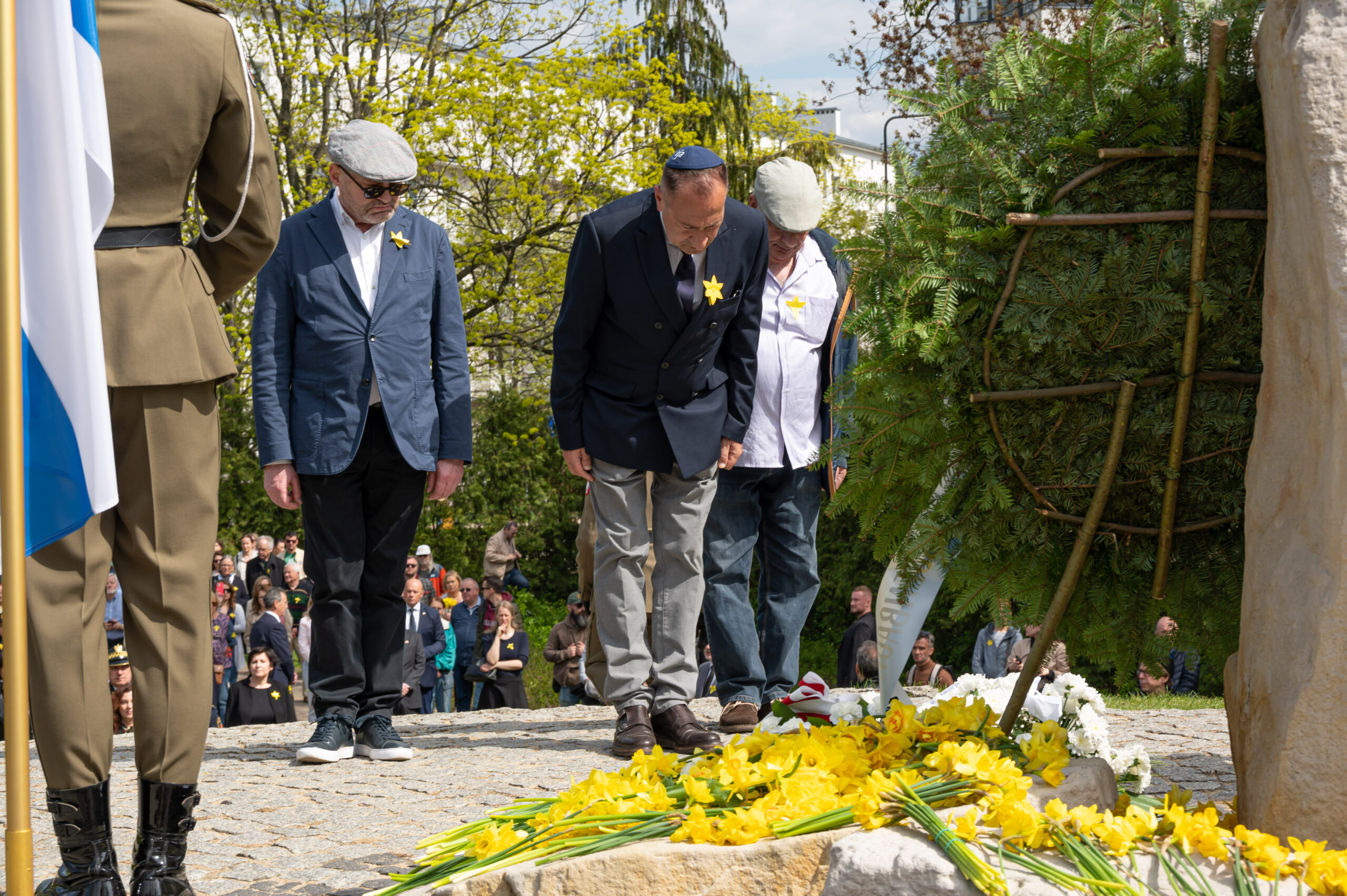
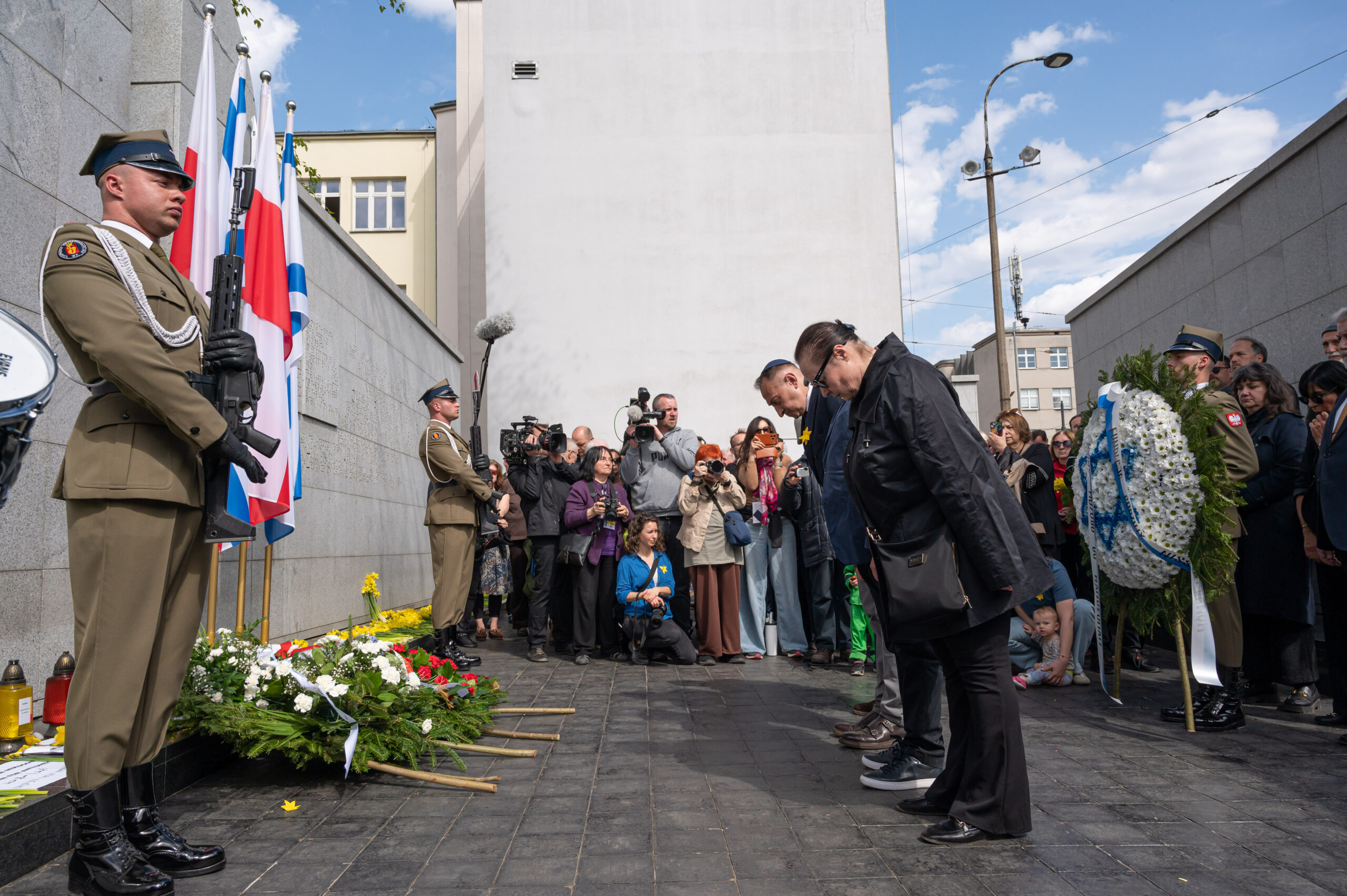
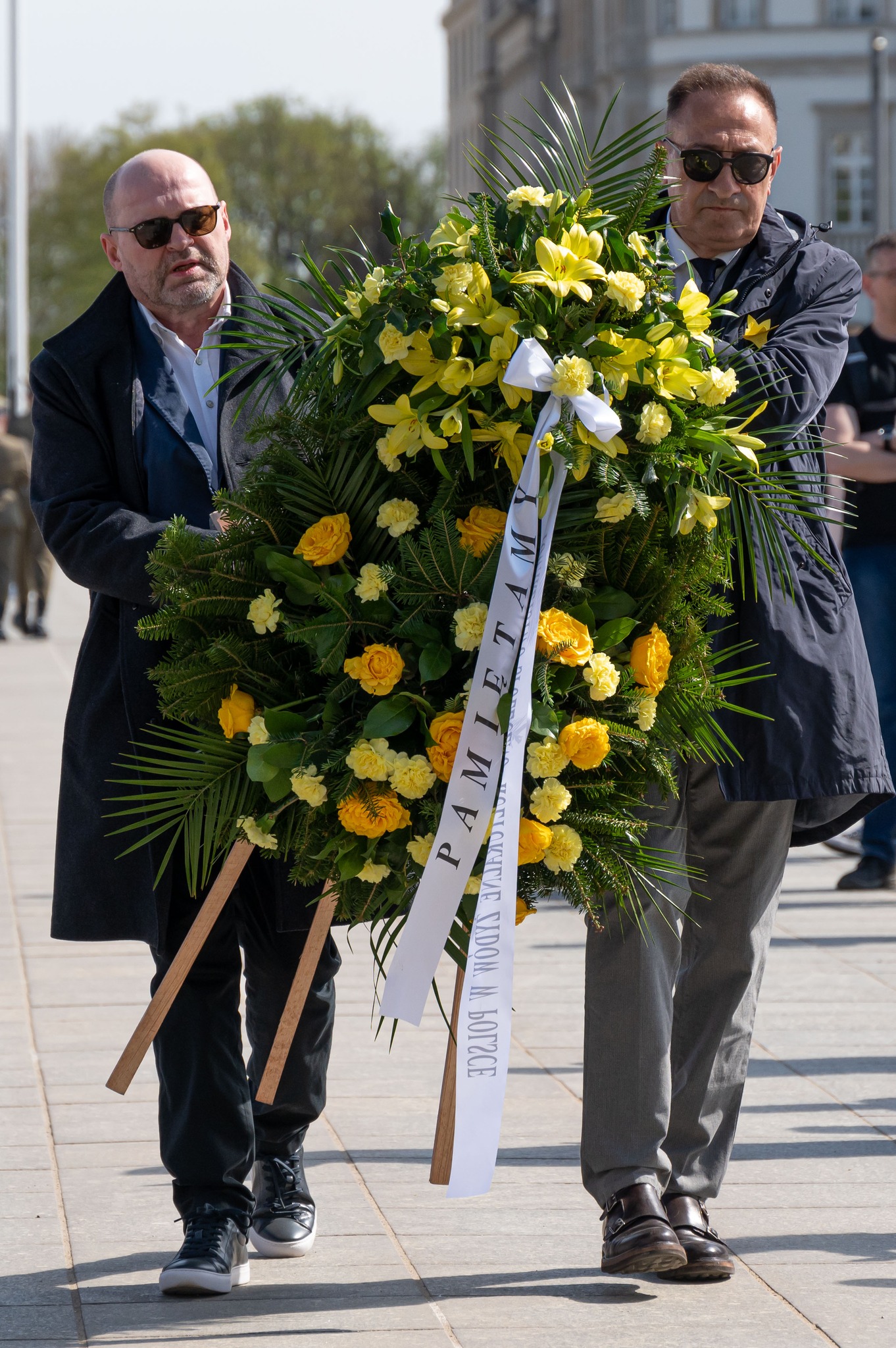
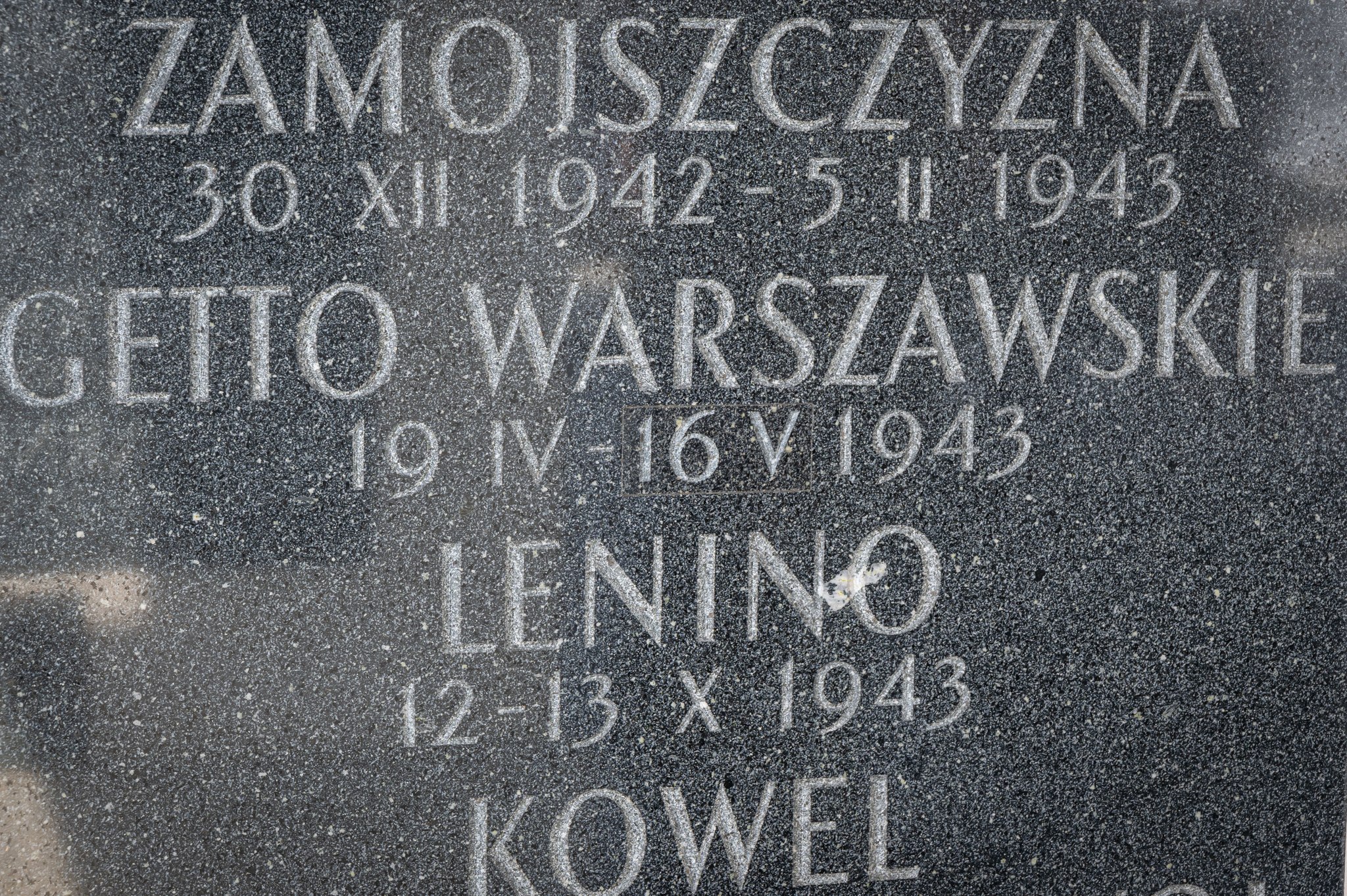
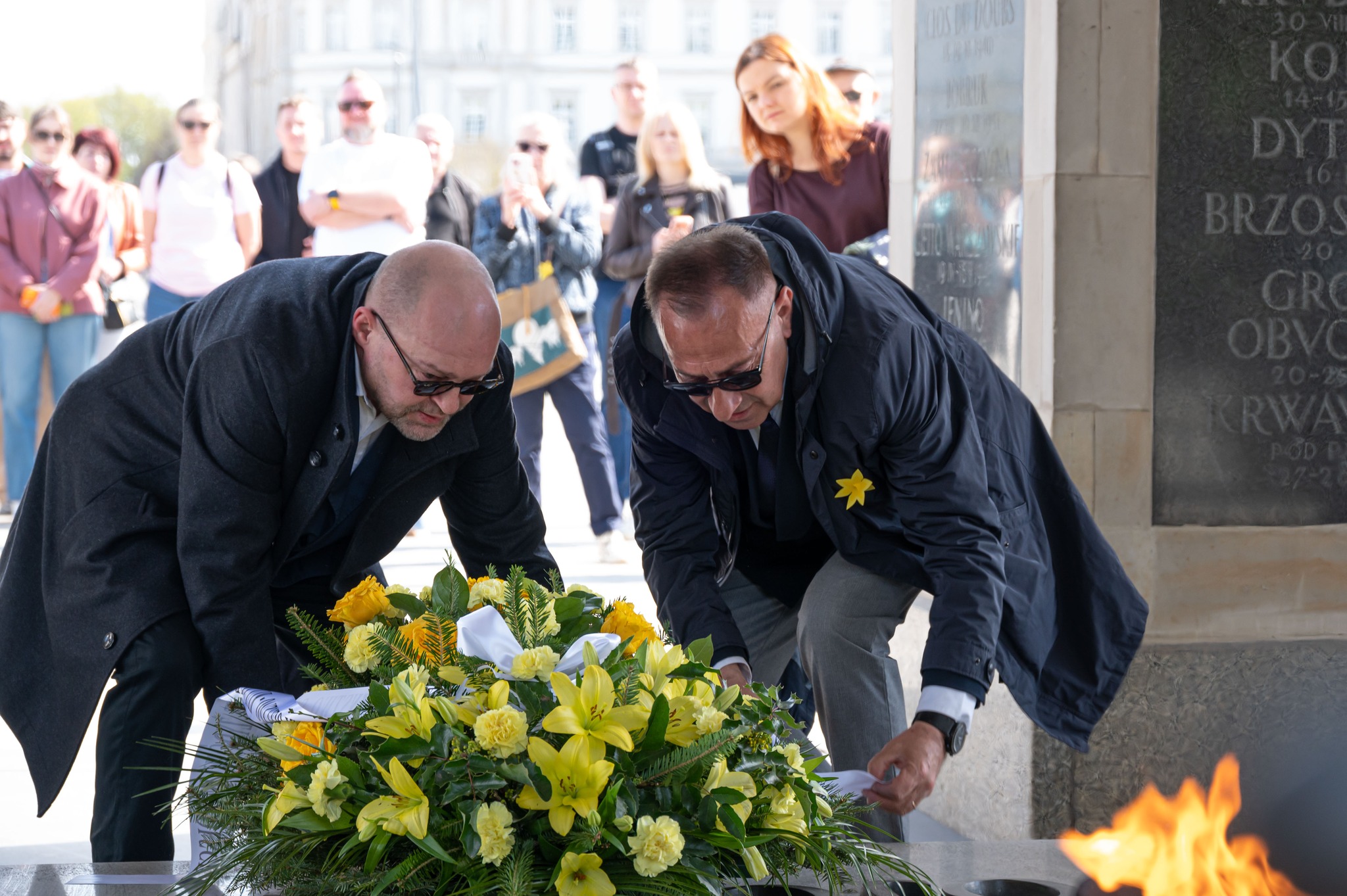
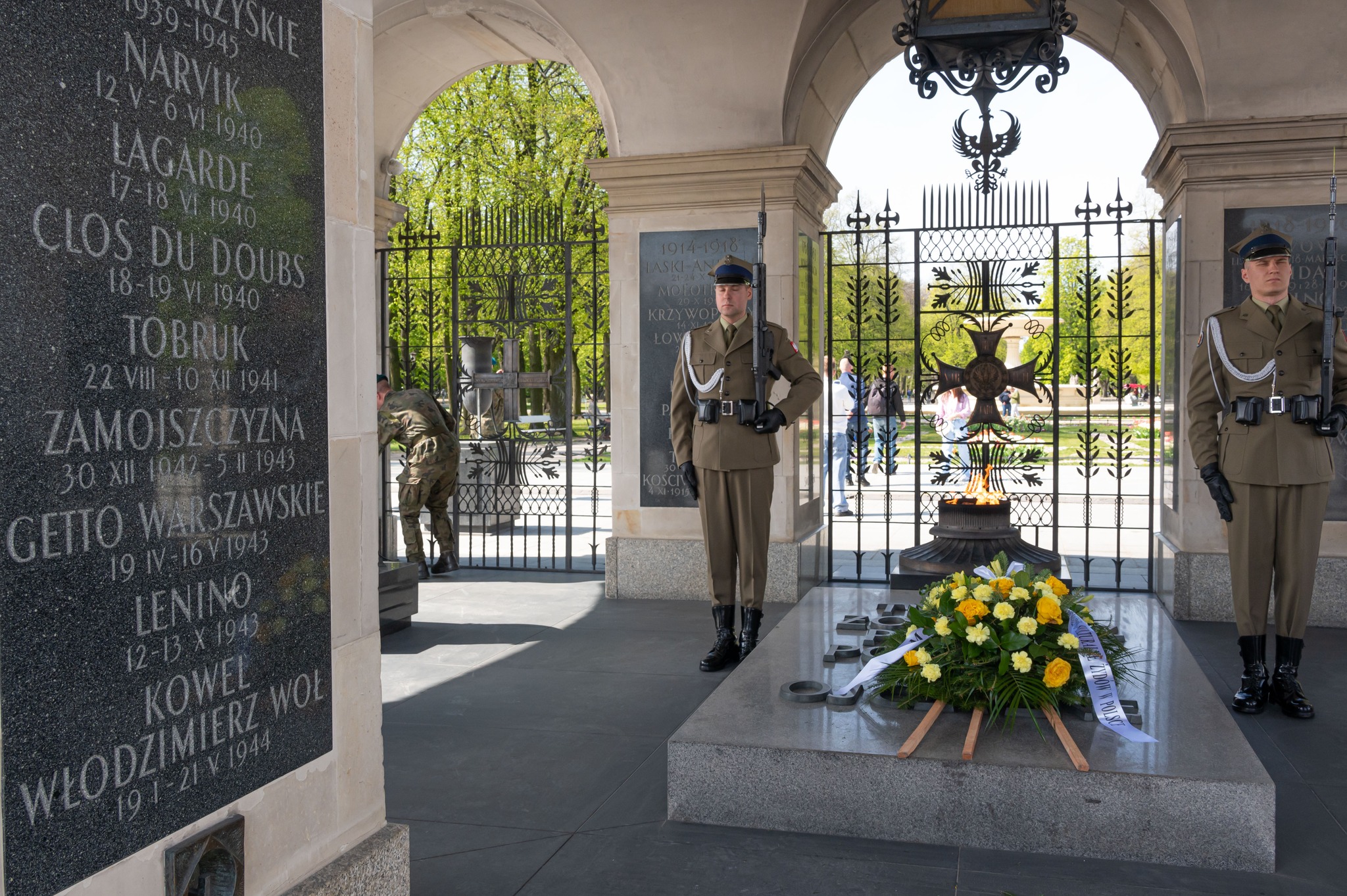
It is not widely known that the Tomb of the Unknown Soldier bears a plaque commemorating the Warsaw Ghetto Uprising. This symbolic tribute reminds us that the struggle of the Jewish fighters is part of our shared history and of the broader memory of resistance against the occupier.
The Social and Cultural Association of Jews in Poland remembers not only to pay tribute to the heroes at the monument in Muranów, but also at this special site. As every year, the Chairman, Artur Hofman, laid flowers there, emphasizing the significance of this event for the history of Poland.
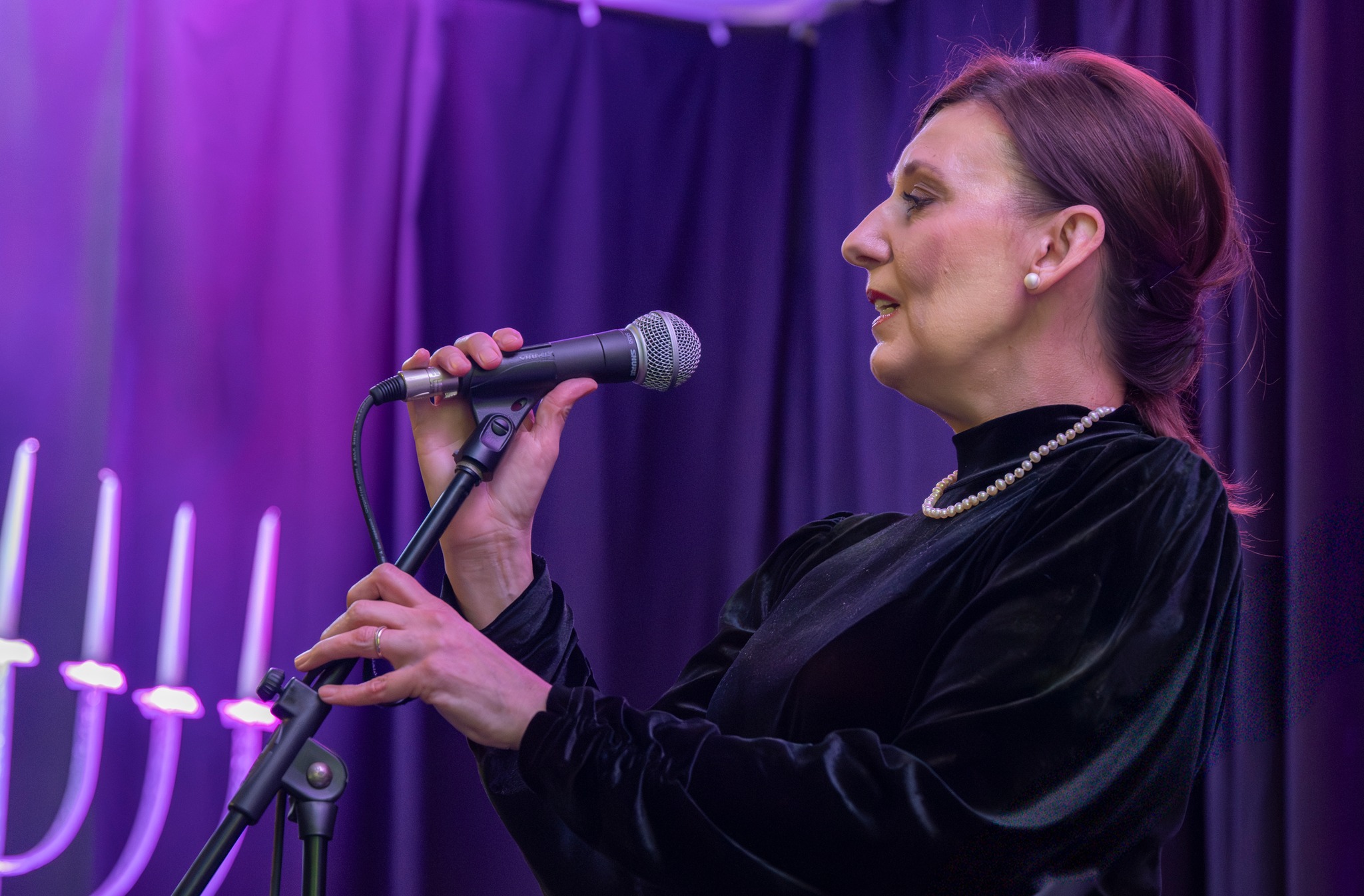
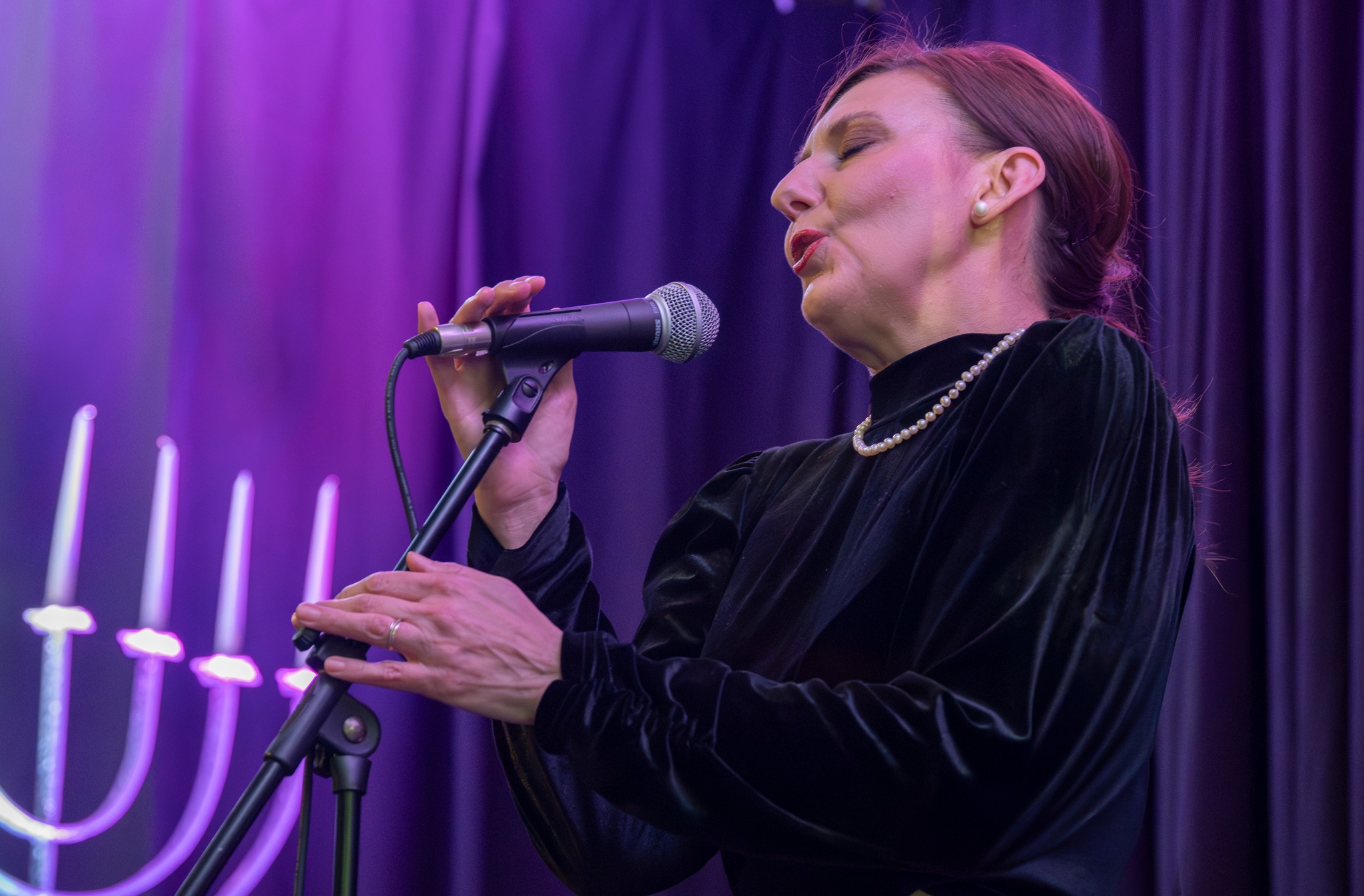
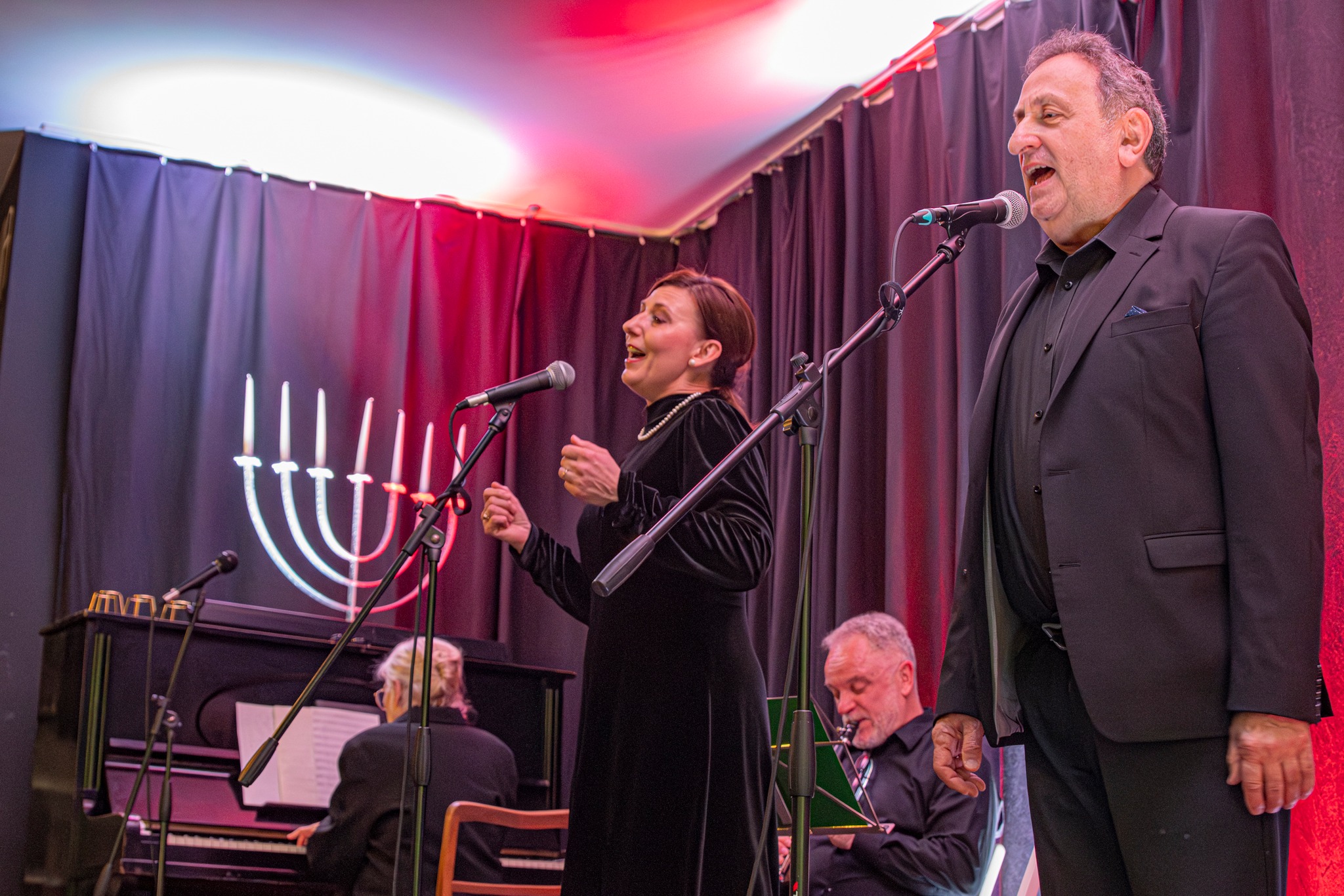
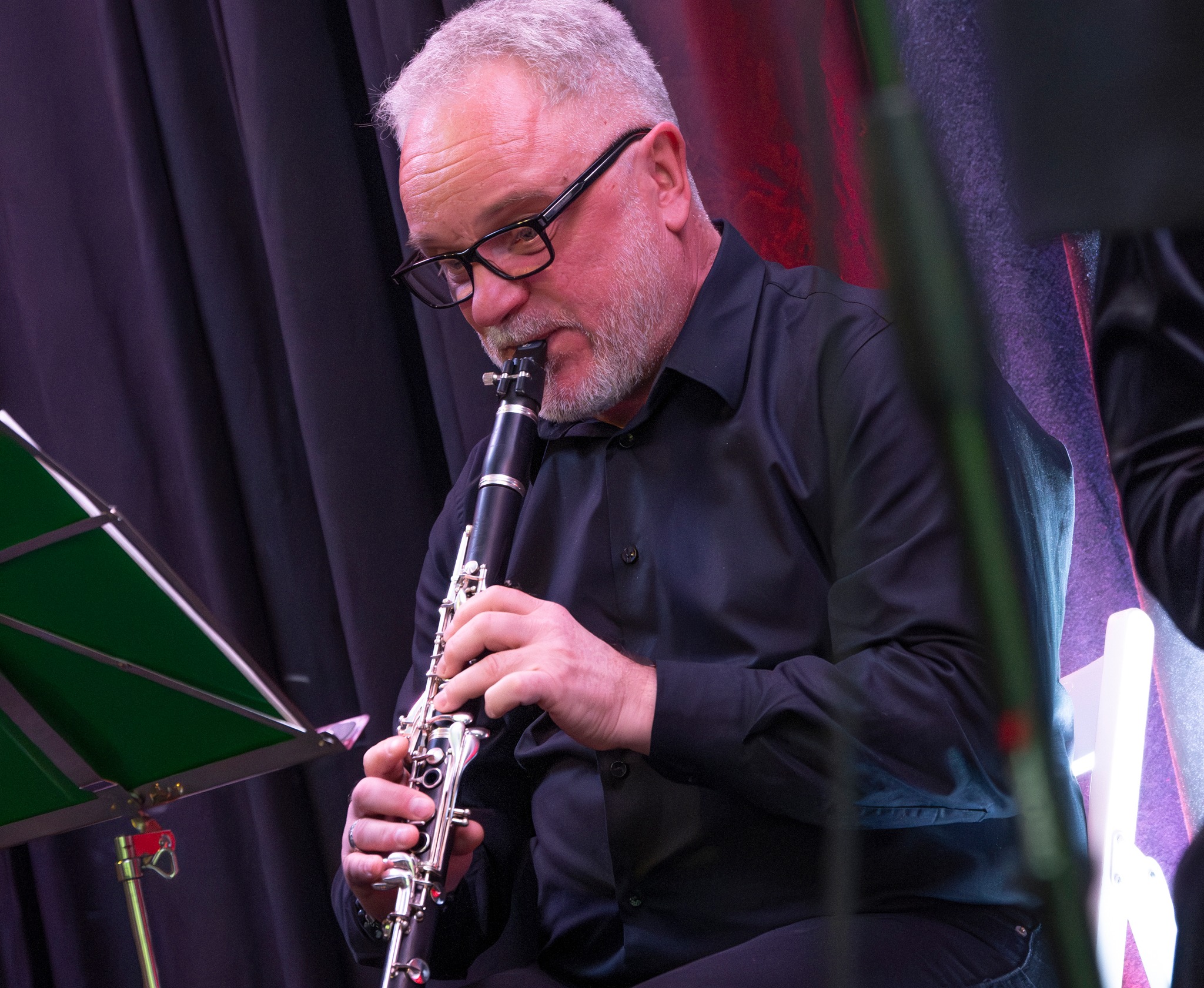
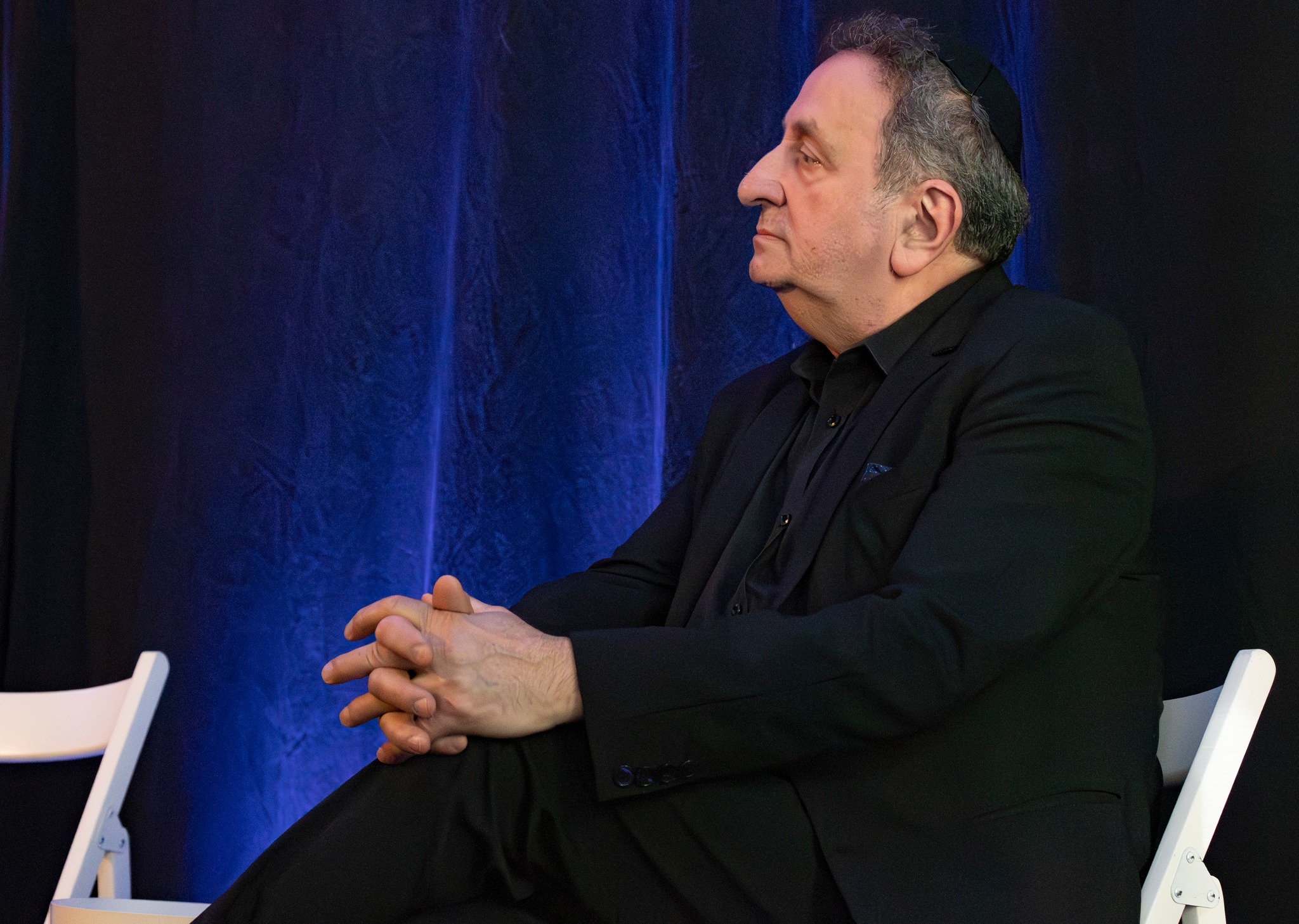
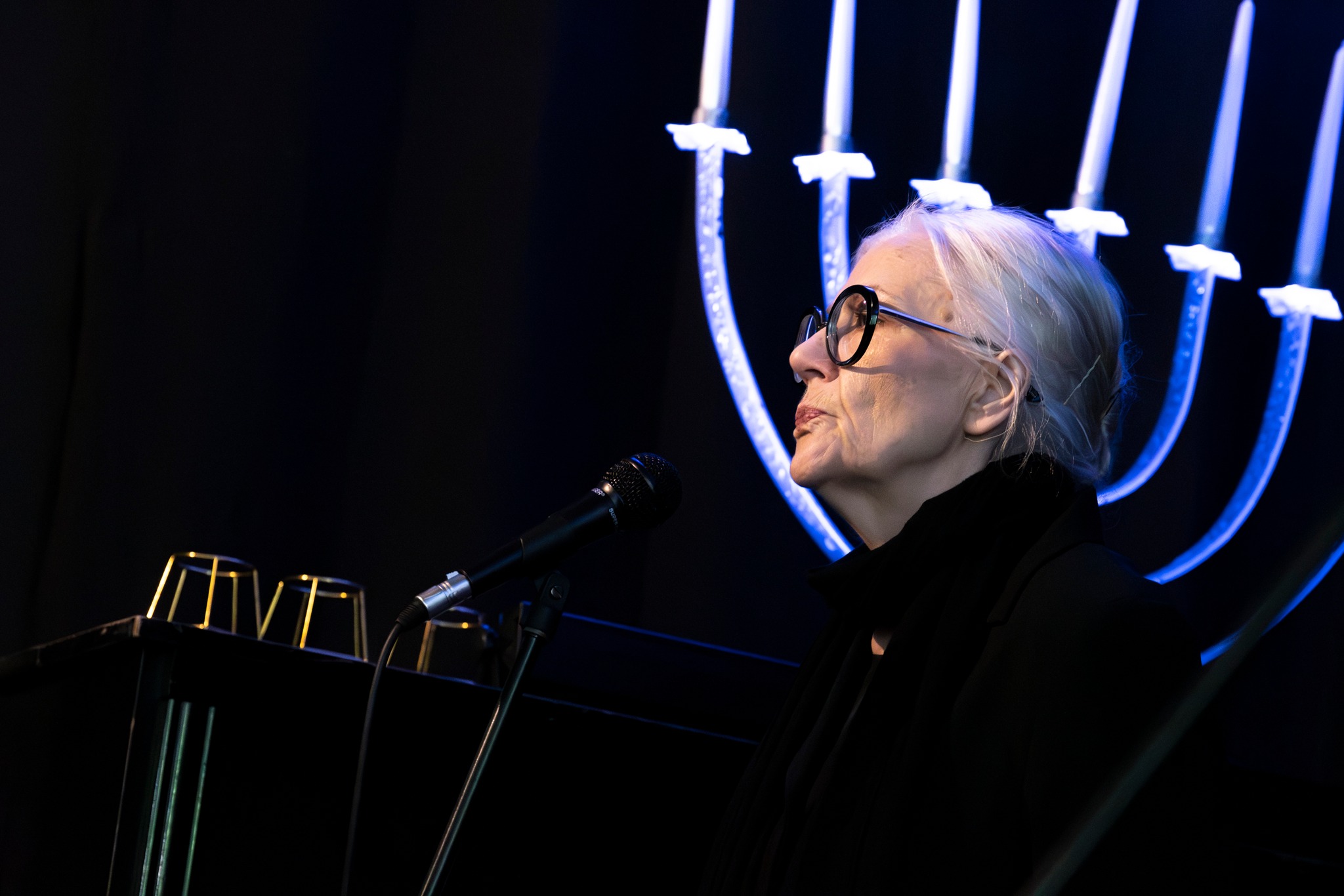
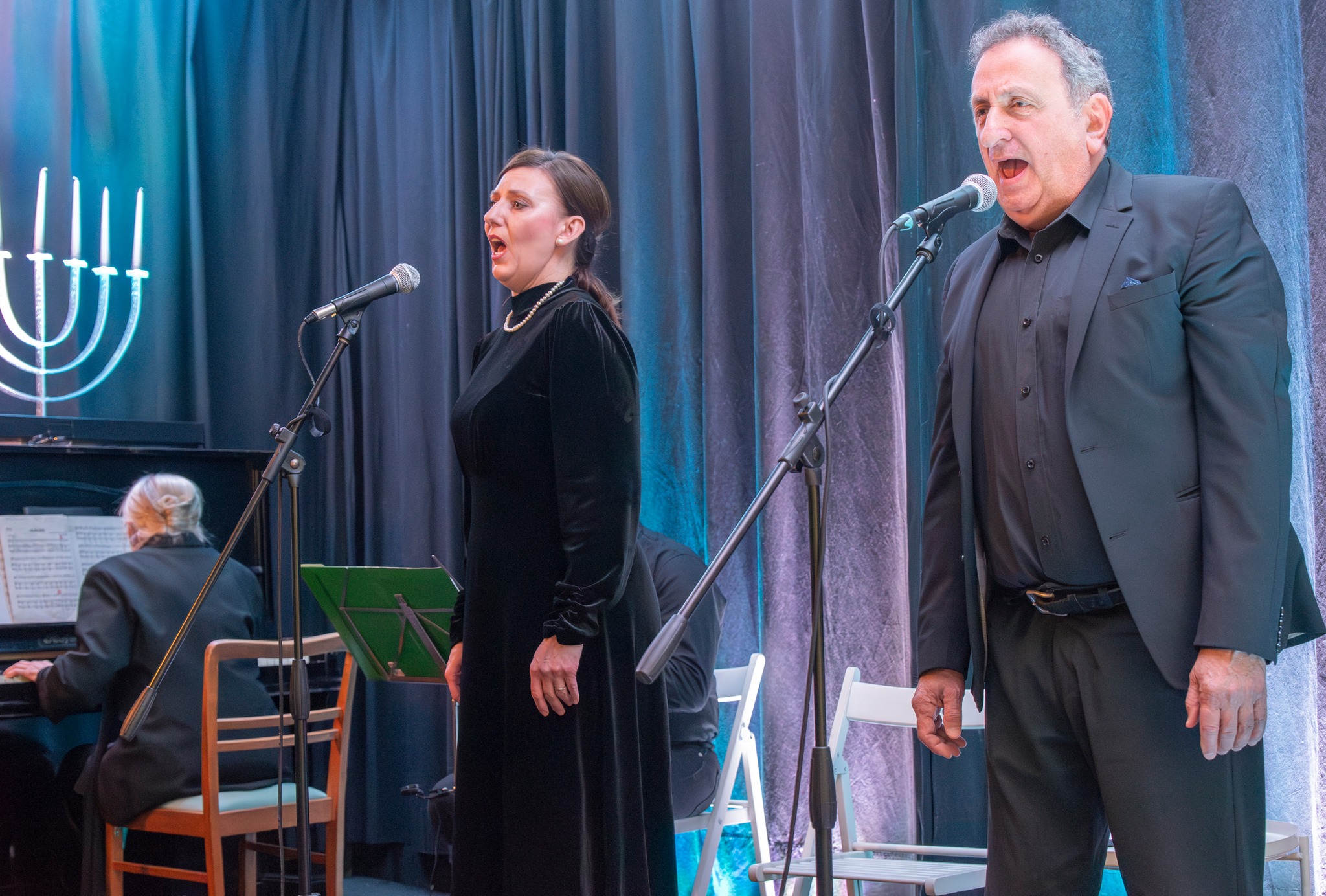
The concert And God Hid His Face held on 26 April 2026 at the Babel Club, was a moving event commemorating the 83rd anniversary of the Warsaw Ghetto Uprising. Within the Club’s premises, songs and poetry from the time of the Holocaust resonated in powerful interpretations by Monika Chrząstowska and Henryk Rajfer, accompanied by Dariusz Falana on clarinet and Teresa Wrońska on piano. Teresa Wrońska also introduced the audience to the theme of the concert and authored its script.
The concert presented works created in the ghettos as a form of spiritual resistance and a moment of respite from tragic everyday life. The pieces, performed in Yiddish, Hebrew, and Polish, filled with pain and longing, spoke of hunger, disease, and death, but also of an unbreakable need to preserve human dignity.
Photo by Renata Zawadzka Ben-Dor
BIELSKO-BIAŁA
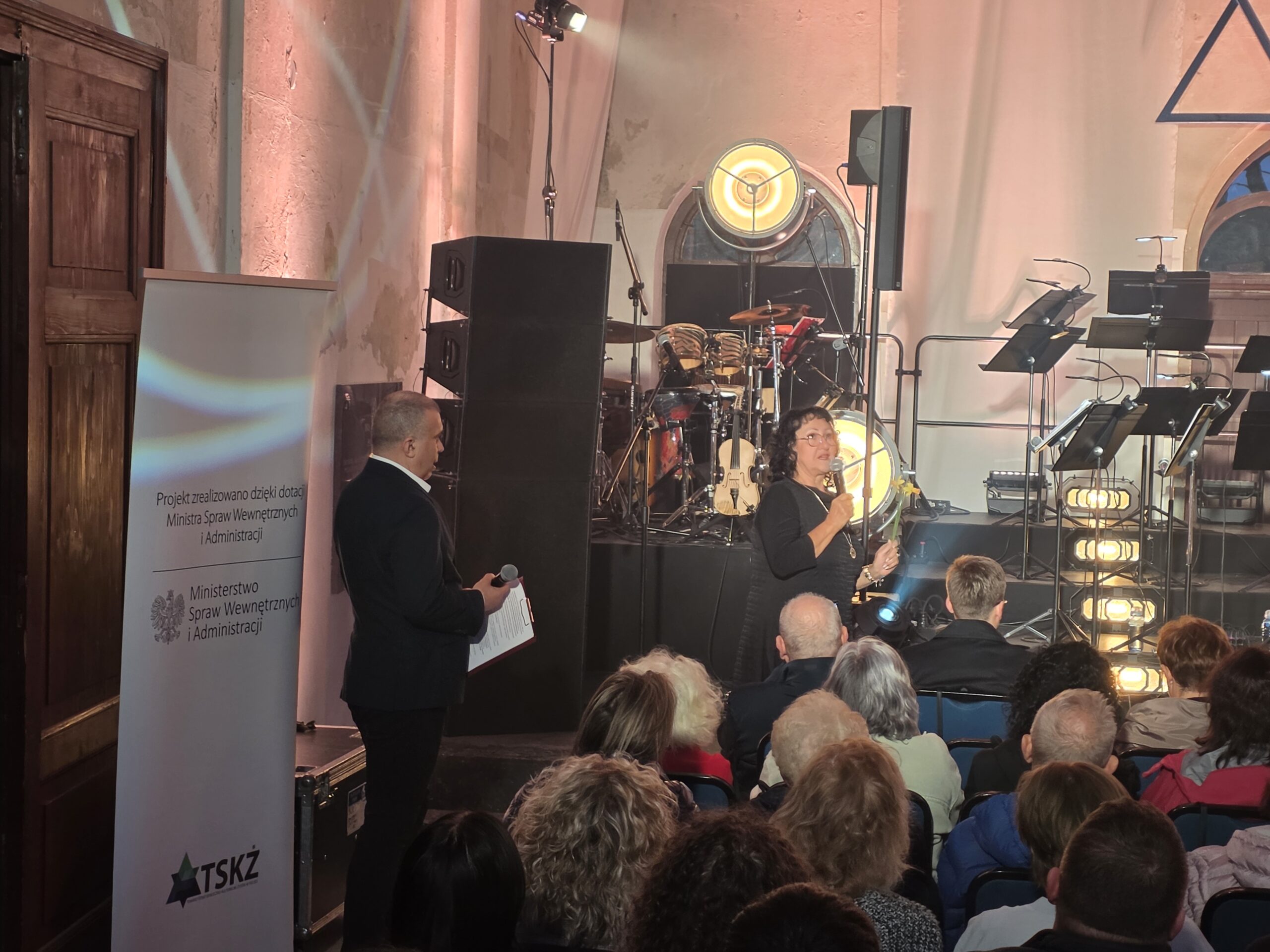
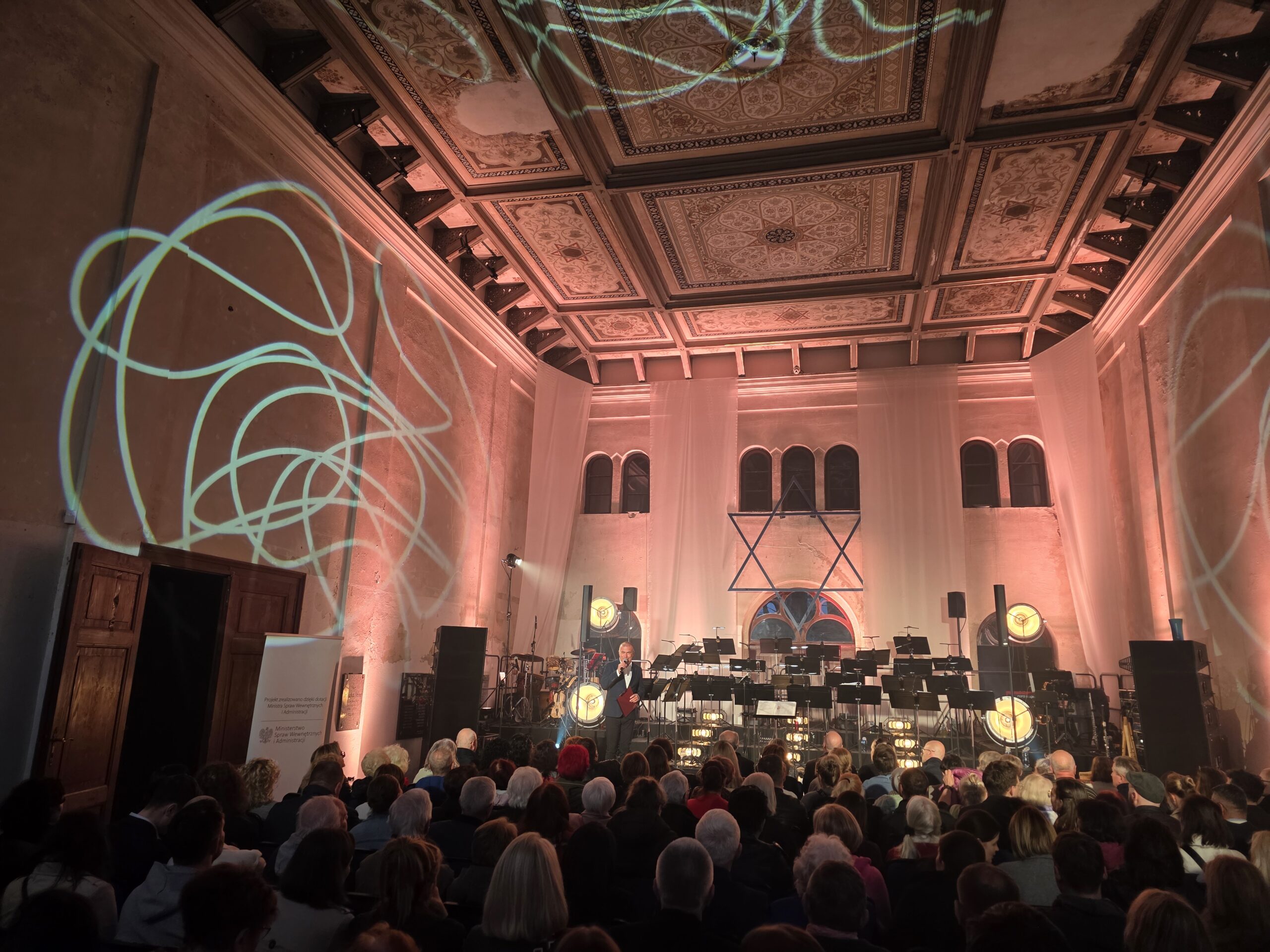
On Thursday, 16 April, the “Sacrum in Musica” festival took place in the Ceremonial Hall of the synagogue in Bielsko-Biała. The featured performer was the Bielsko Chamber Choir of the Bielsko Cultural Centre, conducted by Małgorzata Łukasik. The event formed part of the commemorations marking the 83rd anniversary of the outbreak of the Warsaw Ghetto Uprising.
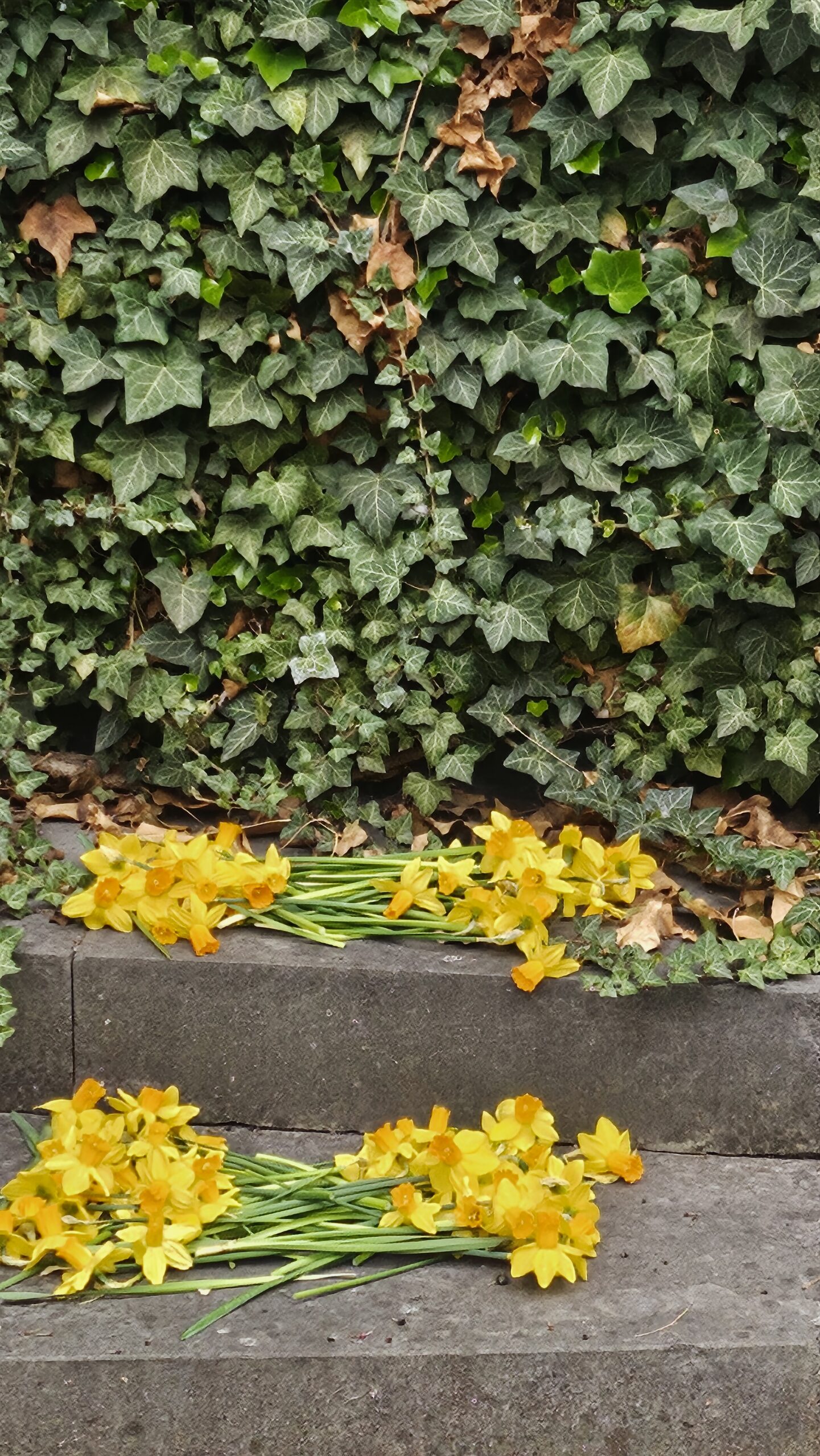
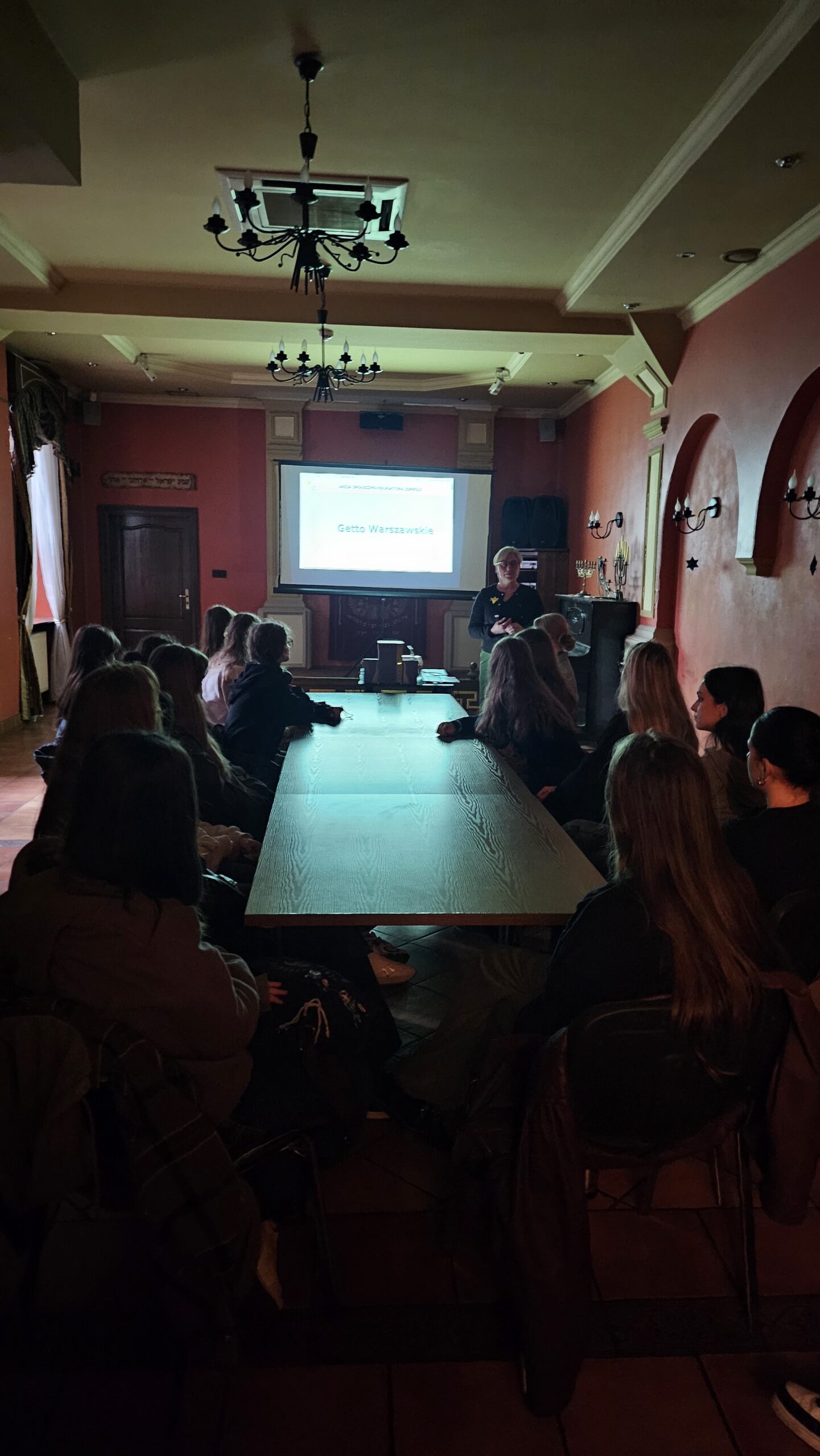
On Sunday, 19 April, a lecture was given by Agnieszka Fuczik, an ambassador of the POLIN Museum, who introduced participants to the history of the Jewish uprising.
CZĘSTOCHOWA
The Częstochowa branch of the TSKŻ held a series of events commemorating the 83rd anniversary of the Warsaw Ghetto Uprising.
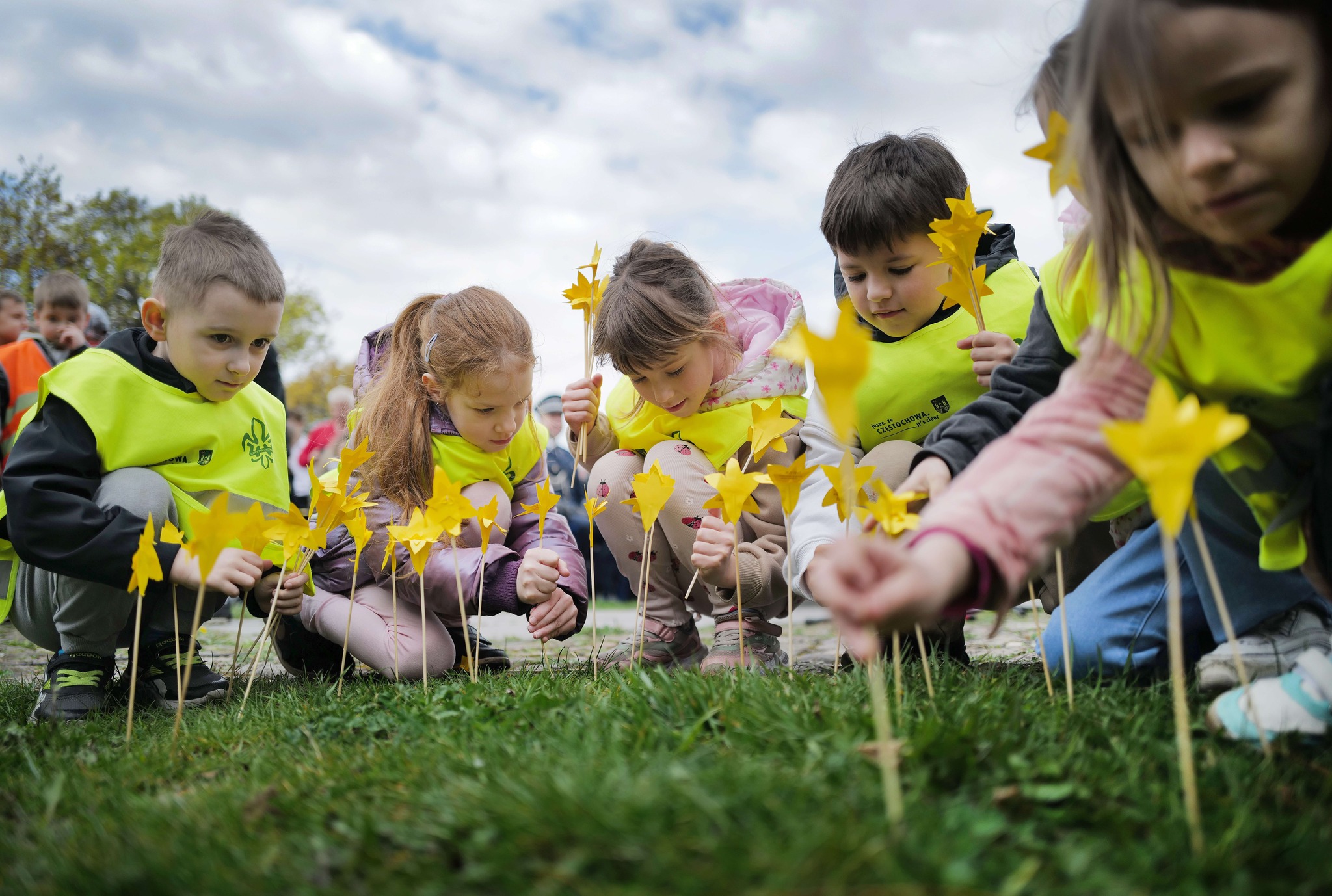
On 24 March, workshops on making paper daffodils were held at the premises of the local branch of the TSKŻ for children from Kindergarten No. 17 “Seven Dwarfs” in Częstochowa and Municipal Integrative Kindergarten No. 35 “The Little Prince” in Częstochowa. The meeting was opened by the branch chair, Izabela Sobańska-Klekowska, who welcomed the children and their caregivers. The children listened to the story of a mirabelle plum tree known as Mirabelka—a tree symbolically connected with the history of the inhabitants of the Warsaw Ghetto—and then made paper daffodils themselves, which became a symbol of remembrance and were intended to be used during the anniversary commemorations.
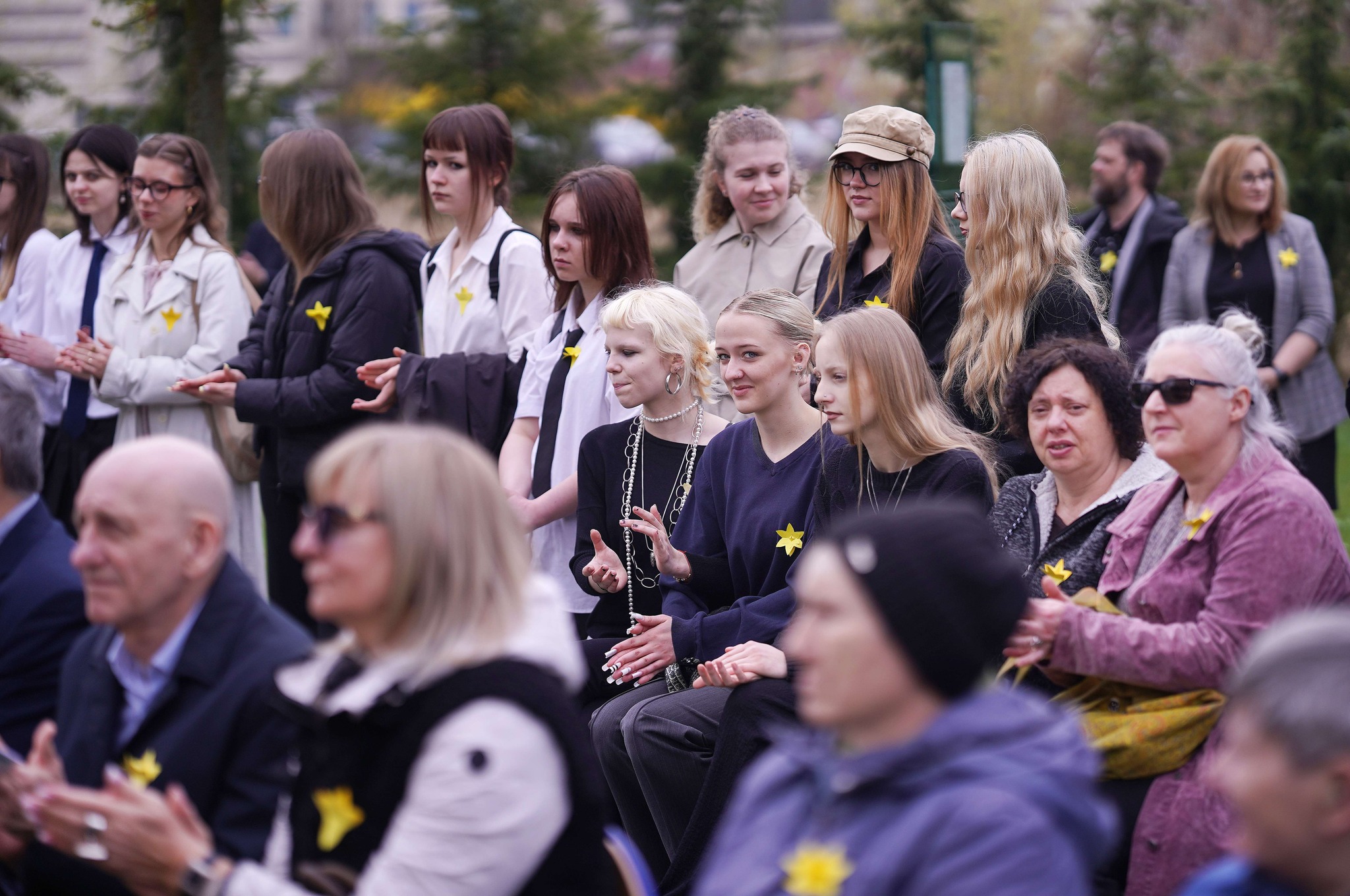
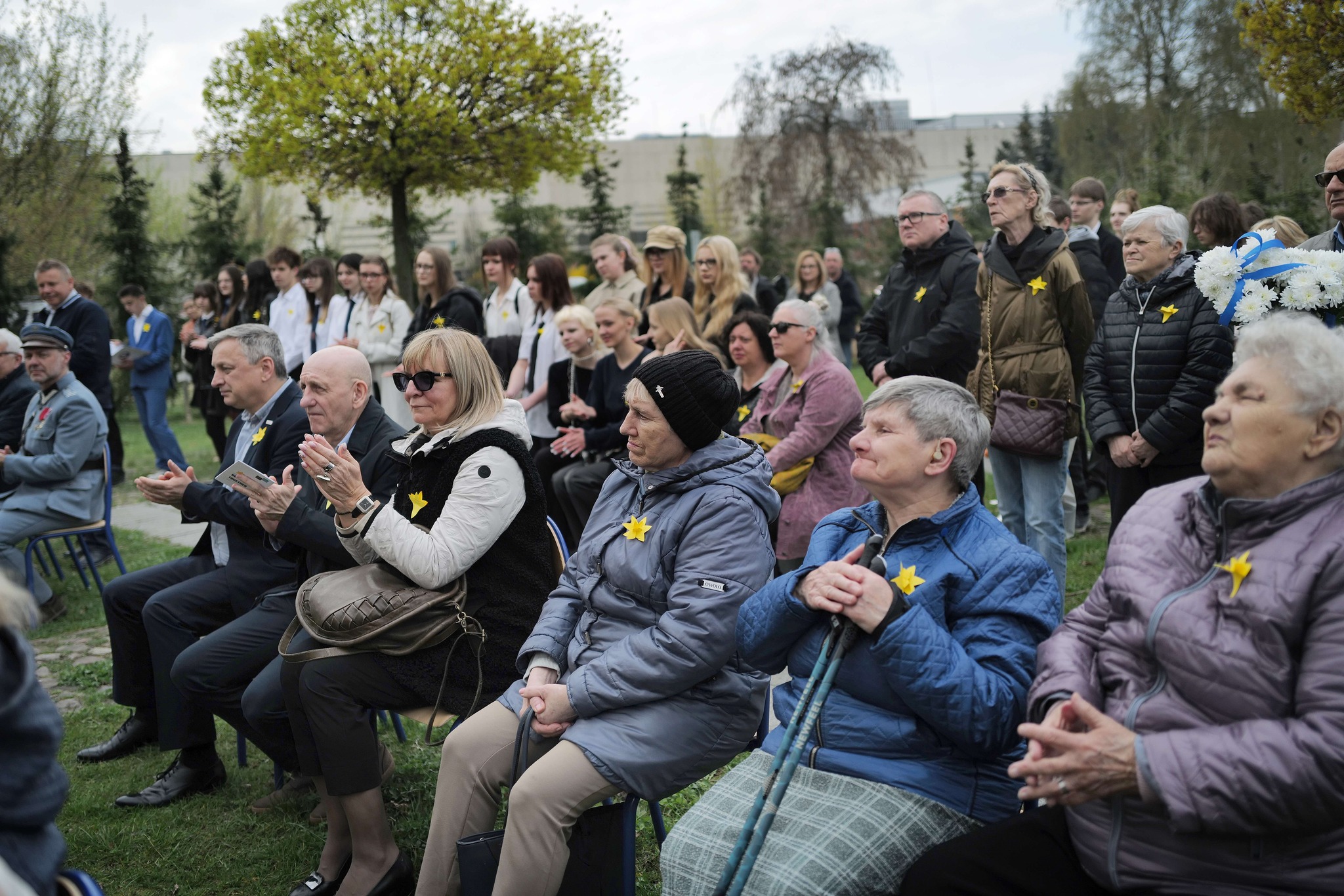
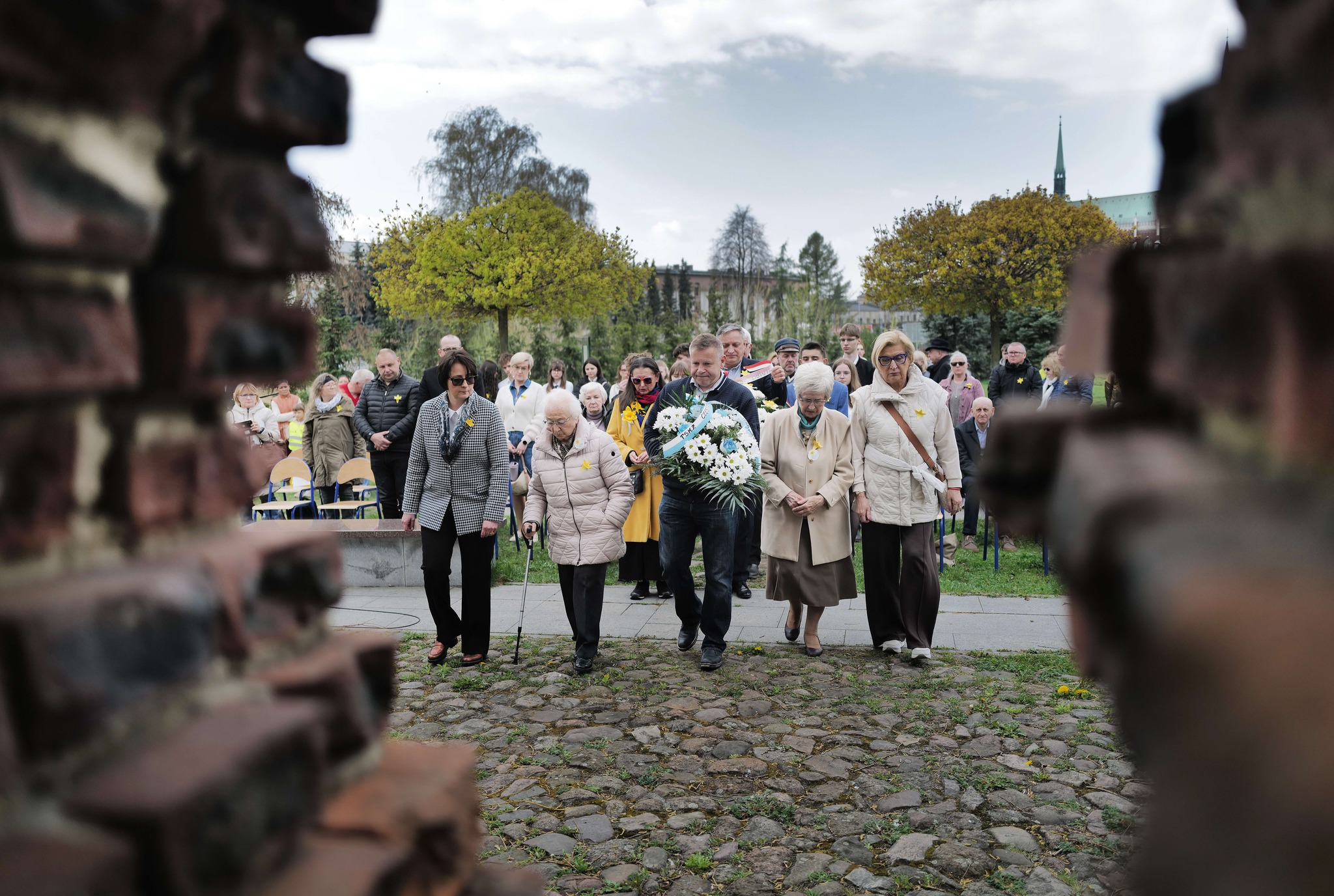
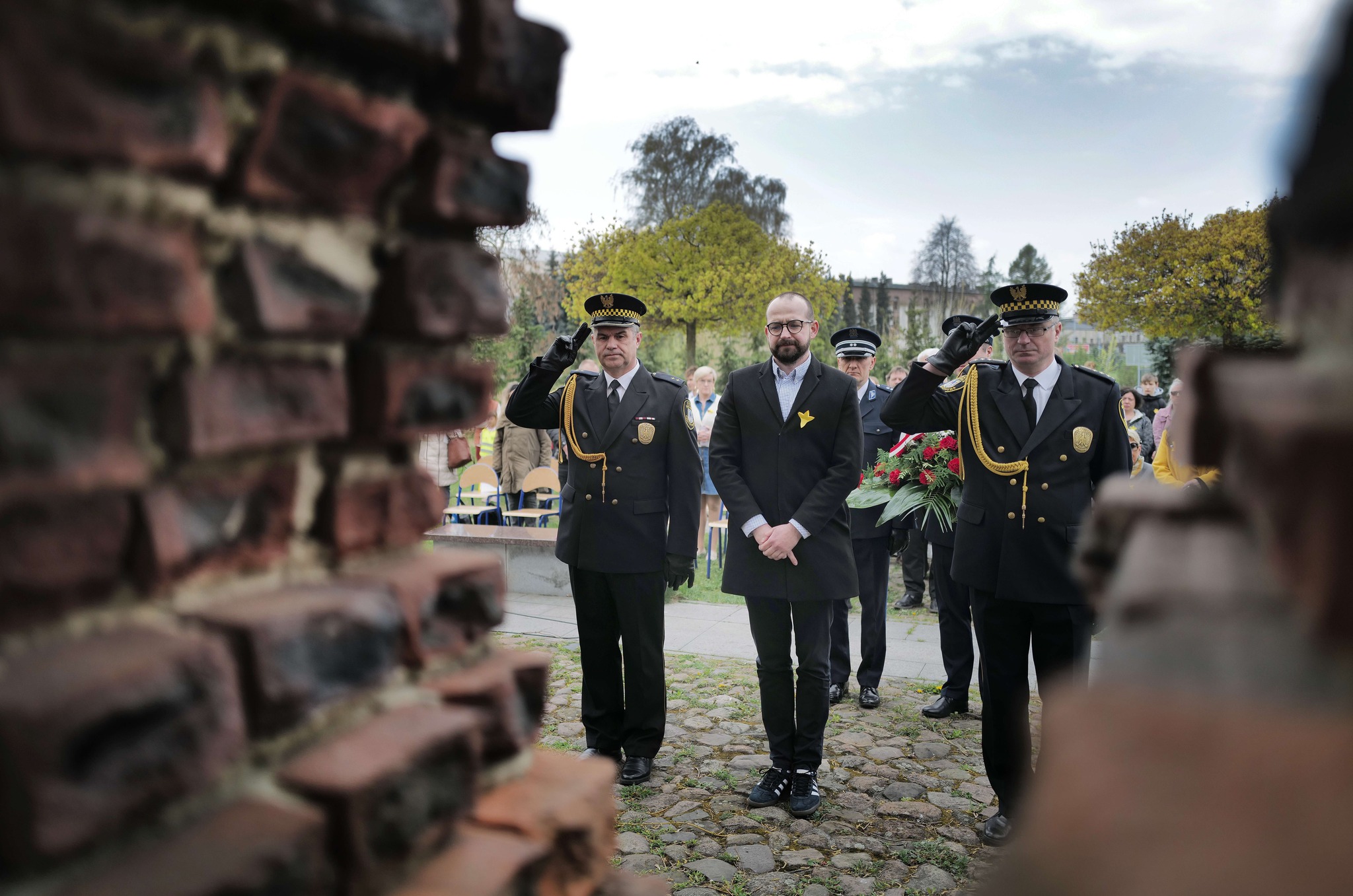
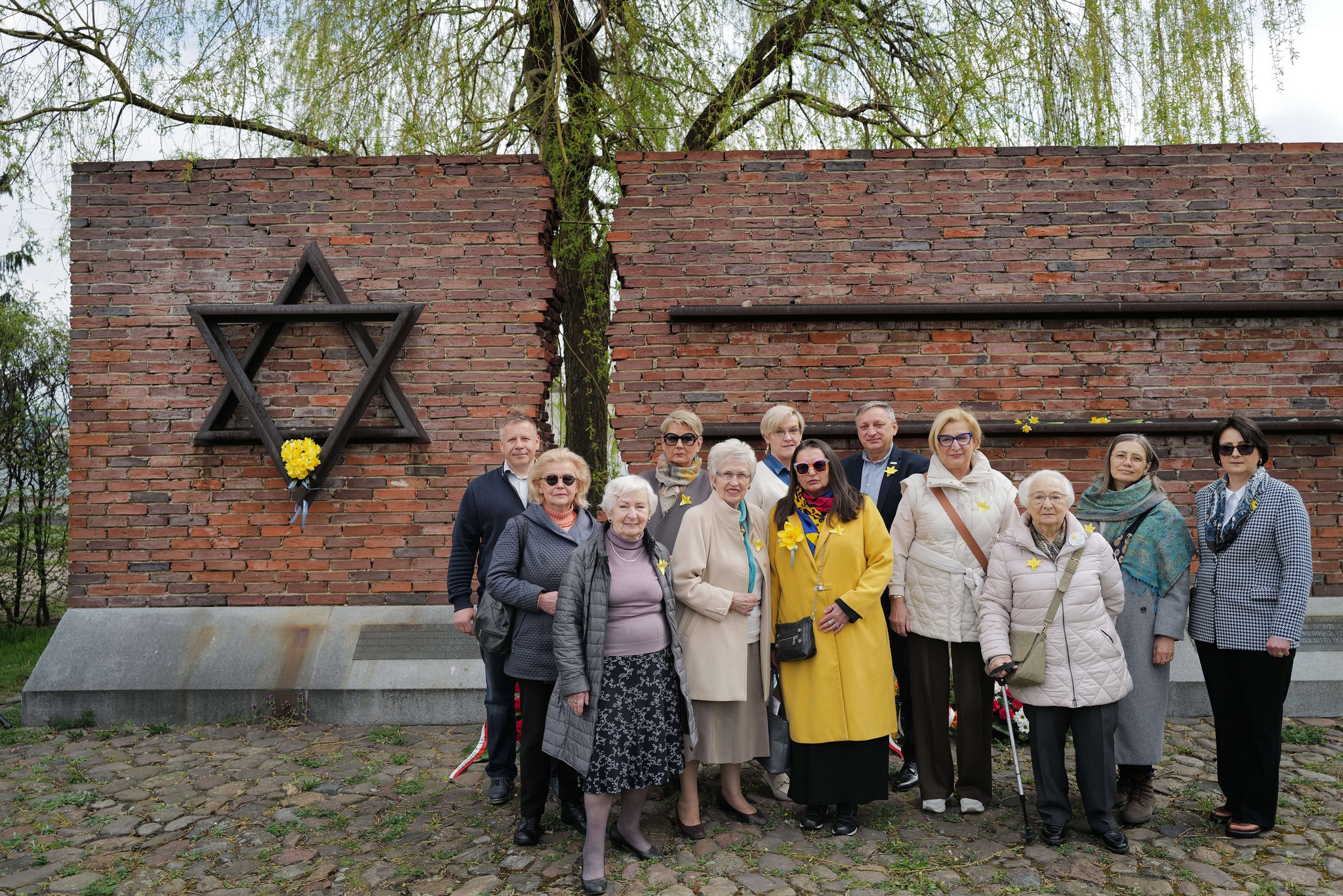
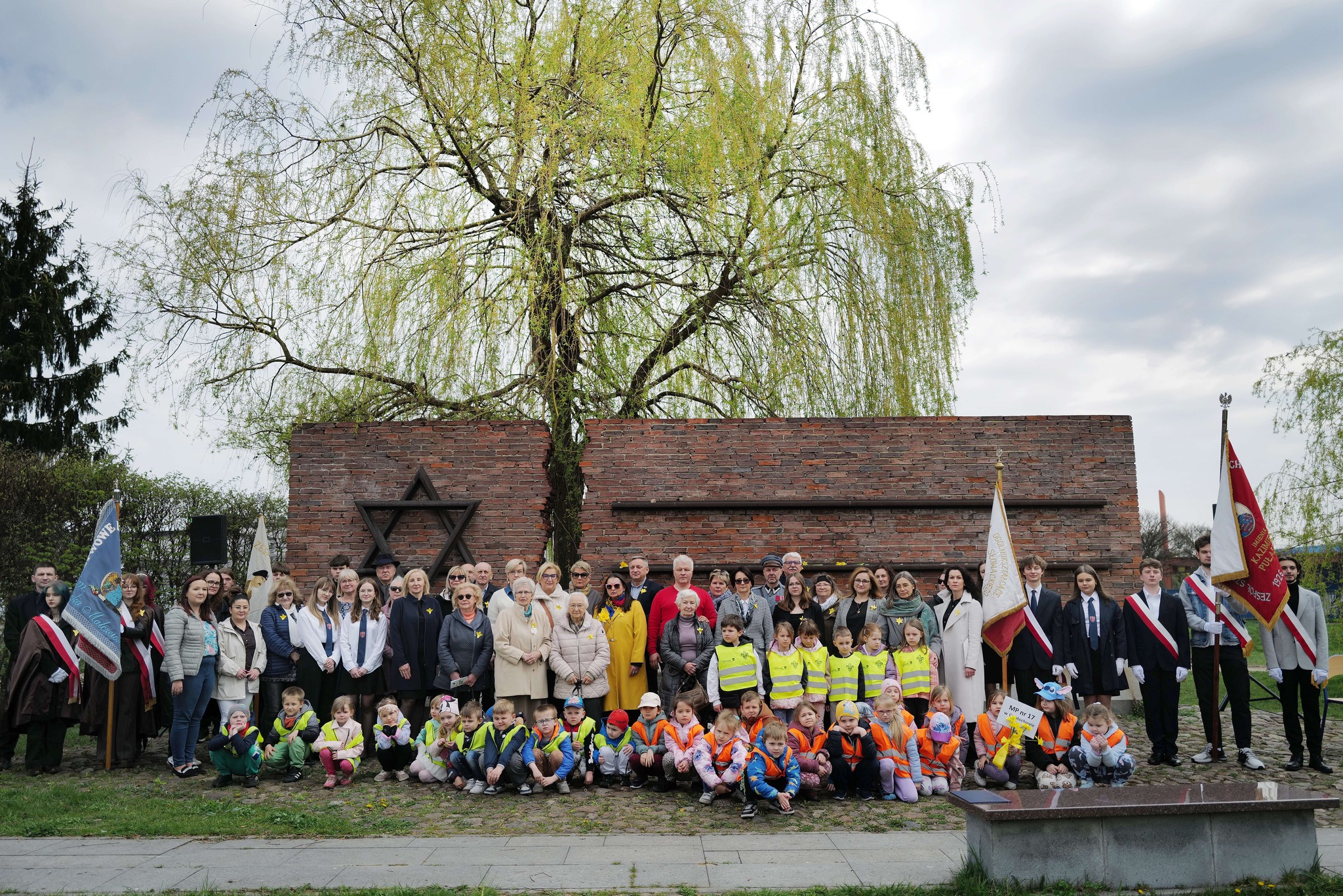
The main part commemorations took place on 17 April at the Monument to the Victims of the Częstochowa Ghetto, located in Samuel Willenberg Square. The ceremony was attended by municipal officials, school and kindergarten directors, representatives of cultural institutions, uniformed services, social organizations and the clergy, as well as local residents, school students, and members of the Social and Cultural Association of Jews in Poland.
During the artistic part of the event, students from the Juliusz Słowacki 1st General Secondary School in Częstochowa and the Mechanical and Electrical Schools Complex in Częstochowa performed songs and presented literary works dedicated to the memory of the victims of the Holocaust. The youngest participants created a symbolic Częstochowa Field of Remembrance made of paper daffodils.
Photo by the Częstochowa Municipal Office
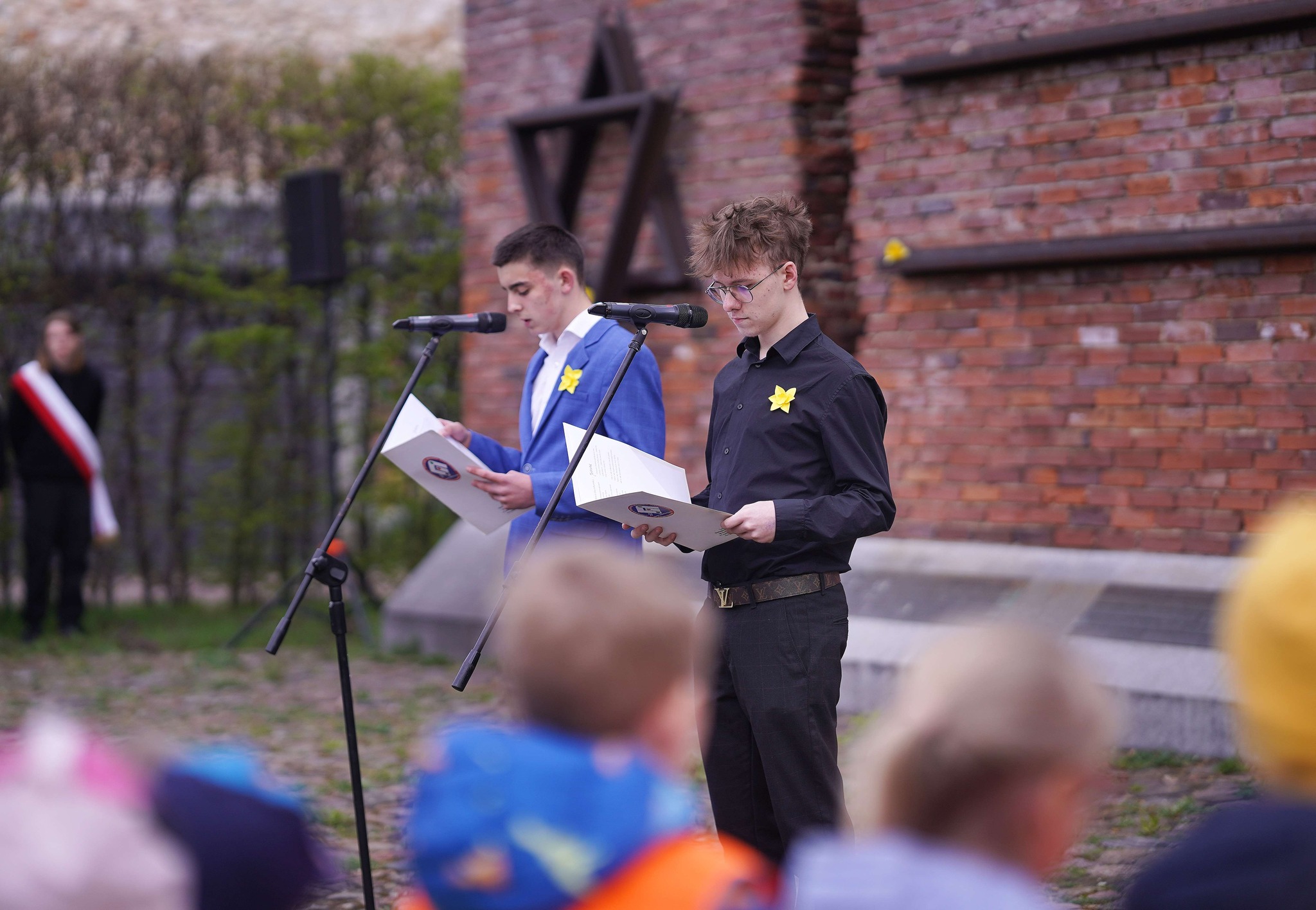
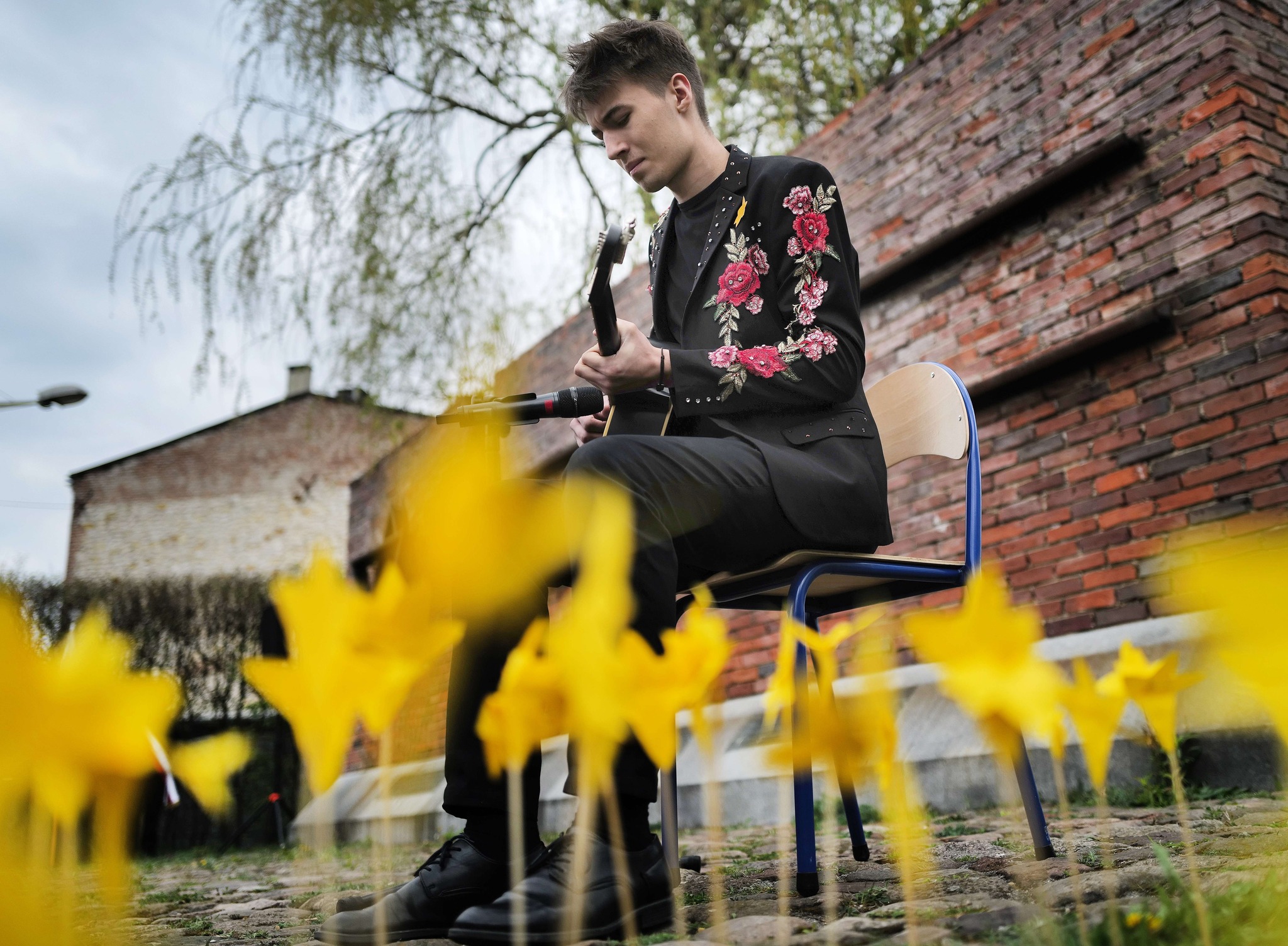
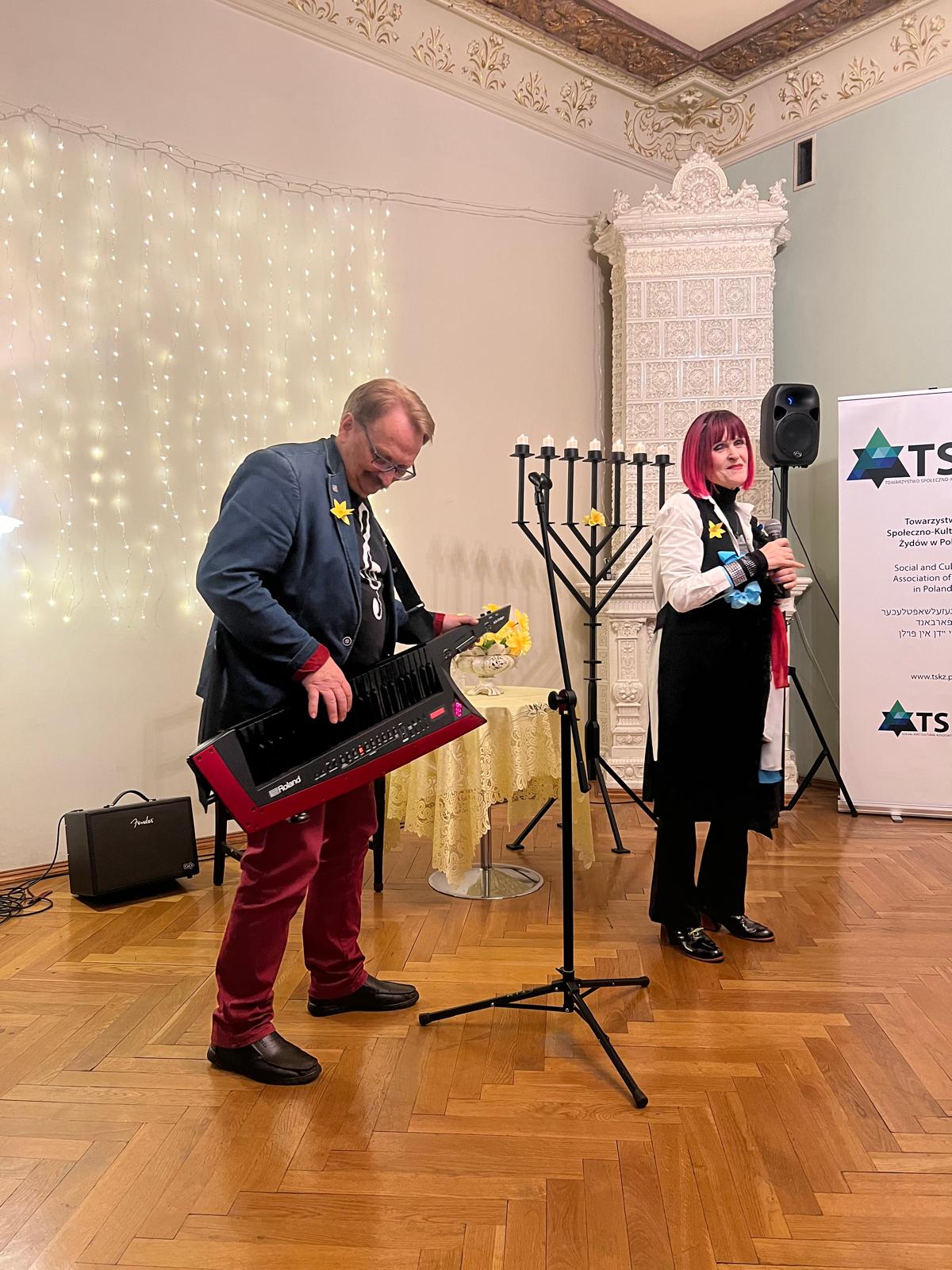
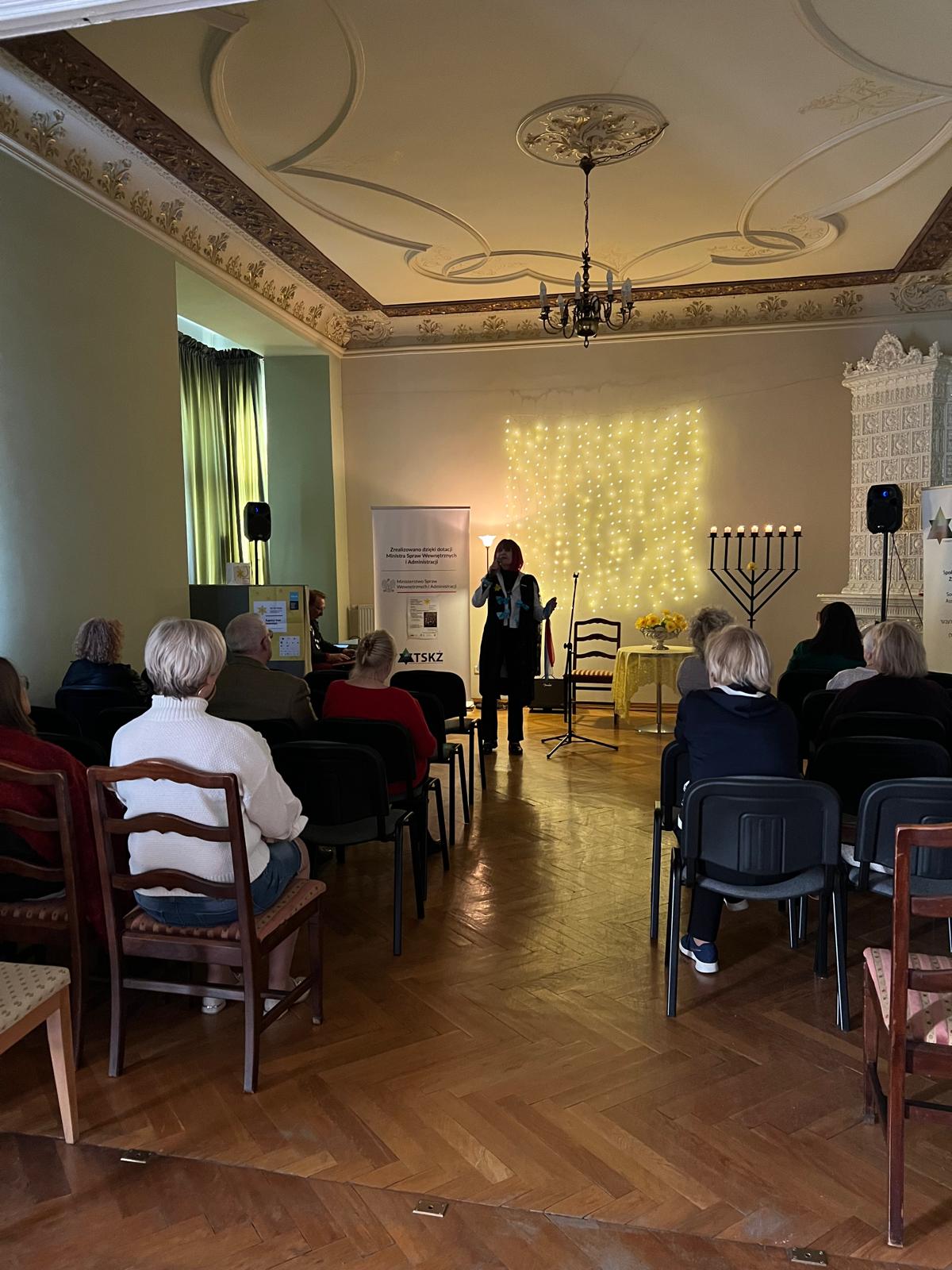
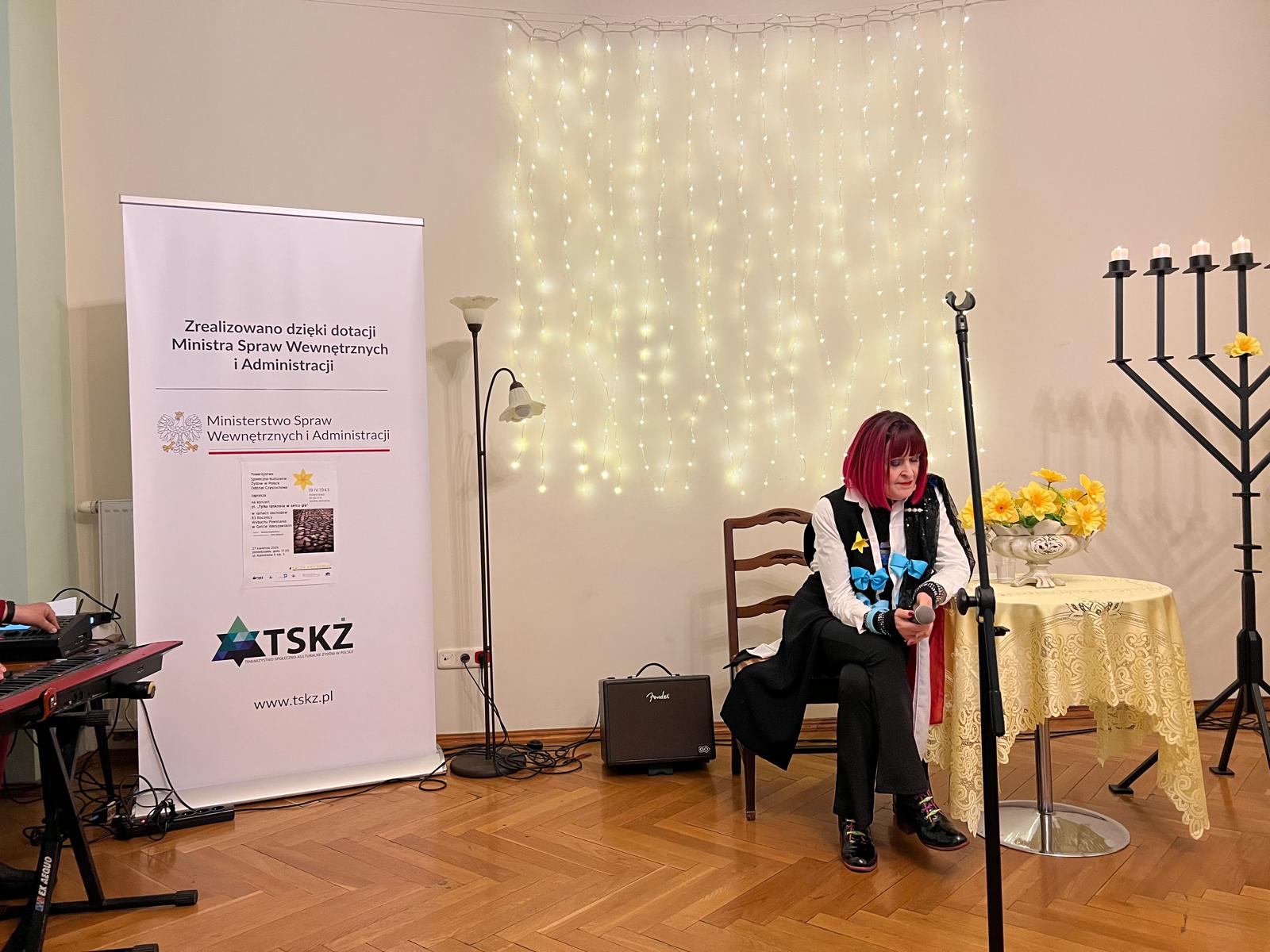
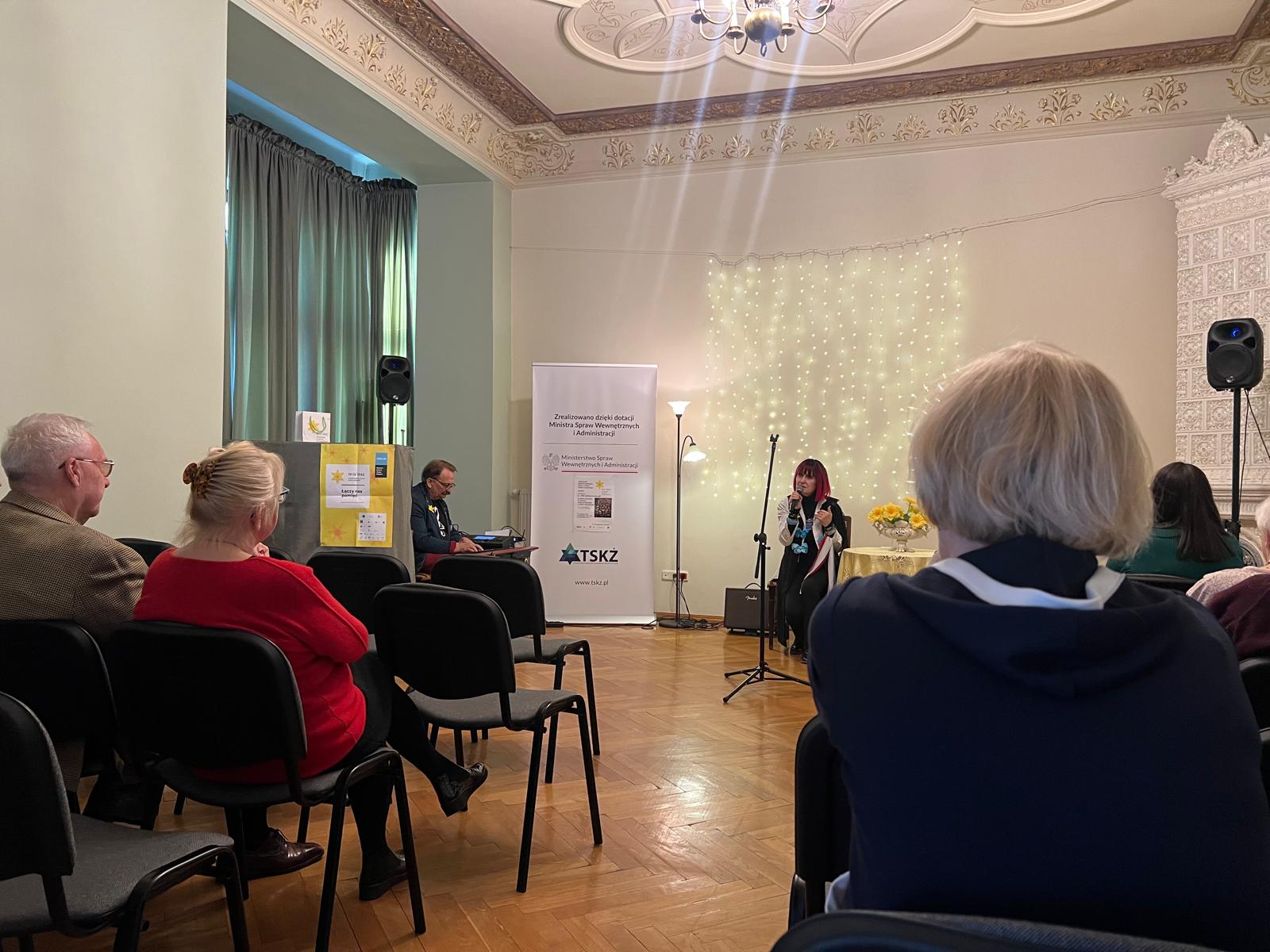
The commemorations concluded with the concert Only Longing Plays in the Heart on 27 April. The performance featured Danuta Stankiewicz, who was accompanied by Piotr Kubacki. The audience listened to songs recalling the history of the Warsaw Ghetto, including Warszawo Ma, The Glow of Sabbath Candles and Synagogues, Synagogues.
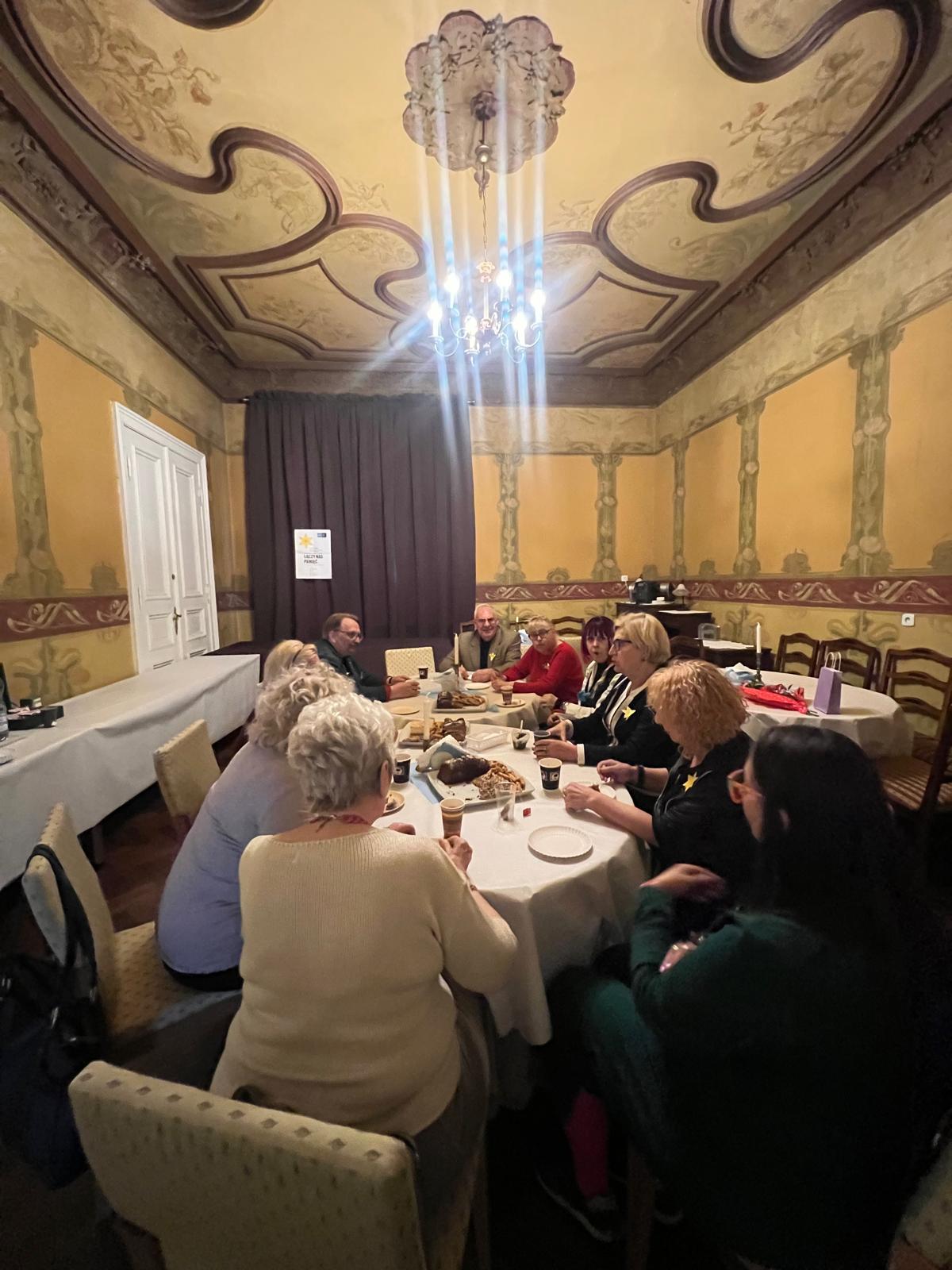
The concert was preceded by a playback of an archival recording of the recitation of the poem We, Polish Jews by Julian Tuwim, which was performed by Krzysztof Kolberger. The evening concluded with a gathering of participants and artists over refreshments.
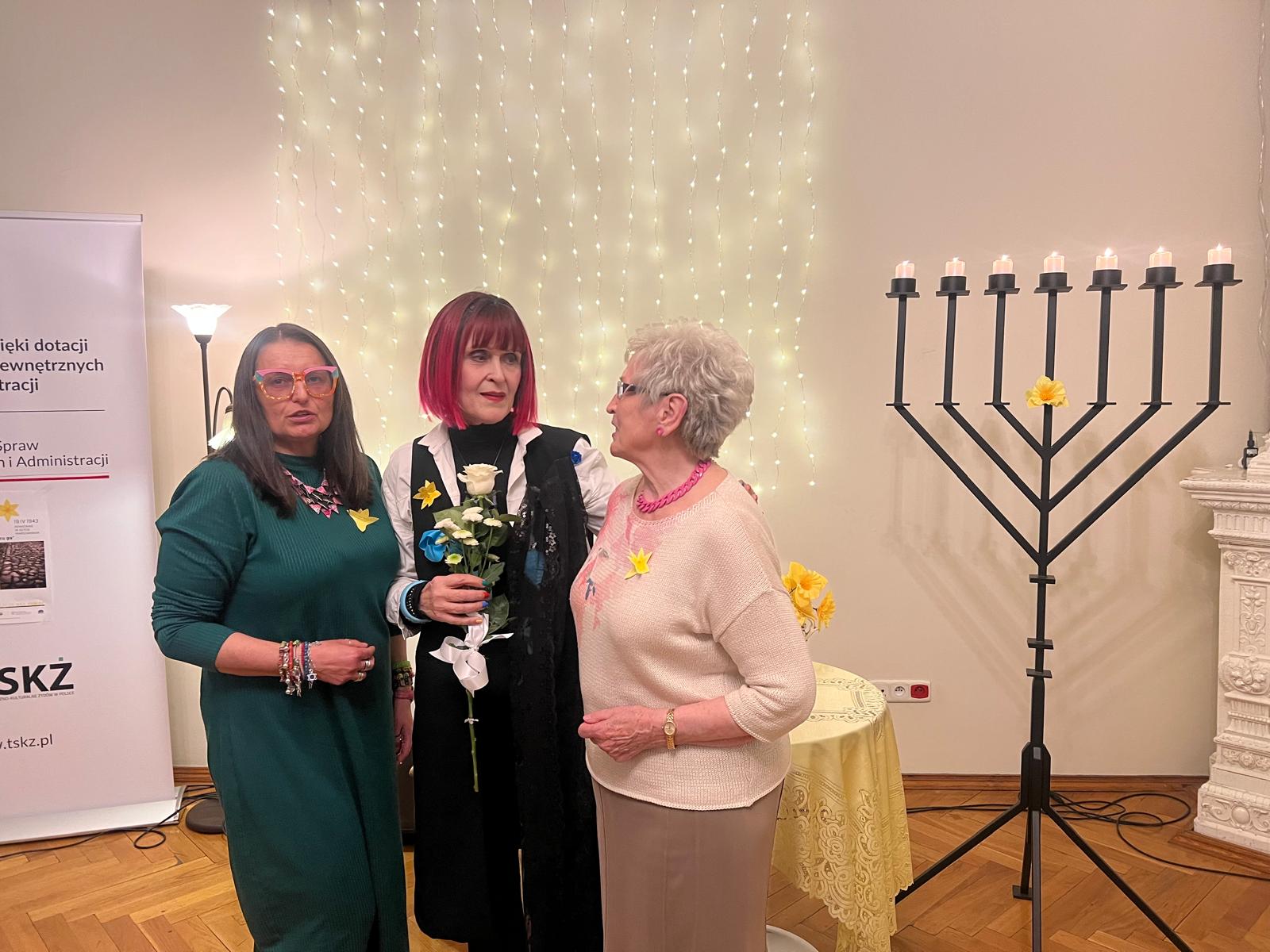
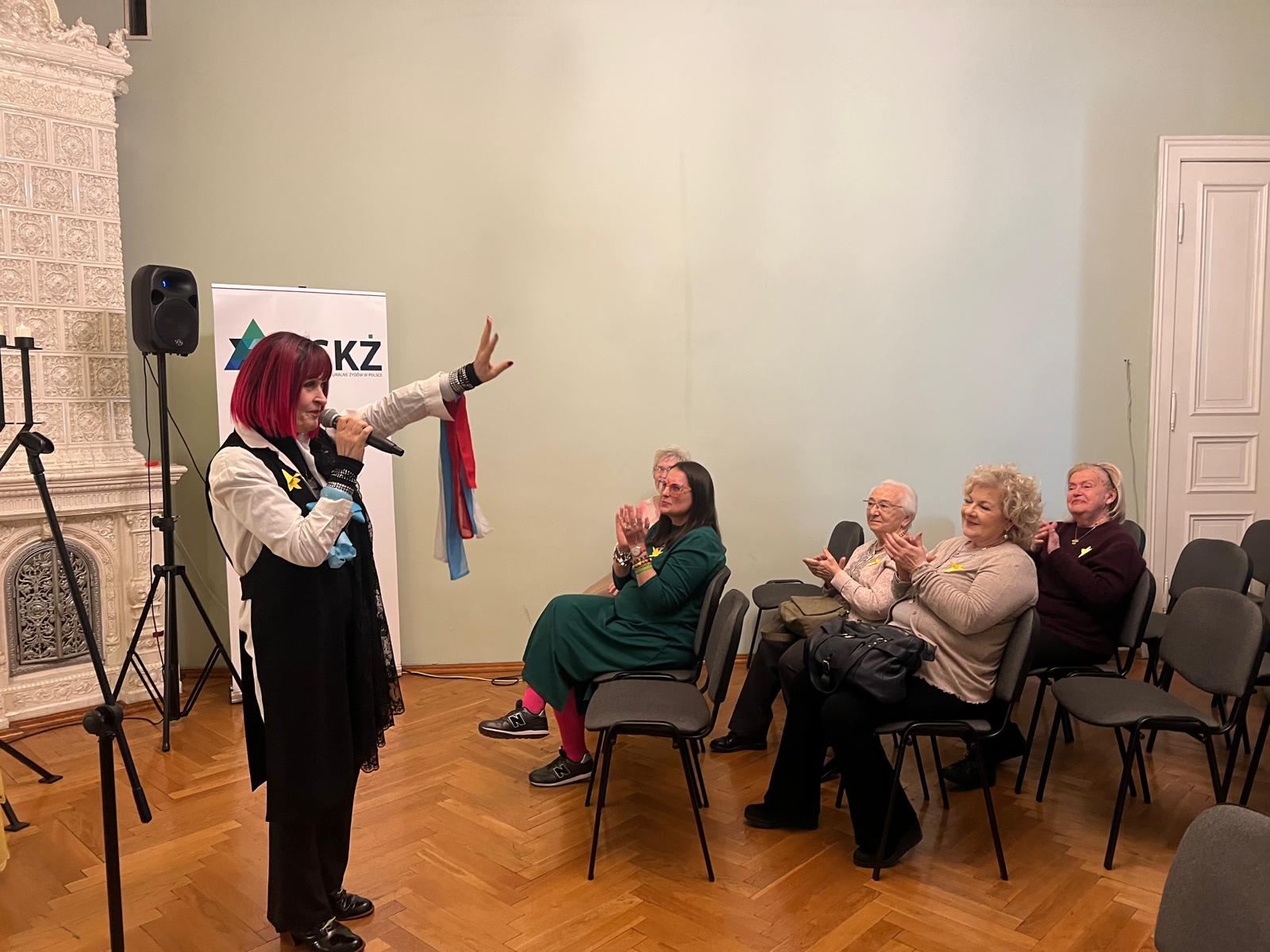
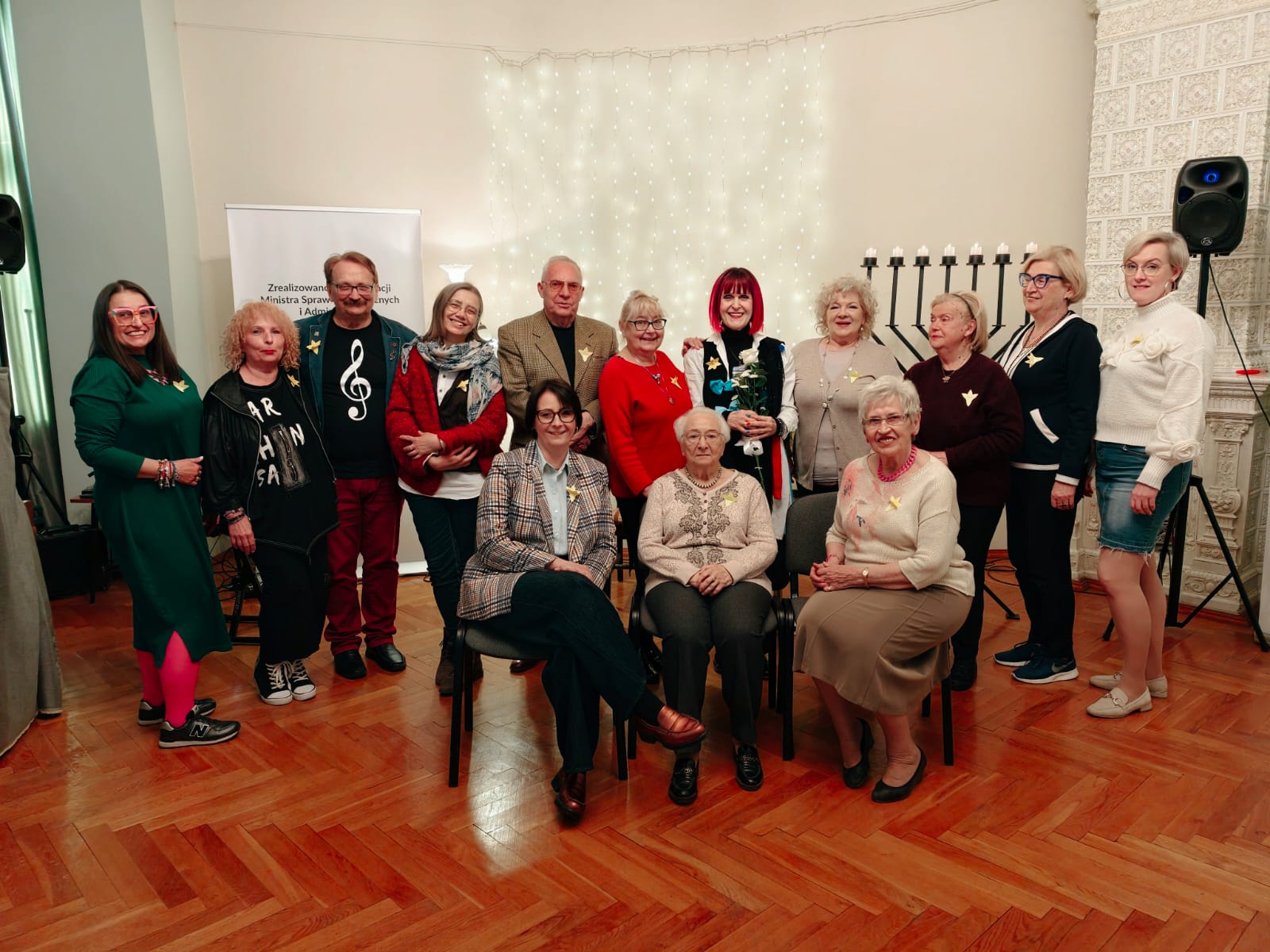
DZIERŻONIÓW
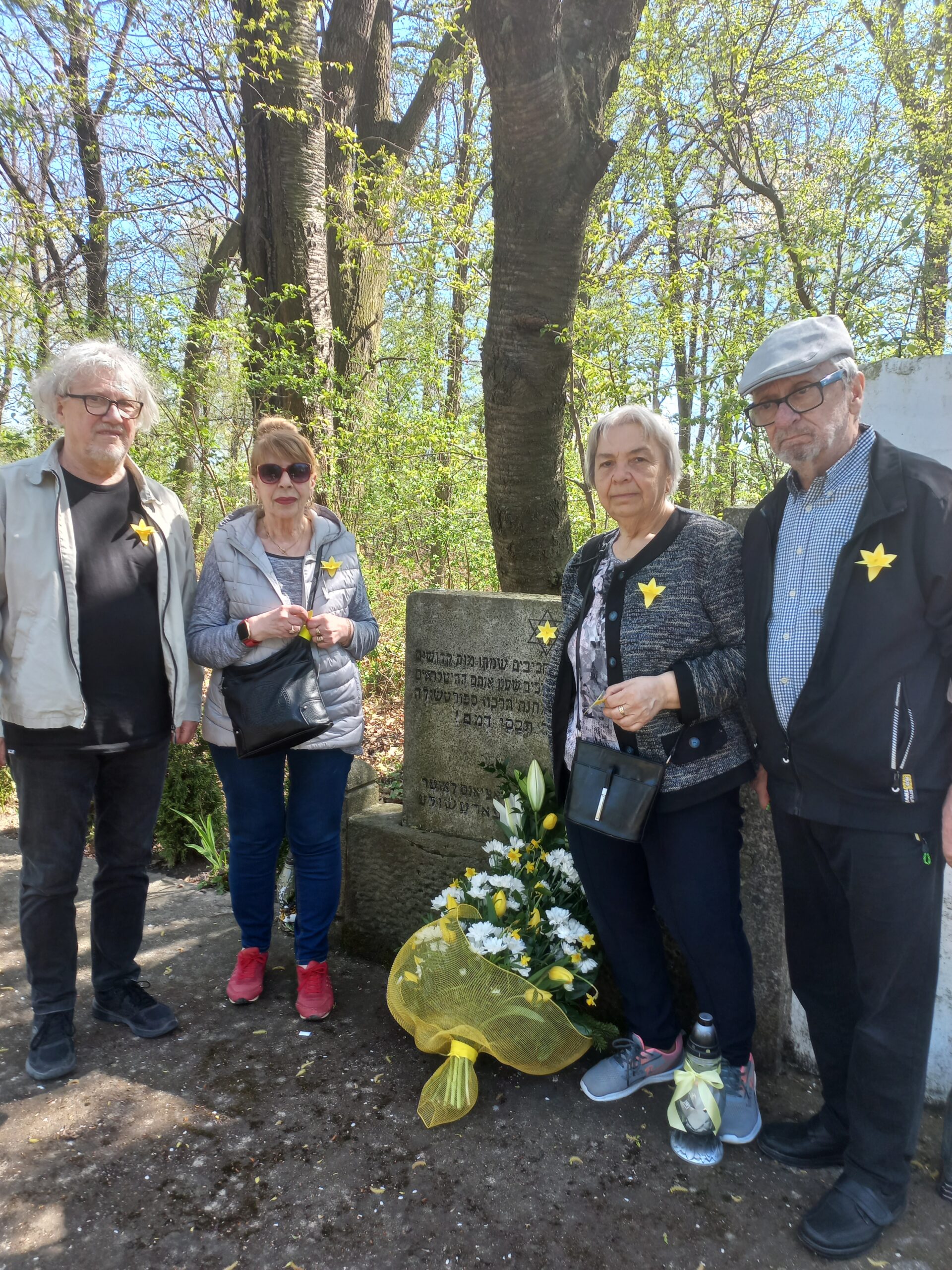
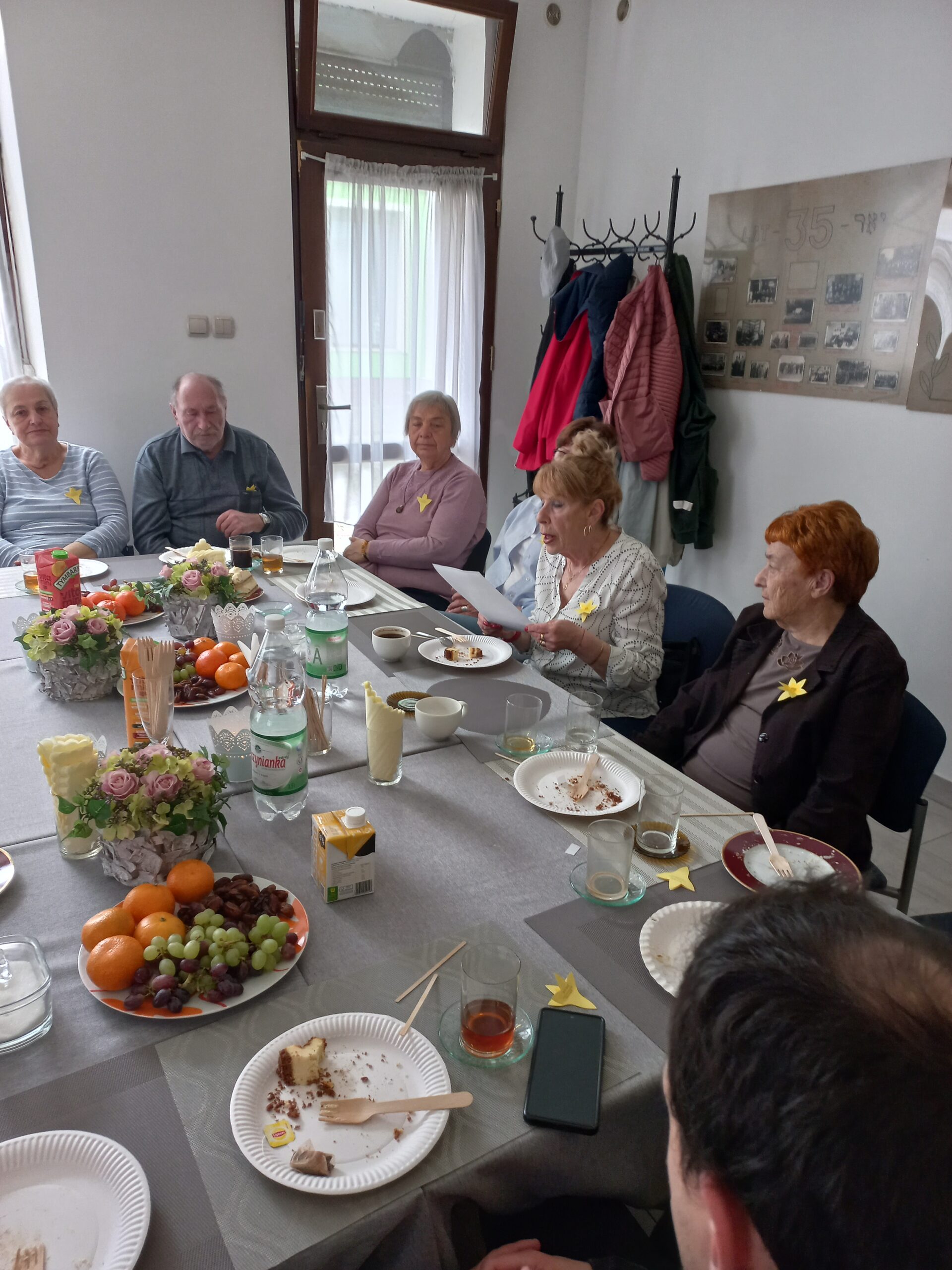
On 19 April, delegates from the Dzierżoniów branch of the TSKŻ laid a wreath and lit candles at the monument located on the grounds of the Sportschule—a former subcamp of the Gross-Rosen concentration camp in Pieszyce.
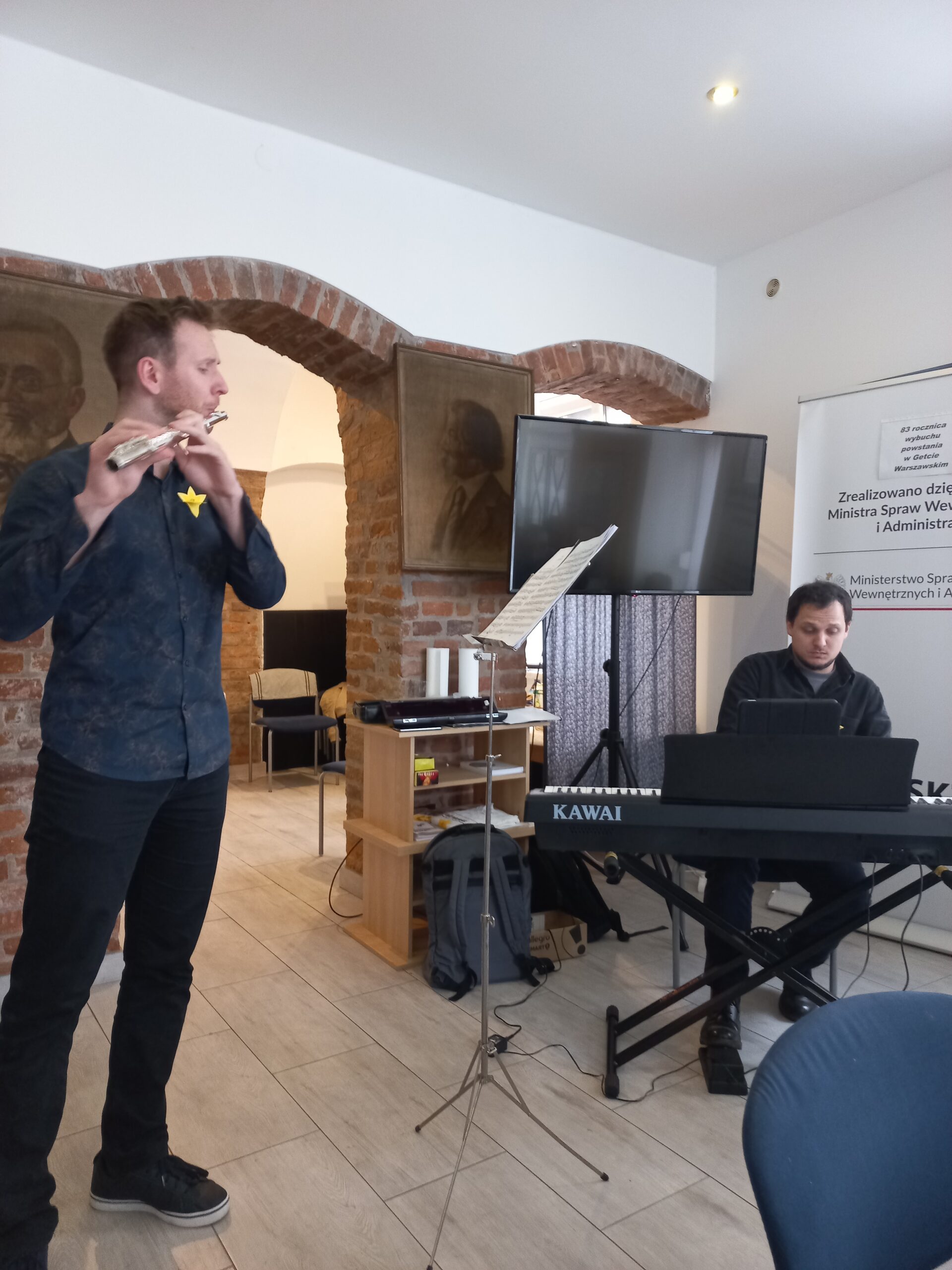
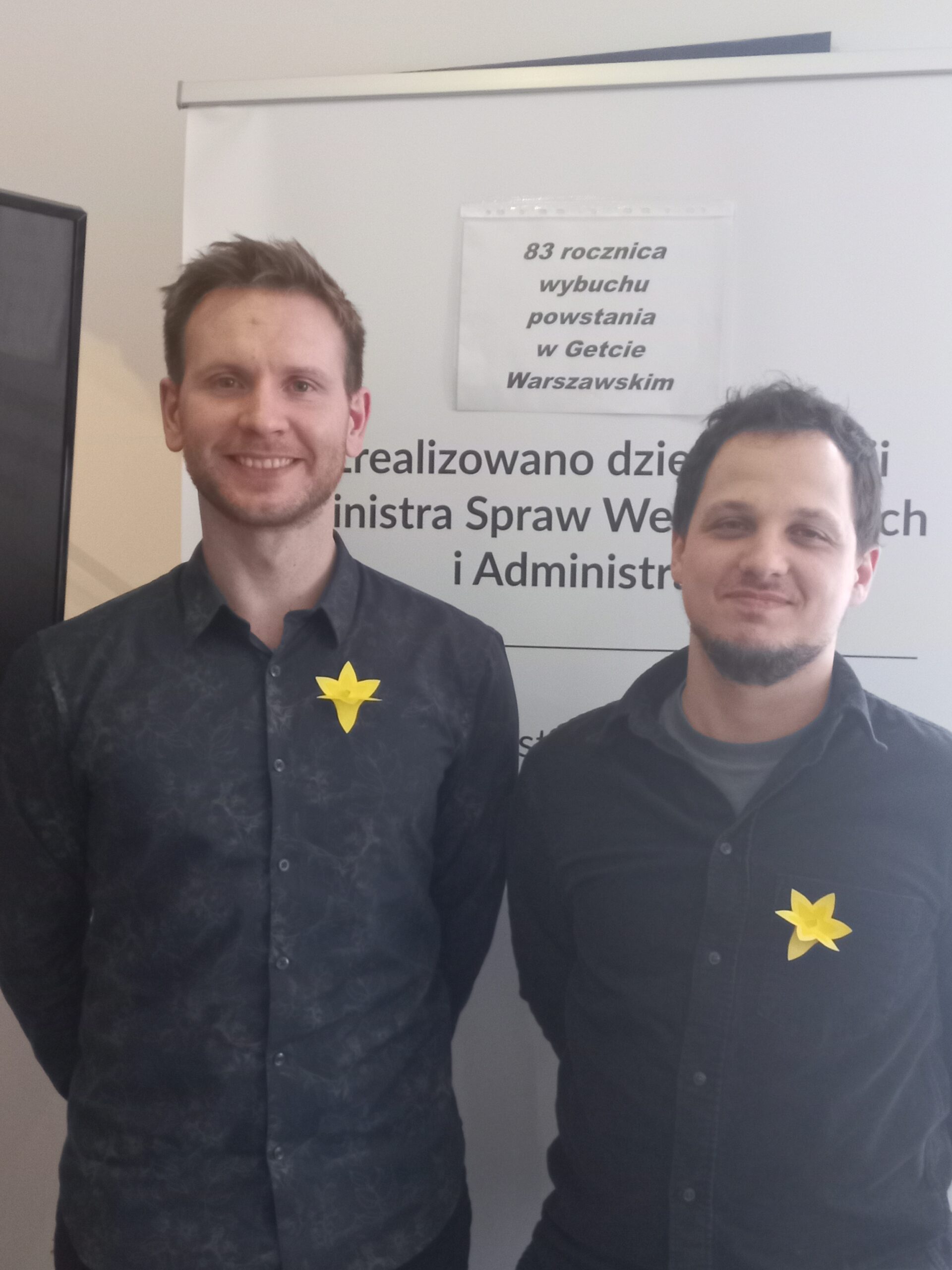
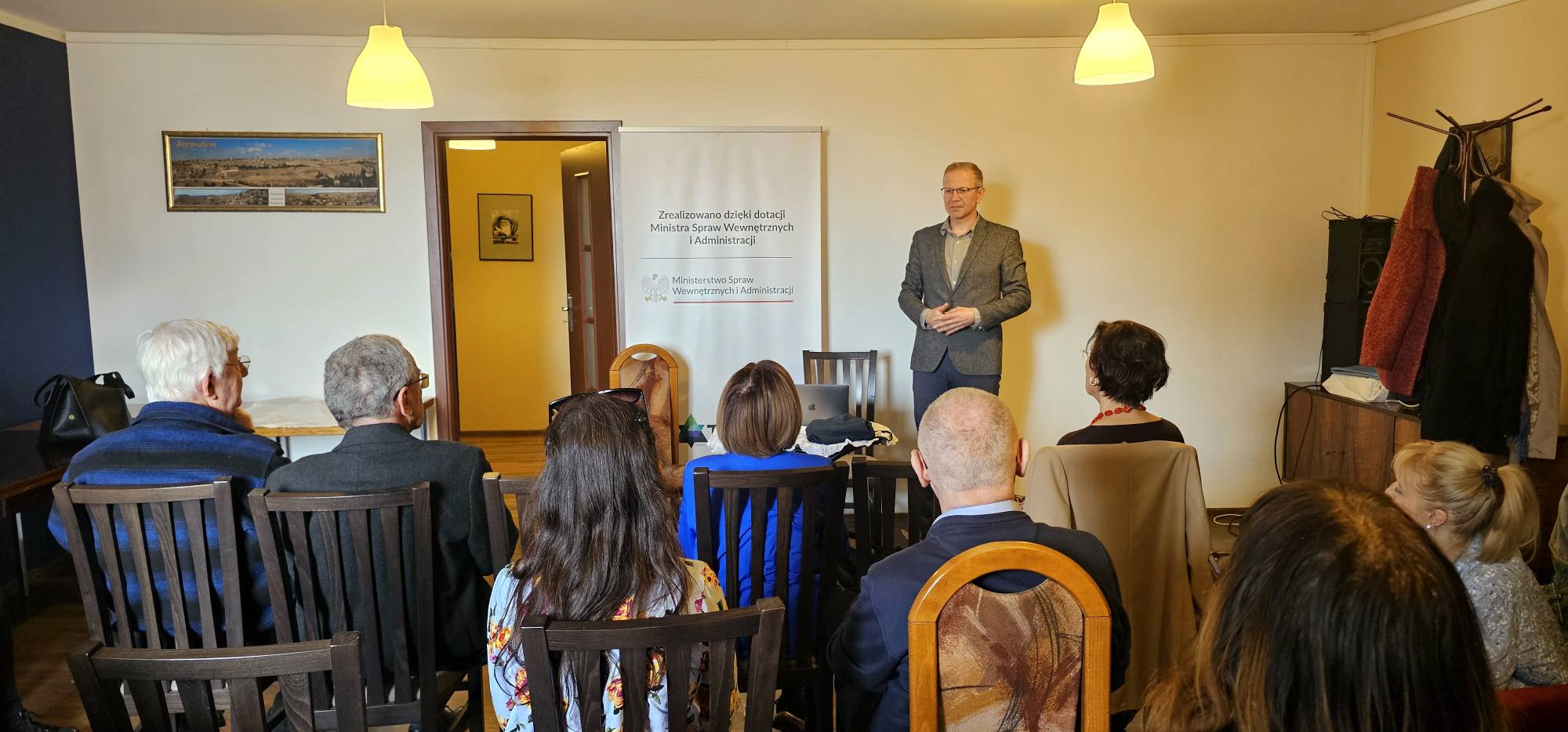
On the same day, a meeting was held at the club’s premises, during which Anna Ajzenberg-Sławińska delivered a lecture on the Warsaw Ghetto Uprising. The event also featured a musical performance by Marek Szymański (flute) and Maurycy Huf (piano).
GLIWICE
At the Gliwice branch of the TSKŻ, Anna Domagała delivered her lecture titled The Activities of Ludwik Hirszfeld and Hanna Hirszfeld in the Warsaw Ghetto to commemorate the 83rd anniversary of the Warsaw Ghetto Uprising.
SZCZECIN
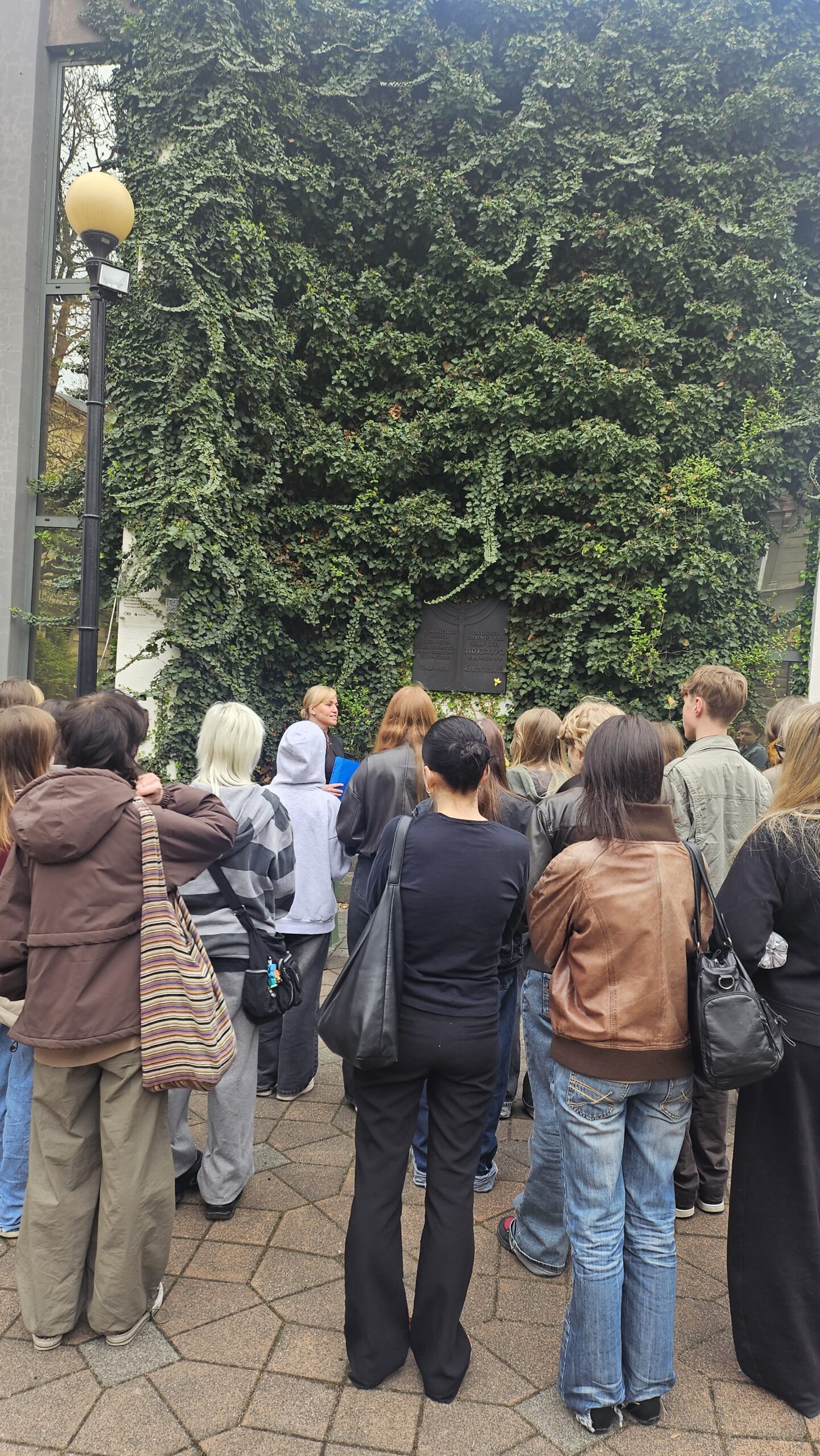
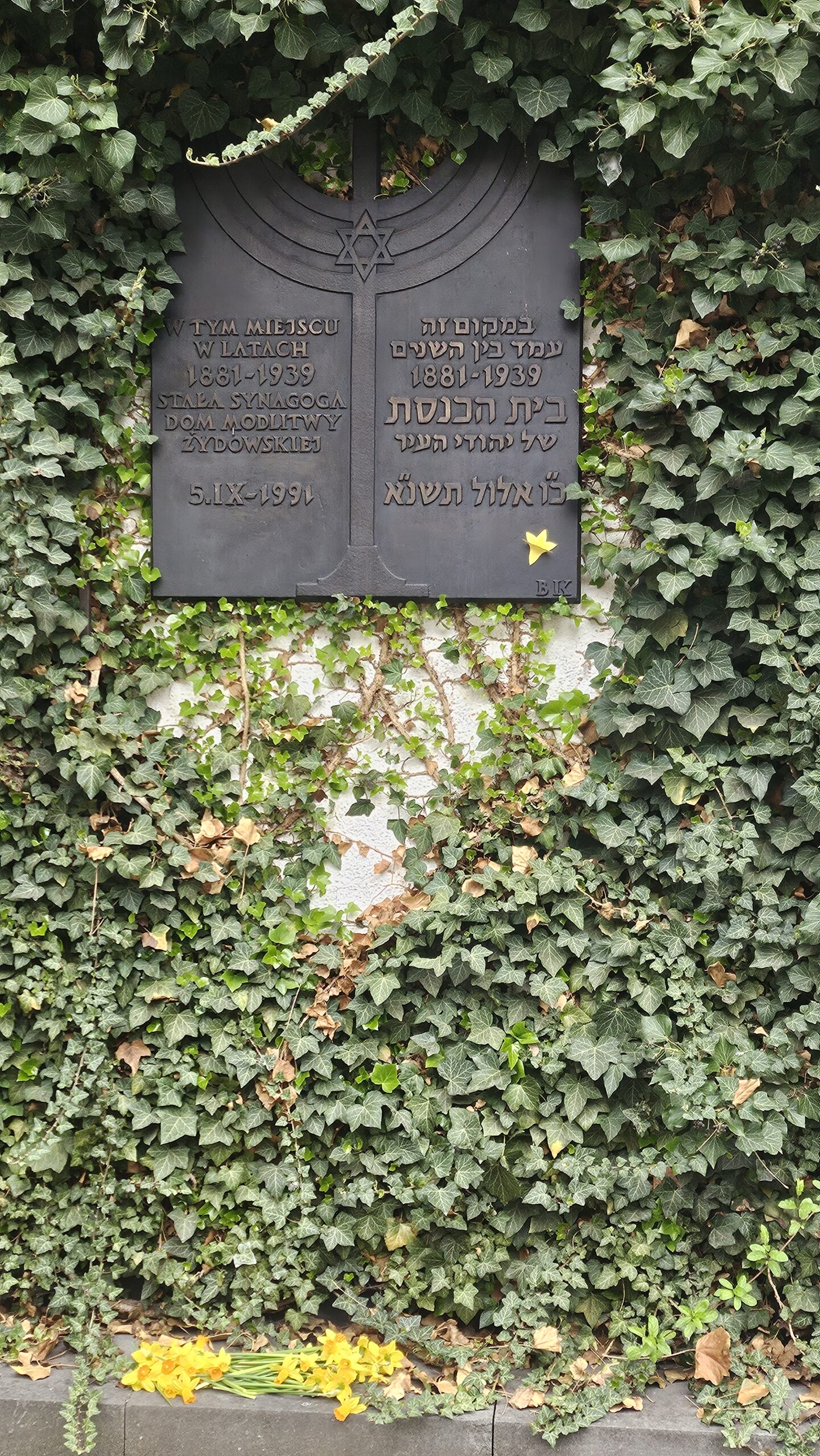
On Sunday, 19 April, commemorations marking the 83rd anniversary of the outbreak of the Warsaw Ghetto Uprising took place at the synagogue mural on Dworcowa Street in Szczecin.
The event, organised by the Szczecin branch of the TSKŻ, was attended by representatives of local government authorities and residents of the city.
Photo by the Marshal’s Office of the West Pomeranian Voivodeship
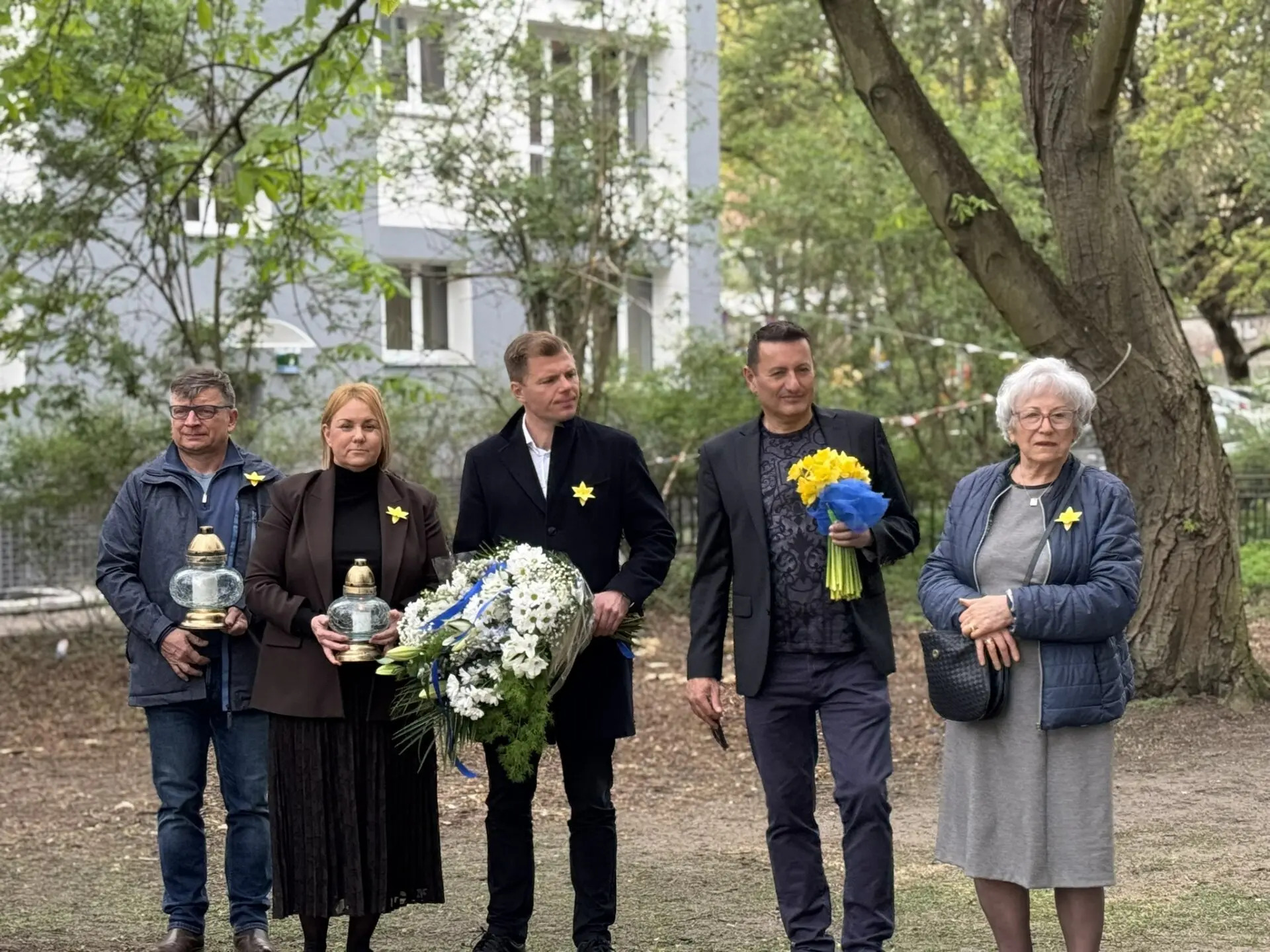
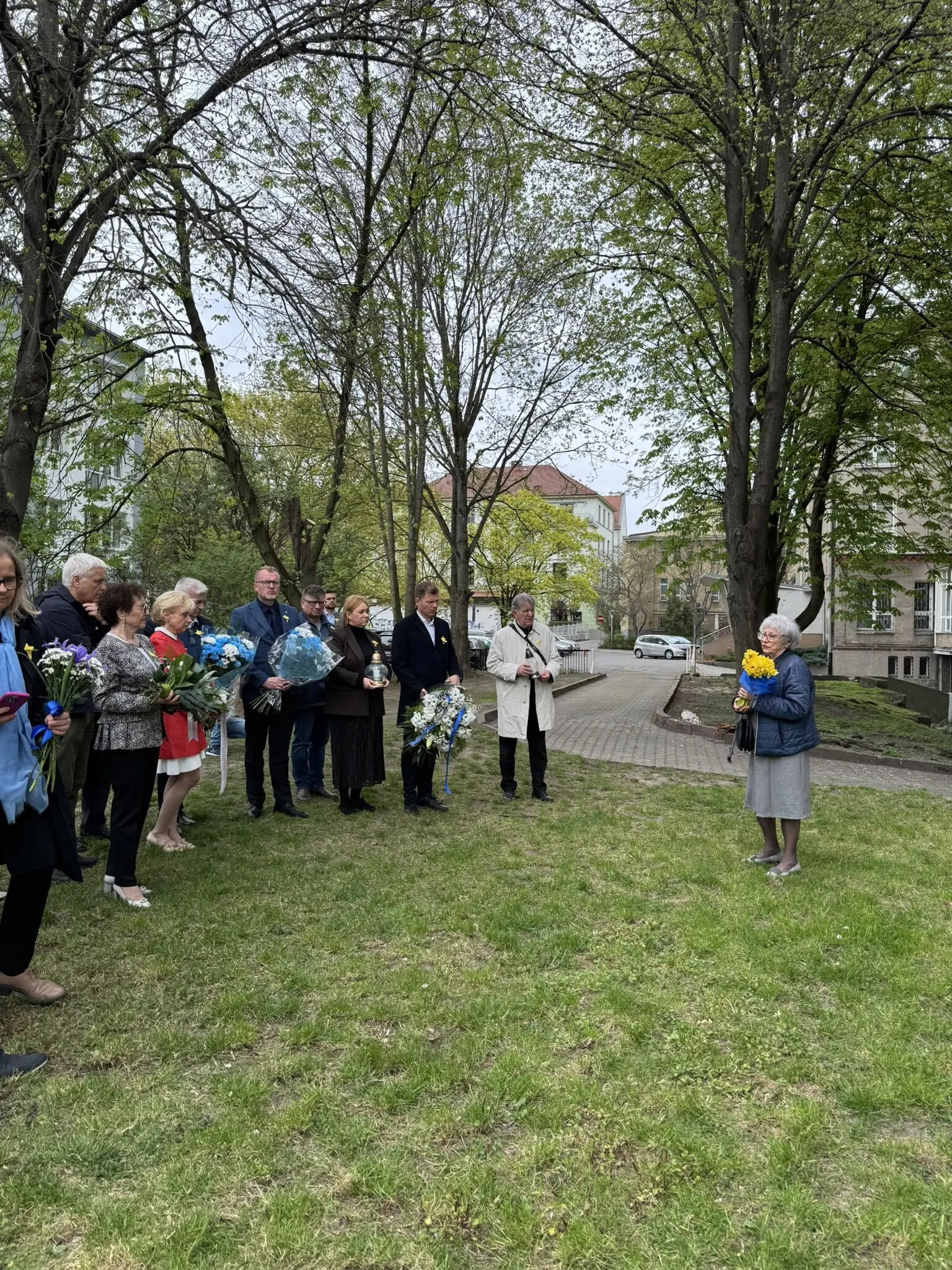
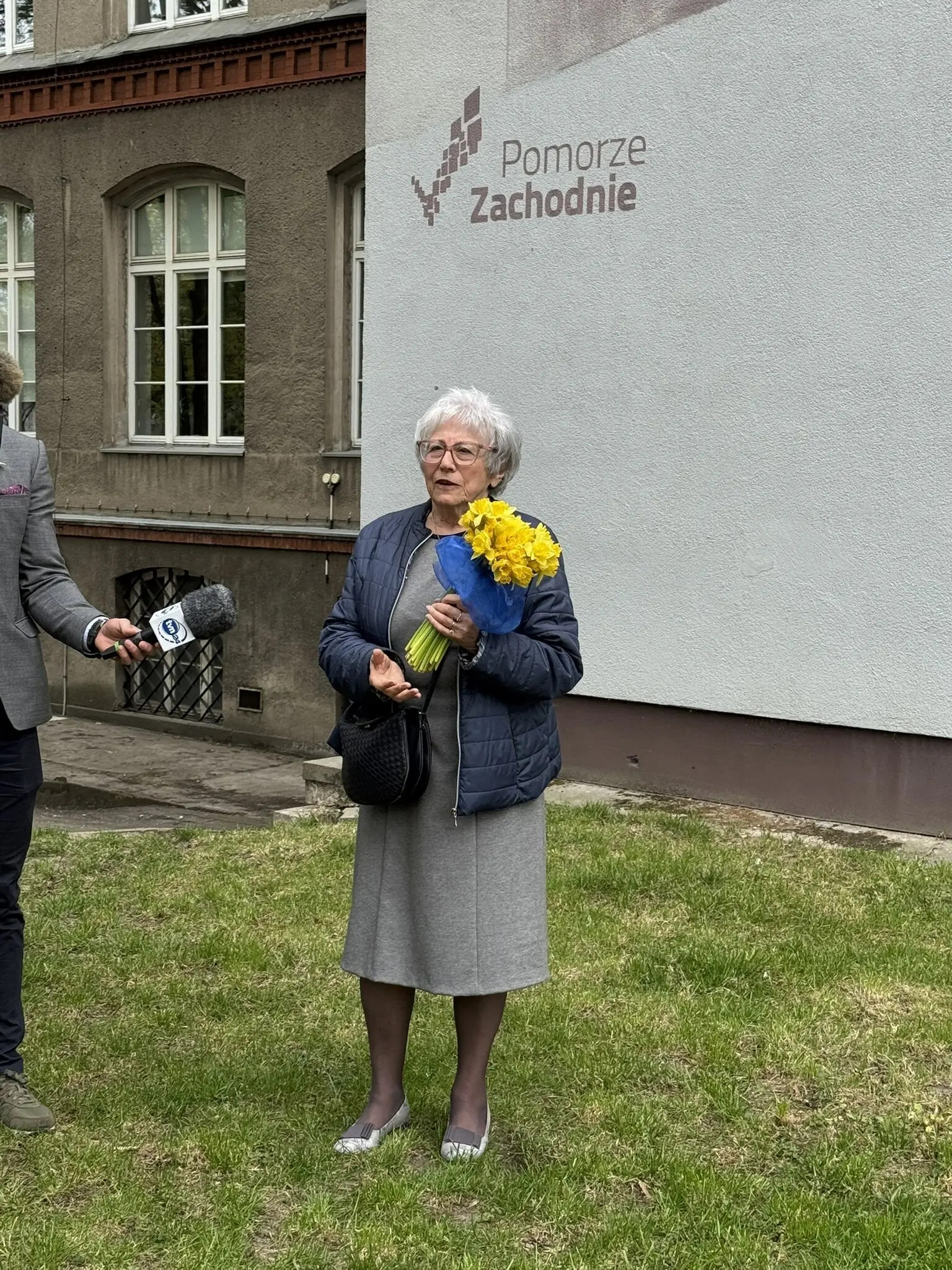
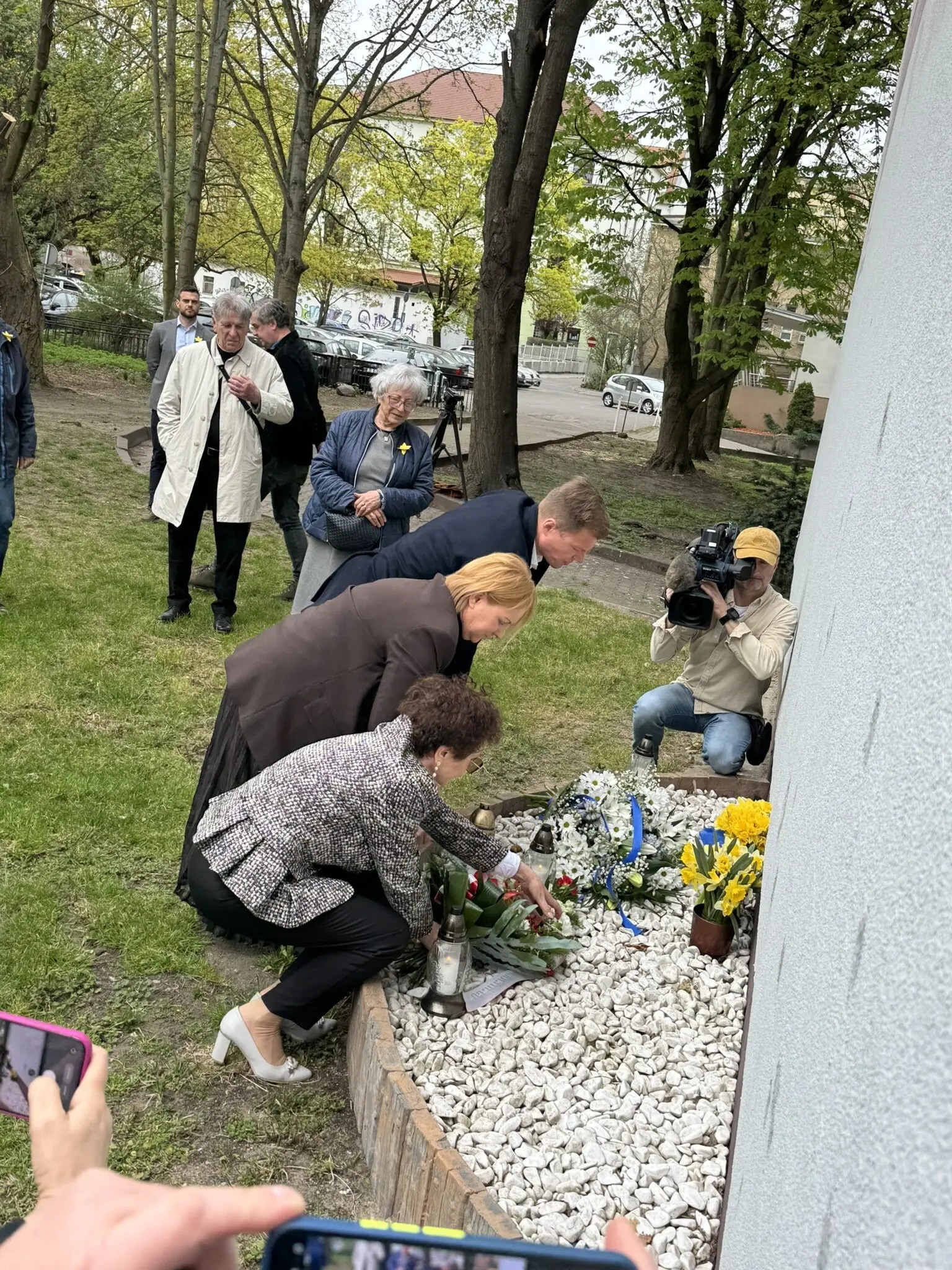
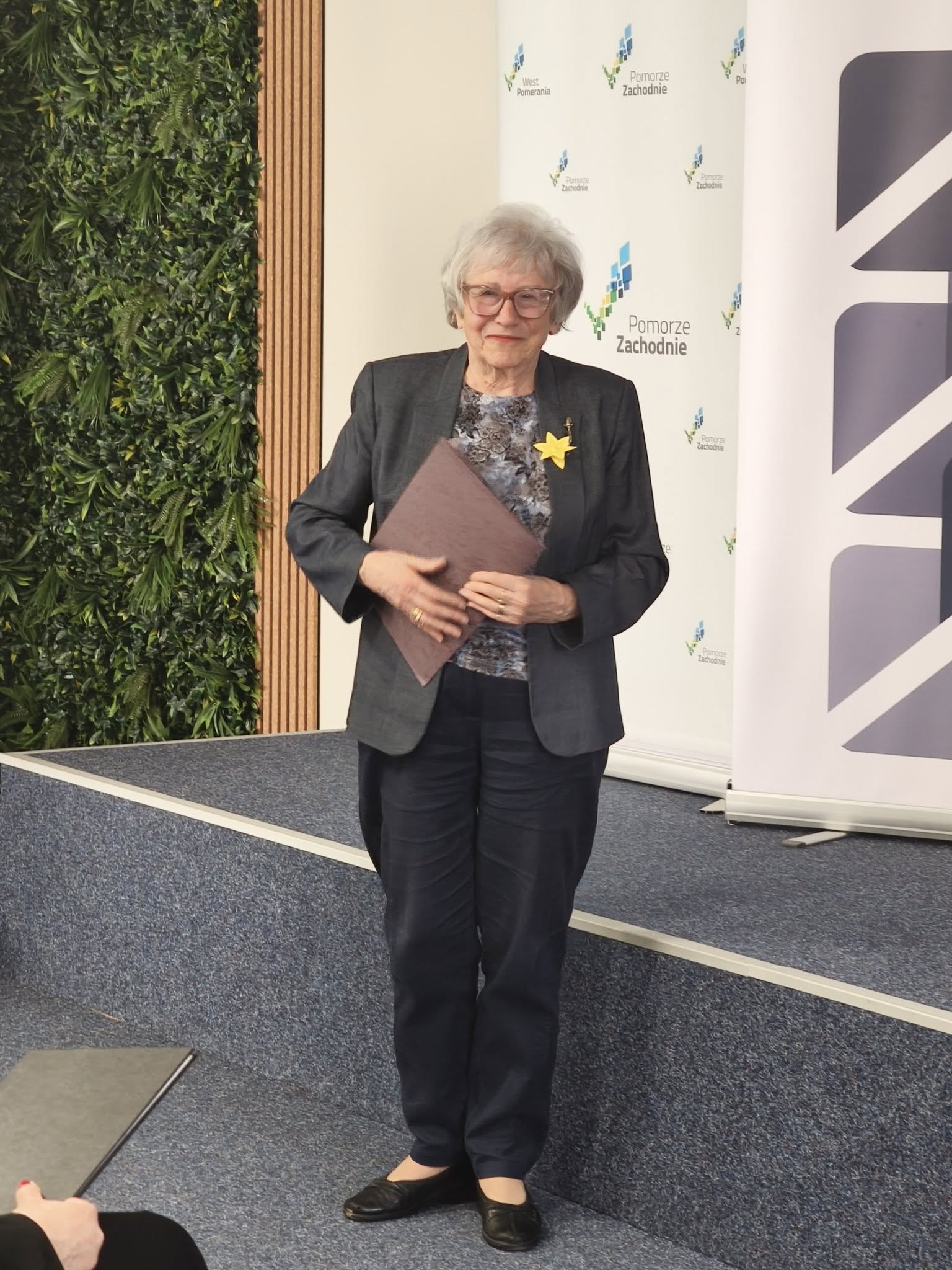
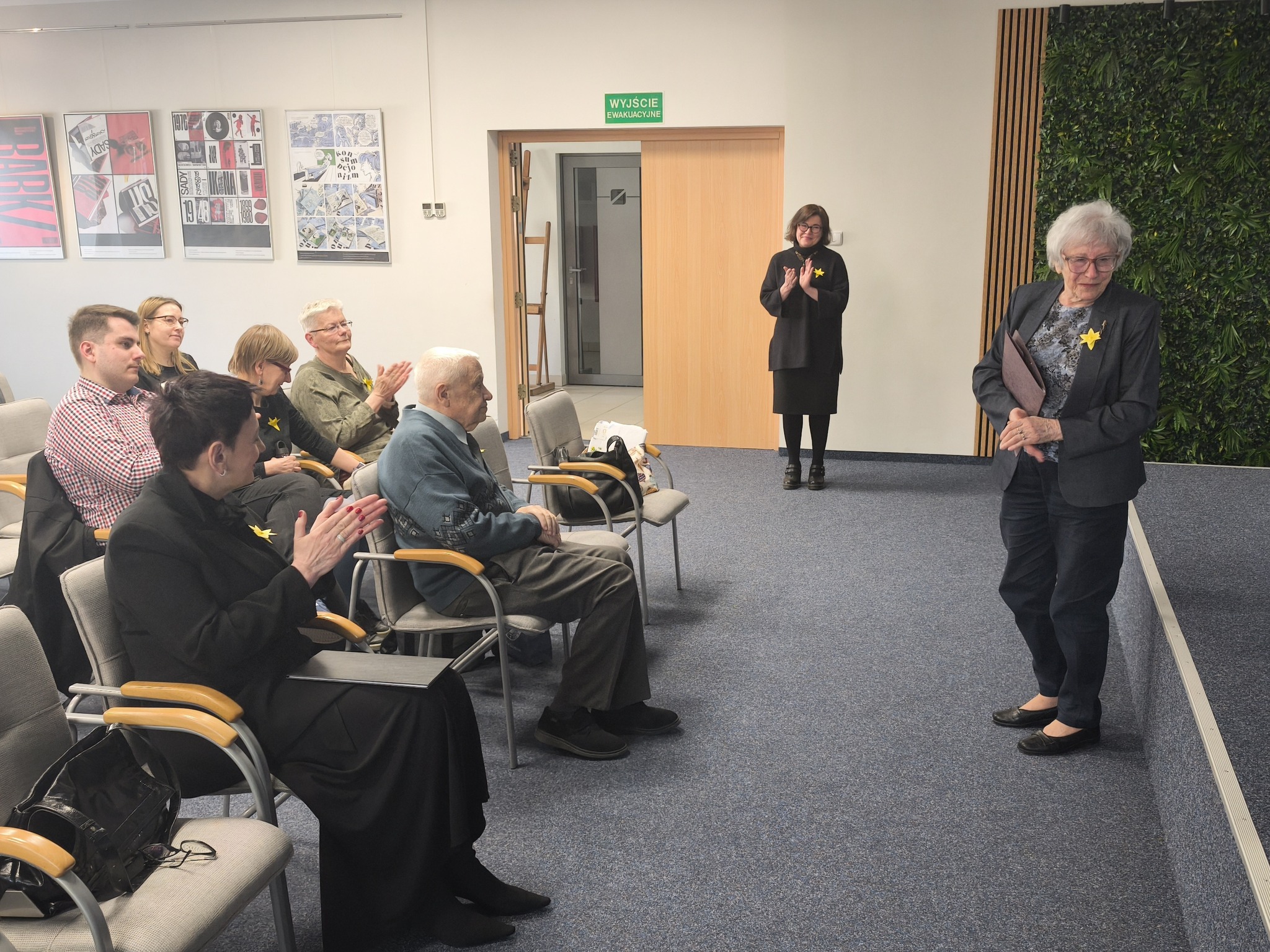
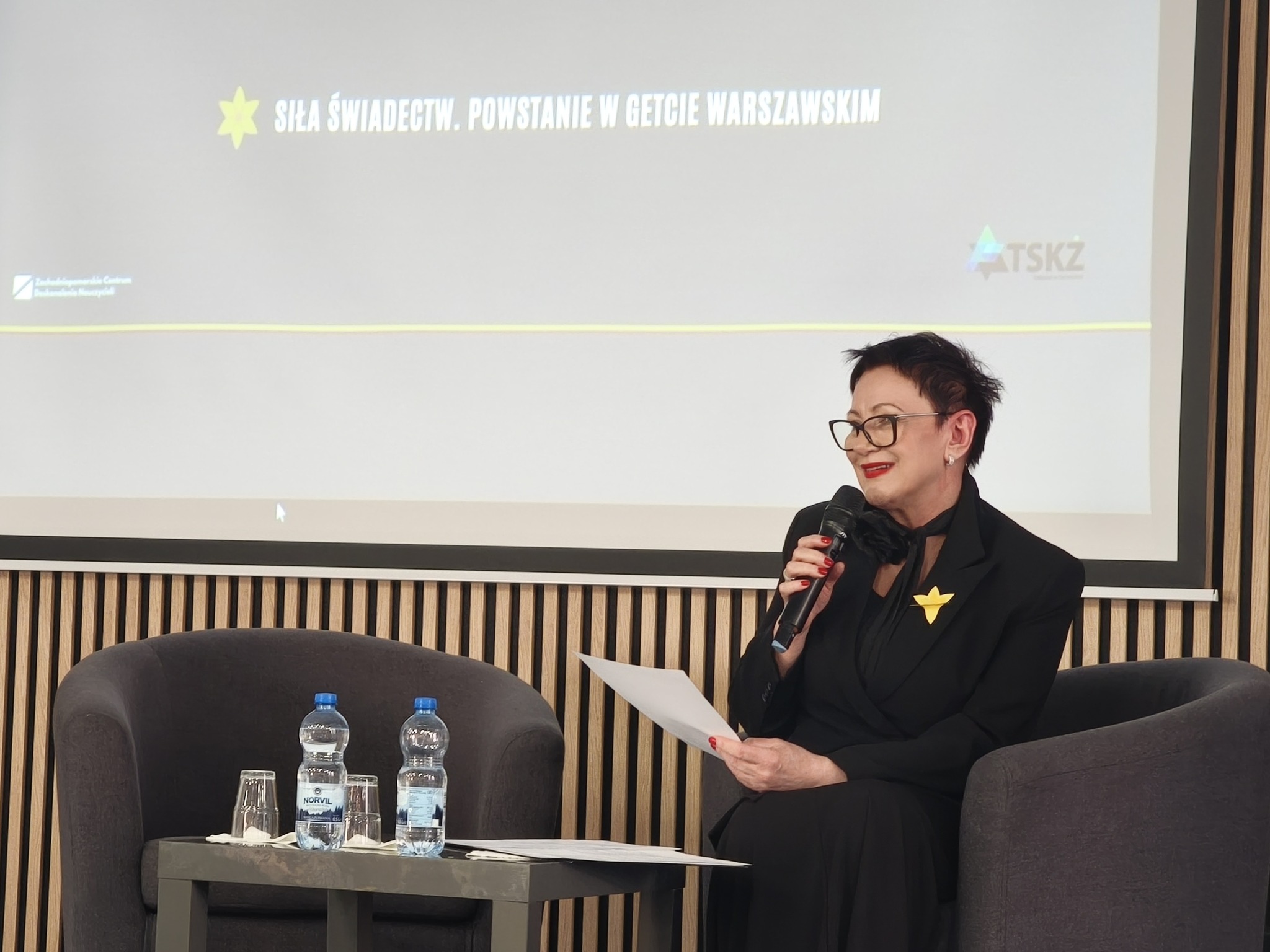
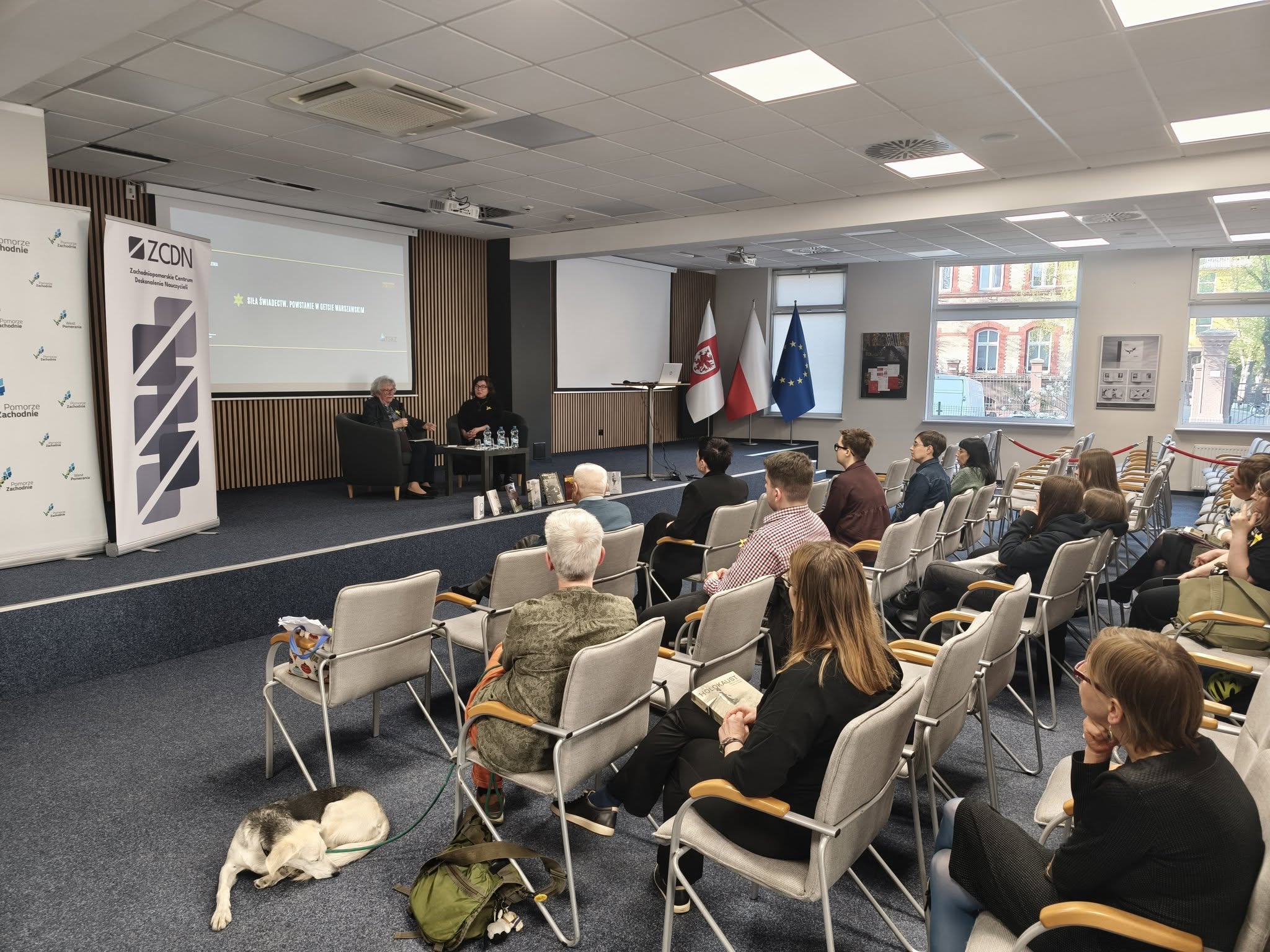
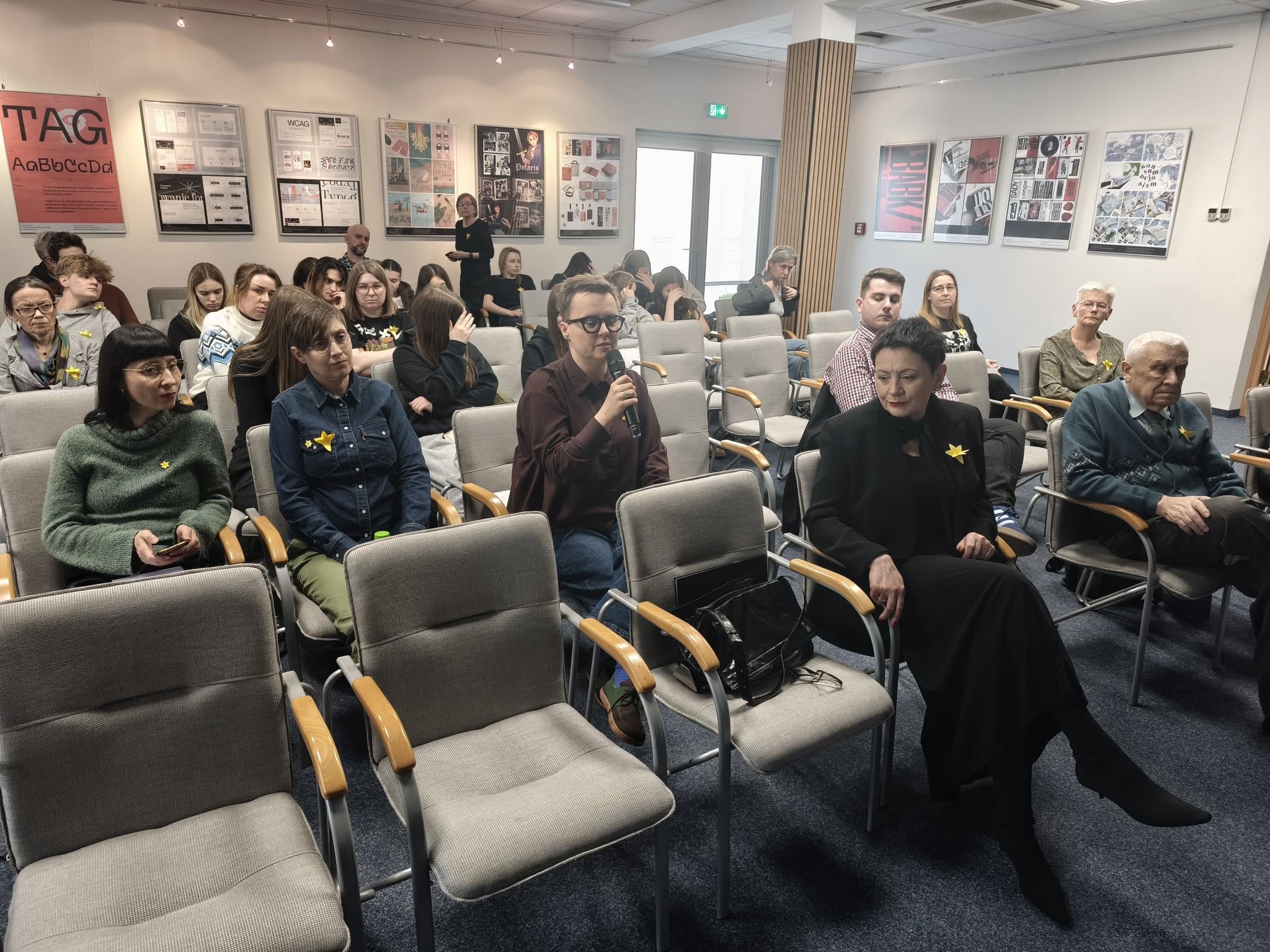
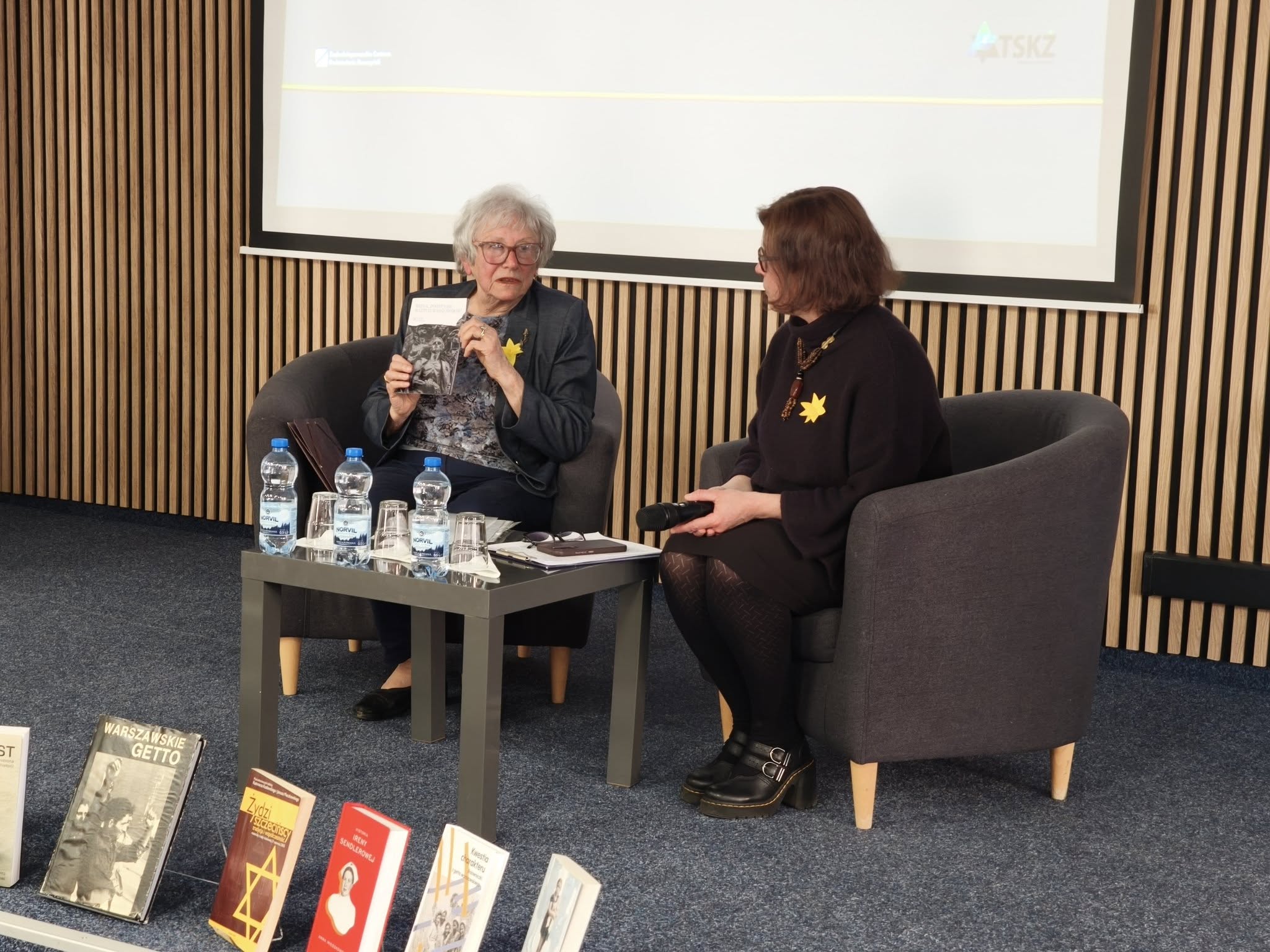
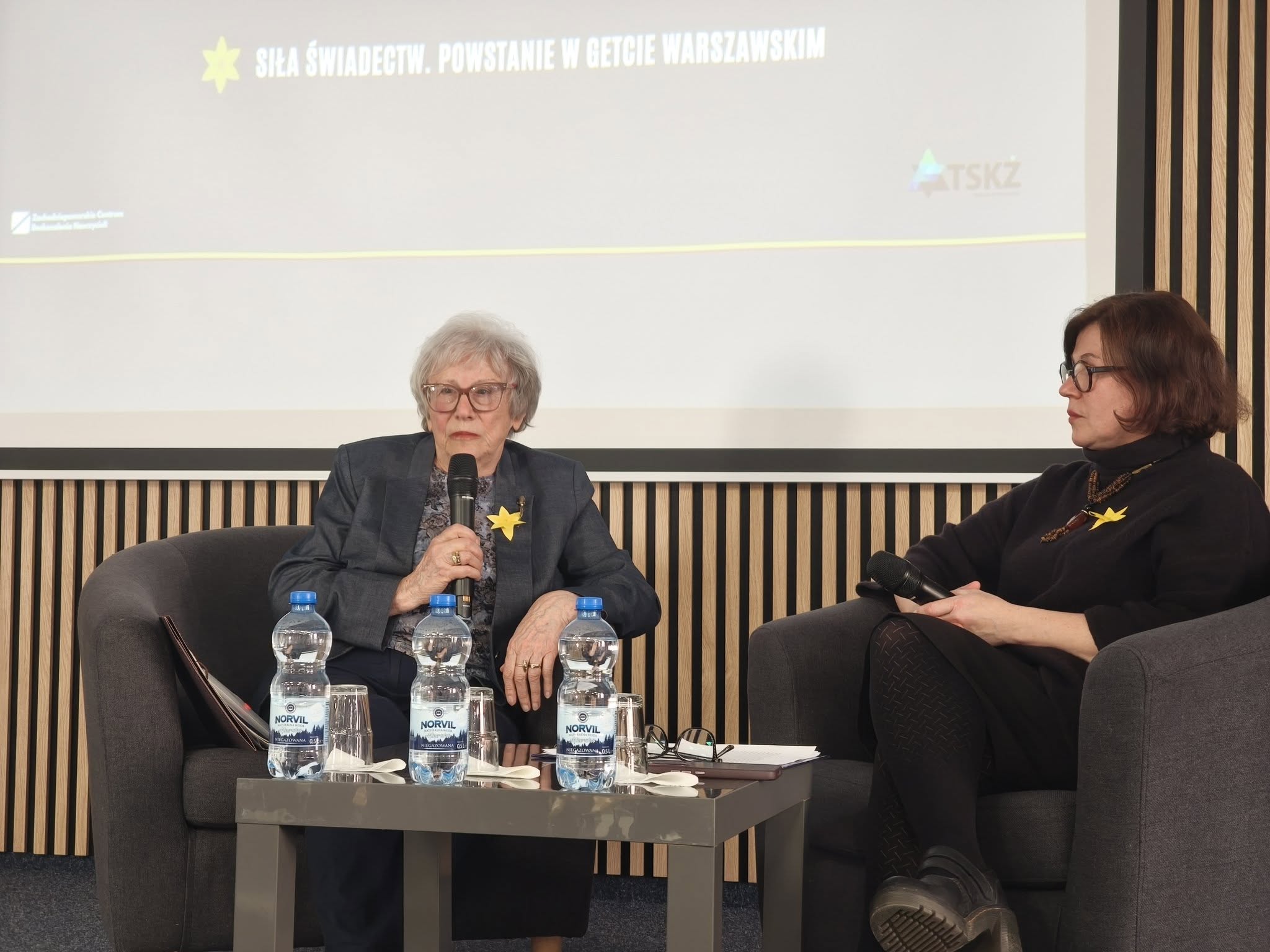
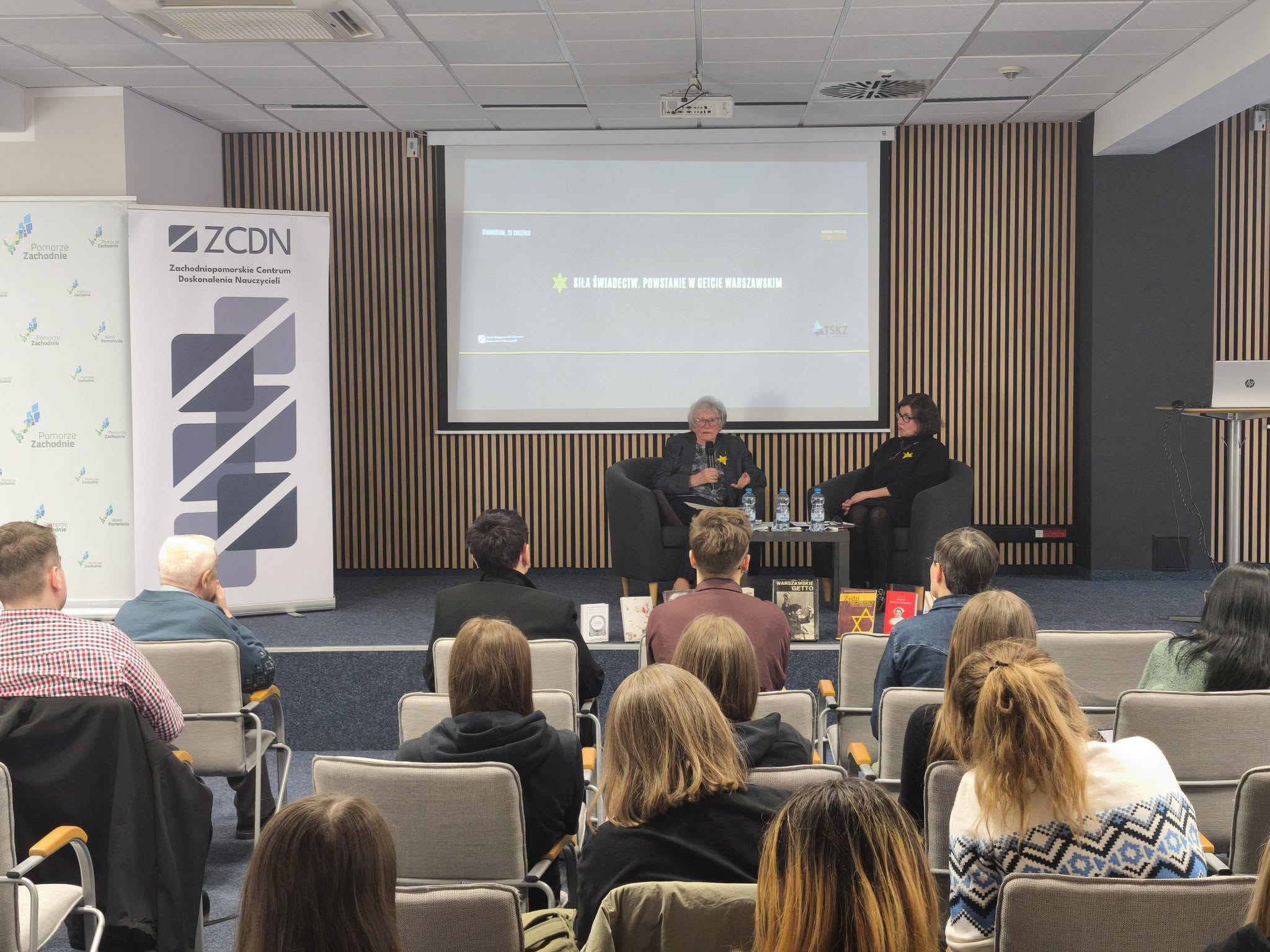
As part of the Szczecin commemorations marking another anniversary of the outbreak of the Warsaw Ghetto Uprising, a seminar entitled “The Power of Testimony: The Warsaw Ghetto Uprising” was organized by the West Pomeranian Teacher Training Centre.
The speakers at the event were the chair of the local branch of TSKŻ, Róża Król, and actress Anna Gielarowska, who collaborates with our Szczecin branch.
Photo by ZCDN
WROCŁAW
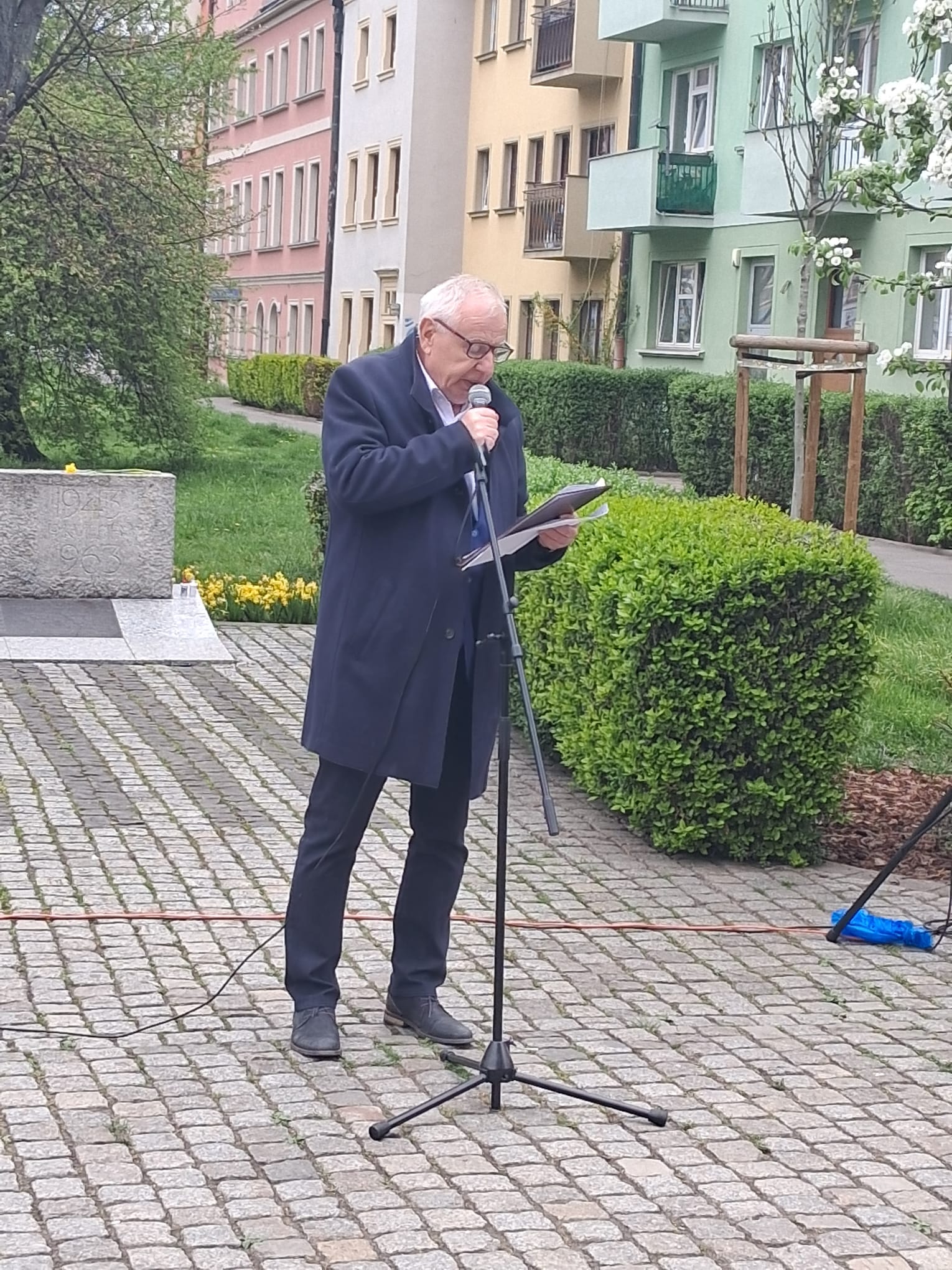
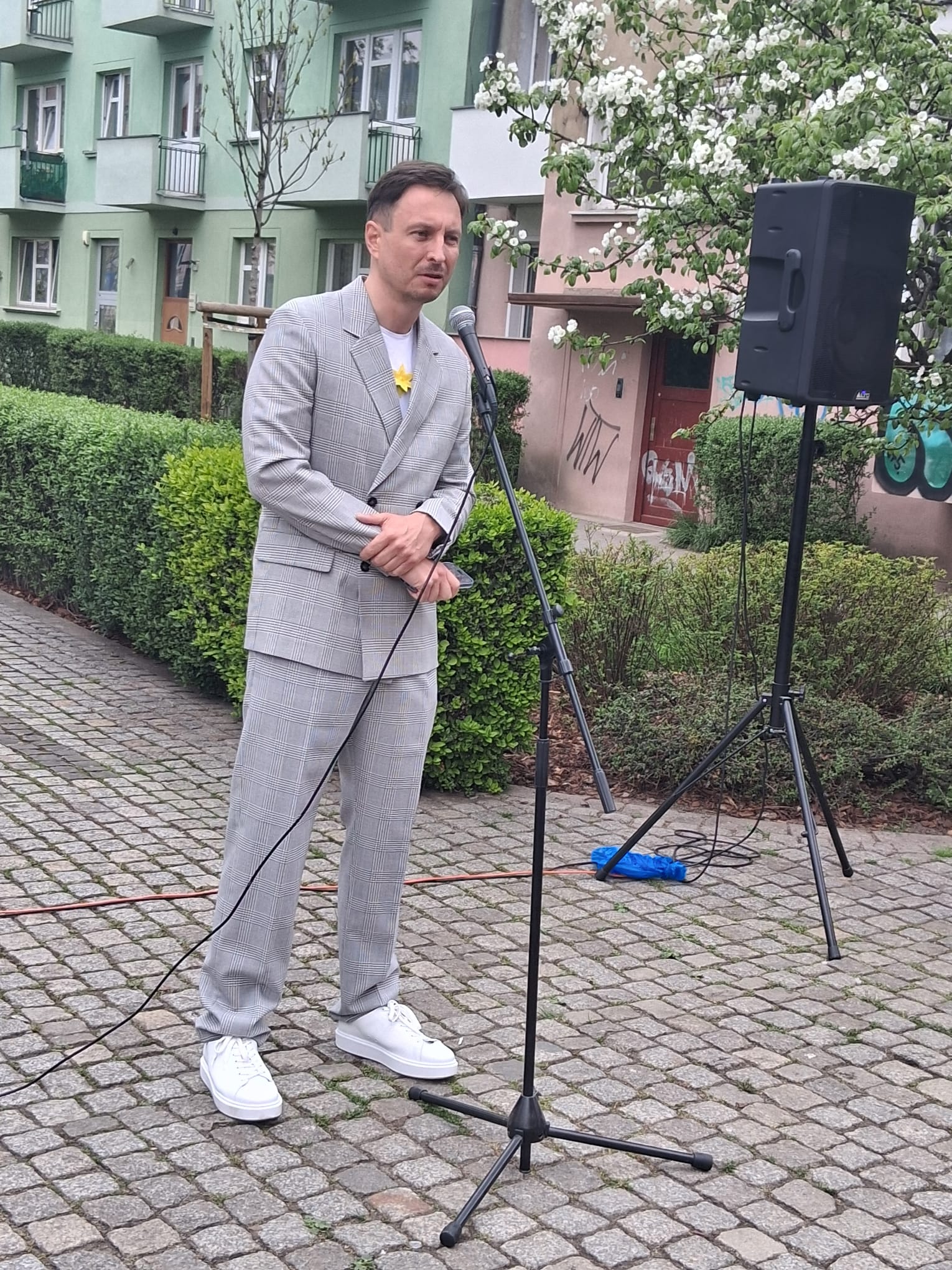
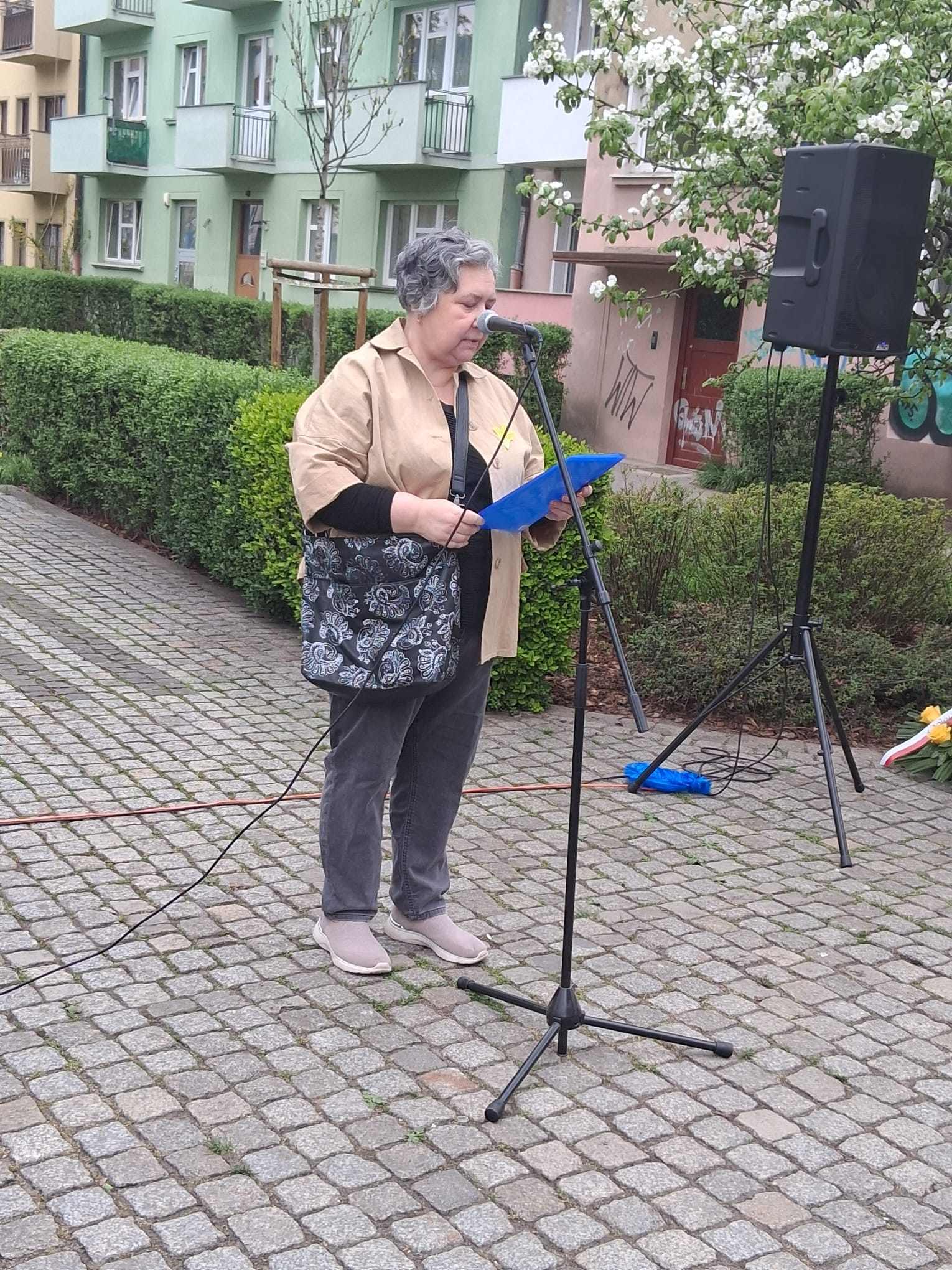
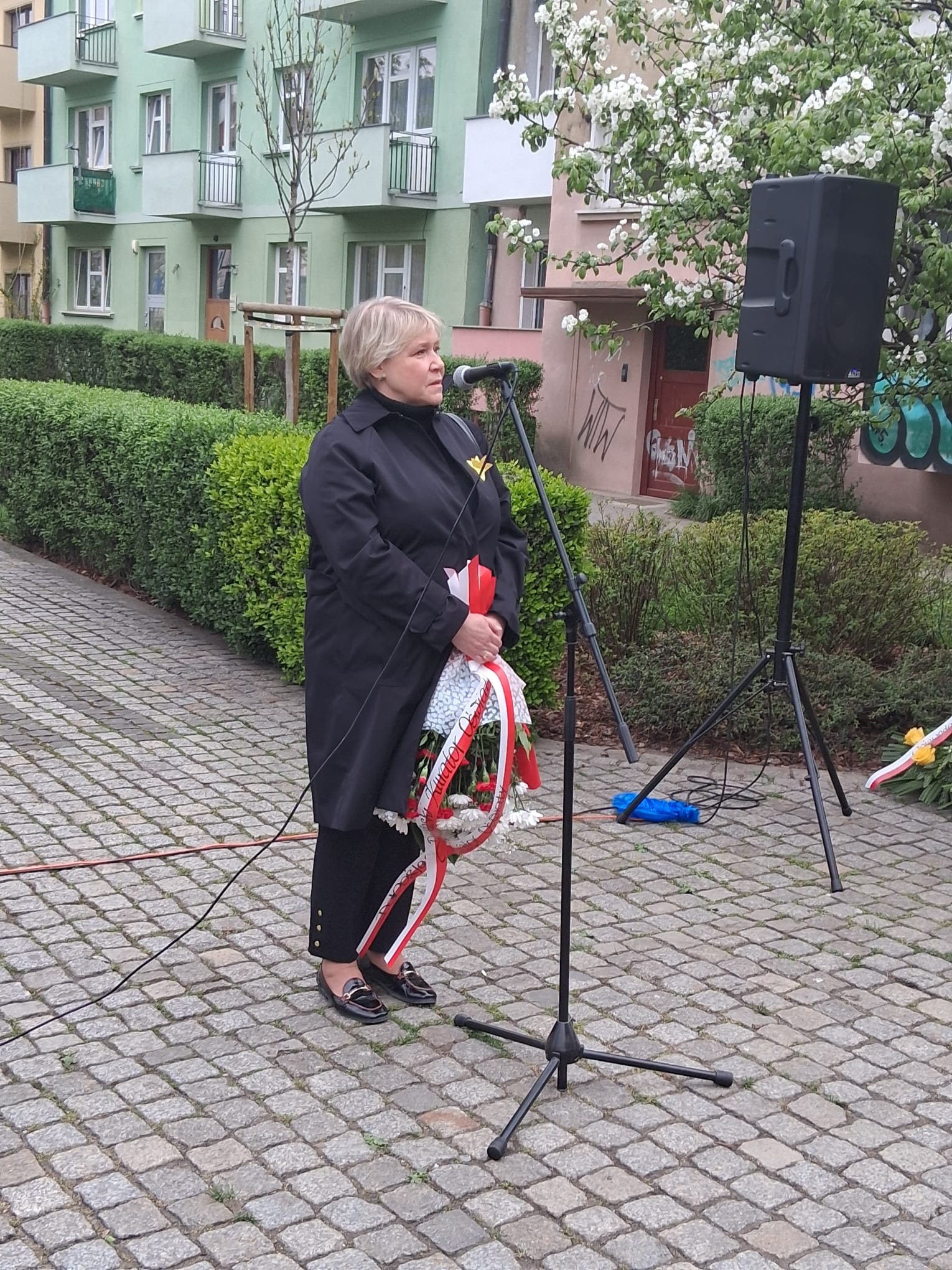
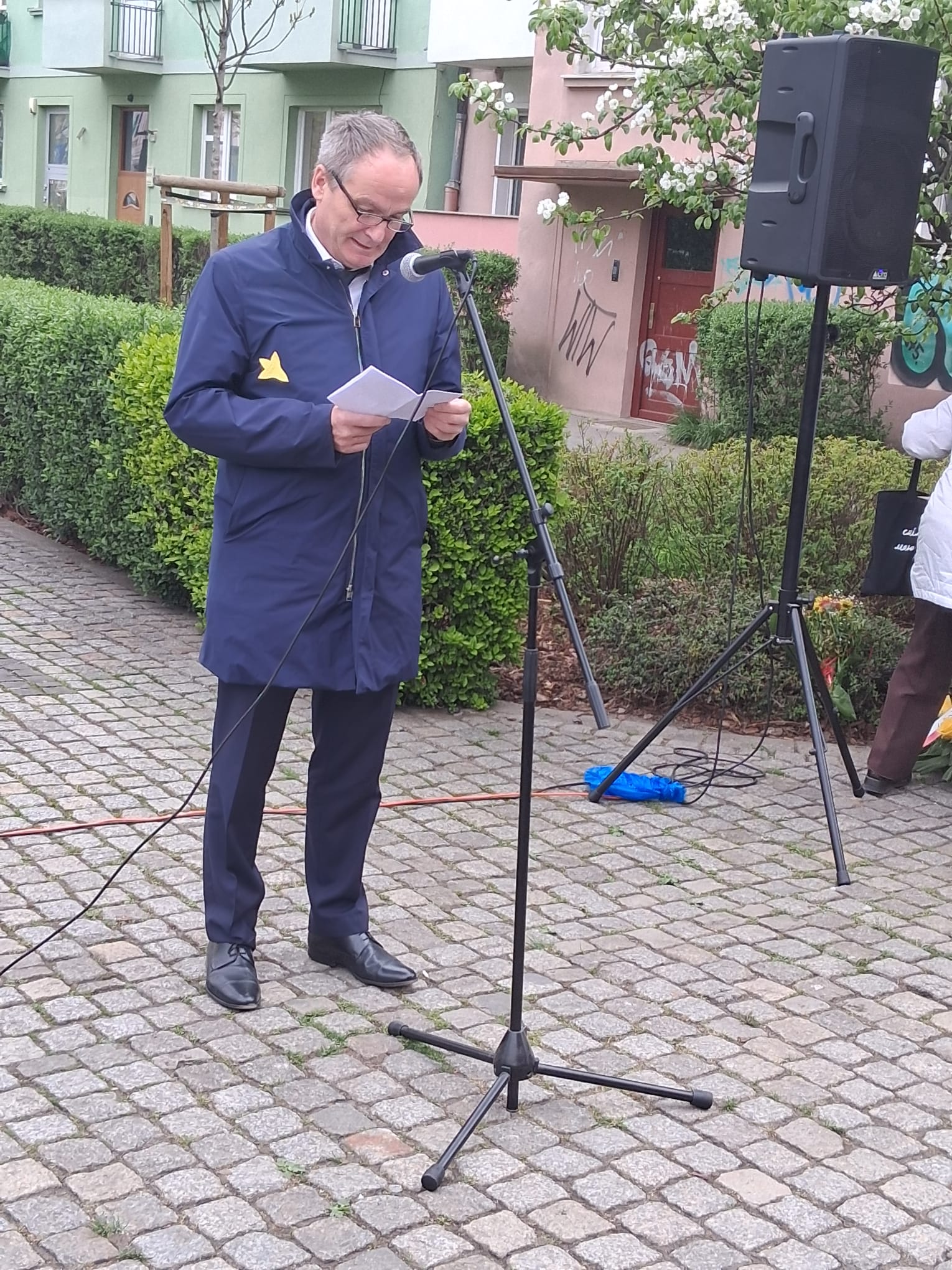
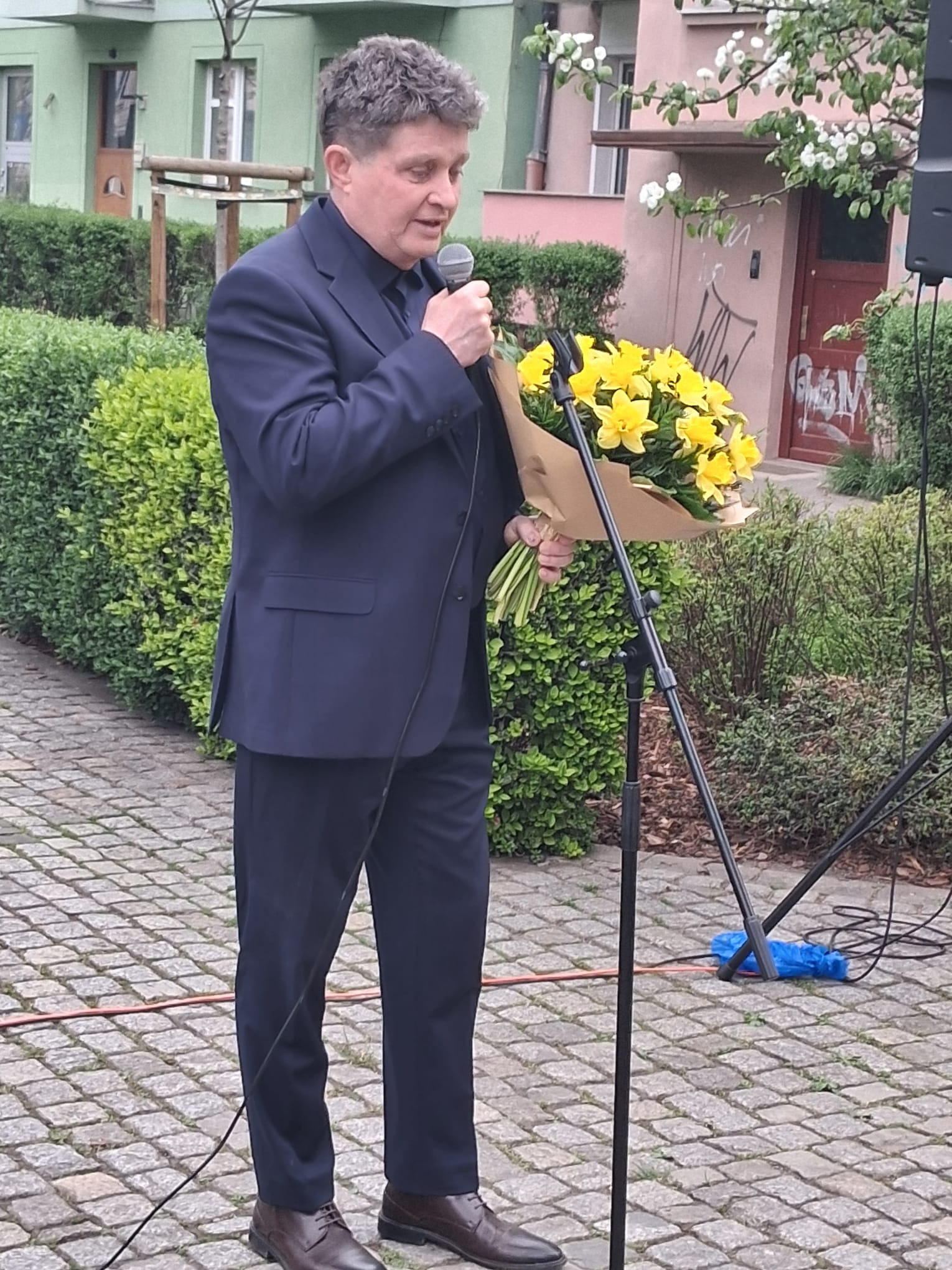
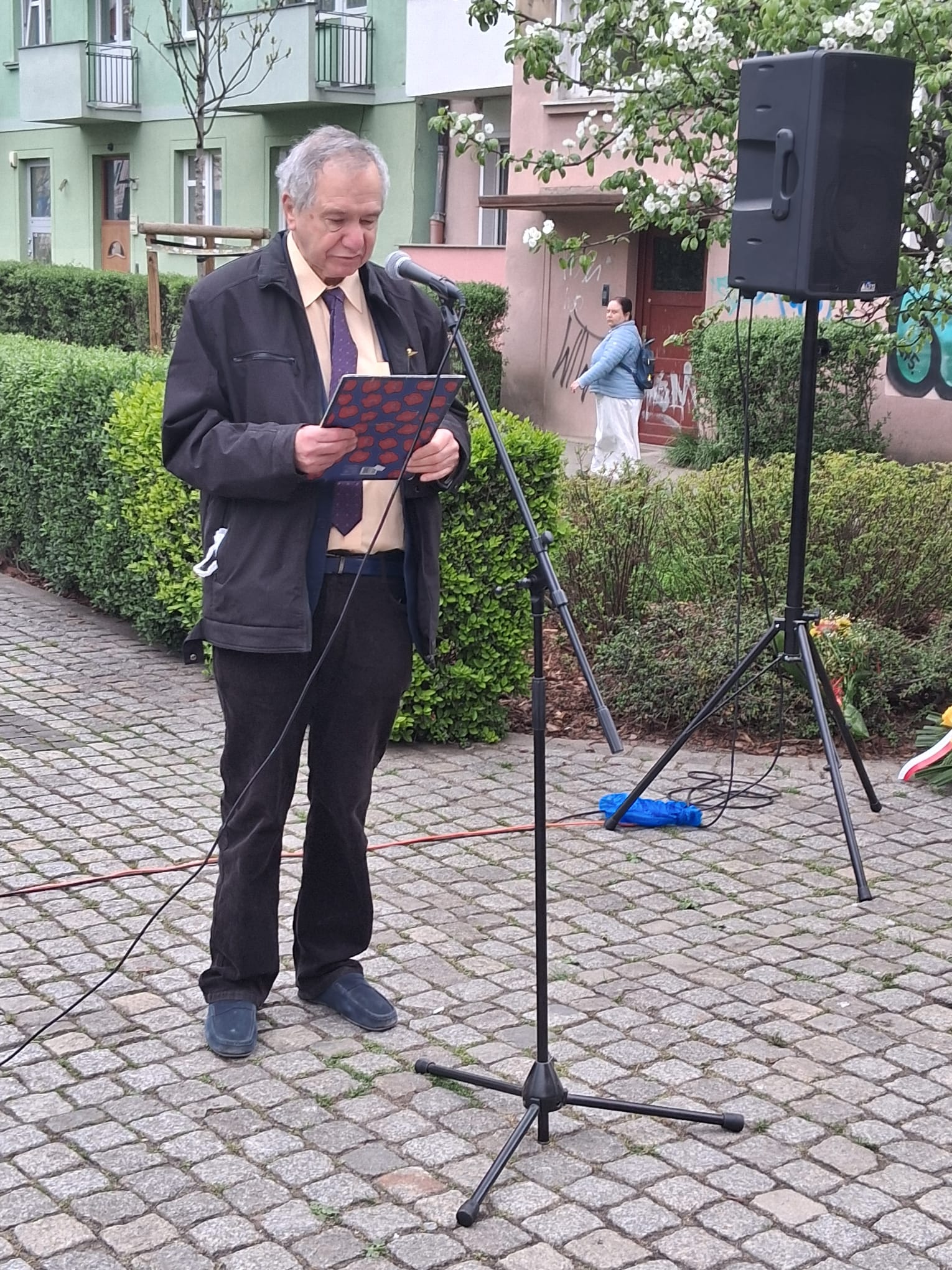
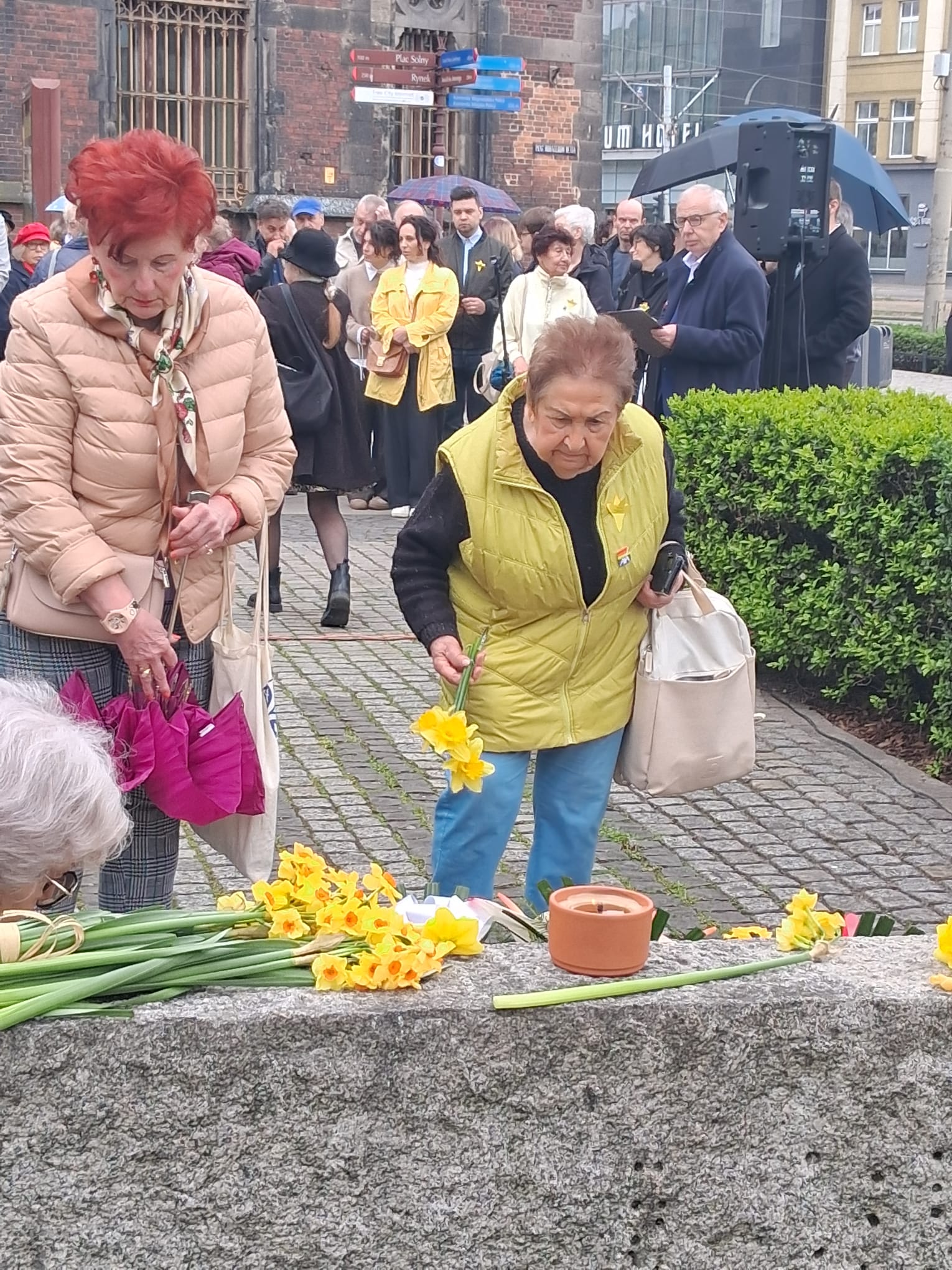
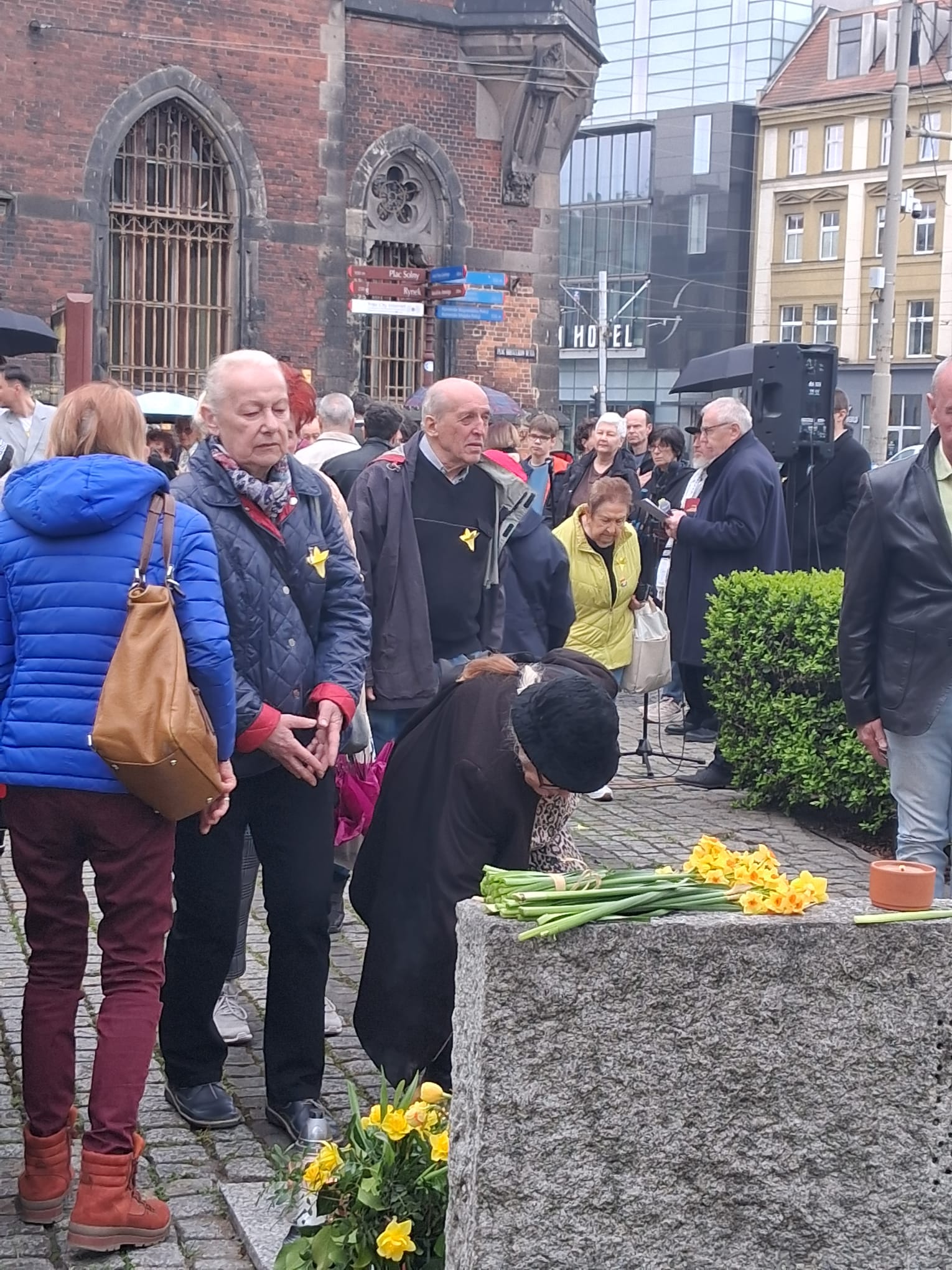
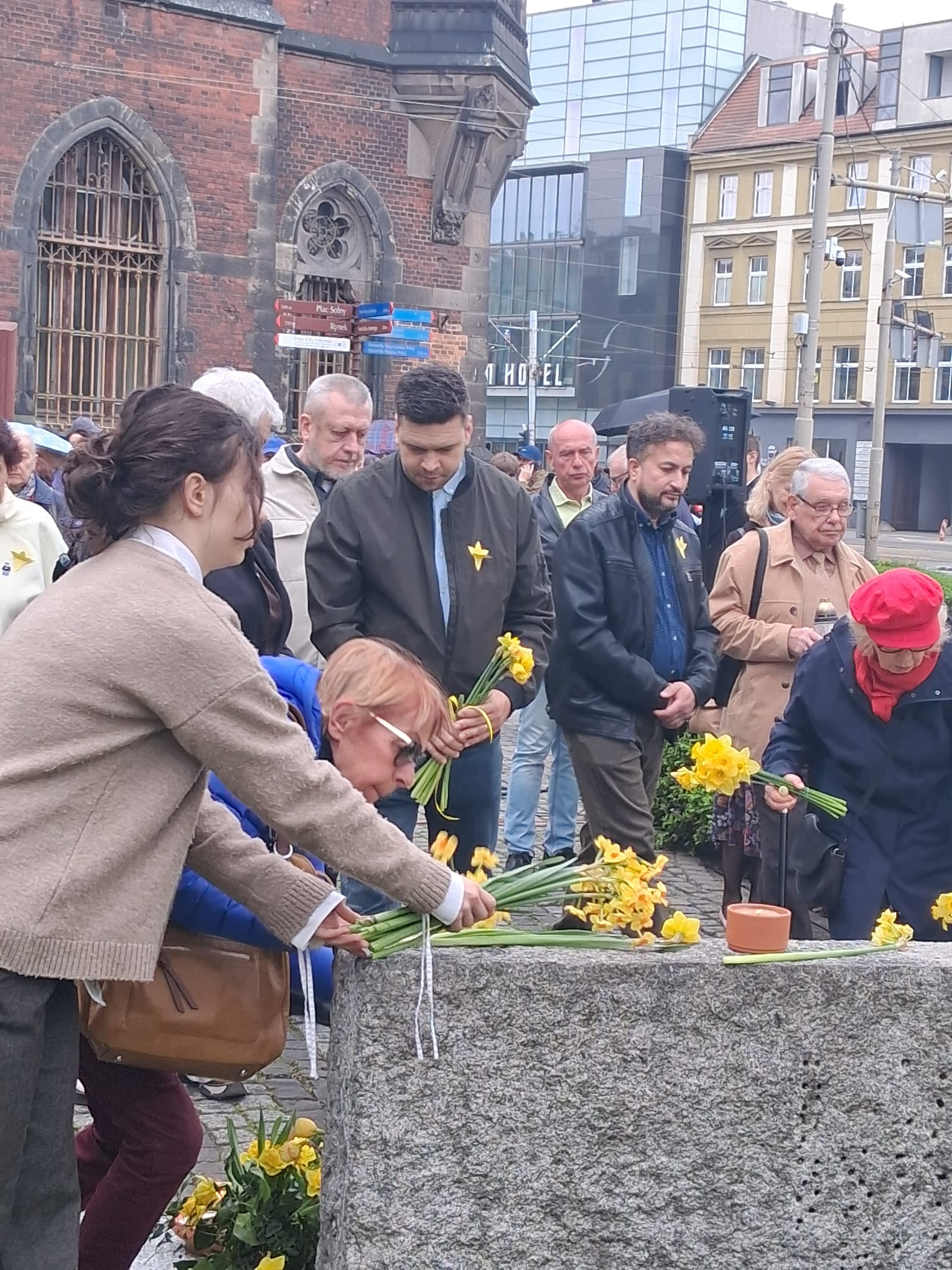
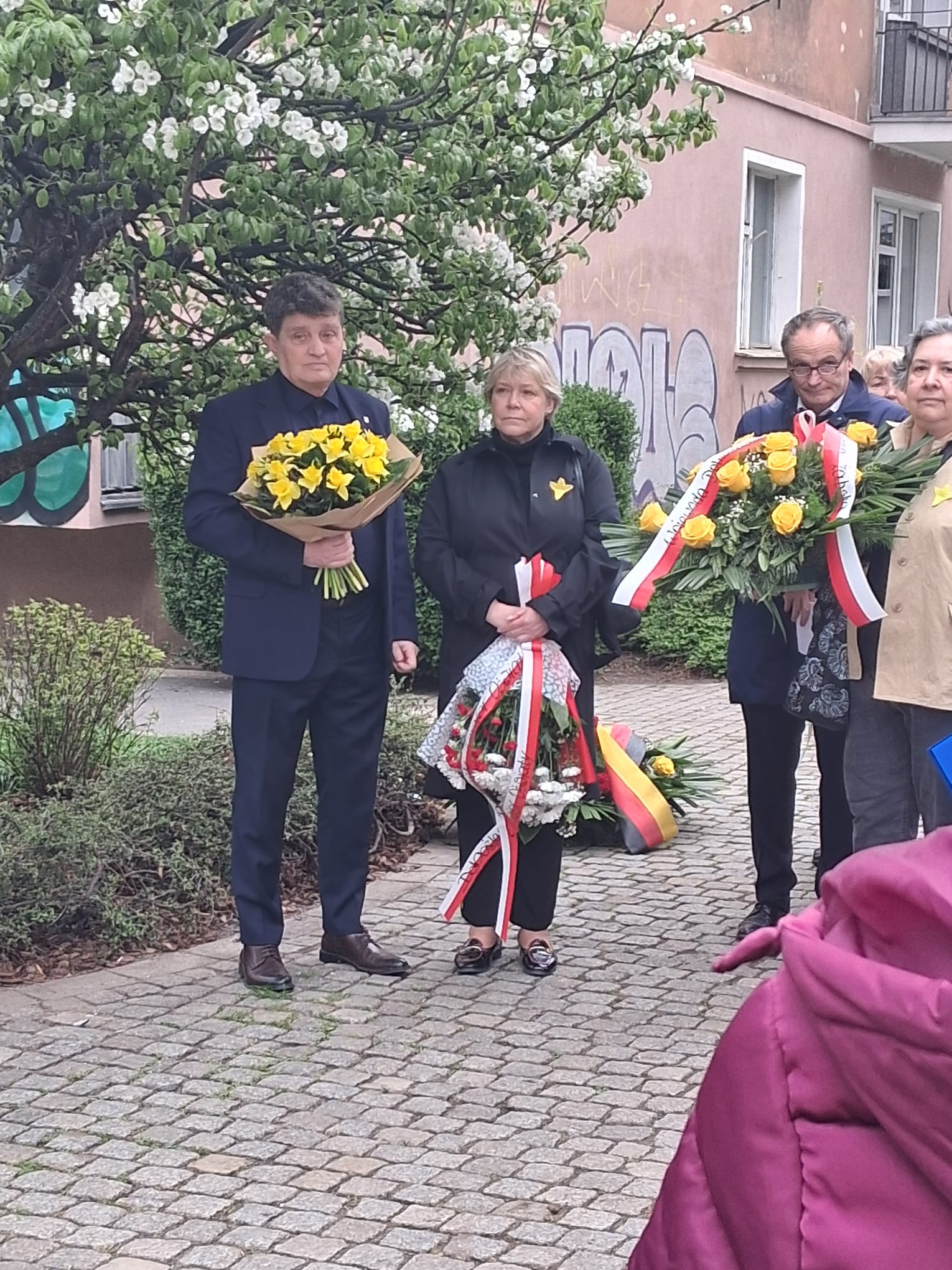
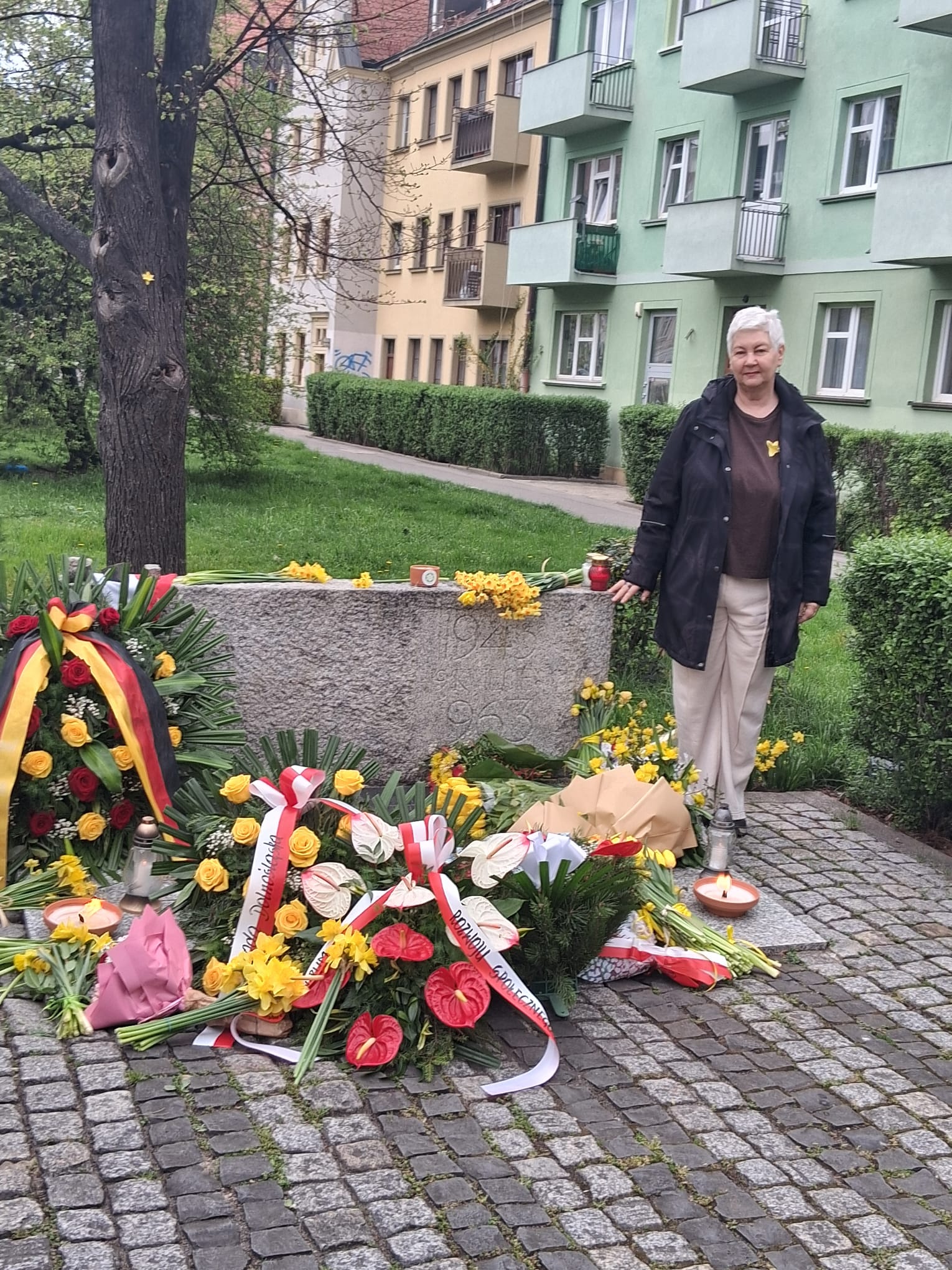
On Sunday, 19 April, official commemorations marking the 83rd anniversary of the outbreak of the Warsaw Ghetto Uprising were held at the Monument to the Ghetto Heroes in Wrocław. The event was organized by the Wrocław branch of the Social and Cultural Association of Jews in Poland.
Among those in attendance were representatives of the city and regional authorities, the Lower Silesian Superintendent of Education, the Consul General of Germany in Wrocław, representatives of the Department of Jewish Studies at the University of Wrocław, and the Ethnographic Museum—branch of the National Museum in Wrocław. The Jewish community was represented by members of organizations active in Wrocław.
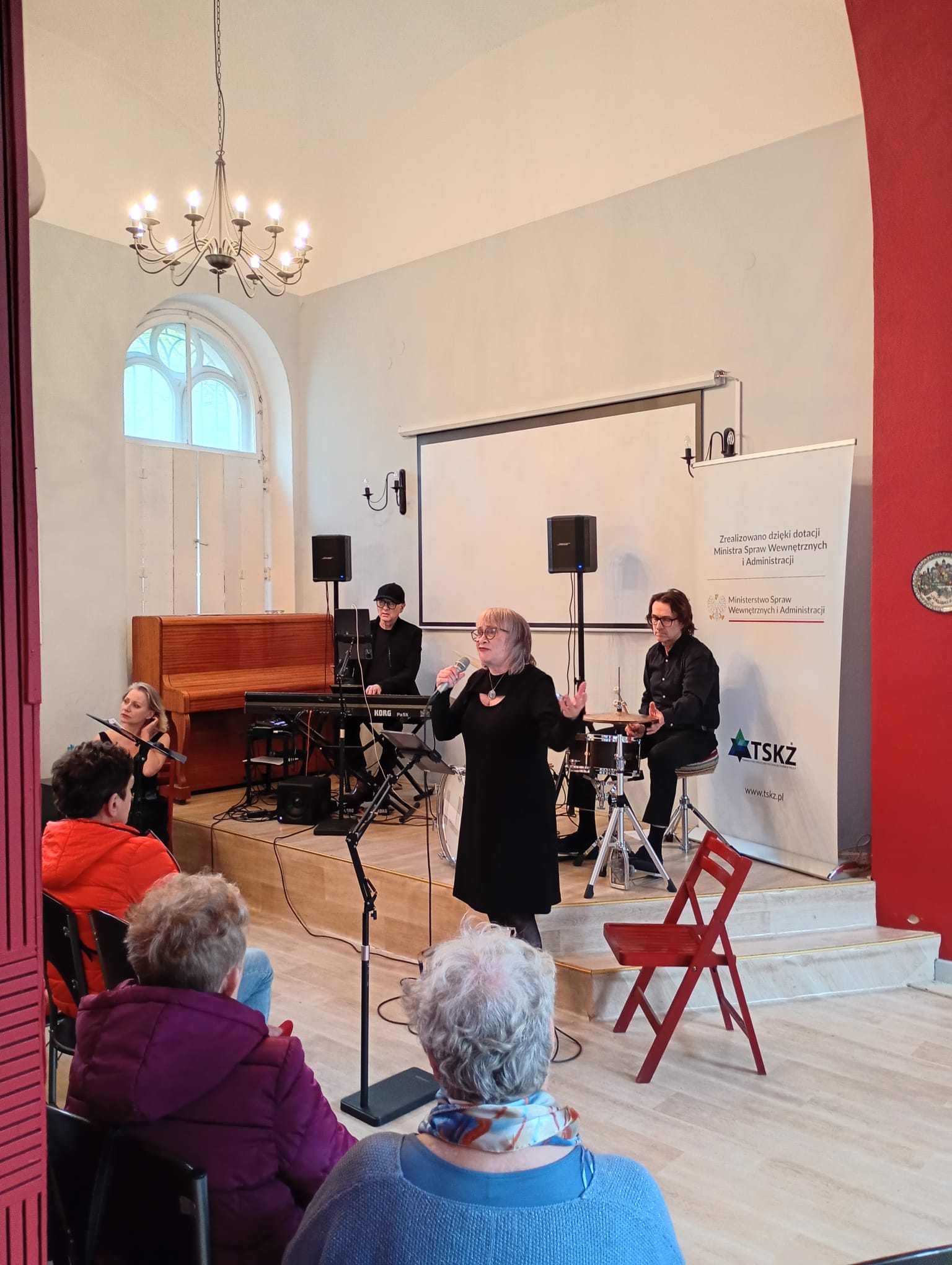
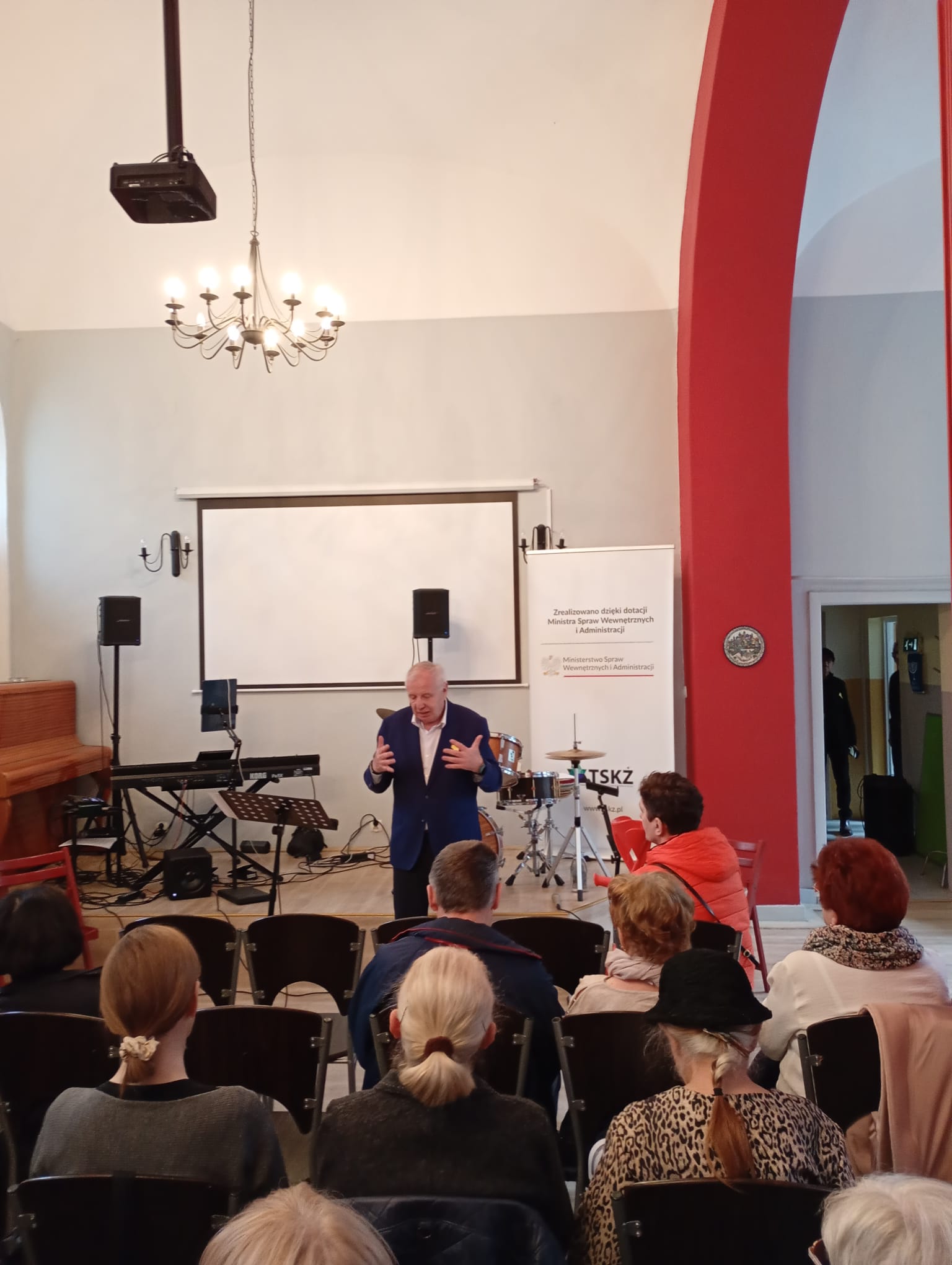
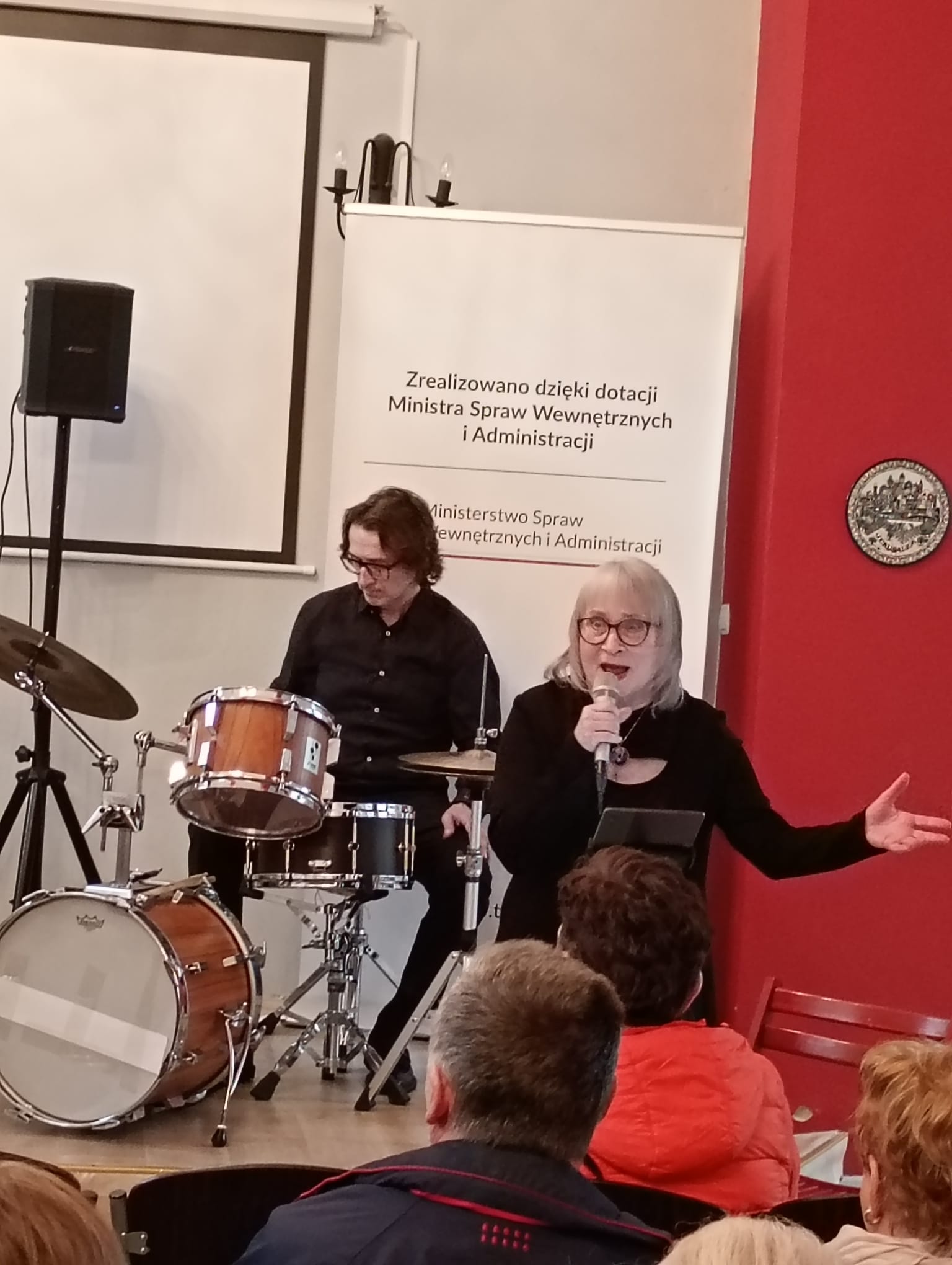
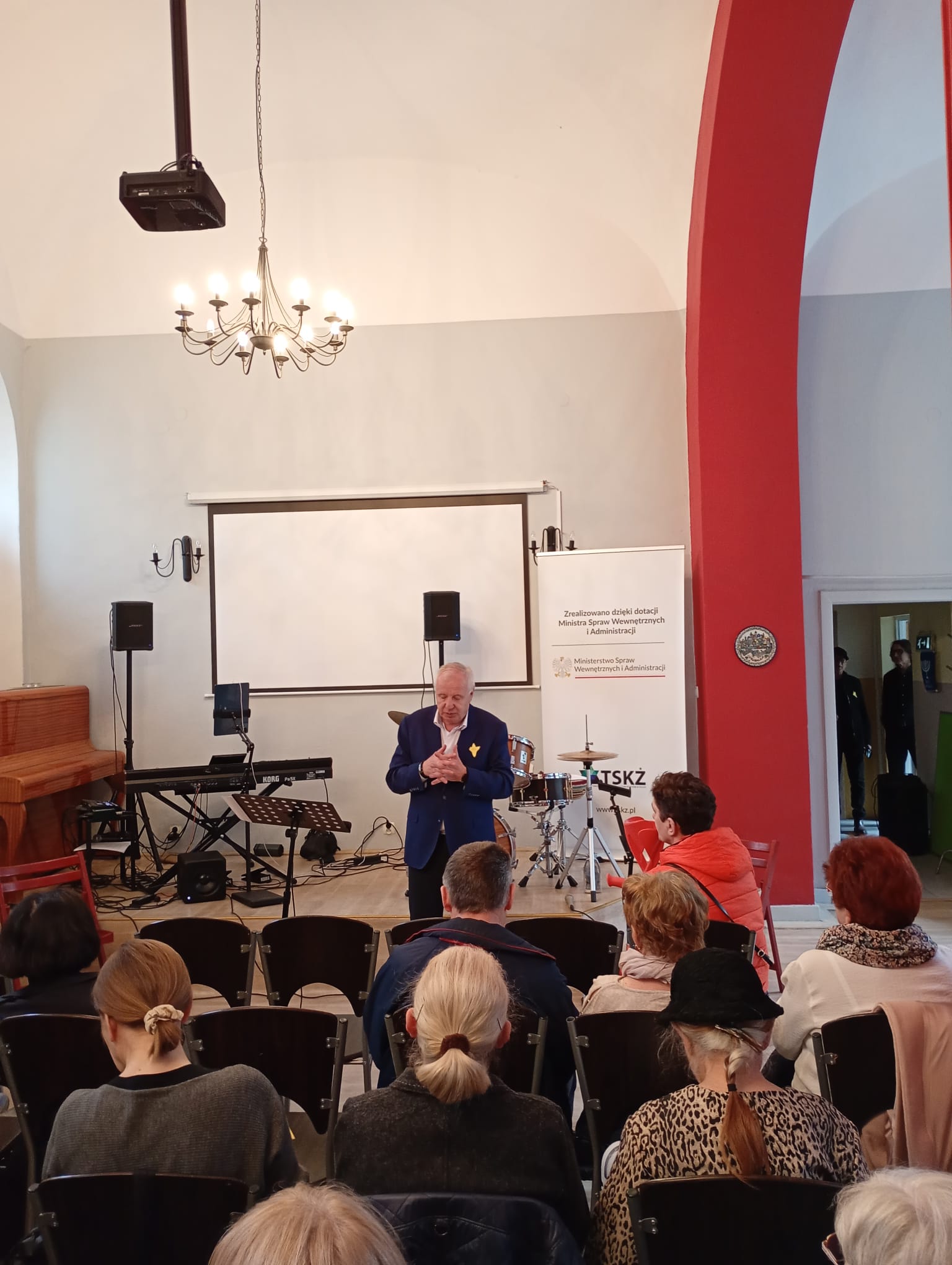
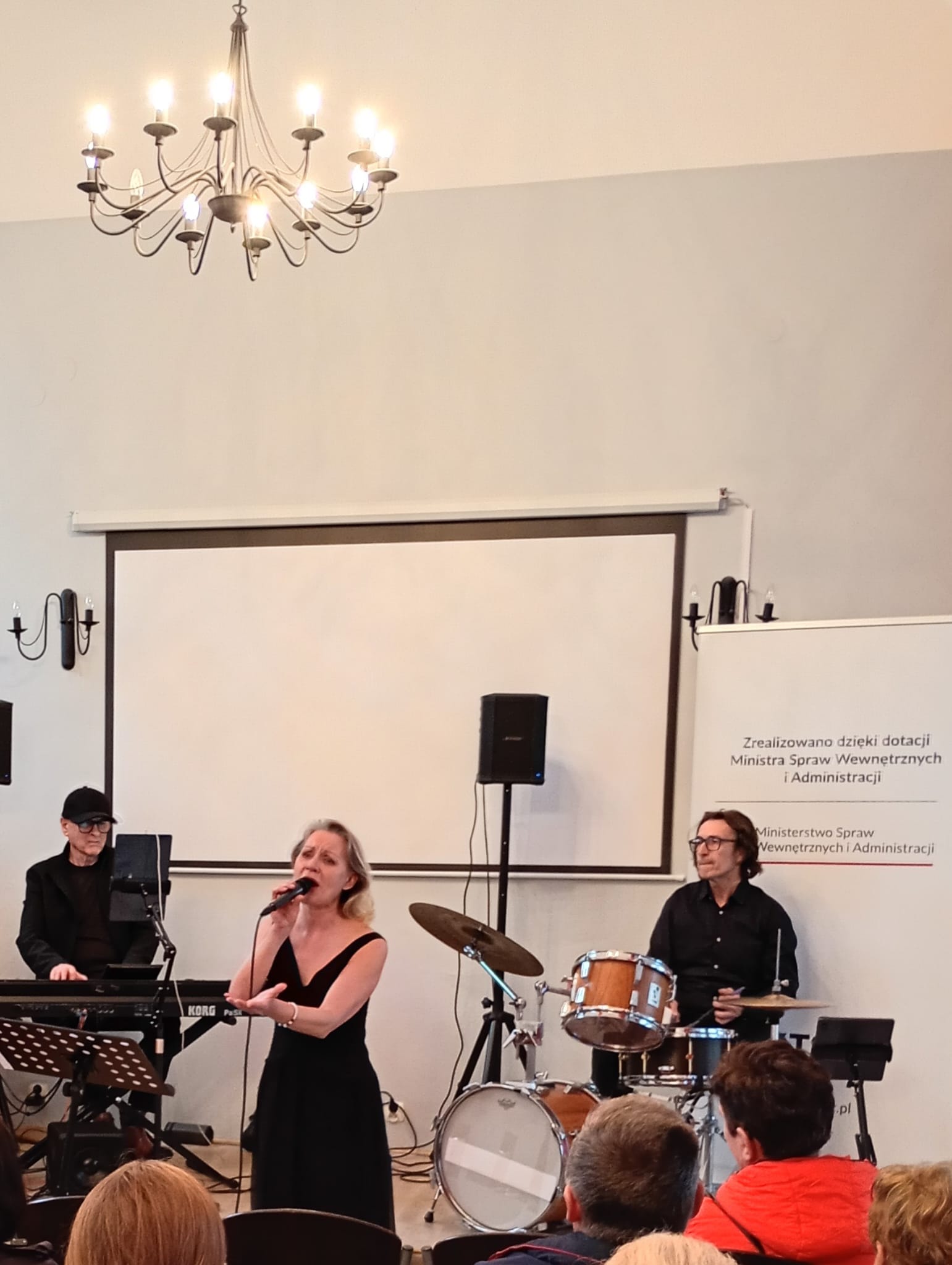
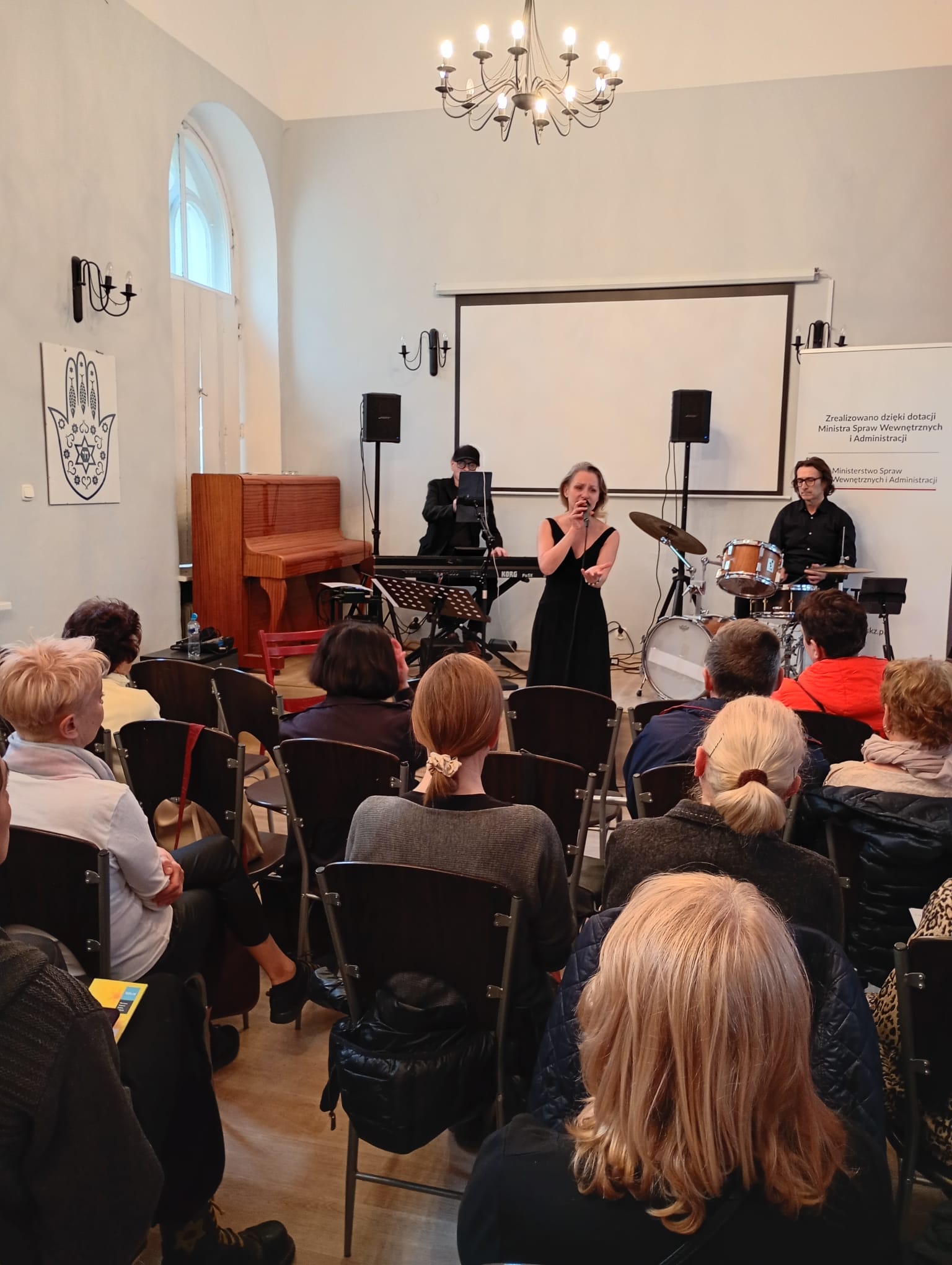
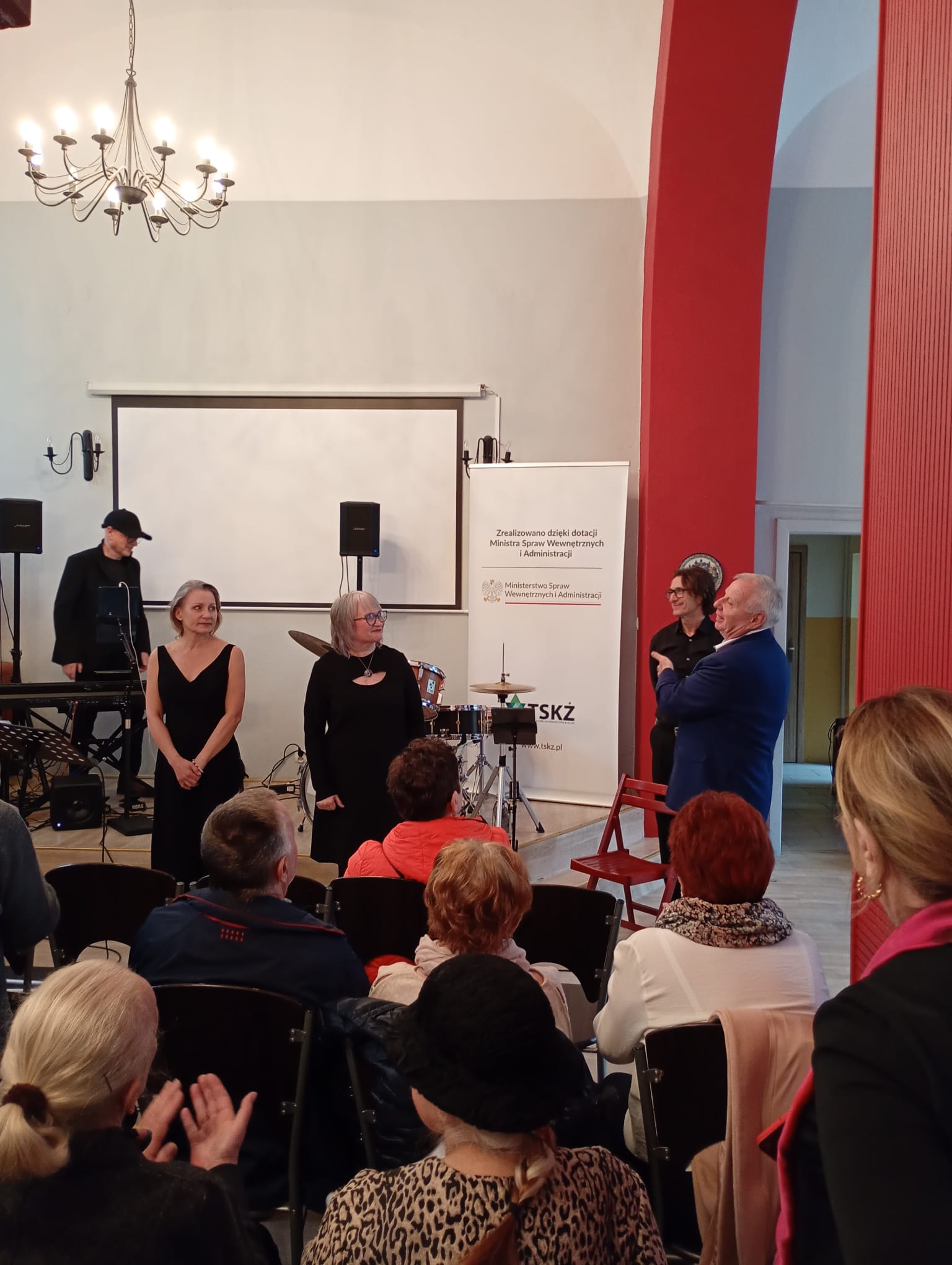
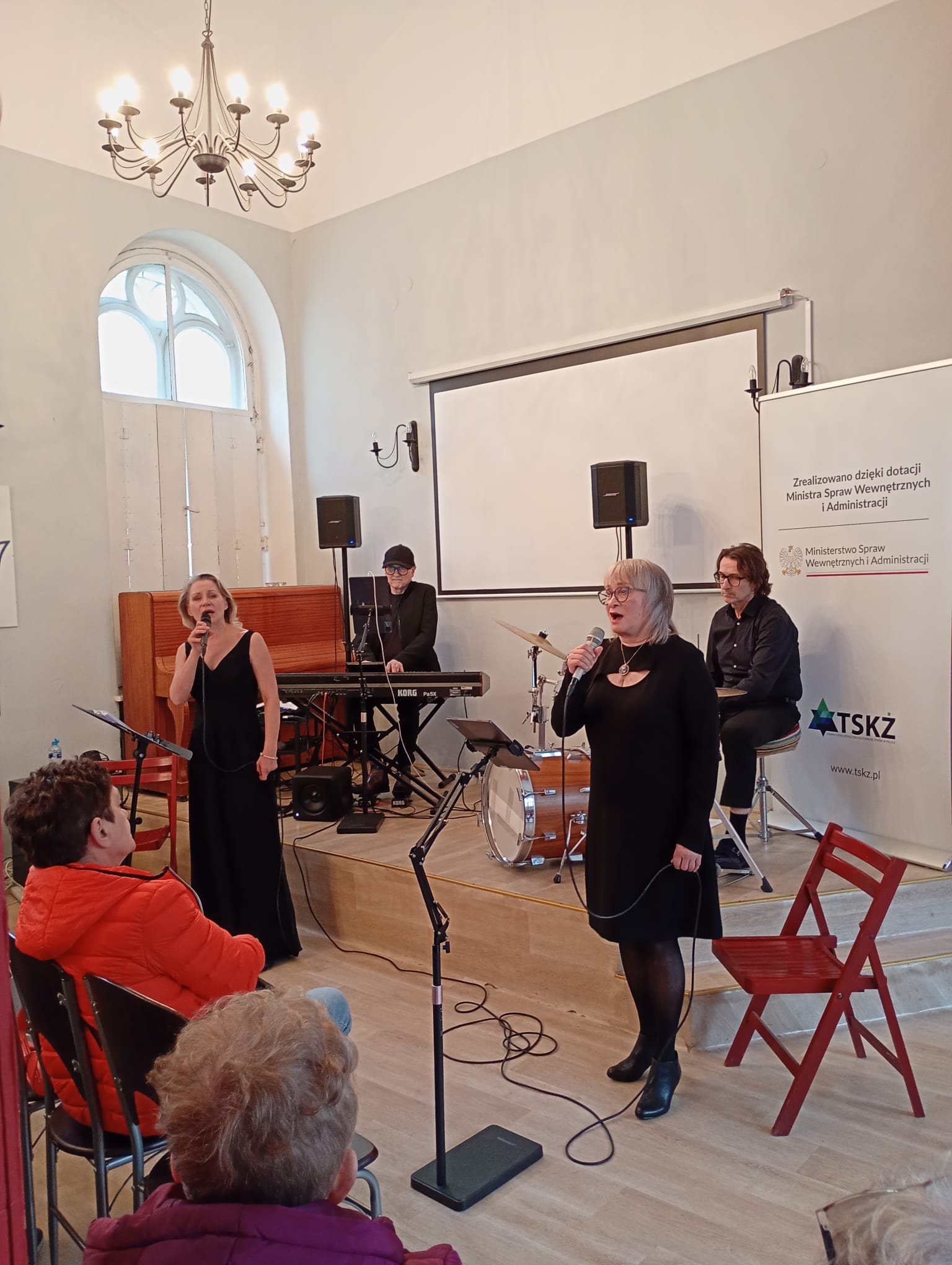
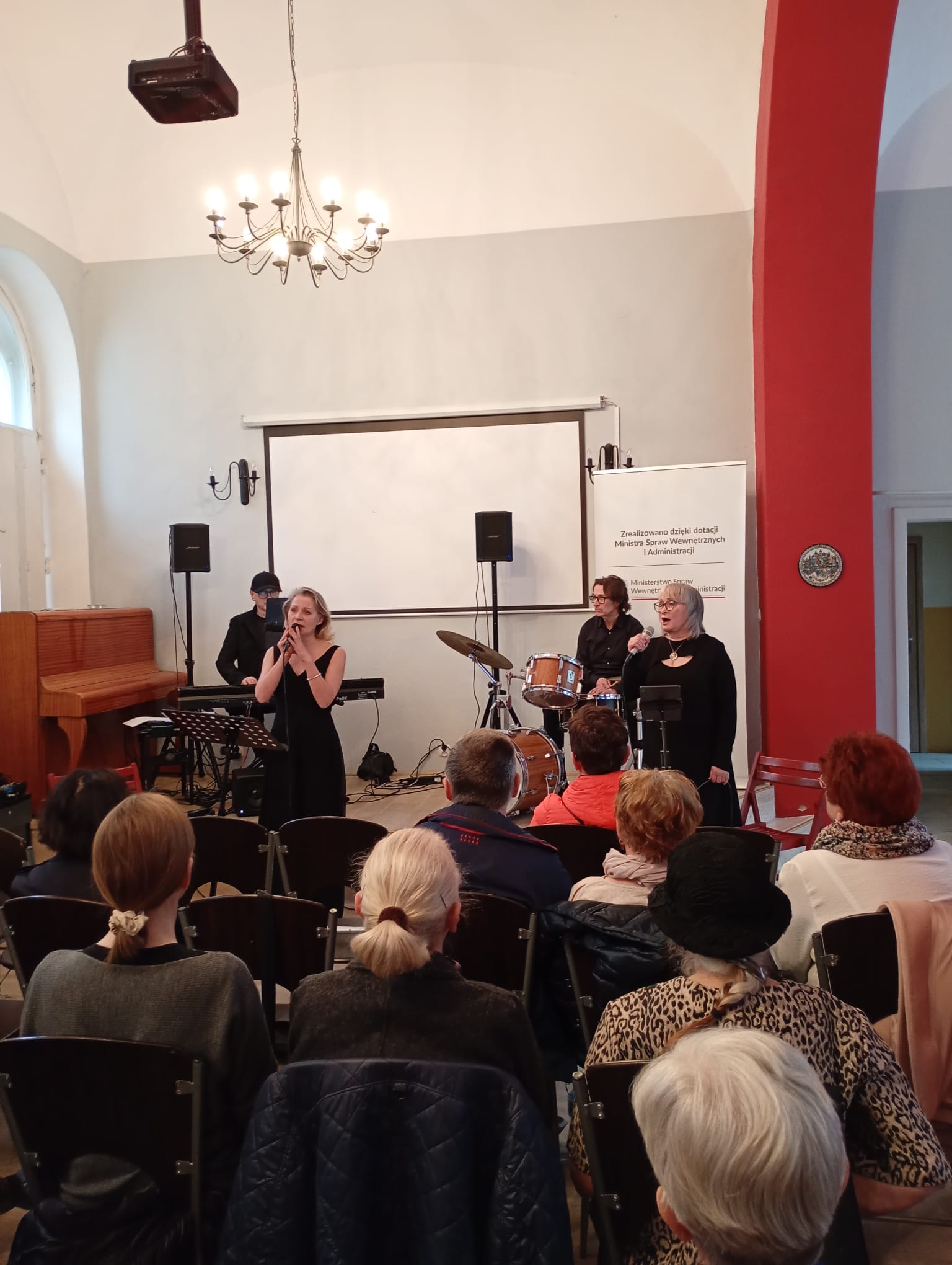
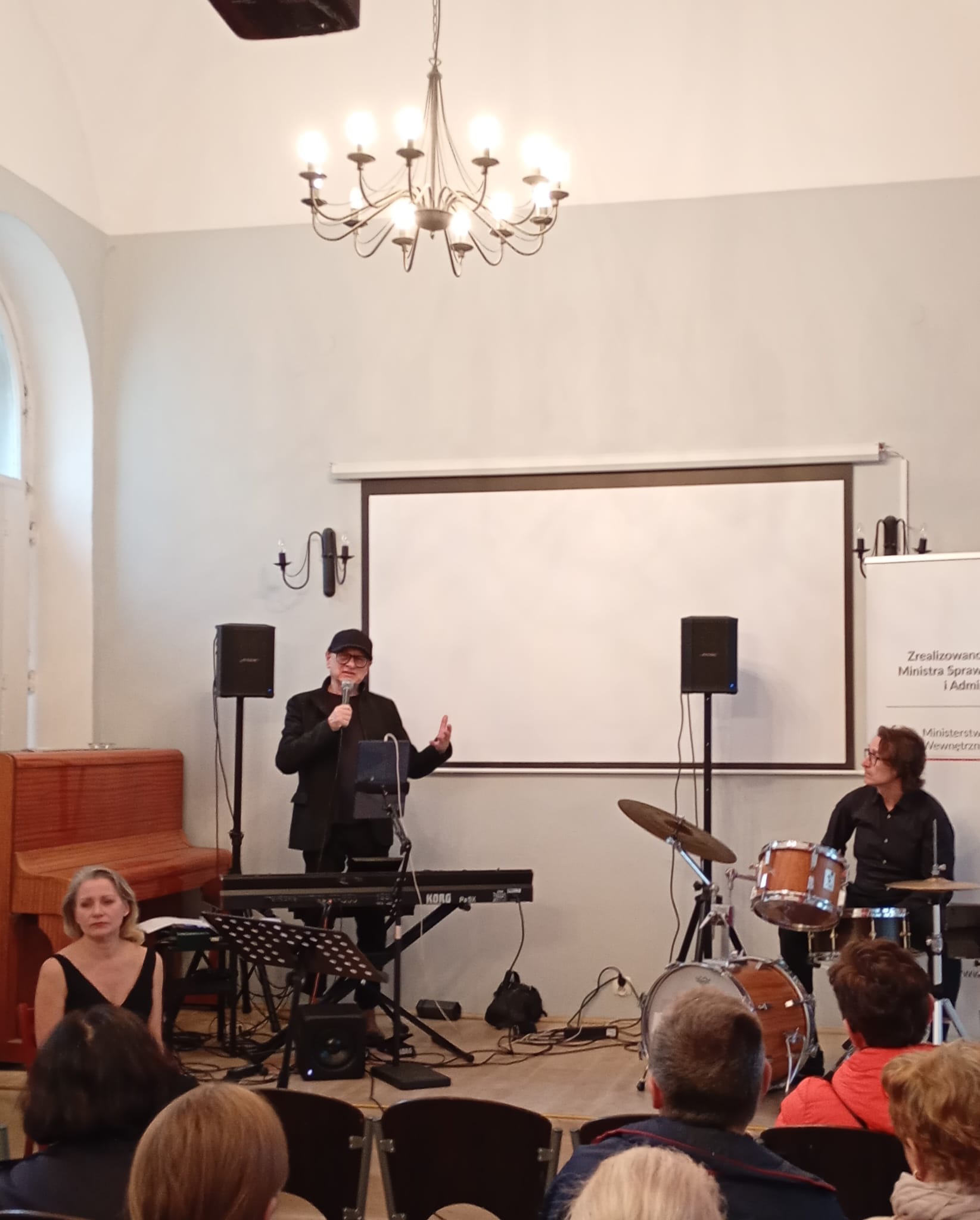
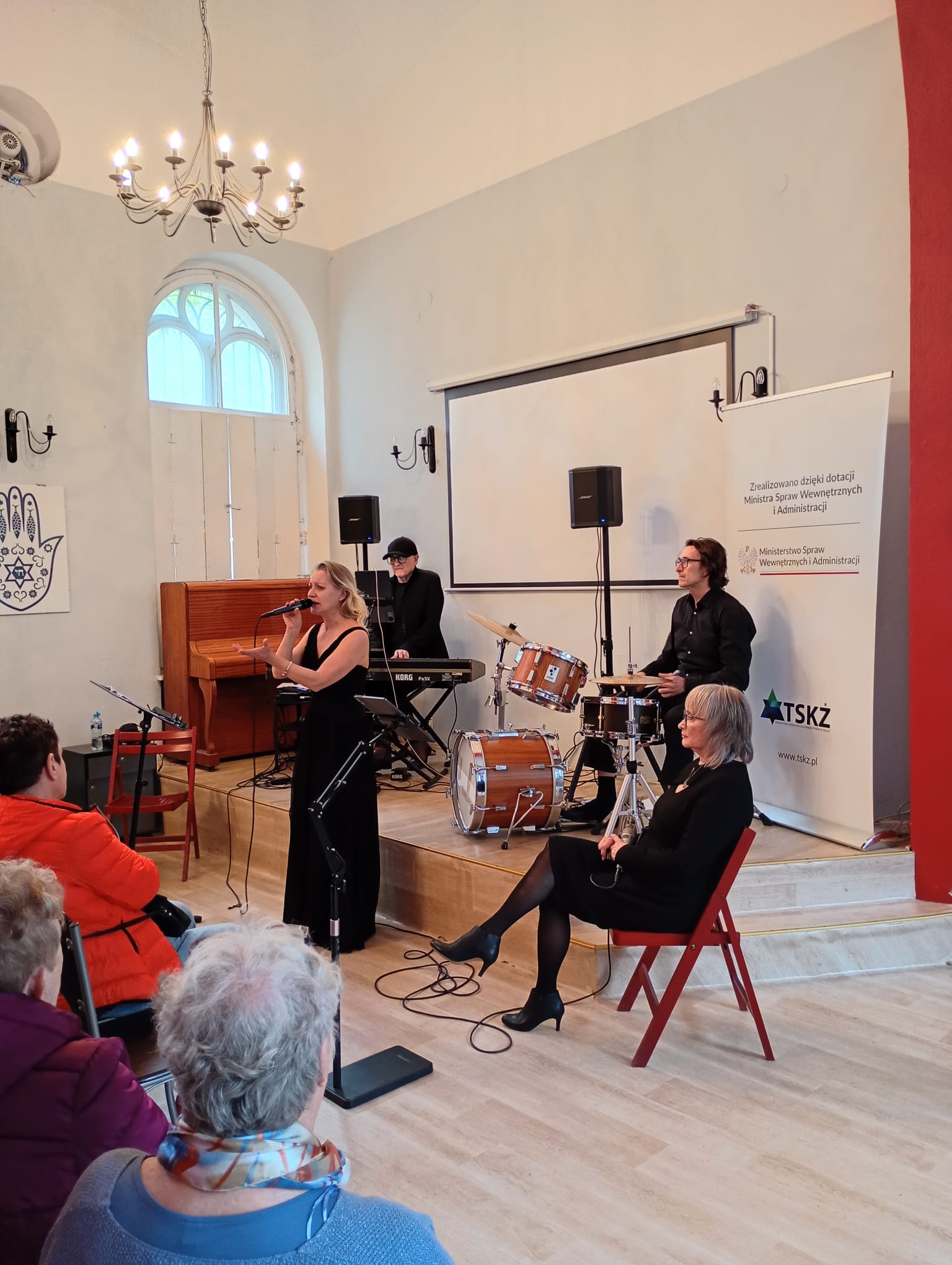
Following the ceremony, a poetry and music performance took place at the TSKŻ headquarters, featuring Alona Szostak, Adam Buczek, Inge Dinesen, and Leopold Galicki.
LEGNICA
On Thursday, 23 April, a lecture by Tamara Włodarczyk entitled Jewish Memory, Shared Memory? How the Memory of the Warsaw Ghetto Uprising Was Shaped after World War II was held at the Legnica Public Library. The artistic part of the event, dedicated to the memory of the ghetto fighters, featured Alona Szostak, Inge Dinesen, and Leopold Galicki.
GDAŃSK
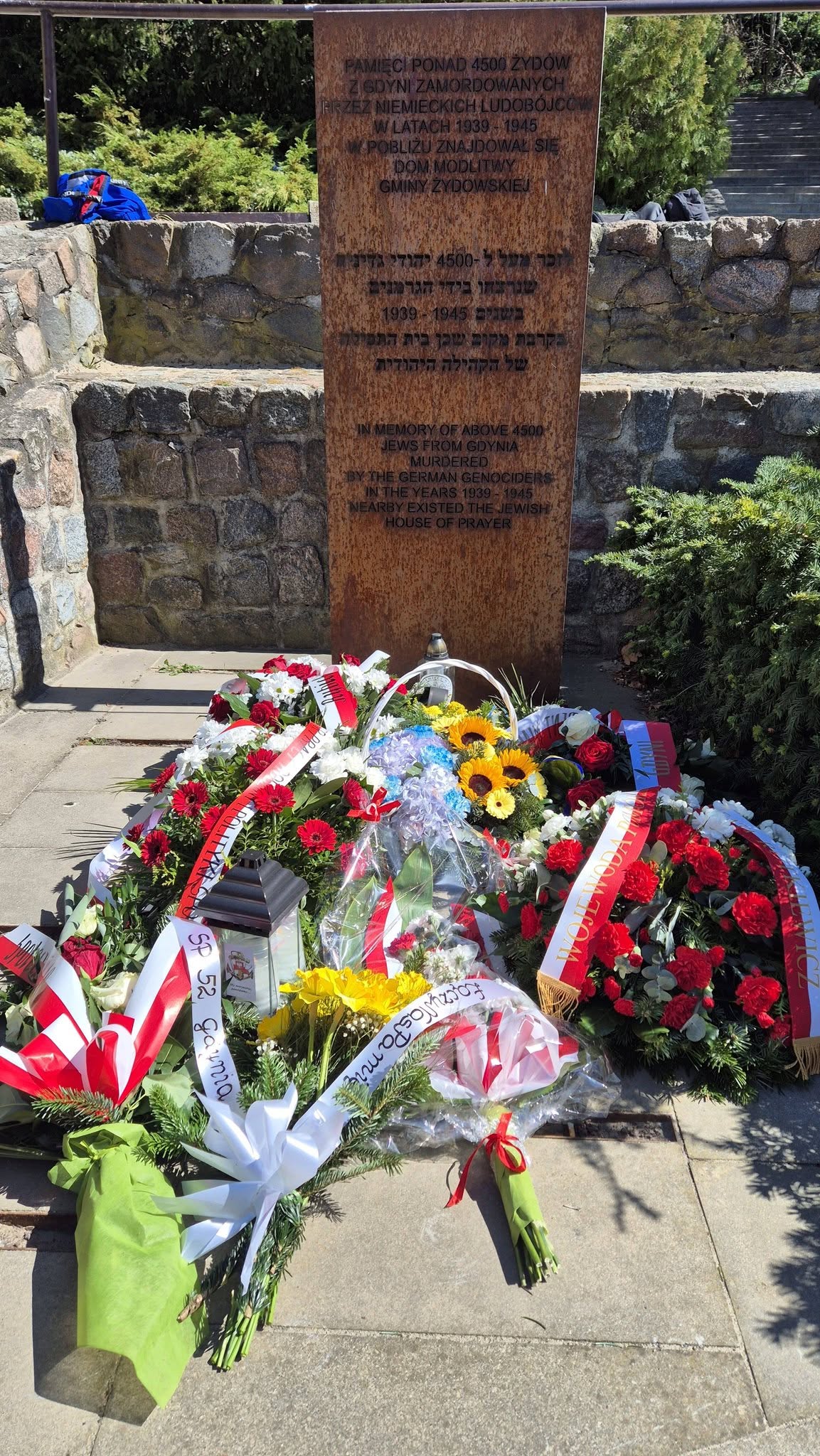
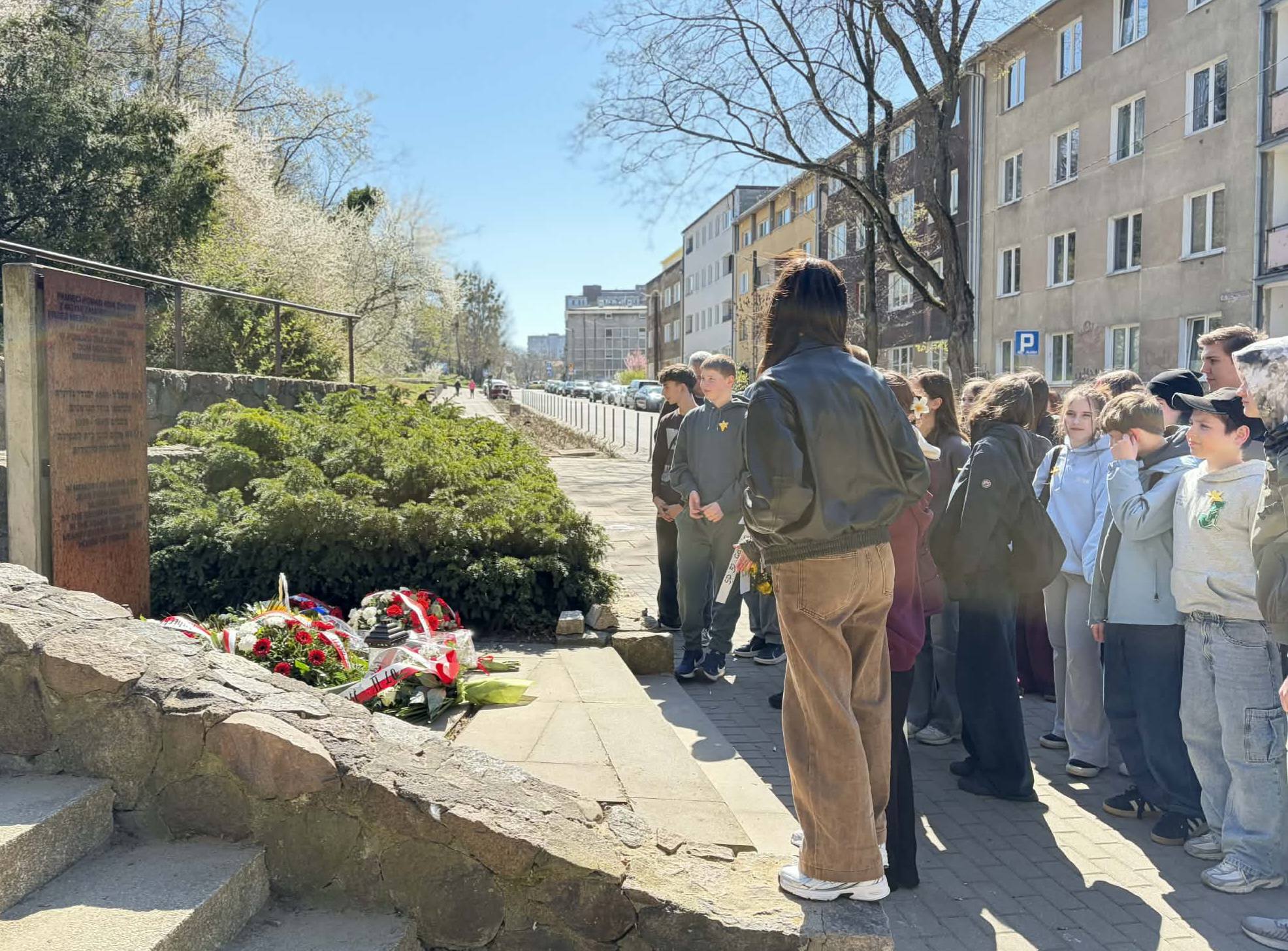
The local commemorations marking the 83rd anniversary of the outbreak of the Warsaw Ghetto Uprising were held on 19 April at the plaque dedicated to the Jewish community at the intersection of Żwirki i Wigury and Słowackiego Streets in Gdynia.
The ceremony was attended by Jakub Szadaj, Chair of the local branch of the TSKŻ, who, accompanied by sailors from the Representative Company of the Polish Navy, laid a commemorative wreath.
Photo by Primary School No. 52 in Gdynia
WAŁBRZYCH
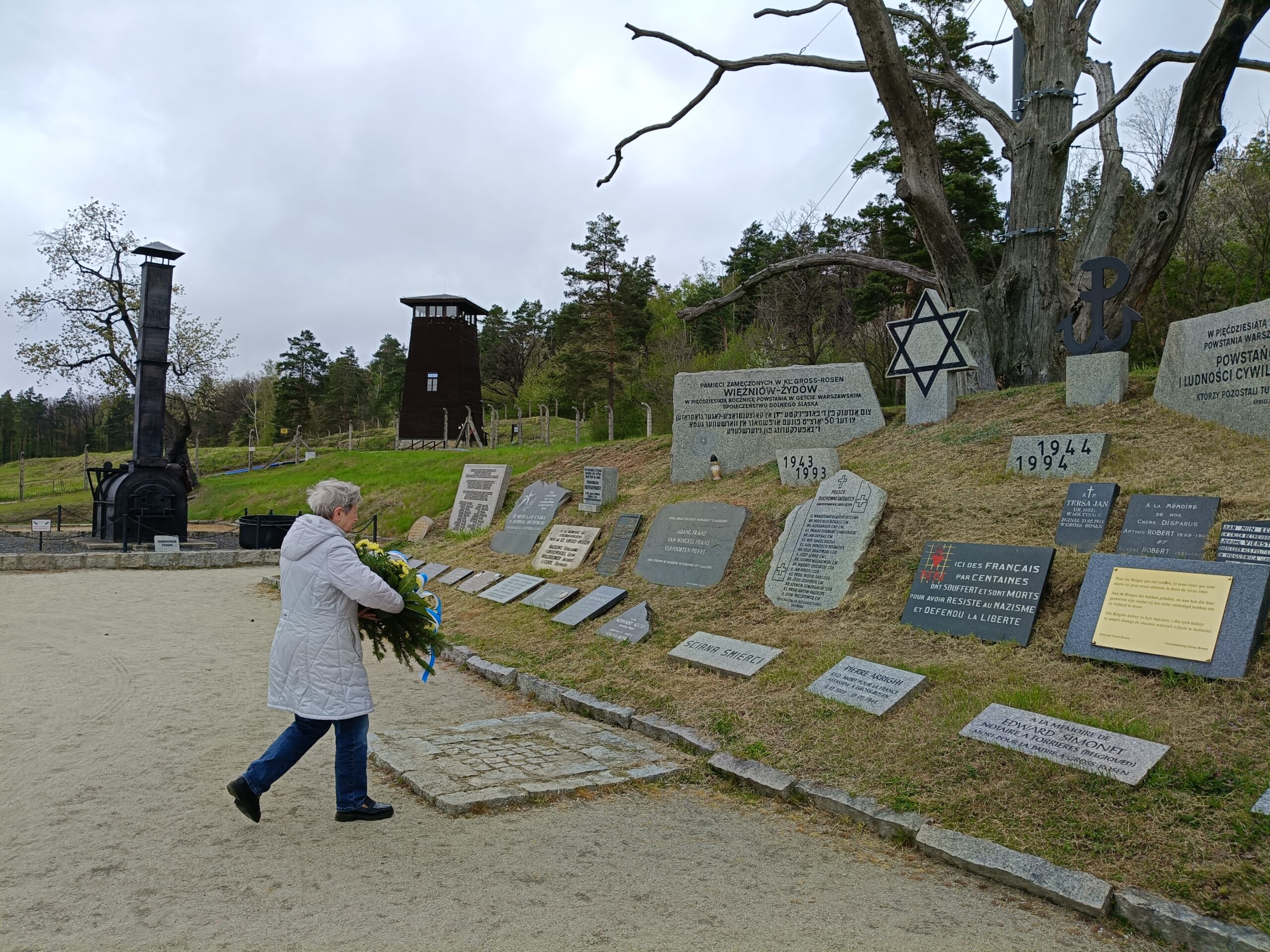
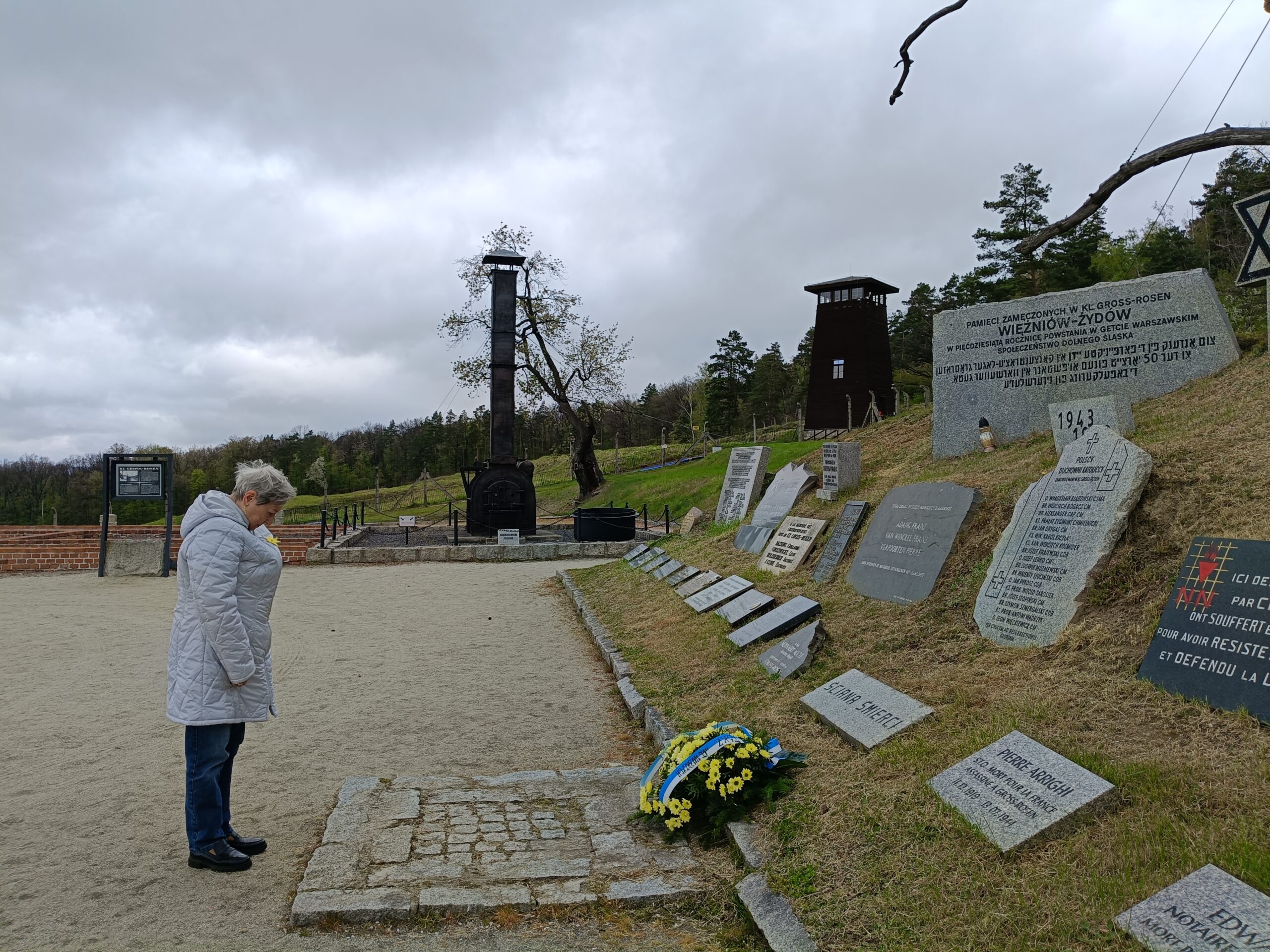
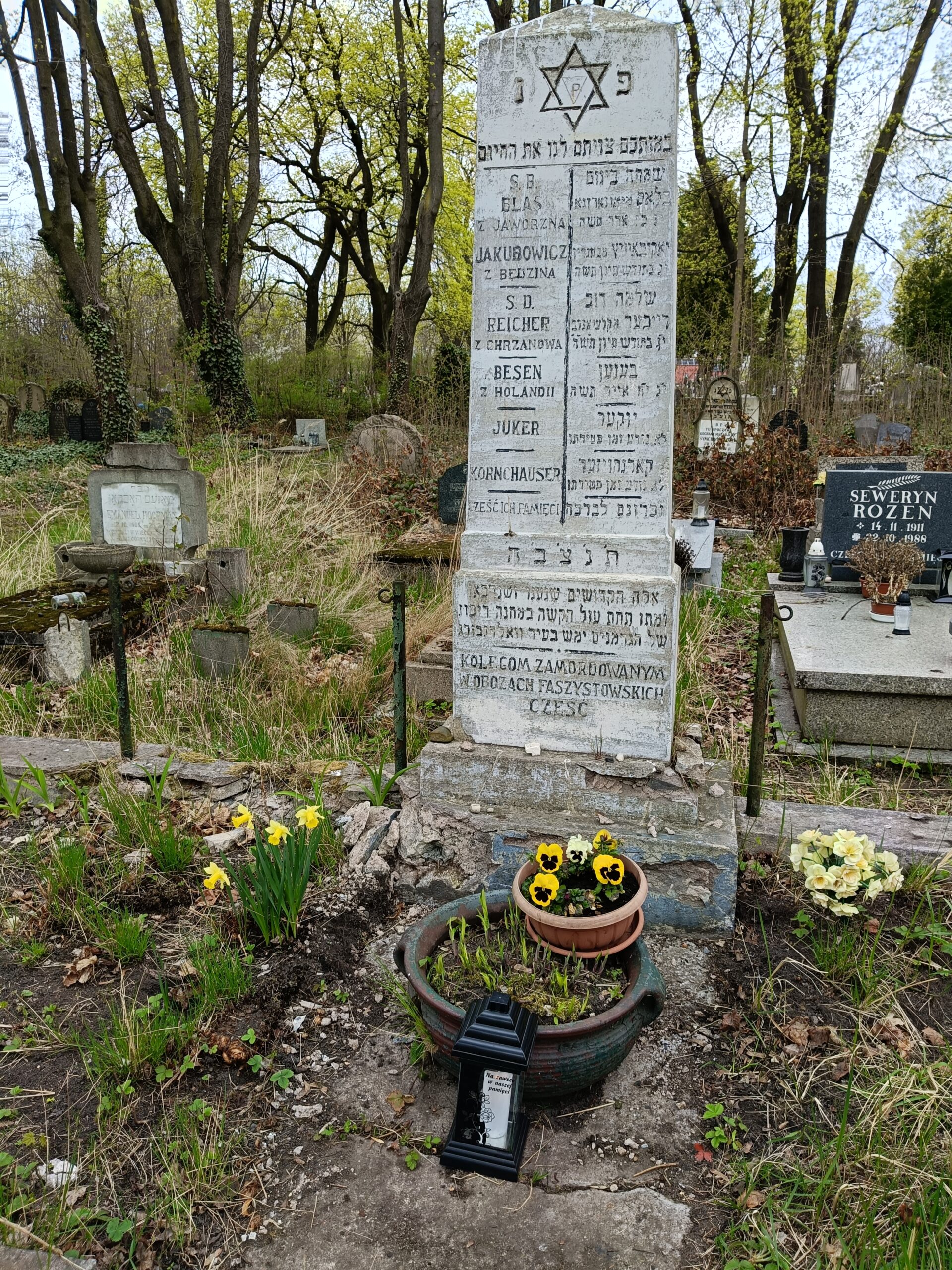
On Sunday, 19 April, representatives of the Wałbrzych branch of the TSKŻ laid flowers at the monument to former prisoners of the Gross-Rosen concentration camp at the Jewish cemetery in Wałbrzych.
The following day, at the Mausoleum Memorial of KL Gross-Rosen, the branch chair Sabina Chrapek took part in a ceremony commemorating the Warsaw Ghetto Uprising, attended by youth from a juvenile educational centre in Jawor.
Another part of this year’s commemorations was a meeting dedicated to the Jewish fighters, held at the “Pod Altanami” library. Among those present were Deputy Mayor Krystyna Olanin, Chair of the German Society in Wałbrzych Dorothea Stempowski, and Head of the Education Department of the Gross-Rosen Museum Renata Paluch.
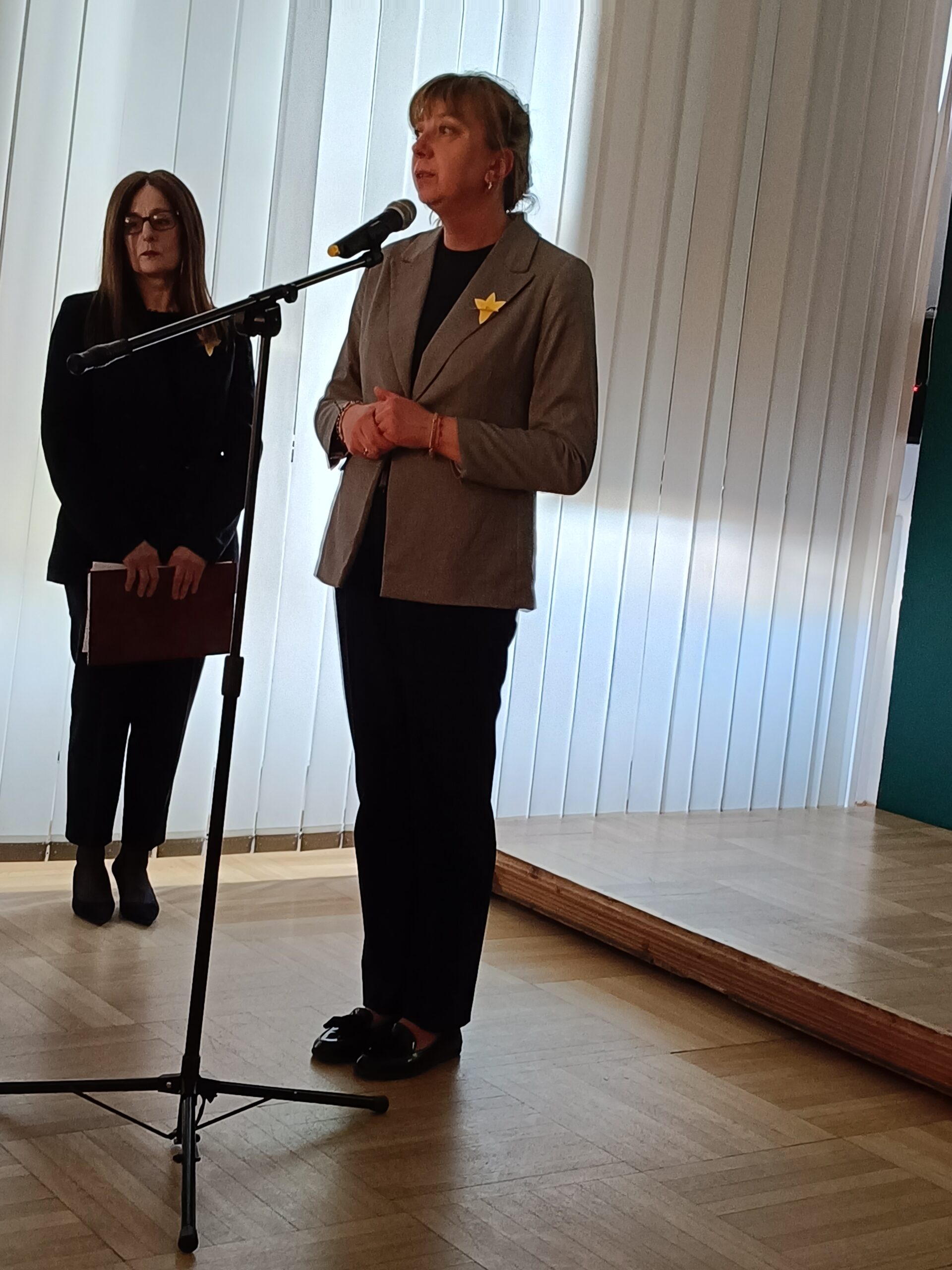
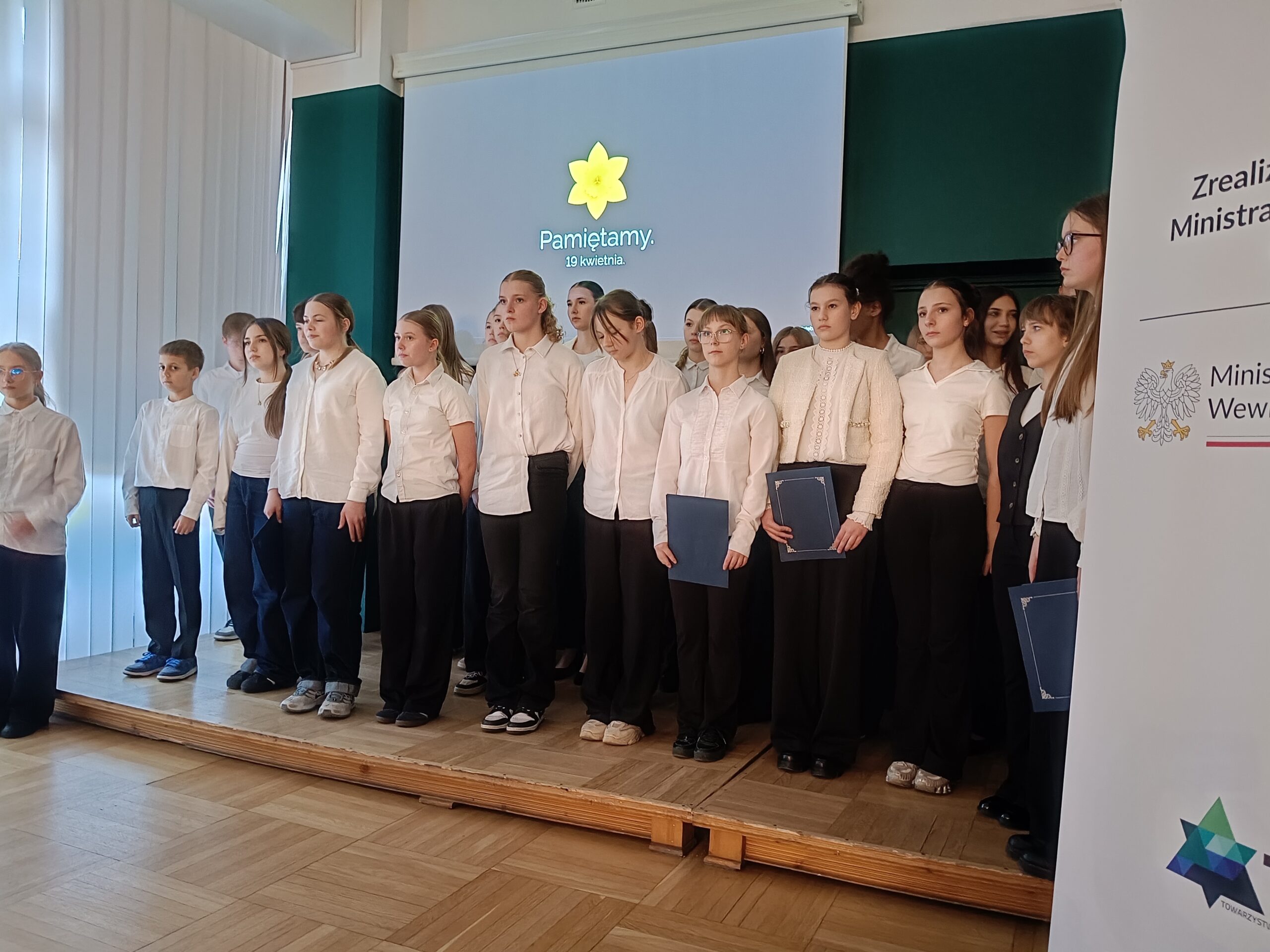
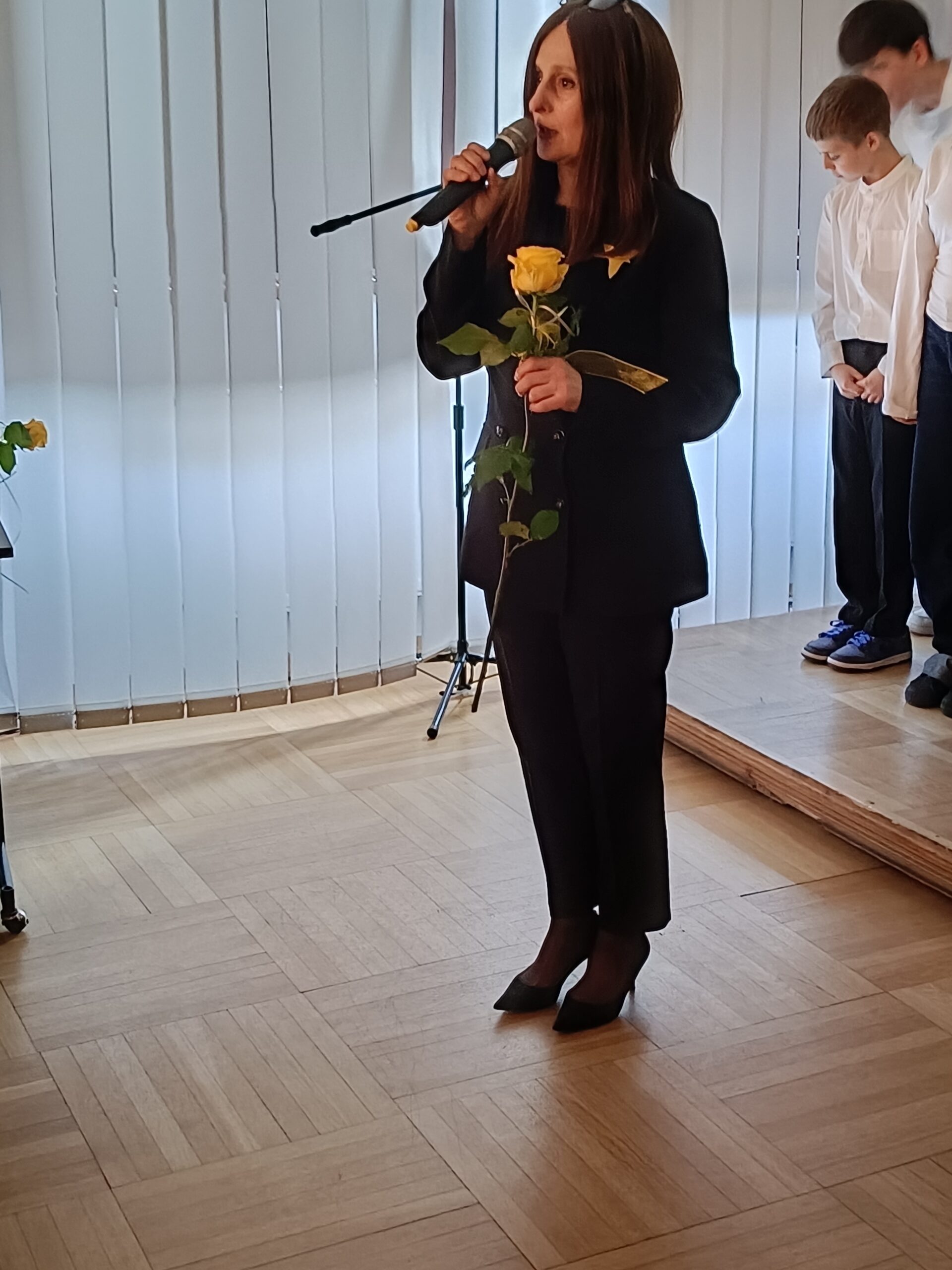
KRAKÓW
The Kraków branch of the TSKŻ commemorated the 83rd anniversary of the Warsaw Ghetto Uprising by laying flowers at the former ghetto wall on Lwowska Street.
The participants then moved to the High Synagogue, where Maciej Klich delivered a lecture dedicated to Gisella Perl, a doctor who survived Auschwitz concentration camp.
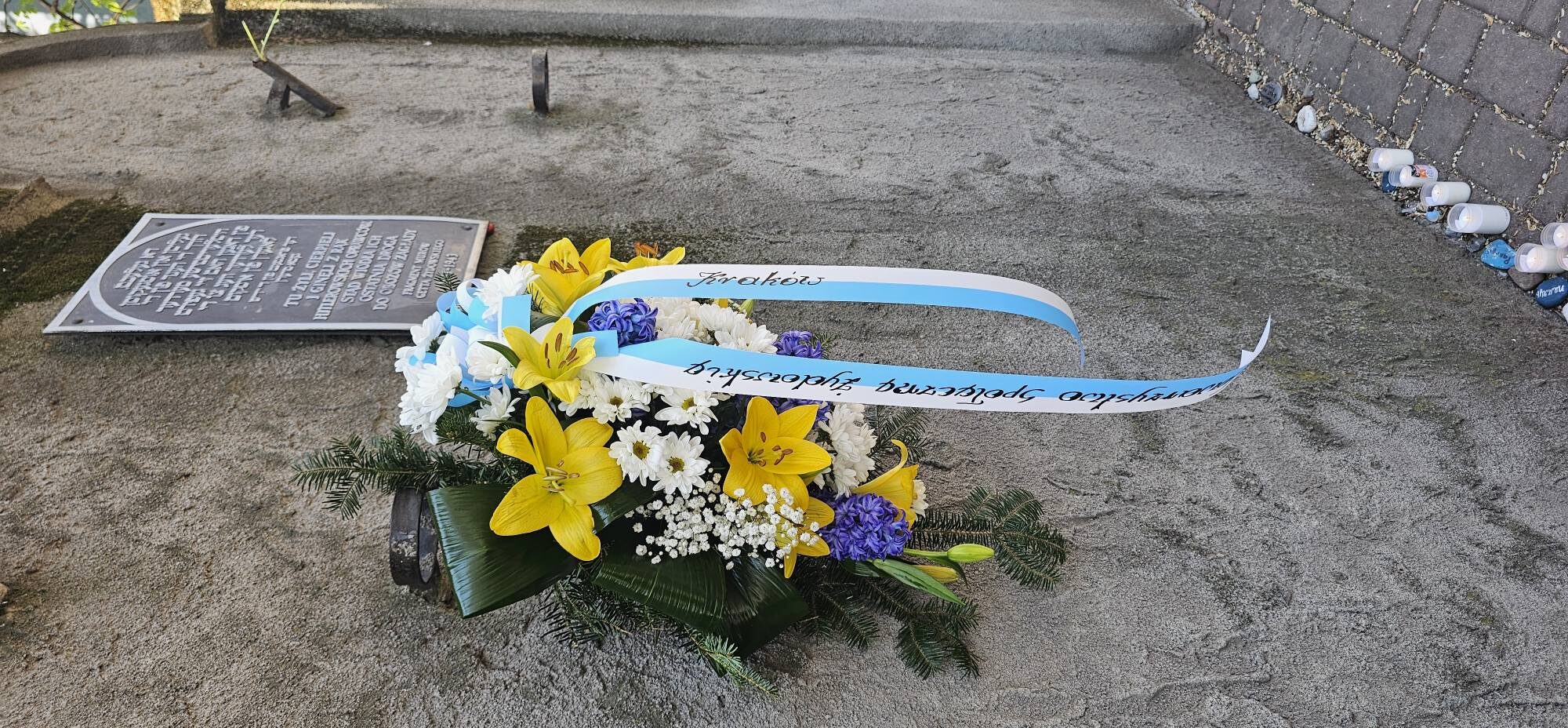

The above events were funded by a grant from the Minister of the Interior and Administration.